
REVIEW & INTERVIEW: GUY DAVIS “WASTE LAND”
“Personally, I'm not overly convinced we're going to beat the climate crisis anytime soon. Not before we see drastic, negative impacts to the planet and its wildlife,” said Guy Davis.
The climate is changing faster than predicted. With our continuous effort of manmade environmental damages, our planet is heading towards a dangerous “tipping point.” global warming, flooding, destruction of wildlife habitat, coal mining, coral bleaching, and heat waves are at stake.
However, our concerns sometimes are being used as a marketing tactic. The truth is buried and derived by the next breaking news, empty promises, and fake, positive images.
Looking down the concrete jungle built upon wastes, as the sun sinks, when we have destroyed our planet and its natural habitat, all there left is a wasteland. Guy Davis intended to raise awareness of the climate crisis and bring attention to the negative effects of advertising, news, and media with “Waste Land.”
“Feed me your headline stories; it’s already yesterday’s news; cut and paste a new religion, selling your subjective point of view:” We are fed up with constant breaking news, nothing seems to matter; we are repeating the history over and over again while being blindfolded by one-sided stories. We are reassured that everything will be fine until it isn’t, “ladies and gentlemen, we regret to inform you that everything little thing is gonna be just fine.”
“There is a huge disconnection between what we say we are doing and the reality of the situation,” said Guy Davis, “I think this problem has been emphasized by the growing use of social media as a go-to source of news. The online branding and image of a company have never mattered more. Social media has made it very difficult to verify whether an organization meets the messages it’s putting out. As upsetting as it is that we are probably not doing enough. The empty promises and token gestures are a bit of a kick in the teeth.”
Although sonically, “Waste Land” has an “end of the world” sonic environment, the music video is optimistic with the will to fight. “I think perhaps the most hopeful thing, and something that comes through in the music video is that the younger generations are being brought up in a world where climate change and climate issues are at the forefront of society. The school climate protests certainly demonstrate that, and stock footage of those protests is used in the video,” he said.
Follow Guy Davis
REVIEW & INTERVIEW: KATE ELLIS “ANOTHER WAY”
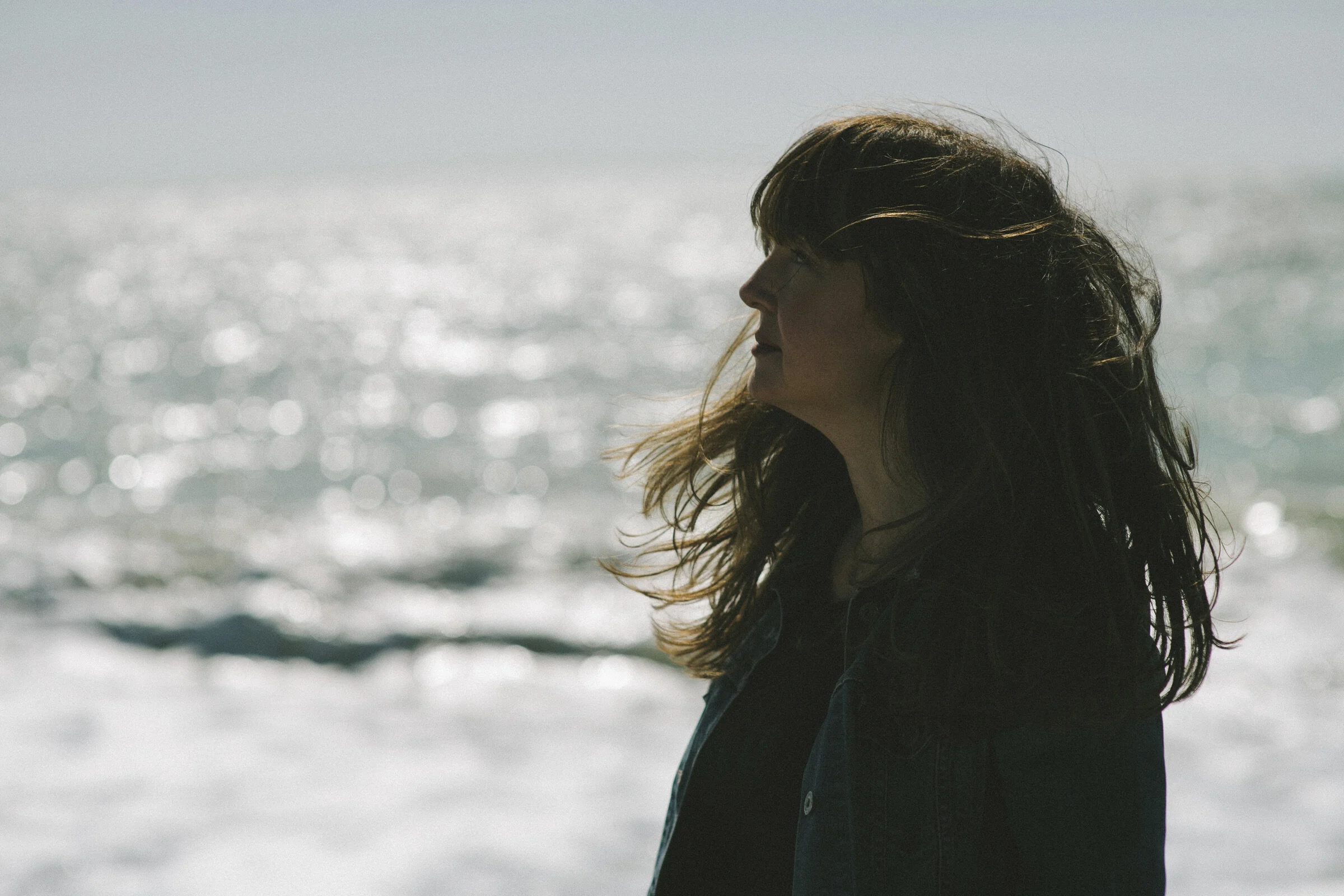
From one man’s struggle to the love and acceptance of self and others, “Another Way” is in memory of Kate Ellis’s father. In the heartfelt piano and gentle ambience, Ellis narrates from a daughter’s perspective of a southern man’s emotional struggle while doing the best he could.
“He was an architect, a professor, and a brilliant man — a self-taught musician, wonderful artist, and intellectual. He was sharp-witted and very gracious and kind. But he had his emotional struggles (as we all do) and sometimes it felt like he could make life harder than it had to be,” said Ellis, “We shared similarities and connected on many levels, but there was an aspect of him I never fully understood and couldn’t connect with – a sort of unknowable part of him that always kept me apart from him in a way,” said Ellis, “I think there was a lot of pain that he kept hidden away.”
Growing up, Kate Ellis was heavily influenced by her father’s love for southern country, folk, and roots music. Her musical career was shaped around the early influences of Bob Dylan, Jonny Cash, Paul Simon, among others. Inspired by his father’s political integrity and his unique worldview, Ellis contemplates humanity.
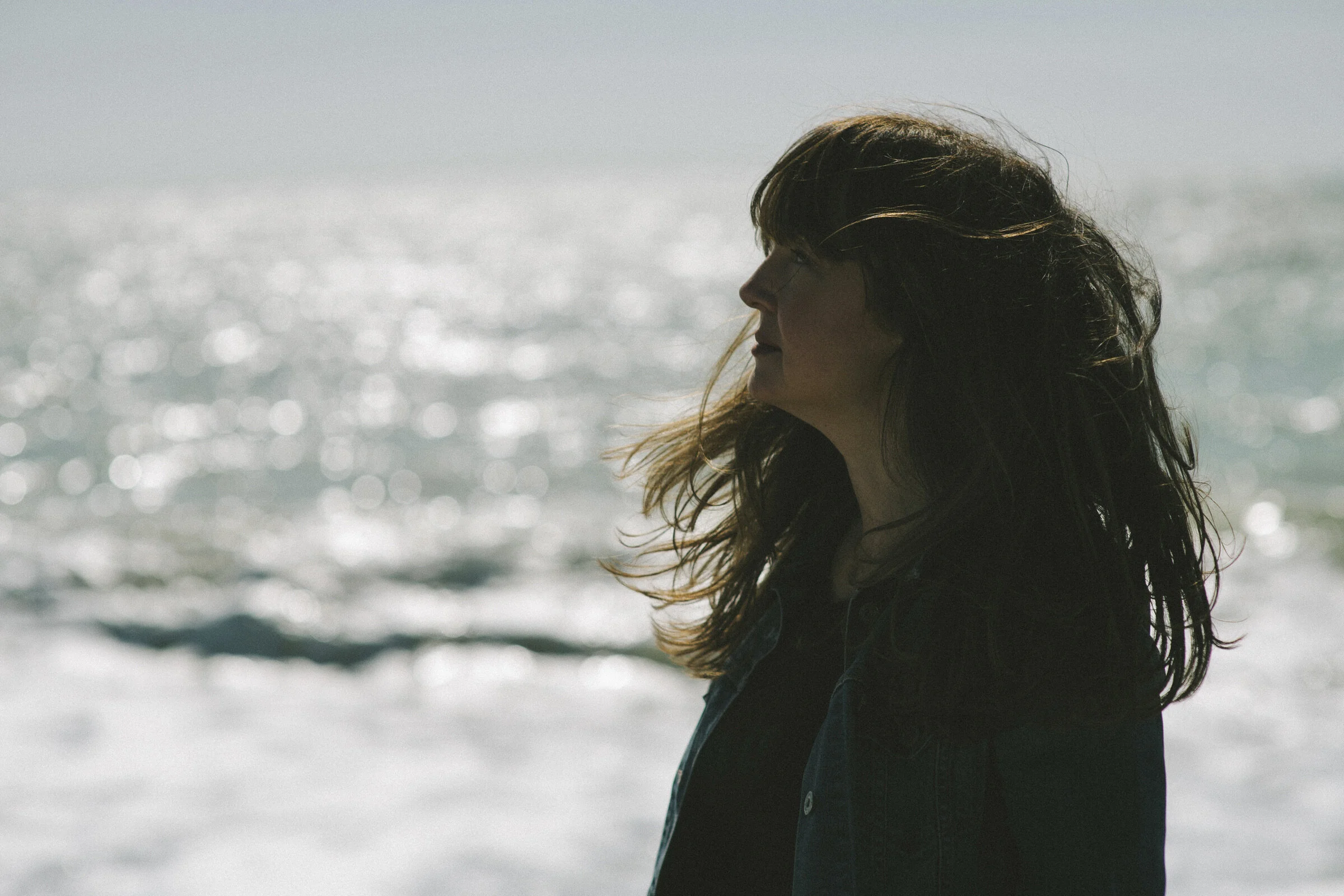
Photo credit: Dave Watts
There was a moment of clarity after her father has passed away. Kate Ellis found herself connecting to her father in a way she wasn’t able to before. She began to see the perfection in his imperfections and understand his decisions and the things he couldn’t say.
“ He was always trying his best,” said Ellis, “We struggle because we can’t see another way to think or live. I have come to see the innocence of others and myself more and more. I hope there is a universality to the pain we all experience as humans and the purity of love we can feel when we accept people with all their frailties.”
NEW RELEASE: MOON WALKER “LIGHT BURNS OUT
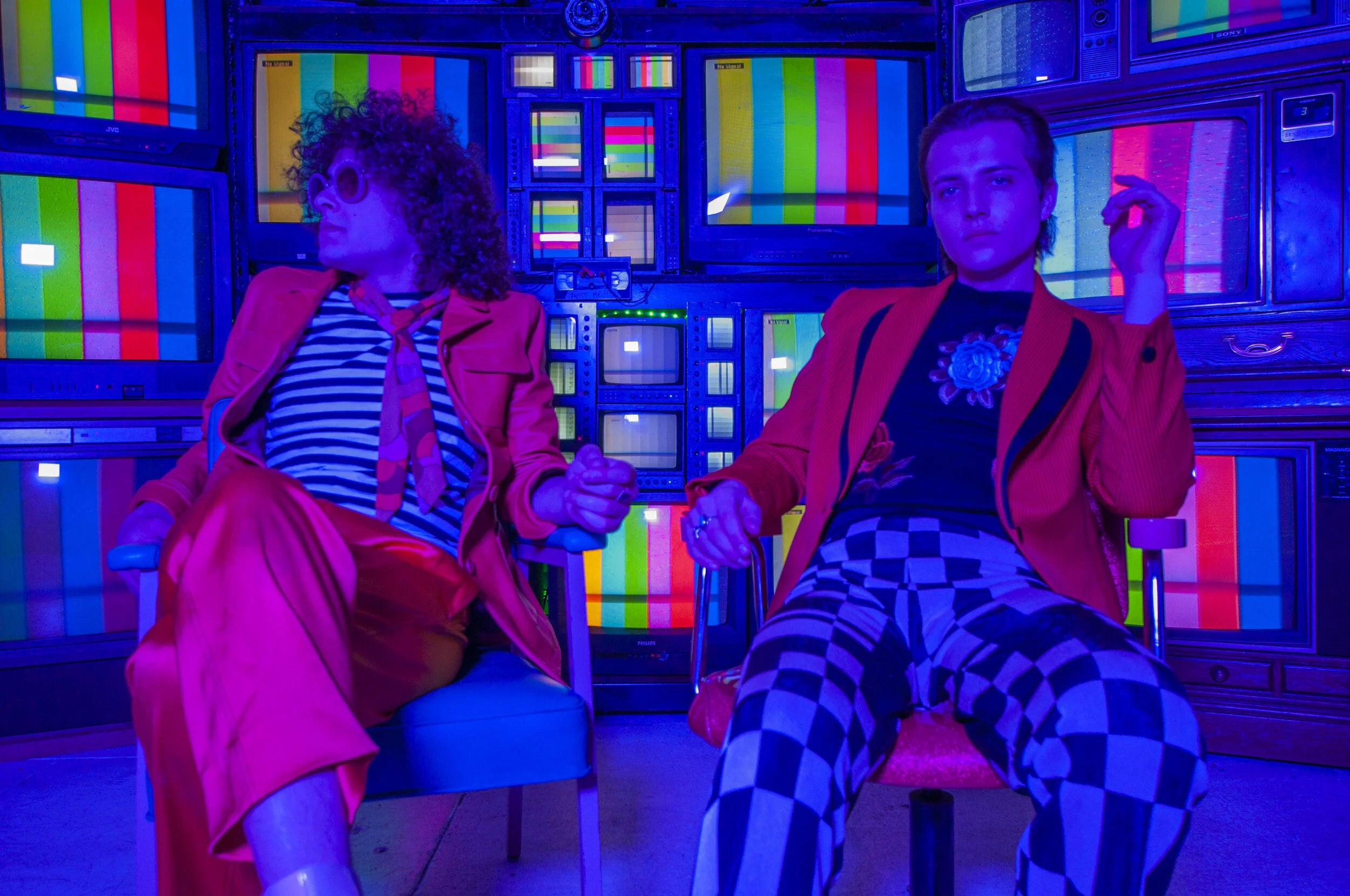
“When the lights burn out, all the stars can get to coming out; when the lights burn out, the night will start anew.” “Light Burns Out” Moon Walker
In the music video, a devil figure setting the world on fire in contrast to a child’s sadness, representing the idea of how the kids will be most affected as the corporate elite and politicians keep on destroying the world. The only way to be saved from drowning is to become a puppet held over a flame symbolizes how we are constantly at the will of people in power.
When the country setting one hour back on the Daylight-Saving Times, it reminded Harry Springer how we are experiencing a social, political setback as a nation. Propaganda paints a triumphant and victorious picture of history; public education poisons our mind with made-believes, but as its people, we witness the truth. Police brutality, racism, pollution, homophobia, and numerous problems are still just as real as they were in the 1950s.
“I remember watching videos of firemen spraying black people with fire hoses and police hitting them with the barrels of their guns. I remember thinking to myself, how could we let this happen? How could this have happened in the world while my father was alive?” said Harry Springer, “Now I see worse every single day on the internet. We learn about economic recessions from the comfort of our cozy, well-funded high schools while kids in our same state couldn’t afford lunch and pencils. We are taught American history as though we are always the good guys and that all of our struggles are behind us. This couldn’t be further from the truth.”
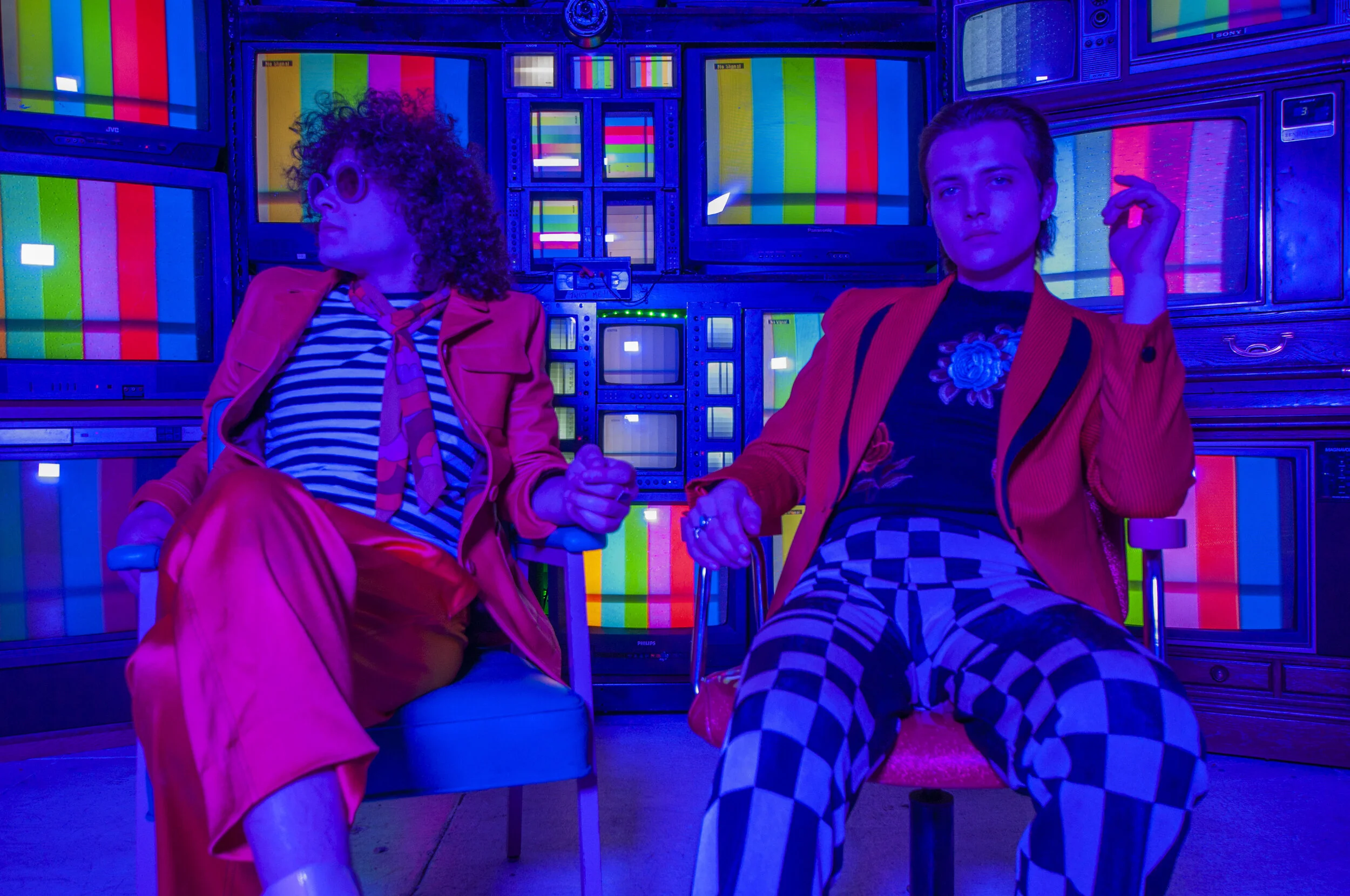
Photo credit: Madi McConnell
Maybe as we grow older, submerging ourselves in the countless bills and obligations, the issues become invisible. When the 20 somethings leave school, they are no longer fooled by the system while still adjusting to the reality. This initial shock, followed by a wave of untamed anger, leads to confrontation and the outspoken truth, which provoke change and revolution.
Harry Springer broke the silence when the ridicule of election and quarantine finally pushed his political anger to a boiling point. He found himself no longer partially resonate with 50% of the country when people. “They were fine with stripping people of human rights in the name of religion. They were fine with letting the police force continue murdering innocent black civilians with no consequence or accountability. They were defending billionaires from paying more in taxes while stepping over homeless veterans dying on the street. They were blaming homosexuality for a decline in morality while supporting the pedophile ring that is the Catholic Church. And most tellingly, they were willing to vote for a demagogue who, very unsubtly, was a proponent of fascism, not to mention a predator who has spoken ad nauseam about sleeping with his own daughter. I'd be lying if I said I didn't still feel this way,” he said.
“Lights Burns Out” is a heartfelt reminder of consequences in retrospection of our indifference to social, political, racial justice. “We drown, we drown together.” As a humanity, we are drowning as the people in charge, ruining our planet. In the end, we will sink together when our planet is no longer habitable.
Stay tuned for their upcoming record: Truth To Power addressing politics, lifestyle, economics, and religion in America.
Follow Moon Walkers
REVIEW & INTERVIEW: THE DIRT LUCK “I'M TRYING”
Written during the lockdown and inspired by loneliness and stagnation, “I’m Trying” is the product of avoidance and too much alcohol maybe. If you believe in getting high from listening to stoner rock, then I promise you, this track will get you good just like a big, freshly rolled joint.
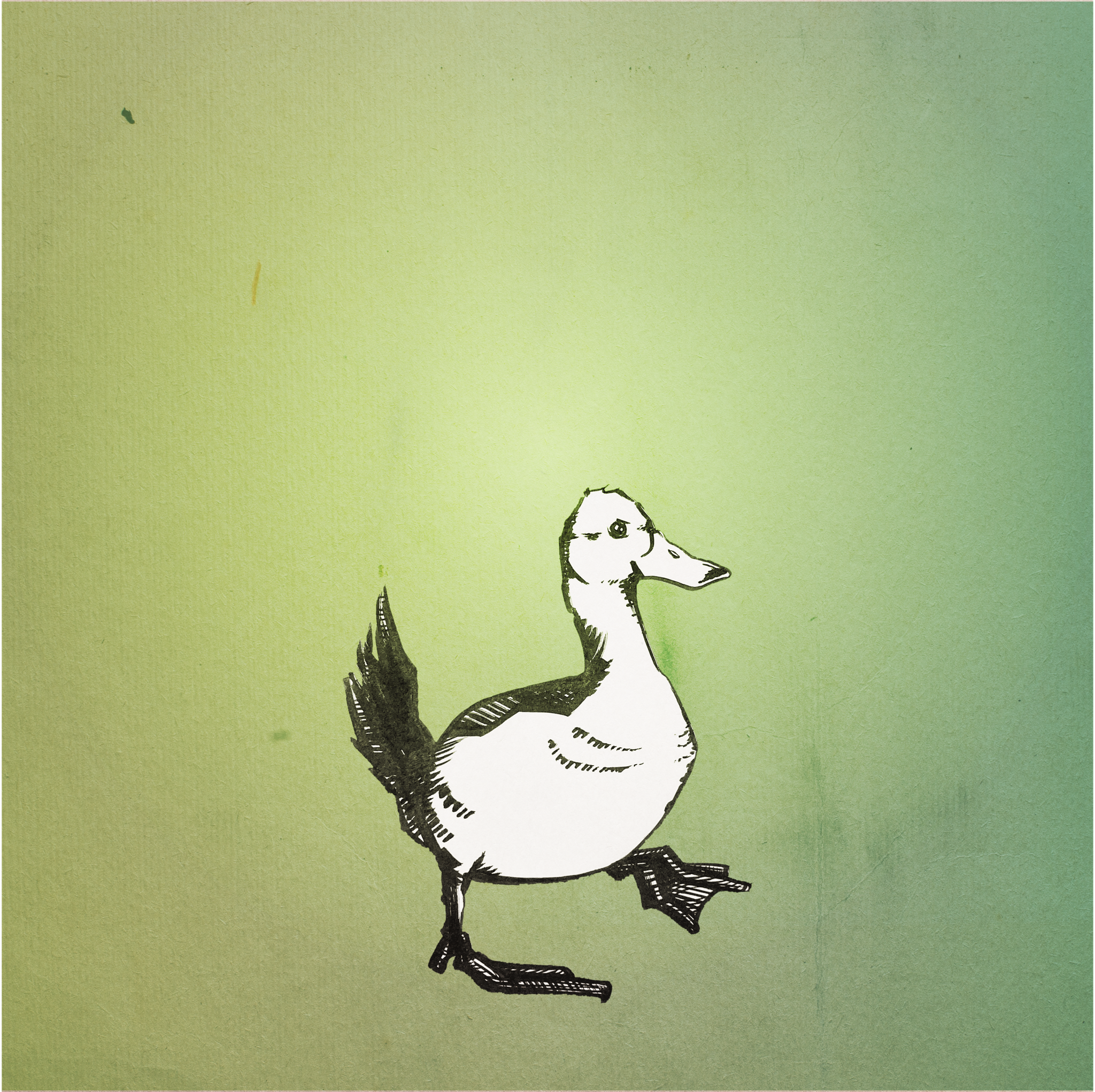
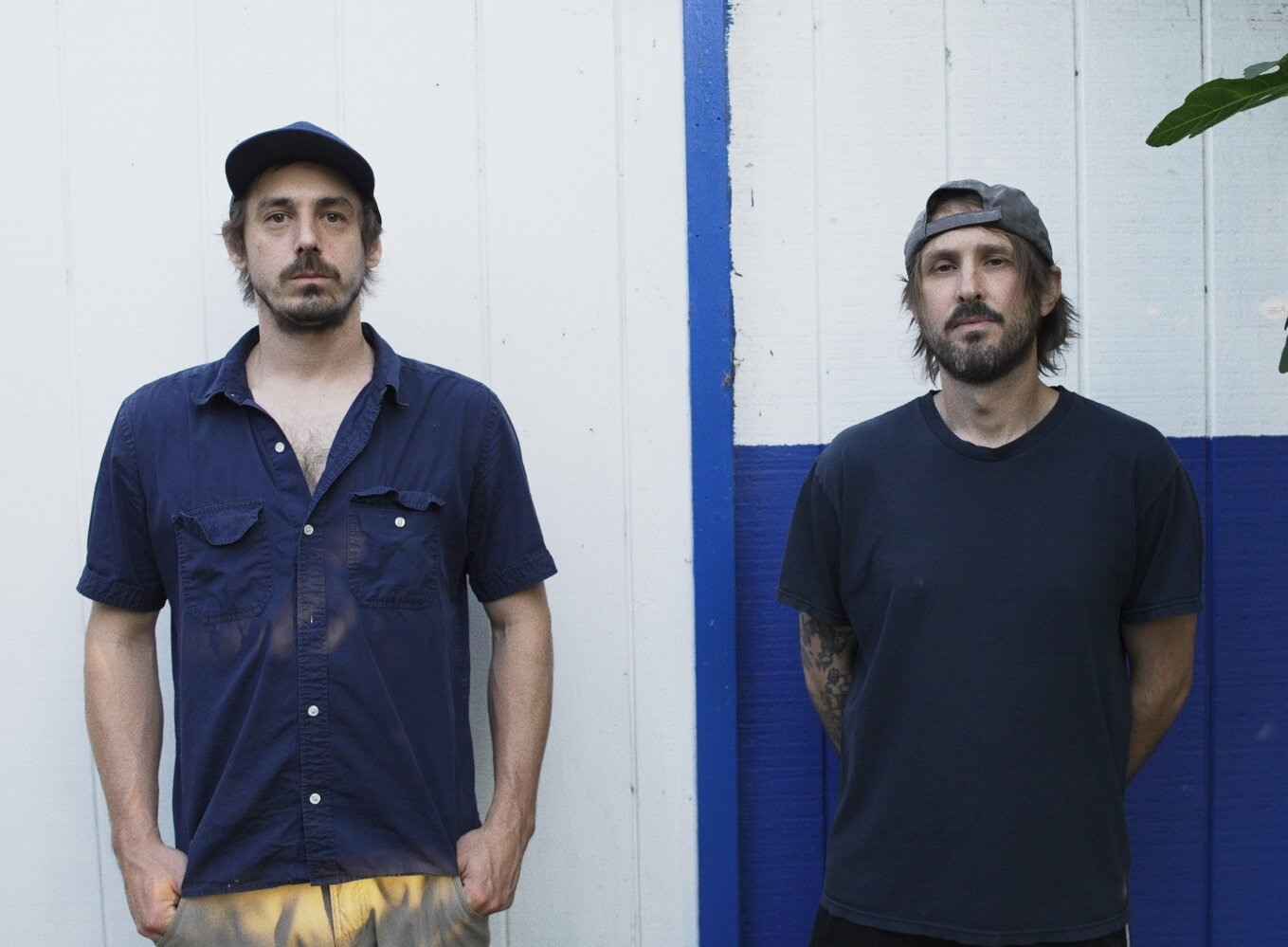
Designed by Jake Bernier from New Hampshire, a duck prowling in a dimmed, obscure chartreuse background is the perfect visual impression of non-depressive loneliness. Because both members of the band love ducks and have a history with the animal, they decided to capture the vibe of each release with different ducks.
Sonically, “I’m Trying” has the positive outlook of a situation outside of our control. “Being trapped can be ok sometimes,” said The Dirt Luck, “we honestly trap ourselves in the studio all the time.” If you really think about the awkward moments and lonely nights, there’s hardly a day we live without them.
Sometimes the past catches up with us on a gloomy Sunday. It’s easy to get lost and drift away in the river of memories. “Nostalgia plays a huge role in my life, and it can either be really enjoyable to relish in or completely crippling,” said Dan, “one thing I’ve been trying to do more lately is to live in the present. But just like everyone, it’s easy to sit back and remember moments both good and bad. It’s good to remember friends and family and cherish memories, but it can also put you in a real spin. I don’t really know.”
Cherish the present is the only thing we have control over, then maybe instead of drowning in darkness, we can try to feel better. In between the grim lyrics and optimistically stoned guitar riffs, maybe it is about acceptance. Grasp the moment and feel happy again with “I’m Trying.”
Follow The Dirt Luck:
REVIEW & INTERVIEW: 9 O'CLOCK NASTY ‘DRY’
“What time is nasty? 9 o’clock! What time is nasty?! 9 o’clock” “What Time Is Nasty” 9 o’clock nasty
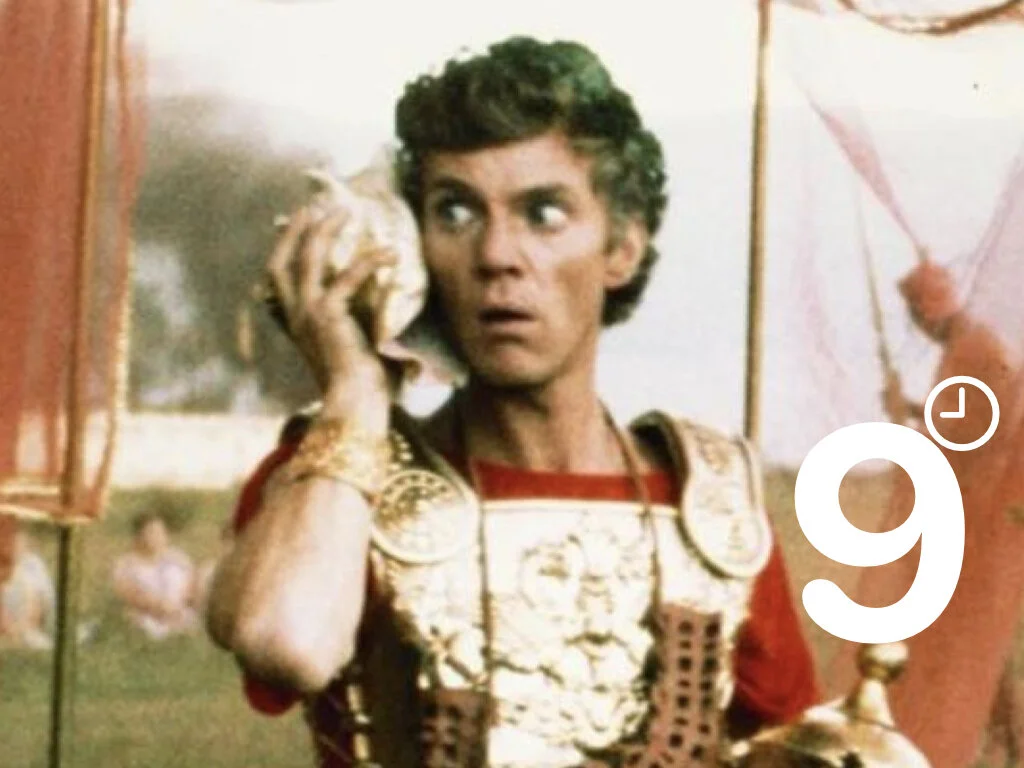
9 o’clock approaches as the clock ticks down. You gulp, staring at the second hand as each second stretches out to be milliseconds of little devils laughing in your ears. You start sweating in a daze. “What time is nasty?” “9 o’clock!” “What time is nasty?” “9 o’clock!” The night is going to be nasty, and there’s nothing you could do to stop it. Tick-tock, tick-tock. It’s all you could think about.
9 o’clock nasty has nailed that demonic, poised moment with a fractured, poetic gesture in reminiscence of the 60s psychedelic, garage rock expression. Progressing towards the final madness of the night in a steady, rhymical, endless loop smashing into a clang, joyously and irresponsibly. The band has a nasty sense of humor.
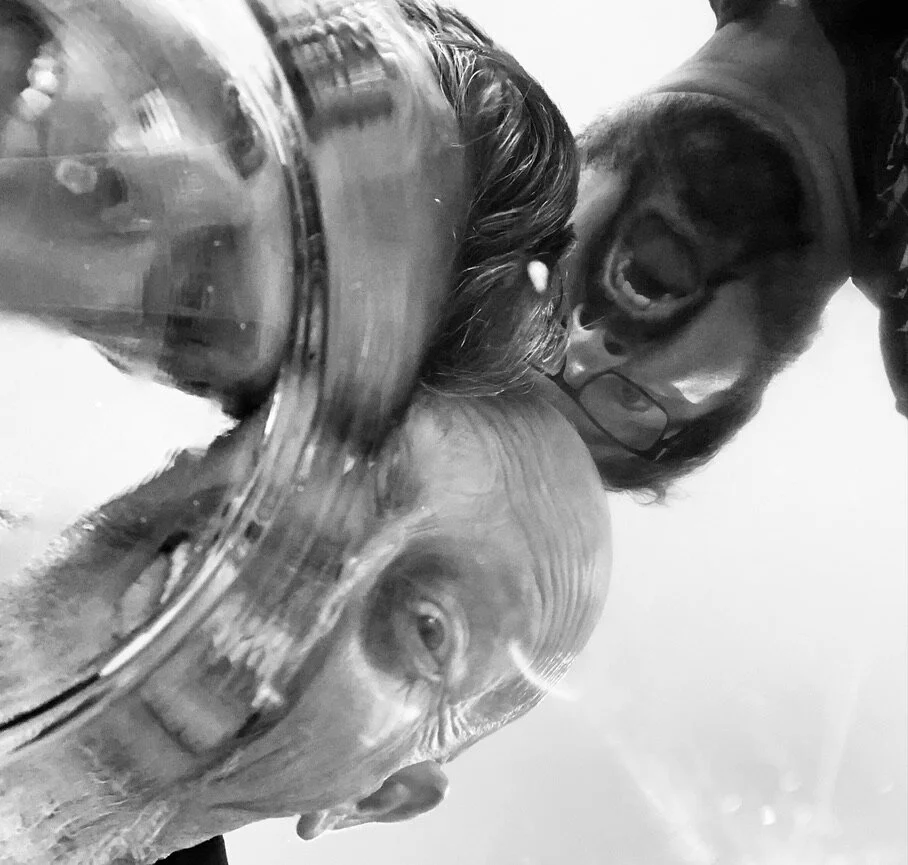
In the tiny nest of their own studio, “Kaola Studio,” 9 o’clock nasty recorded and produced Dry in a challenging, physically uncomfortable condition while having the time of their years. The rules are simple: the fittest survive. “We argue over the dining table. We wrestled naked over the length of a chorus,” they said. To get the right sonics, they crouch under the table with a microphone. As always, creative sparks burst out of confrontation.
“We all live for those moments when you can cut loose and be nasty. Be joyous and irresponsible. Well, that’s what we’re trying to express,” they said, “to ask someone to sing on your record and then make them wear a bucket on their head when they do it is one of the best things we’ve tried artistically. The bucket is now a permanent feature for the studio.”
Sometimes, when your ex has got a new lover and their newly whatever annoys the shit out of you, “Unspool My Heart” is your revenge to win back your heart. “We laughed out loud when we wrote it,” said 9 o’clock nasty, “consider the loves that got away and the idiots they ended up with. The one that took away your love. To be honest, they defeated you. You lost.
Now, find a playlist or a mixtape that you particularly associate with that lost love. Find it but pause there. Pause. Take a deep breath. Delete the fucking pile of shit and play this instead. Dance with joy. You won. It doesn't matter what anyone else may say. There is only one winner in the game of your life, and you are it.”
REVIEW & INTERVIEW: JULIENT “SOLO”
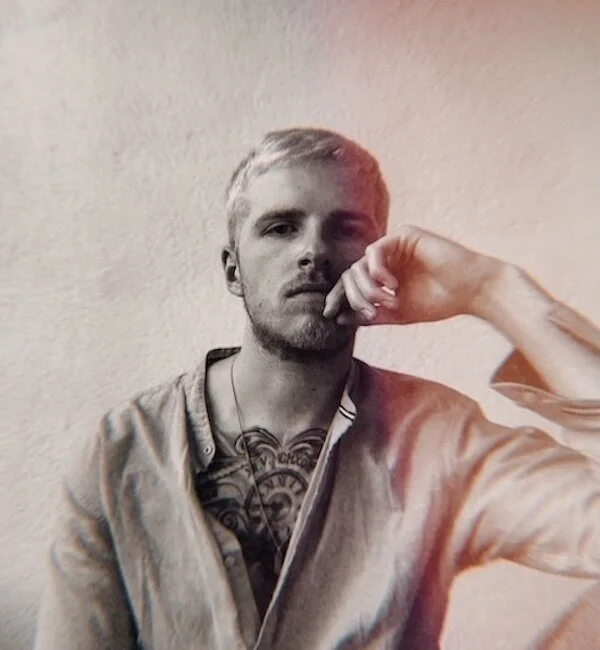
Under the stars, you looked back at the place used to define everything about who you are for the last time. You fastened the belt on your backpack and stepped into the unknown, determined. There’s no turning back. Walking through thorny roads and dangers in the dark, sometimes you don’t know if you’re on the right track or circling back to where you began. Under the deep blue canvas, guided by the stars. The pursuit of one’s true calling is a journey alone.
Naturally drawn to the creative field, Julient has experienced everything before finding his true calling in music. In 2017, he decided to study fashion design with a plan for the future in mind. “I had already noticed at the beginning of the study, I’m missing something,” he said. When he taught himself to produce music and started collaborating with other musicians, he realized he had been missing music. However, the journey in pursuit of his passion isn’t an easy one. Born in a non-artistic family, he is blazing a new trail all on his own.
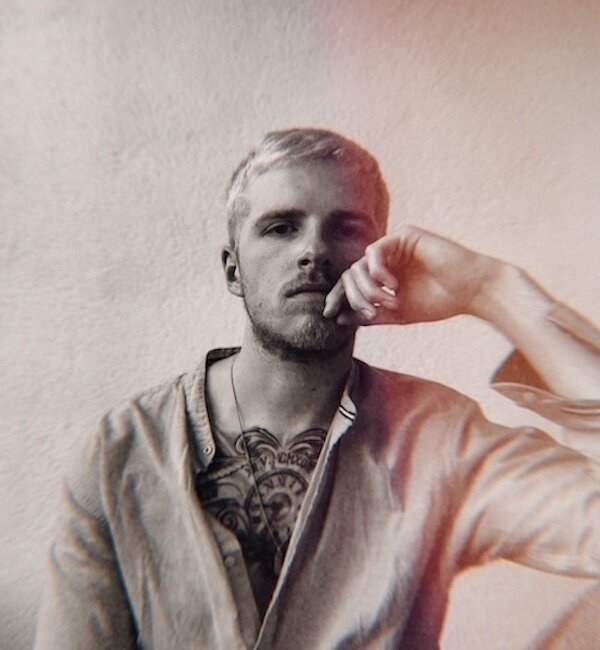
“I think my biggest challenge is myself,” Julient is bluntly honest about his own constraints, “I felt determined. At the same time, I was also afraid.” Narrated around his self-reflective soul-searching journey, “Solo” represents a collective experience of dream seekers. Although doubts and fear sometimes cloud their visions, they are determined and unstoppable. “Even if it's hard, he fights for something and does not want to be stopped,” said Julient.
In the immersive sound-bath, loneliness approaches, but the stars shine through the darkness, unnoticeably guiding the true north. The narrative of “Solo” evolves and transcends into an upbeat, empowering experience about courage and finding strength while maintaining its sensitivity. "I know no one could help me, but I have to go my way,” he said.
Follow Julient
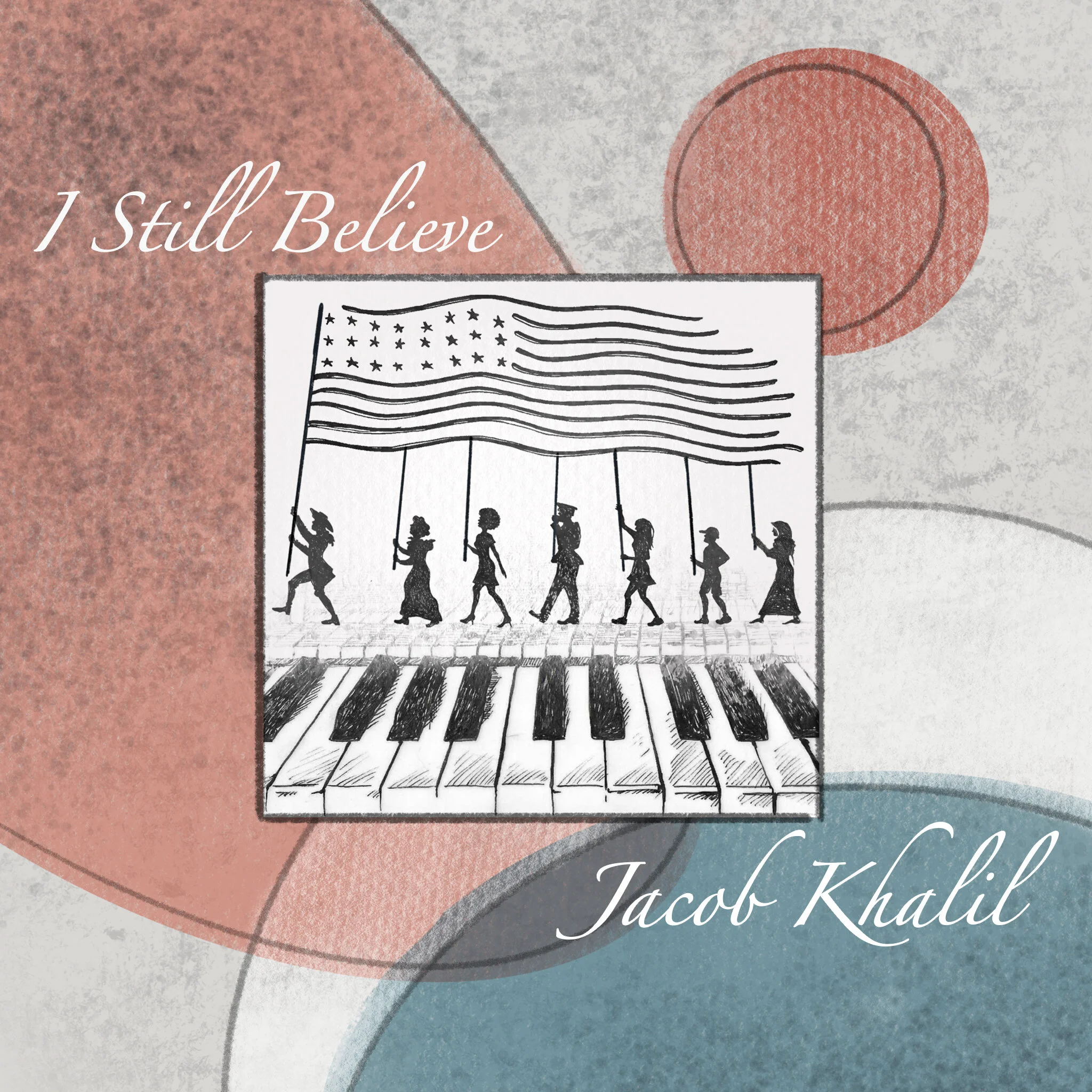
Review & interview: JACOB KHALIL “I STILL BELIEVE”
The history of revolution isn’t a pretty story. Through struggles, conflicts, and pains, we thrive for a brighter future. We evolve as a society as we protest, confront issues left unresolved from the past. In the past year, racial conflicts, political division, immigration, fearmongering, among other issues resurfaced the United States in its acute form, many have felt heartbroken.
Overlooking the Hudson River, where revolutionary war forts were once stationed, Jacob Khalil had an epiphany. “I thought about all that we are trying to accomplish as a country,” said Khalil, “I thought about my father who is an immigrant from the Middle East and the many struggles' people of different ethnicities, religions, lifestyles, skin colors have had to endure in a country that claims to be free,” he continued,
“The truth is that it’s taken a long time for everyone from every walk of life to feel free, but we have gotten to where we are because of an endless number of sacrifices by brave men and women who stood for what was promised in the constitution and insisted that it be applied to everyone. I think that’s a beautiful thing, and our ability to change as a country is what makes America what it is”

With the spark of a song to his country, Khalil rushed home and captured the idea with his piano, and later turned into an empowering anthem from the heart. As opposed to a political song, “I Still Believe” is a love letter to the United States and a reminder of the strength we have as a nation.
“I really do love America,” he said, “My father has always reminded me how lucky I am to live in a country where I can be whatever I want to be and do whatever I want to do. It’s not a perfect fairytale sort of place, but it is a place that was founded on the singular principle of ‘liberty and justice for all.’”
As a professional musician who makes his living making music, music has become an inseparable part of Jacob Khalil’s life. From an opera singer to a jazz pianist to a songwriter, he has found fulfillment in doing what he loves.
“Being a musician is...my life. The beauty of it all is that my music has been a refuge for others in ways that I wouldn’t have guessed,” said Khalil, “some people at various night-life venues I play in have told me through their tears that what I do is ‘sacred and ‘special.’ I find great joy in knowing that as a musician, what I do helps others to celebrate, mourn, be happy, fall in love, or basically just have the human experience.”
Follow Jacob Khalil
REVIEW & INTERVIEW: PHILLIP GOOD “LET ME IN, MY LADY”
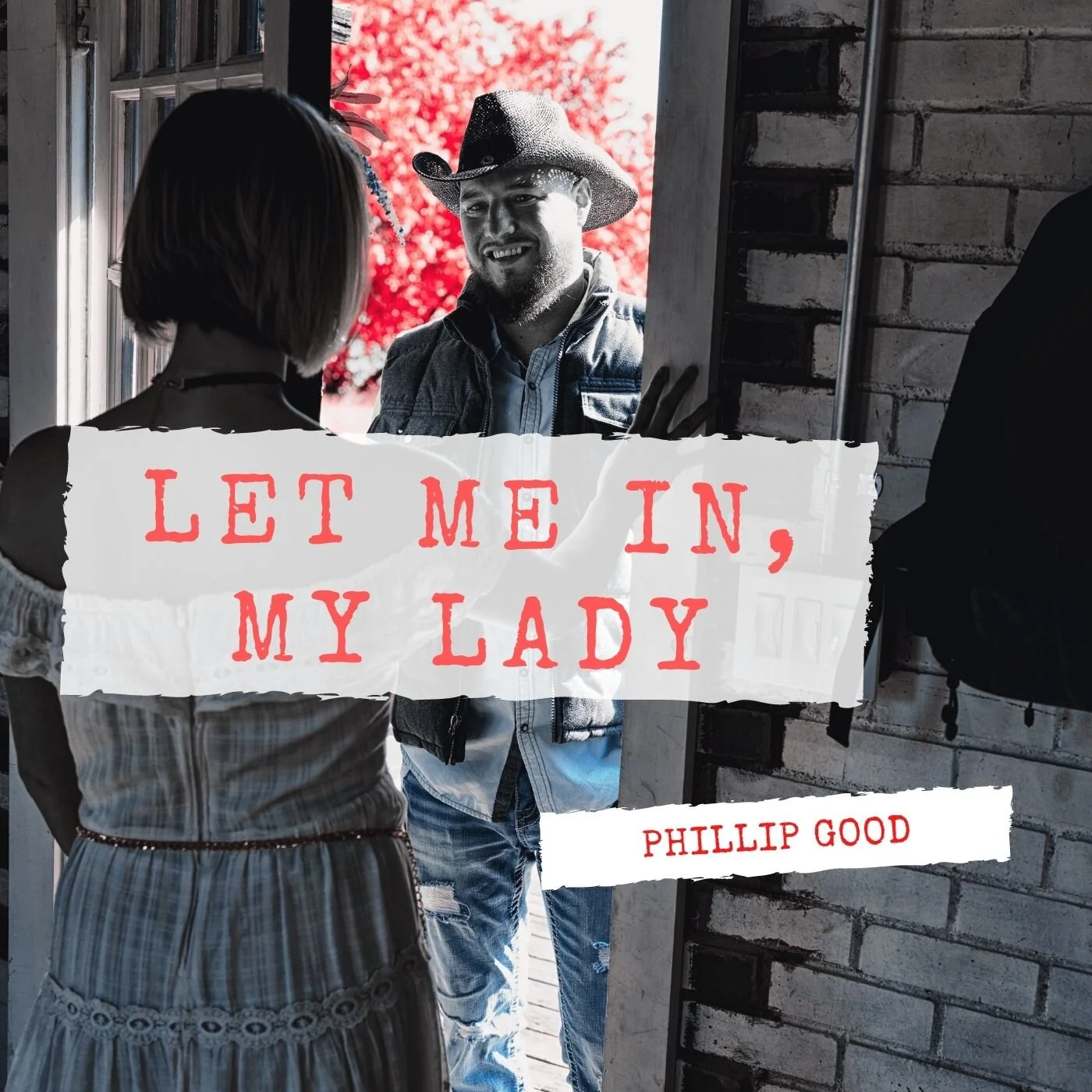
Once someone has quenched the flame, it’s hard to regain the trust. Fight or flight reflex constantly alerted; we hold on to ourselves, barely surviving from the pain. We carry the hurt to people who don’t deserve the treatment. We still believe in love, but we are on guard, hesitant, and terrified to get hurt.
Inspired by a conversation, “Let Me In, My Lady” shed light on past wounds and trust issues from the perspective of someone on the other side of the dating table. “I have run into so many women who feel less because of their previous boyfriends,” Phillip Good commented, “I want women, in general, to know it’s nothing they did wrong. Let me in, and let me treat you like a lady.”
In his warm, inviting, alluring voice, Phillip Good sends a positive message to women with a heartfelt reminder of romance in “Let Me In, My Lady.” Regardless of the bad experiences, there are good people to share a wonderful journey, growing, healing, and having a good time. Only when we open our hearts and welcome new experiences will we begin to create good, healthy memories and relationships.
Inspired by his seven-year-old daughter, who has a special music talent, Phillip Good self-taught singing, quitted his career, moved to a different state, and dedicated his every effort to music. “I know she's watching and listening and learning from me, so it’s super important to give it my all,” he said, “I just hope she sees my dedication and hard work, and she takes it farther than I could ever; imagine.”
As a firm believer in the law of attraction, he addresses social issues with a positive outlook, always inspiring changes and hope. “I focus on the lyrics and the feeling of the beat,” said Good, “All my songs would have a meaning and a purpose to help others or help others in similar situations. My dream is to be heard.”
Audiences around the world have well received the message in Phillip Good’s songs. Over the course, people have reached out to him about how his music has transformed their lives in positive directions. His dedication and good intention have attracted a large group of followers. For the next song he’s releasing with his daughter, they have already received 12k pre-save and over millions of views on Instagram and Tik Tok.
Follow Philip Good
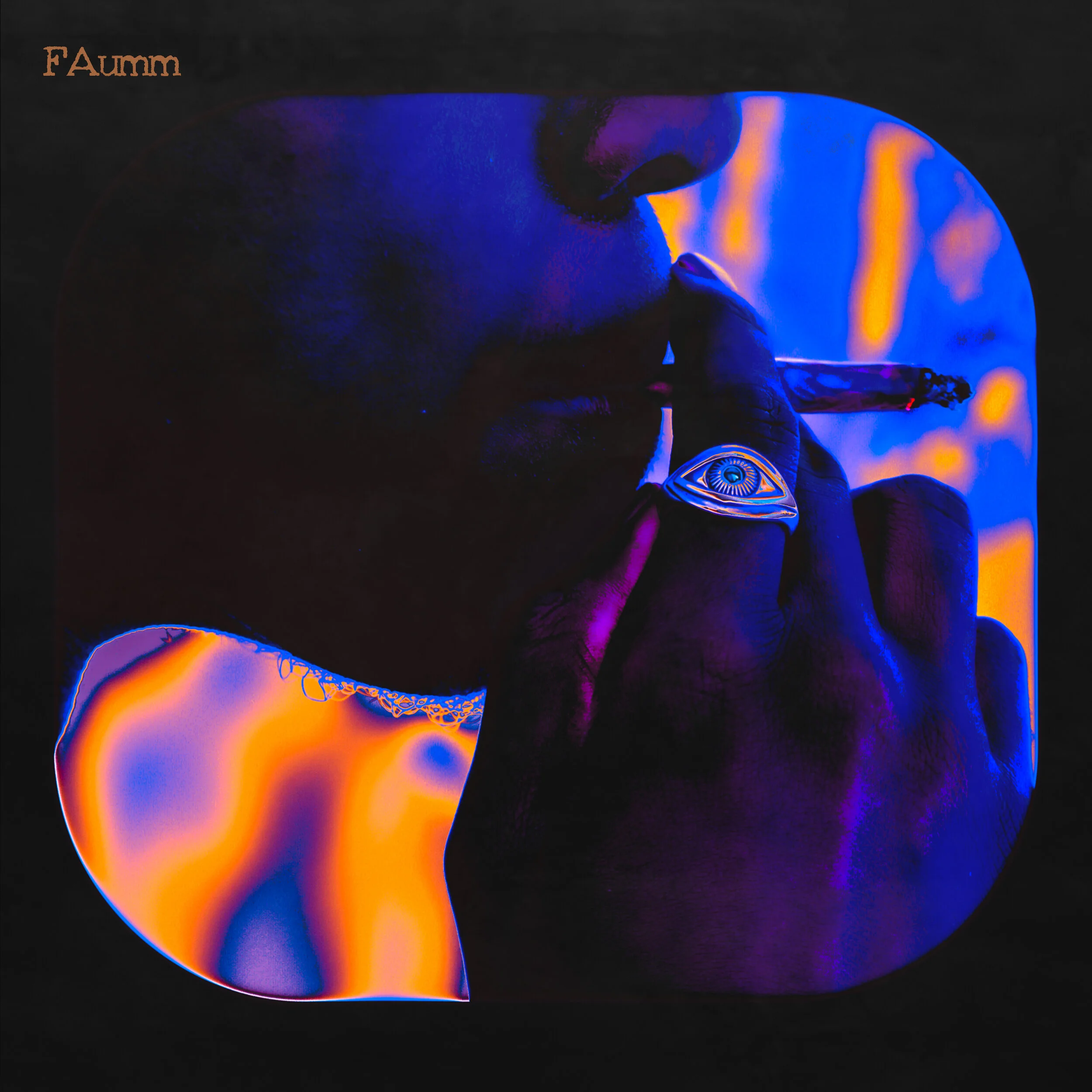
REVIEW & INTERVIEW: KAHNIN “FAUMM”
Edgy, narcotic, evocative, “FAumm” is a fascination and an obsession. Brash beats whip the dancefloor; the track instantly takes you back to the best of 80s’ rock n roll scene wrapped up in the memory of psychedelic dance parties. Produced by Kahnin, “FAumm” is mixed by Grammy winner Philip Larsen (Katy Perry, Kylie Minogue, B 52´s) and mastered by Cassian Irvine (Björk, Gary Numan).
“The 80s were a bit of a blur for me,” said Kahnin, “A lot of clubbing and excess substance abuse all around. I lived in NYC at that time, so our stomping grounds were places like Danceterias, The Ritz, Limelight, and Webster Hall.”
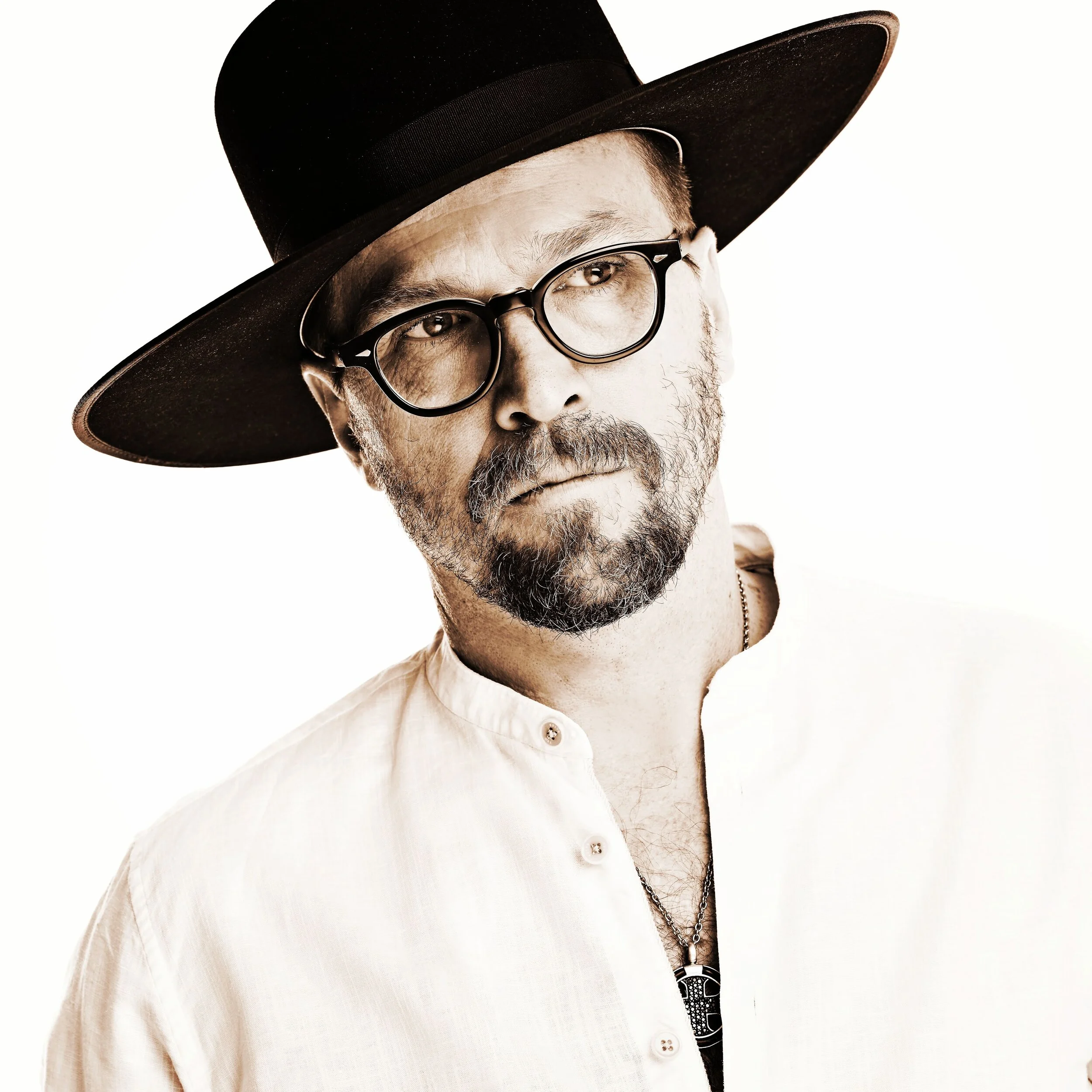
“The 80s for me was a musical transition,” Kahnin added, “I personally loathed the primitive synth sounds of the 80s, but a whole lot of good music was to be found as well. Especially in the early 80s. Human League, Berlin, Eurythmics, FGT Hollywood, The Cure... and some monster albums as well, Thriller, Synchronicity, Let´s dance...”
Inspired by the repetition of “fa” in Talking Heads’ “Psycho Killer” and David Bowie’s “Fashion” -- “FAumm is a made-up word that holds the meaning of a joint in this song,” said Kahnin.
“FAumm is what makes you feel the music,” he continued, “whatever helps you escape from the day to day, whatever gets you to connect with the bump and grind on the dancefloor. FAumm can be anything you want it to be.”
REVIEW & INTERVIEW: OH, THE LUMENS ‘PARADE’
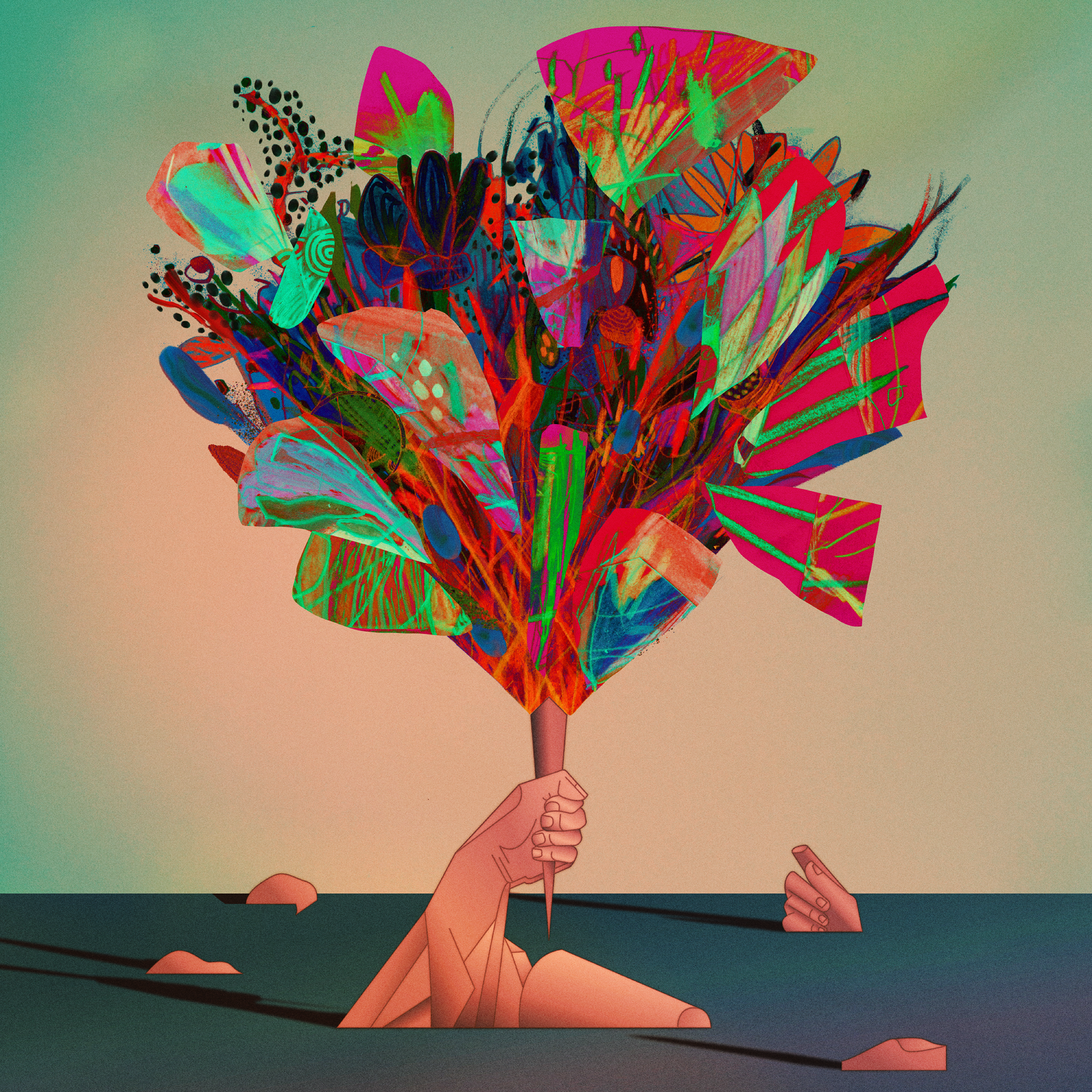
“Just as flowers in a bouquet or floats in a parade, it’s a sprawling and organic collection, but there’s still a musical narrative that holds the different tracks together,” said Péter of Oh, the Lumens.
Parade marks a glorious comeback for the Oh, the Lumens duo after many years of inactivity. Quirky, vibrant musical doodles came to life in the evolving dance beat while the flamboyant background dipping in colors and shapes. Sometimes it gets goofy and lost in the motion, and just when you get comfortable, it surprises you with a crafty dance move.
Sometimes it takes you to a twisted world of post-rock, and sometimes you find yourself floating in space, surrounded by stars. Sometimes it takes you to a tropical “Favorite Island.” Suddenly, the friendly smiles, foreign dance groove, and refreshing weather are all that you could care about. It has emotions and moody, reflective moments. In a spacious environment, “Jets Again” is where emotions run wild in the wind.
Photo Credit: Daniel Greenfeld
As an escape from the boredom during covid-19 isolation, Parade is a vivid, sprawling, and hypnotic. “I love the variety, the many details, and layers. Our sense of humor shines through much of the music,” Péter commented. “I’m also delighted and sometimes surprised by the level of detail we managed to achieve in the record,” Rikard commented.
Parade by Oh, the Lumens is a fearless initiation of intuitive music-making inspired by a technique they invented seven years ago. Running Ableton on two laptops in the same room, working on two songs simultaneously. They would set up a timer and switch, adding an interesting twist and unexpected development to each other’s draft. Working remotely on Parade follows the same core idea, although they have to use Dropbox as the middleman. Instead of criticizing, they encourage bold ideas and fun attempts. “It was liberating,” Péter commented, “frankly, we were surprised and overwhelmed. We were also overjoyed by how much music we were making.”
Bounded over the mutual love for At the Drive-in, Jamiroquai, and Radiohead in high school, they have collaborated on numerous projects until a creative stagnation. They stayed friends throughout the years, intending to make something together once again. "It's been a very fearless and vulnerable experience where I’ve been contributing by not thinking what sounds right, but rather what feels right and knowing that my musical co-writing partner, Péter, will embrace whatever I send him,” said Rikard. “The experience of making an album together means a lot to us. We really want to keep going with this new project of ours,” said Péter.
Follow Oh, the Lumens

REVIEW & INTERVIEW: CRIM “WHEN SUMMER ENDS”
In the submerged guitar arpeggio, “When Summer Ends” starts with a subtle reflection at a crossroad. Like the moments you’re looking at planes taking off at an airport, contemplating on the past, and waiting for the call to a new destination. “Growing, dreaming. It seems like I fall apart every week,” is the honest statement at a time of change.
“At the time of writing, I was definitely more on the side of the fence about my childhood ending. It was just swallowing me whole as if I couldn’t escape the thought of it,” said Crim, “It was a weird time personally for me because I was faced with overwhelming excitement where I felt what I’d been waiting for years was just around the corner. Still, I was also conflicting with anxiety about the fact that this would be the end of my childhood,” he continued, “This summer would essentially be my last, and the rest wouldn’t be the same.”

Revolves around the time of graduation, “When Summer Ends” perfectly captured the conflictive feelings every newly graduate encounters when years of going to school finally come to an end, adulthood is about to start. Excited for a new beginning yet anxious and uncertain about the life ahead.
“Can everything just please come to a standstill? There’s somebody who’s caught beneath the landfill.” The chorus comes to an intensive emotional release, highlighting the overwhelming emotional struggle with change. The familiar, the innocence, and the happy memories are coming to an end.
After this summer, things will never be the same. Whether we want to or not, we constantly say goodbye to the past and embrace the future as part of growing up. “When Summer Ends” honors the feeling sometimes we bury under a brave smile. “Watch the boy that I was slowly fade into dust; I don’t ever want this summer to end.” The rest of the hook speaks the heart of many people.
“When Summer Ends” is a song about ending and transformation. With the future ahead, Crim is planning to travel, meeting and collaborating with musicians overseas.
Follow Crim:
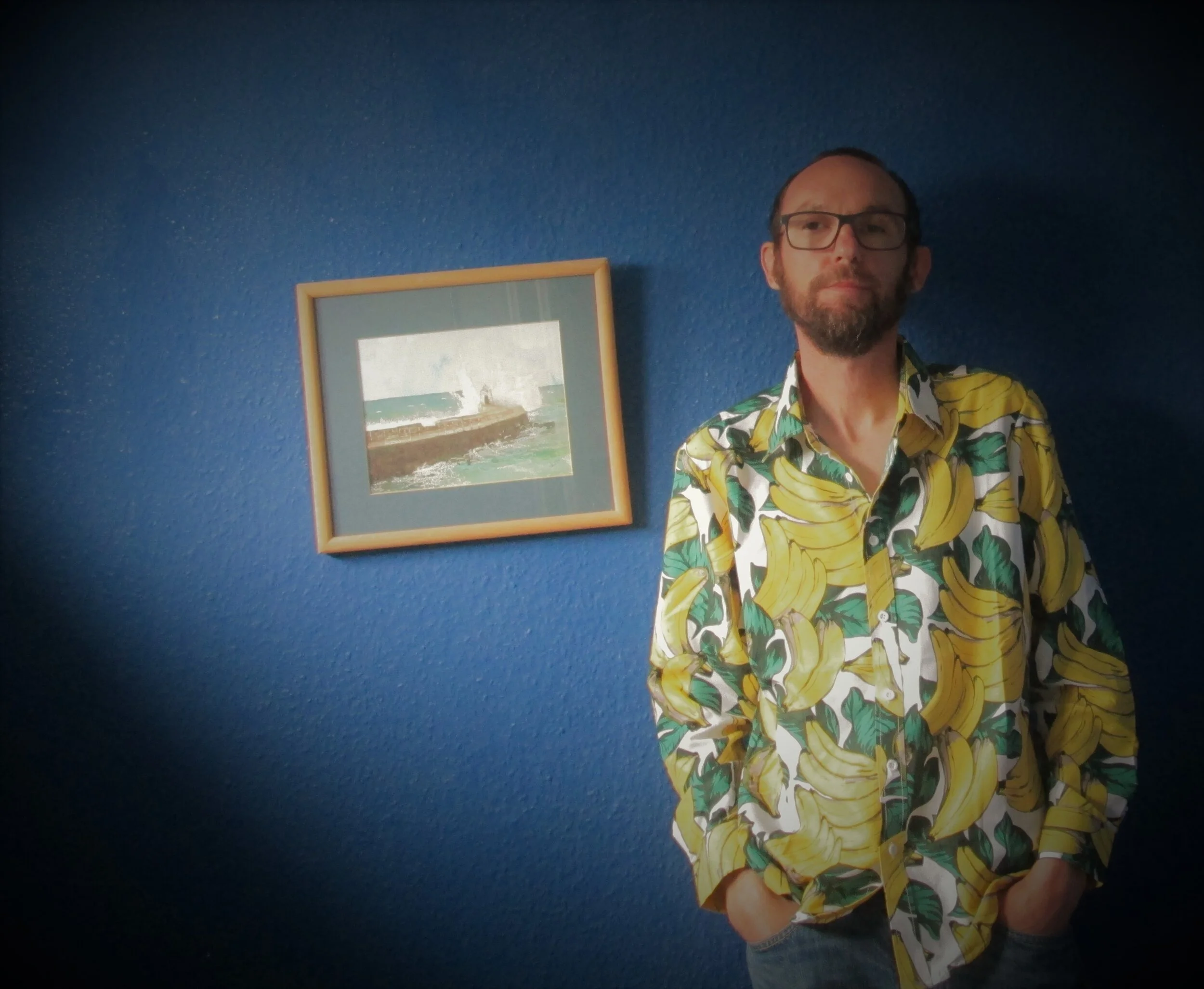
REVIEW & INTERVIEW: MIKE GALE ‘TWIN SPIRIT’
Up on his 9th solo album, Mile Gale decided to approach songwriting differently from the traditional guitar-driven style. Inspired by instrumental hip-hop, Twin Spirit introduced an untouchable, bizarre color palette with new vocabulary and quirkiness. It marked Gale’s breakthrough from a traditional sound plateau to an initiative, new adventure.
As prolific as he is, Gale has never suffered from creative block. “To be honest I don't know if it's even a real thing,” he commented. From one sample he was naturally drawn to, to another, adding melodies and vocals, “It was very much an exercise in trusting my instincts and not overthinking anything,” he said, “It definitely unlocked a whole new way of writing songs for me. There are no real limits to what I can do now or what sounds, instruments I can have on my songs.”
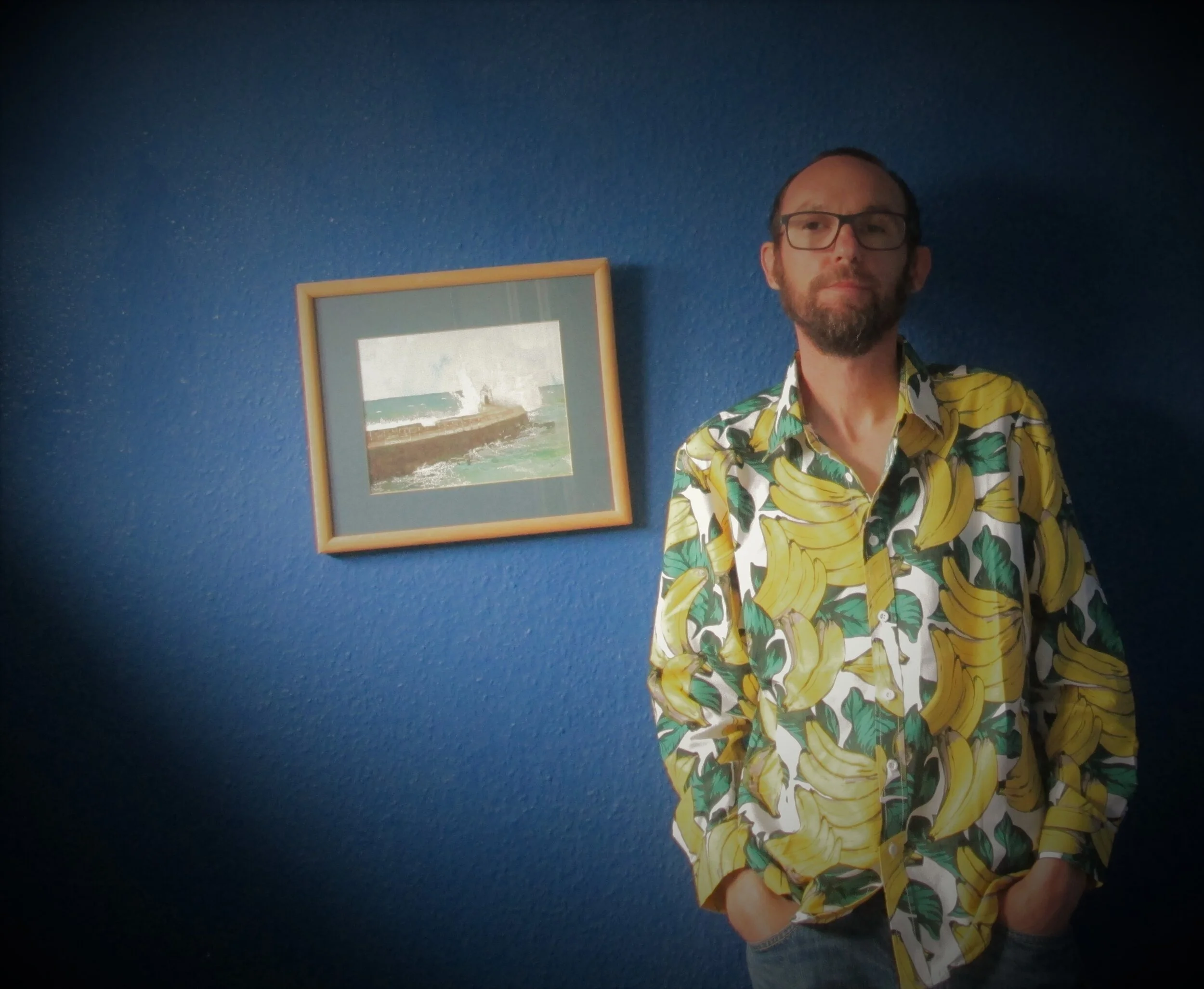
Although each song is its own universe, the album has a throughout, distinct stylistic character and energy of a fiction world we enter in our dreamland – a place familiar and foreign, yet we yearn for returning. It is nostalgic as if we have been there before, but it doesn’t exist outside the memory of our dream itself.
“Don’t Mind the Weather” is the quirky album-opener to this strange world with robotic sound effects and imitation of a player piano, reminding of the bar in Westworld.
“Twin Spirit” steps into the world of a vintage music box, dancing as the snow falls on our shoulders. Yet the bizarre, modern lo-fi, hip-hop-infused soundscape is the reflection from the edges of a snow globe. Just like Gale’s music, the imaginative world can be anything we want it to be. There’s no real limit.
Twin Spirit concludes with a melancholy, lullaby-like “Don’t Mind the Devil” under the moonlight, with its reflective, introversive waves.

REVIEW & INTERVIEW: OLI MORRIS “BIMAL”
“Bimal” has a Lo-fi introspective dreamlike quality thrown in the storytelling of jazz. From a recording Oli Morris documented during his trip in India, “Bimal” opens up a conversation about isolation and unity while capturing the essence of an enlightened, transformative journey.
Traveling to India has been Oli Morris’ dream for years. Before the global pandemic hit in March 2020, Morris was able to hop on a solo trip, heading to a different continent. Haven’t ever traveled alone to a foreign land on this scale, it was a little nerve-wracking, but his trip turned out to be transformative in the company of unforgettable encounters. Bimal is a naad yoga teacher, and a musician Morris and his friend met in Arrambol, Goa. Bimal is a spirited man with a big heart who is passionate about his beliefs and full of wisdom. “What struck us straight away was that he is a very charismatic spirit,” Morris said, “he would teach us how music in Sanskrit differs from how it’s taught in western culture and how to think differently about rhythm using techniques; such as Konnakol.”
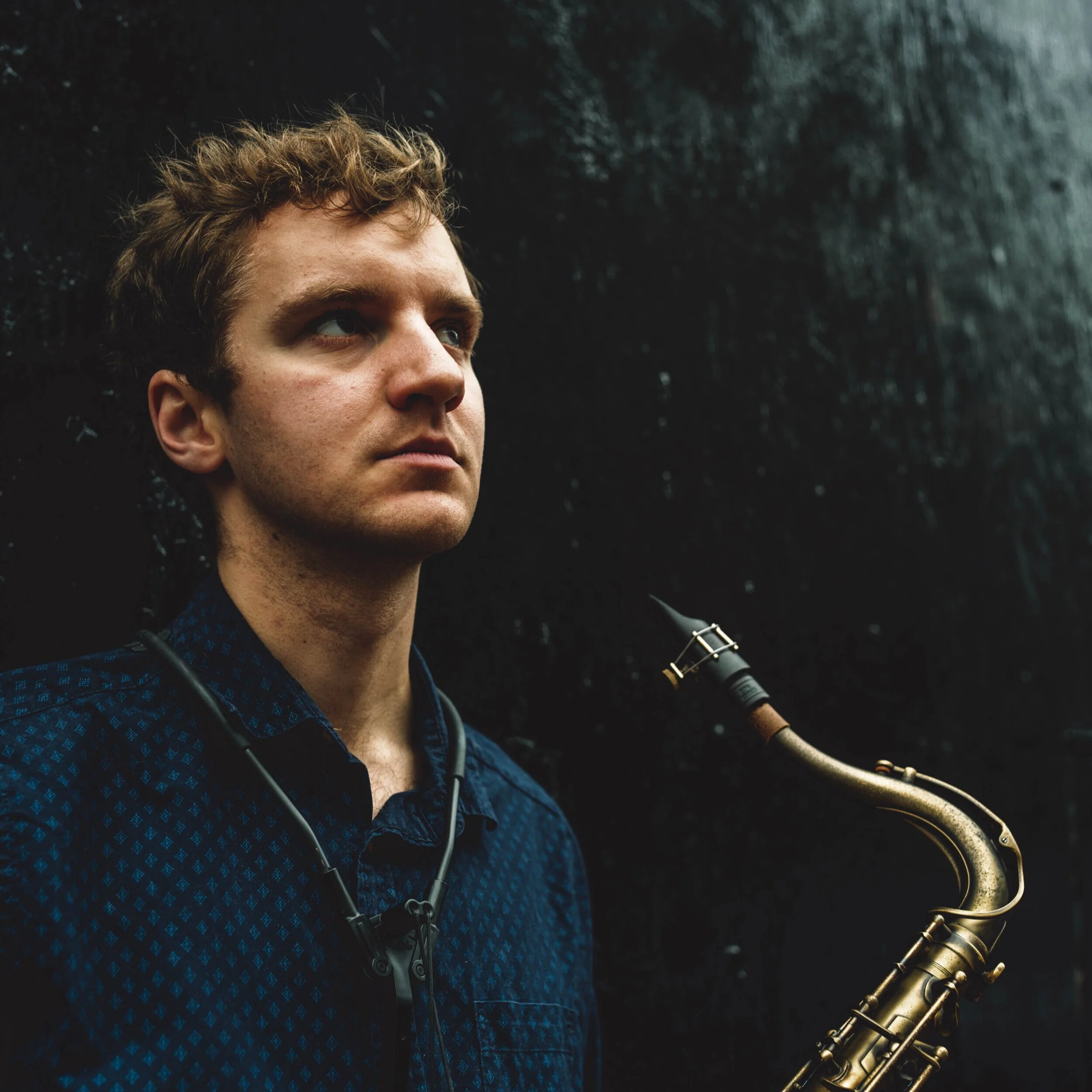
Photo credit: Sam Gould
The beginning of “Bimal” is a voice memo from one of Bimal’s lessons. When Morris confessed his anxiety with trust and traveling alone, Bimal gave him a piece of advice that he carries to this day. “He reassured me that all these things were extraneous. Focusing on the positive things, even with small acts, are more intrinsic for a compelling and unforgettable journey,” said Morris. Throughout all the lessons Bimal has given, positivity and unity are the constant themes.
“I felt it was relevant for a few reasons,” Morris explained why he chose the particular clip to start the tune, “False media from the press is at an all-time high right now, and as a by-product of that, a lot of fearmongering going around trying to represent the times that we live in,” he continued, “it heavily perpetuates this negative image it’s so easy to ingrain that narrative in everyday life. We live in a highly divisive time now, and all this does is try to make us turn against each other instead of trying to form connections with other people.”
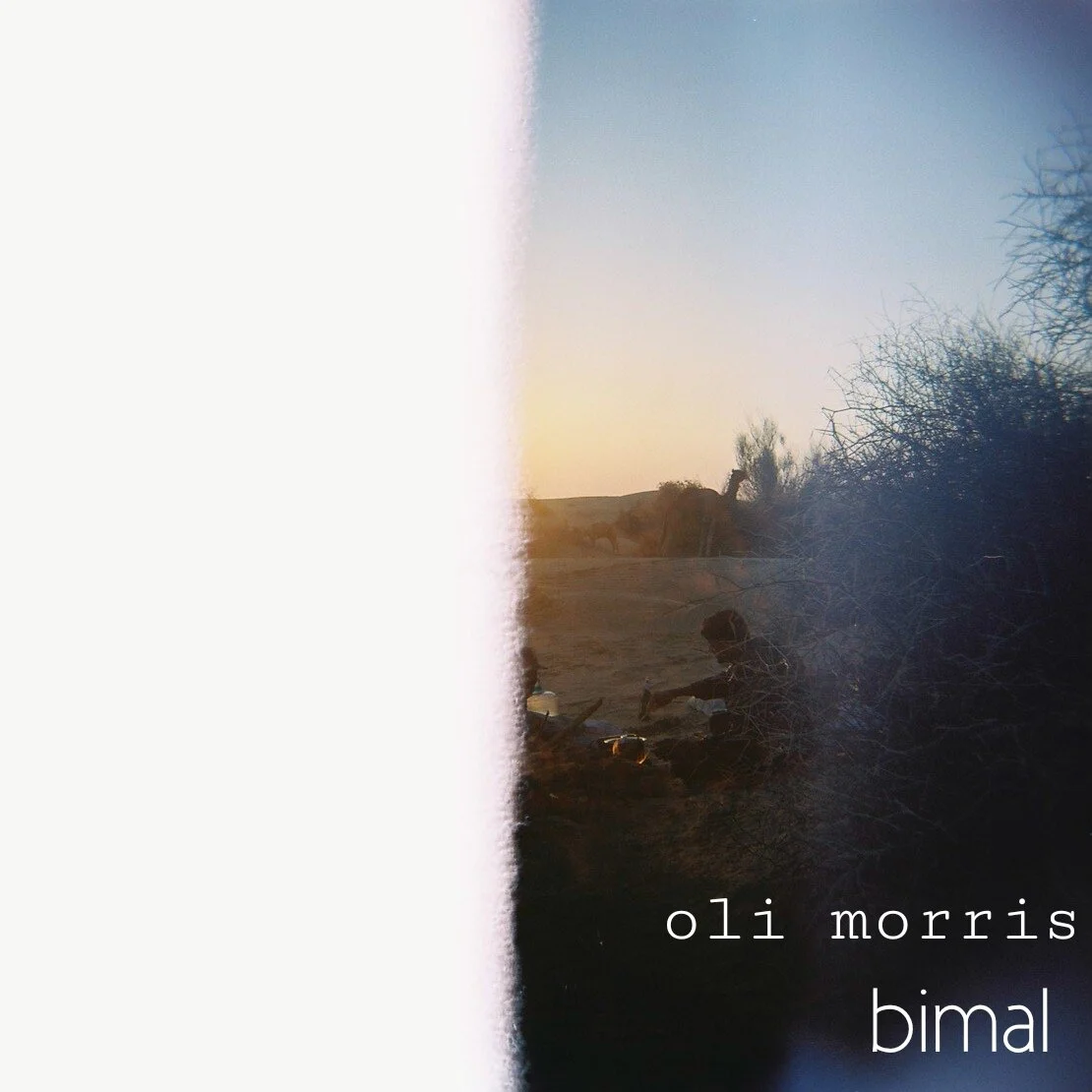
In remembrance of his trip to India and conversation with the current world, Olis Morris brought “Bimal” to life with vocalist, lyricist Chrissie Huntley, who beautifully captured the messages. “I loved the way she used the ‘waves’ metaphor Bimal was talking about to arc my shift in perspective,” Morris commented.
“Jazz is freedom. It aims to challenge preconceptions or beliefs we thought we had, opening up conversations about what makes us human,” said Morris, “Music acts as a vessel where I can express what I wouldn’t normally be able to talk about in a face-to-face conversation. It enables me to tell this story more concisely and creatively.”
Follow Oli Morris:

REVIEW & INTERVIEW: GYATS0 “JOY”
“‘Joy’ was intended to express the line between overwhelming sadness and irresistible euphoria. It’s that feeling where you start crying, and you don’t know why and all you can literally think in your head is that life is beautiful and terrible and overwhelming. It’s anxious, the song itself is anxious. It’s waiting for something magical and nostalgic and comforting but knowing it’s so unlikely to show up that day. or that week or that year. Life is so hard to predict. for me, times, when I feel content and happy, are rare and hard to see coming, and when they do come it’s never for any real reason. It’s always the smallest most insignificant seeming things that remind me how much I value life and how beautiful it is.” Gyats0
The story of “Joy” started with Exoskeleton. The sonic project revolves around the life journey of a cicada. When Gyats0 visited Des Moines, Iowa every year in August, he would listen to the sound of cicadas falling asleep with his window open. The loud cries eventually died out when summer ends, and all that left was their exoskeletons. Gyats0 was fascinated by the poetic ideas behind the life of cicadas: “They spend most of the years and their lives dormant in the ground, basically dead. Then they emerge for three or so glorious weeks and give this electricity to the whole month of August,” he said, “Nobody exists outside of cycles. I want the album to feel like an open window, where the dreams and nightmares and thoughts drift in and out. I hope to give people comfort and provoke questions with my music.”
Like Exoskeleton, Gyats0’s music usually starts with a poetic idea or a cinematic vision. “I am a poet at heart and I just have found music to be the most honest and specific way I have of delivering my words,” he commented. From the sketch of each idea into a poem, he witnesses it evolves and leads to another idea, then it eventually becomes gigantic. “I want my albums to feel cinematic and dreamlike, psychedelic at times too, a ride you are on and see all the way through to the end. I try to start conceptually,” he said, “I try to put together a sonic scrapbook of sounds and do mockup mixes for the drum sounds. I’ll create effect chains for my guitar with the next song in mind already, knowing I want to push the limits of a distorted sound because the next song will be bright, clean, and hollow.”
Although the sound of “Joy” is rooted in dream pop, it’s hard to ignore an evocative nostalgic flavor mixed with rigidness in its attitude. Influenced by his rocker father, Gyats0 grew up in rock n roll music imprinted into his subconscious mind. Metal and classic rock was his introduction to music. As soon as he learned three chords on a guitar, he would start messing around making up songs in the same style. Grunge made a comeback in his late teens. This time, he dived deeper into its aesthetics and essence, which became fundamental to Gyats0’s sound.

Photo credit: Misha Davydov
“In the same way Cobain used to play out of tune or use vocal takes where his voice cracked. I was inspired by that rawness. The feel of the drums, the effects on the guitars are all intended to be the most honest to lyrics and sometimes perfect execution doesn’t make sense depending on what you want to convey,” he said, “sometimes you have to get drunk and sad and bang on your guitar, recording it that night instead of the next morning. That was the coolest thing about a band like Nirvana, in my opinion.”
Gyats0 isn’t interested in staying in the past. Inspired by those before us, his vision lies in the present and the future – the embrace of modern sound design, pop culture with the comeback of guitar-driven music, and an honest, rigid attitude. “All the people I look up to spoke in the conversation of music and had something to say – something that changed the way people thought about music,” he said, “I want to bring back honesty about the state of things in pop music. We don’t need more escapism. We as a society and as a world need truth. I want to inspire a new beat generation, fierce and passionate in their search for truth, fighting against systems, living freely.”
Follow Gyats0
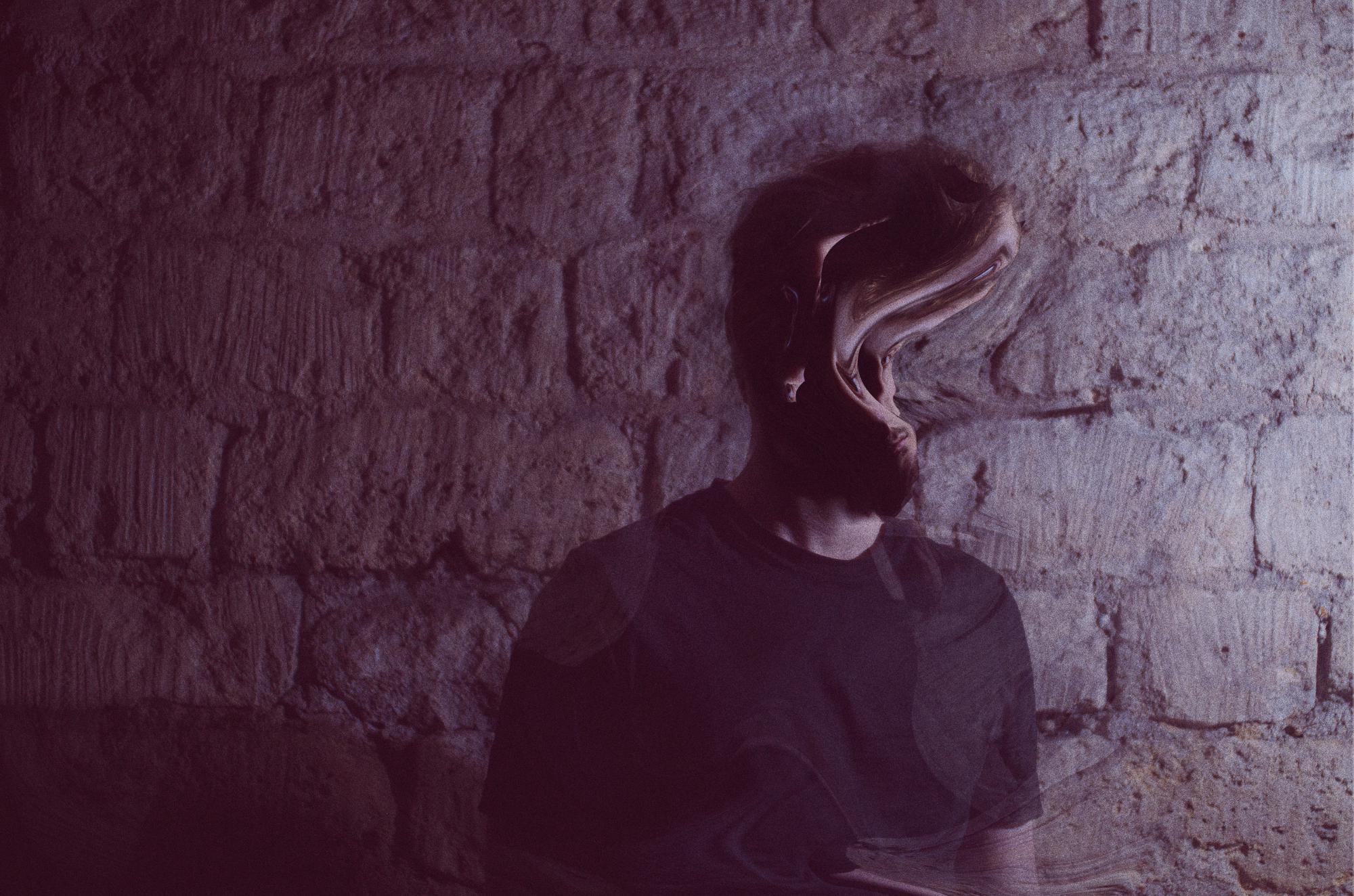
REVIEW & INTERVIEW: MADDRIGAL ‘ESSENCE/LACK THEREOF...’
“Sembrance” revolves around the resolution of a conflict with one’s identity. As we constantly interact with space, environment, and people, our identity becomes interchangeable. Although the nature of fluidity holds all the answers, our desire to have a definite answer sometimes can throw us off the track. “It’s a track on accepting that there is not really a moment when I am my true self. I always navigate between being myself as an individual and the need for others’ approval which I think tends to erase people’s differences to be accepted,” said Maddrigal, “for a song, it is quite unstable but remains close to the electronic music that we know.”
Do we know the answer to who I am? Maybe the question itself means more than a wordy response. “I prefer to leave the question hanging,” he said, “I think we can find answers about ourselves by listening to music. Songs can make us feel certain emotions, and by experiencing them, we can learn more about ourselves.”
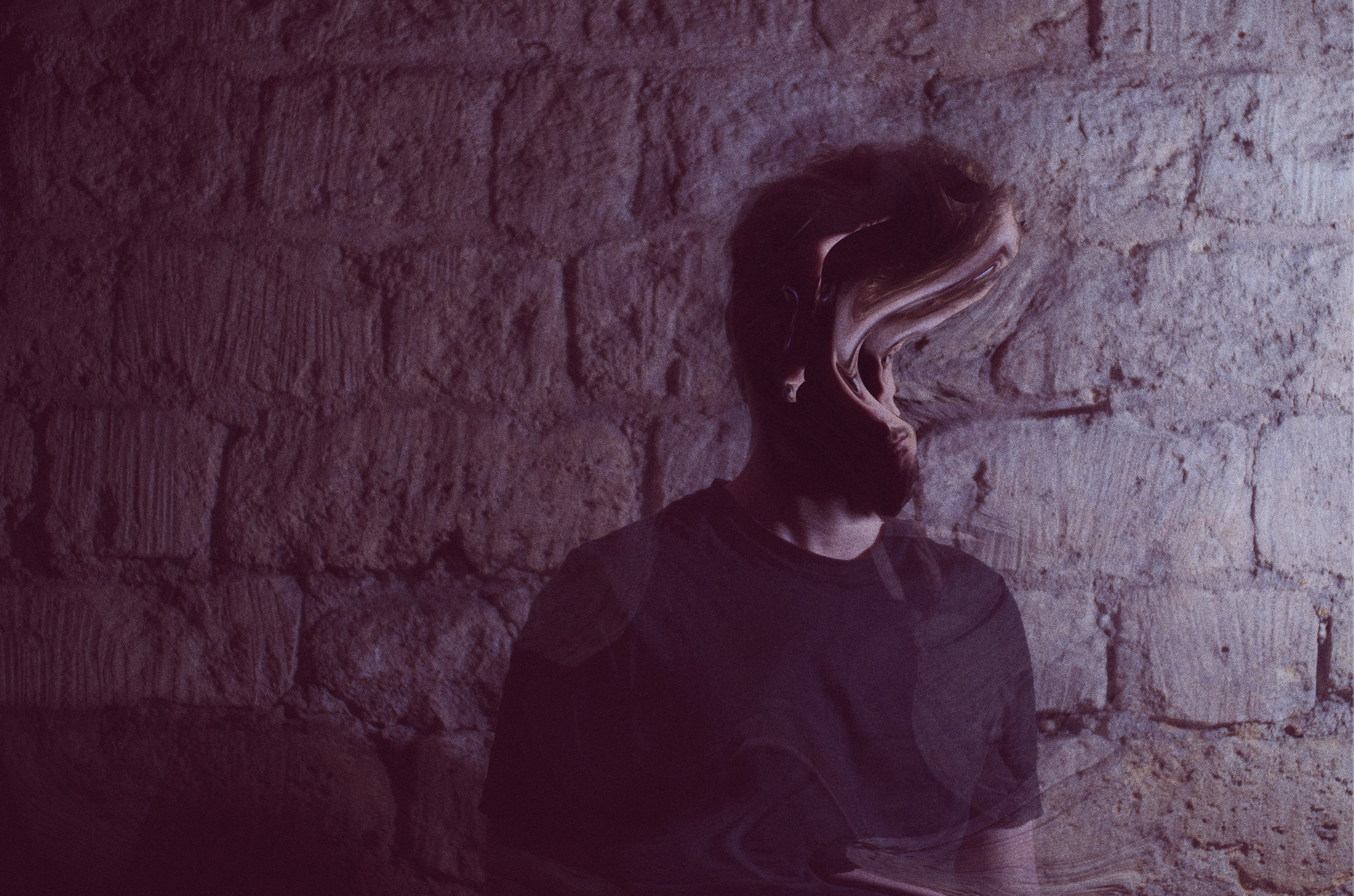
Art making is a spontaneous process for Maddrigal. A spur-of-the-moment idea could often turn into a meaningful project. “I try to create worlds in which the songs can evolve,” he commented, “I imagine my music as a movie scene where I’m just capturing a moment.”
Essence/Lack Thereof... is built upon collecting the surrounding sounds, from the noise we don’t normally notice but constantly exist around us to the voice of relatives, purring of a cat. Through experimentation and creative rearrangements, an identical world emerged from the one we are familiar with.
“I want the listeners to enter a meditative state. To let go of control. You can listen carefully and discover new sounds from each listening. Still, you can also listen to it as a whole without any particular focus,” said Maddrigal, “you have to accept and let yourself go in the flow. I put a lot of details, and at the same time, there are melodic loops that repeat for a long. Each song is like an abstract painting in which you see what you want.”
The listening experience of Essence/Lack Thereof... is a stimulated and engaging one. Like a kaleidoscope, in the countless interactions and interferences of reflection, what’s real is in all.
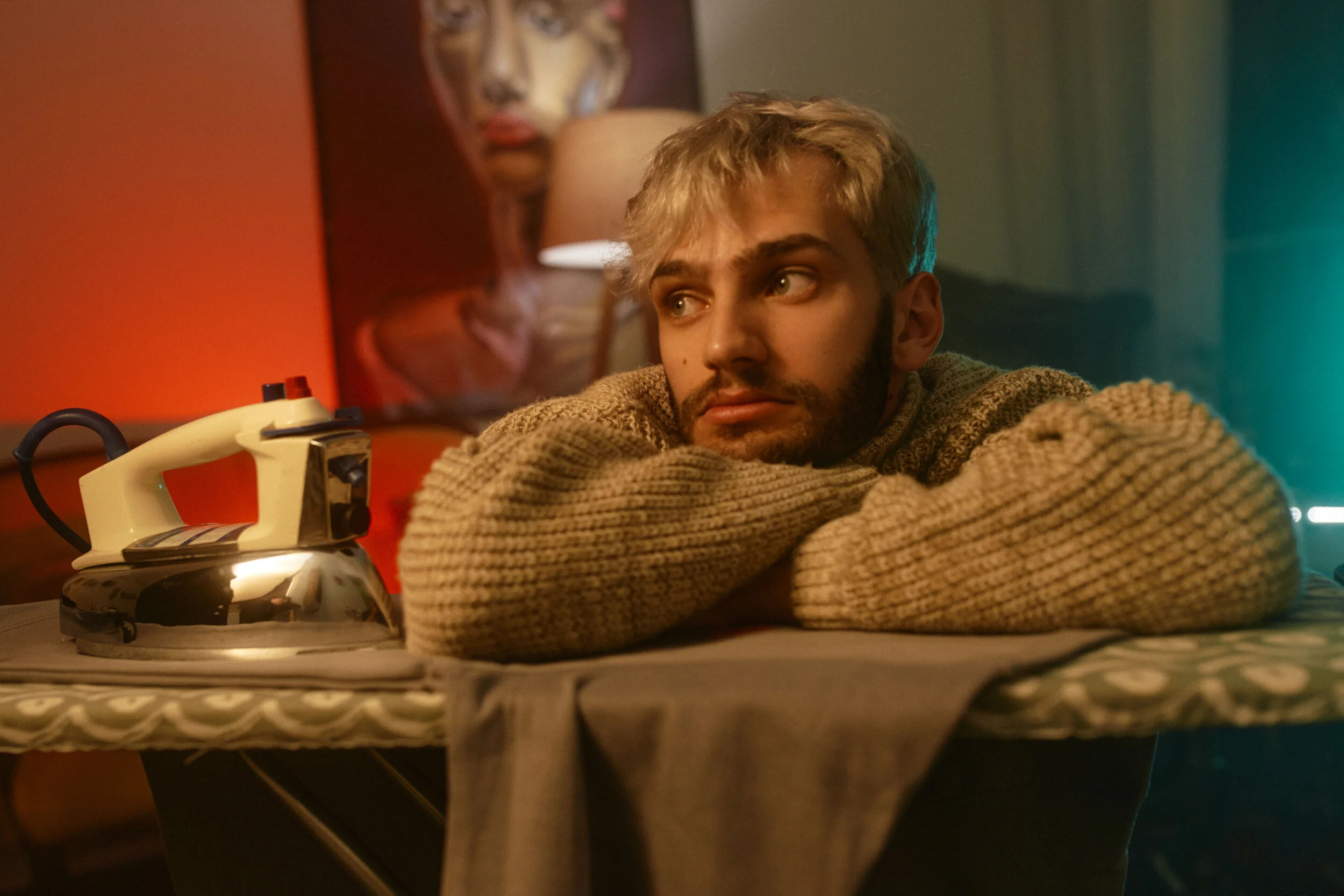
REVIEW & INTERVIEW: ADAR ALFANDARI “WONDER”

There is a mysterious, intuitive connection between music and Adar Alfandari. If you listen closely to “Wonder,” you’ll start to hear the fine line between an artist and his music blurs into disappearance as if they have become one. Between nothing, there is everything. “Wonder,” in its tender, colorful spirit, exists naturally yet holds something sacred in our physical world. Immeasurable like trees, flowers, nature, and the universe, it touches your soul in the most significant yet insignificant way. “Wonder” goes beyond the sound we hear.
The story started when the 9-year-old Adar Alfandari first picked up a guitar; a destined path began to unfold. He was falling in love with the feeling and soon became known for his brilliant guitar playing at a young age. At the age of 12, he formed a local rock band, later known as Don Hamabul. By the time Alfandari was 13, he has already been playing in bars and festivals. From local to national, to the season 5 reality TV show “The Voice Israel,” the path of music has only taken him further.
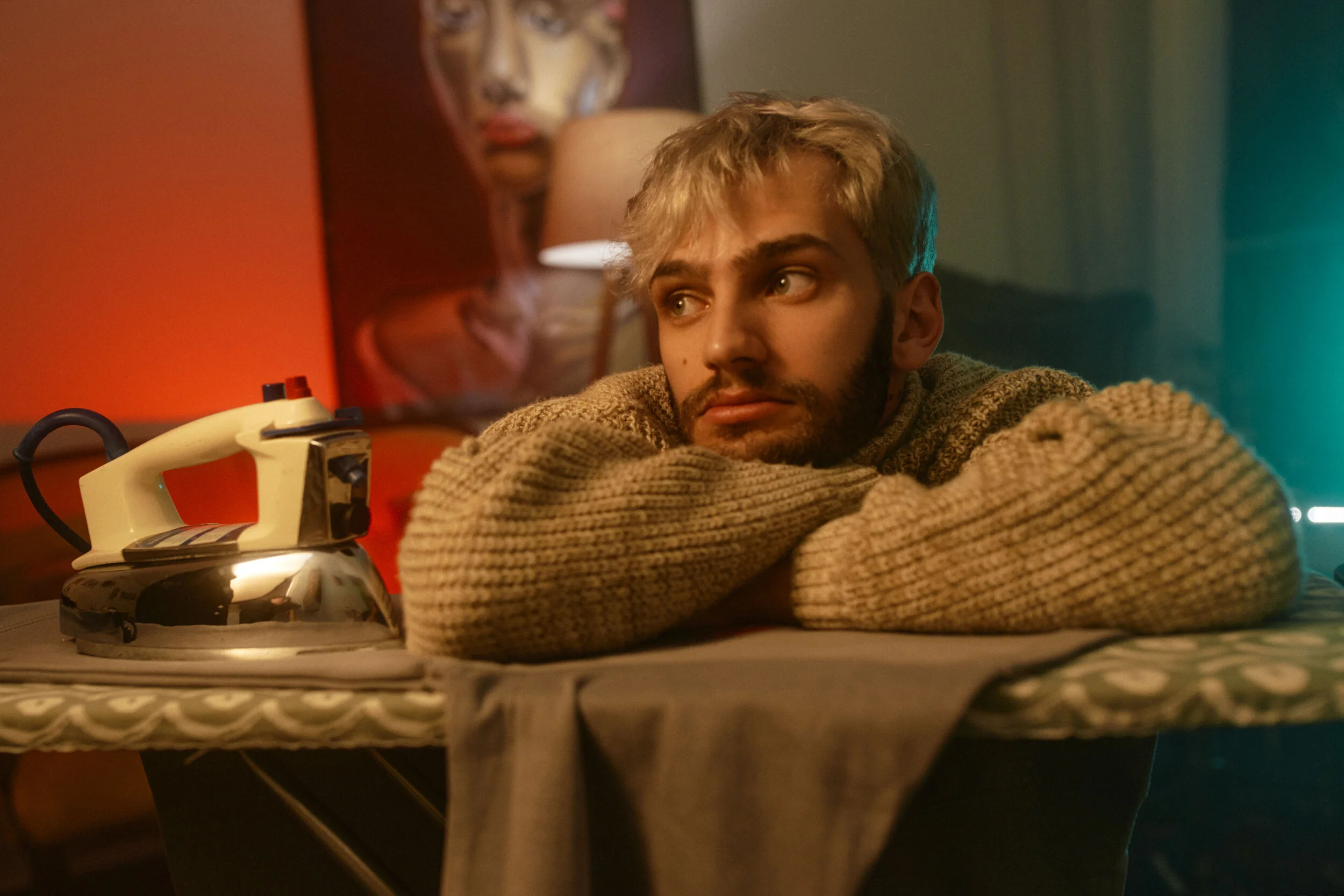
Adar Alfandari started writing when he was 15. Musical ideas flow past him and leave their ink on the paper. Melody comes out of nowhere spontaneously. He then captures it and brings it to life. Alfandari finds his inspiration from everywhere and everything. “Sometimes certain words and metaphors inspire me to write something around them,” he commented, “I really love metaphors and getting lost in a colorful way while keeping a connection to the story or what I try to say and explain.”
His color palettes are like musical sponges that absorb sounds and styles despite cultures and genres. When the Irish singer-songwriter Hozier released the track “Movement” in 2018, Alfandari was blown away by the diversity and movement and the range of its melody, which reflected in the sound of “Wonder.” His fingerstyle guitar and opening tunning are rooted in his early fascination with The Tallest Man On Earth, combined with his love for Dan Auerbach’s solo projects (lead singer/guitarist of The Black Keys) and The Arc. Alfandari is also drawn to the unique, open-minded production of local Israeli musicians including Eyyatar Banai and Riff Cohen, which left a hint in previous single "כלום לא השתנה.”
As Alfandari described, “Wonder” is the “love song” in his forthcoming solo debut project Gold Dust, collecting early and recently written songs with cross-genre influences from folk, indie rock, indie pop, alternative rock with experimental flavors. The album will also include two short instrumental interludes and a few songs in Hebrew.
Follow Adar Alfandari
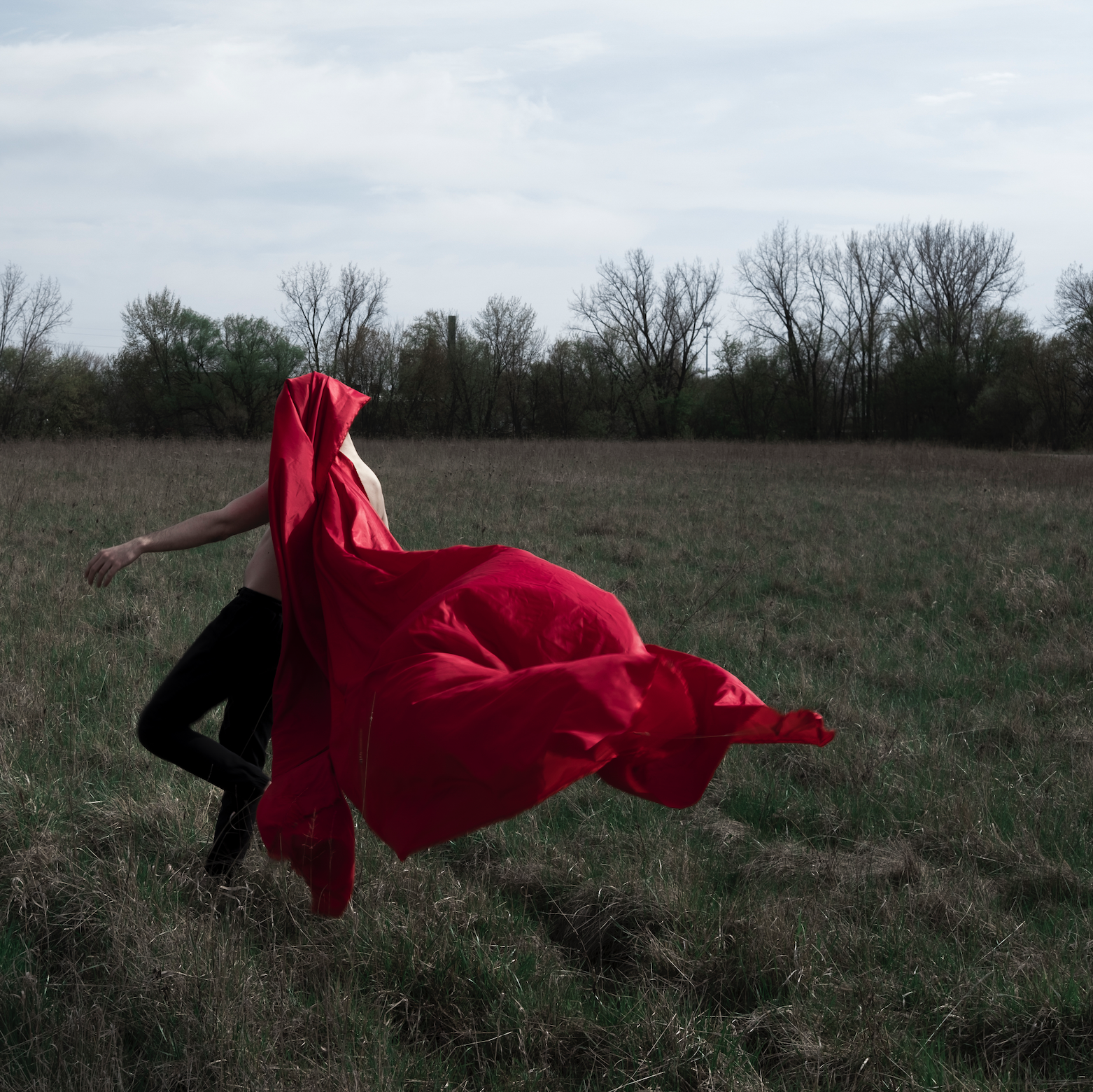
REVIEW & INTERVIEW: DAWNING “ENNUI”
Why do I feel this way? What does this experience tell me about myself? What does being happy really mean? Do my negative thoughts and emotions mean there’s something wrong with me? In answering these questions, Dawning started to separate himself from negative experiences and thought patterns and gradually began to see the good in life.
Like a breath of fresh air on a mountain top, “Ennui” is about realizing the simplicity of happiness and seeing the colors for the first time after years lingering in grey. Although the fight has not ended, the intensity of struggles hides in the shadow, waiting to attack in a moment of weakness, we can always celebrate the fun and happiness in life.
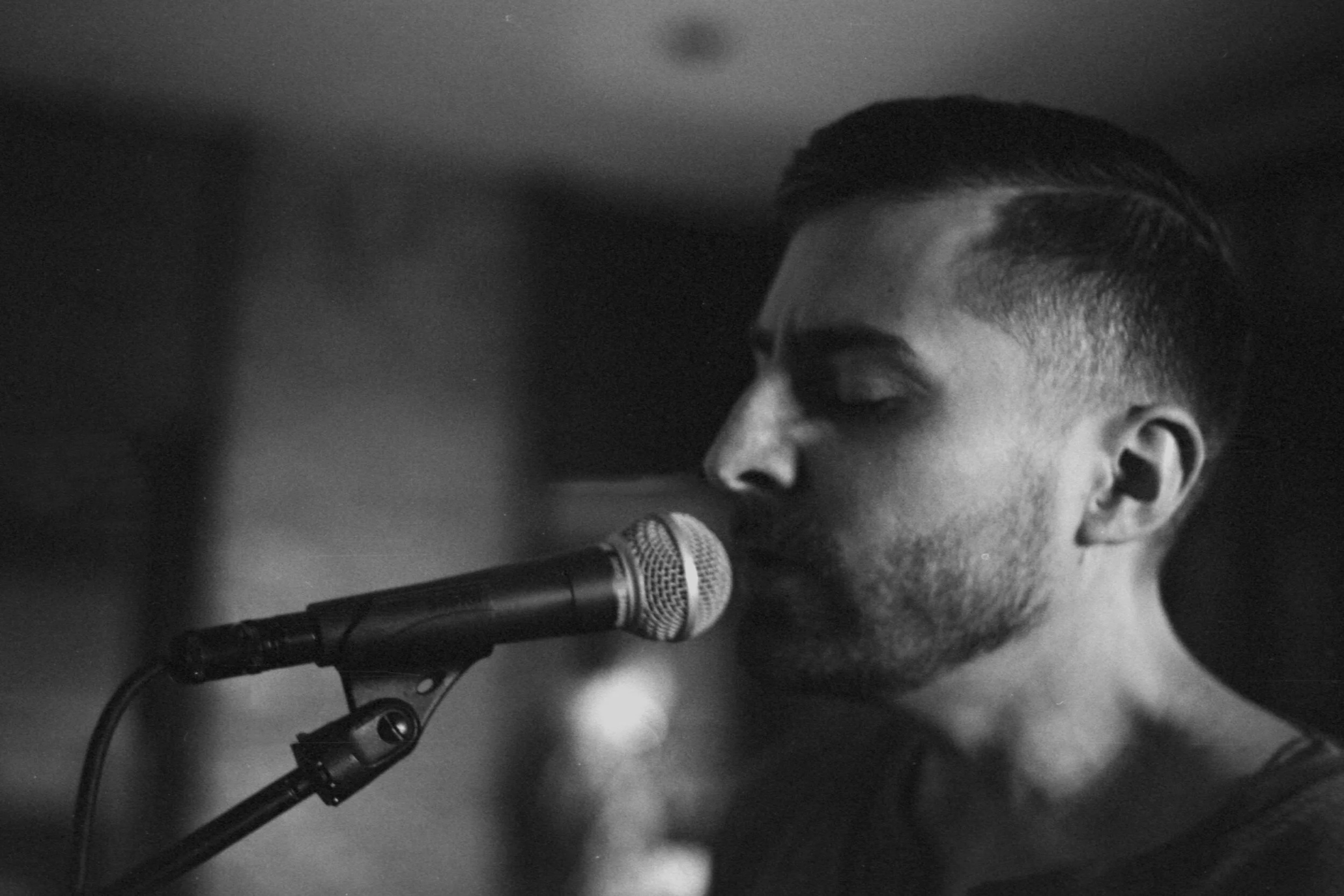
Just as many of his best song ideas, “Ennui” happened at work. Dawning couldn’t get the melody, and eventually, it became what we hear today. “In addressing myself in the chorus, there’s something of a dialogue between who I’ve been mentally and who I’m becoming. The ‘you’ in the chorus, oddly enough, is me,” said Dawning, “Ennui is all about the experience, not just of change, but metamorphosis, and a fundamental shift in perspective I’ve had after starting to see a therapist.”
After years of struggling with depression and suicidal tendency, lockdown and isolation had finally pushed Dawning over the bridge to get help. When the dream of doing what he wants without social obligations and restriction while being paid by the government finally came to a realization during covid, Dawning found himself being more depressed than ever, leaning towards alcoholism and futility.
“I realized, it wasn’t my job, or social obligations, or being poor that kept me from being who I wanted to be, doing what I wanted to do, and feeling good about life. It was me; my perspective was keeping me from what I needed as an individual, and while of course, external circumstances play a role. I realized I had unresolved issues internally that were holding me back more than anything else and impacting me every single day,” said Dawning. He made the first step to see a therapist, which has fundamentally shifted his life.
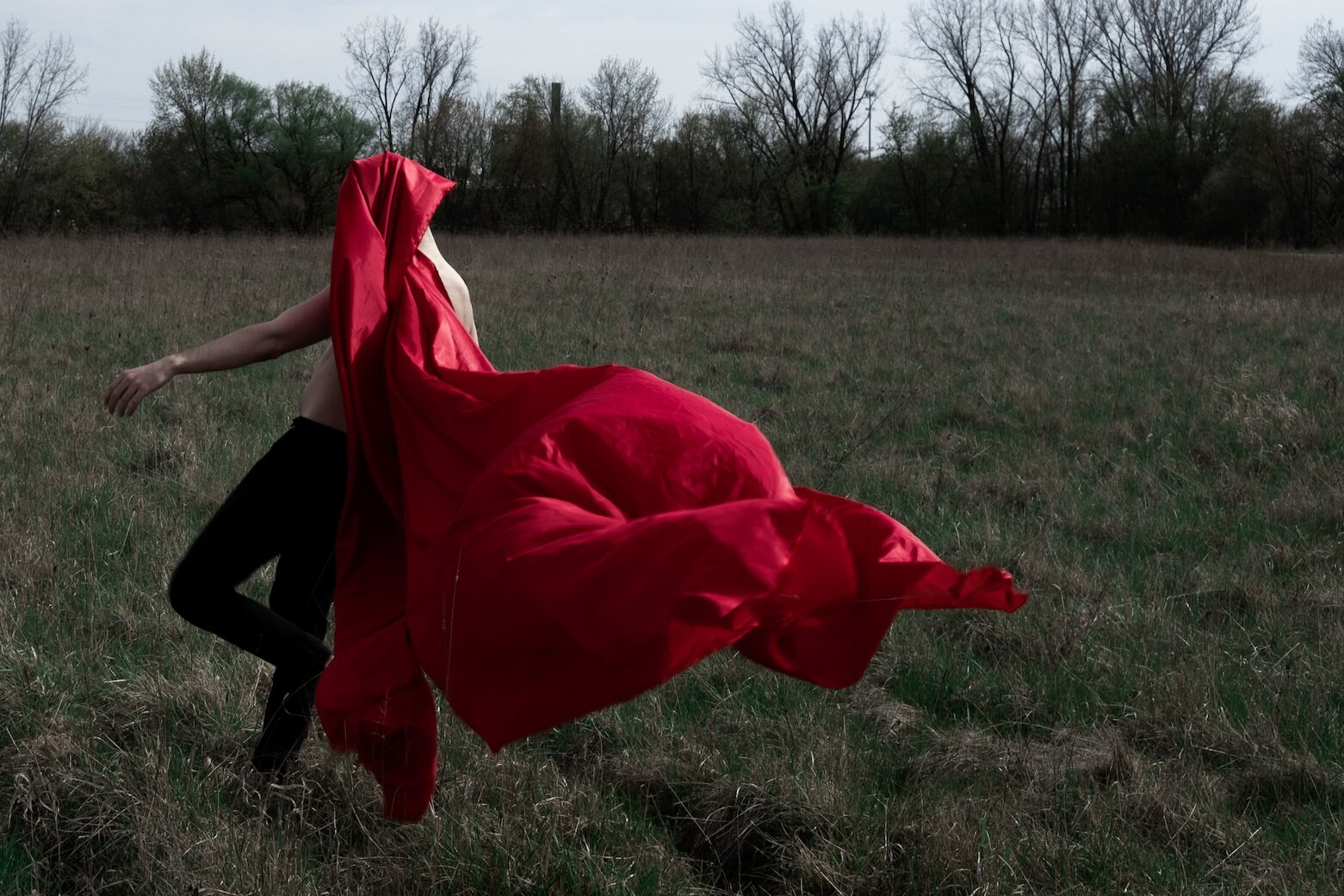
When we shift from the mindset of losing control to being in control, the overwhelmingness of negative thoughts seems more manageable. From being a passenger in life, Dawning started to be more attentive. “Before I had felt very separated from life, very alienated from experiencing or feeling things,” he commented, “as opposed to letting nothing pass a wall, I’m more in touch with my emotions. I feel closer to my friends, my loved ones, and what I’m doing in the present moment. I’m more passionate about my passions, and I’m more in love with what I love.”
Of course, therapy isn't a magical cure. The fight with our inner demons is a tough and constant one, but it doesn’t have to be a journey alone. Sometimes, a helping hand and a listening ear are all it takes to heal. “Understanding can be found, and something can most definitely be done if you struggle with depression and suicidal thoughts. There’s always hope, which is fundamentally what Ennui is about,” he said.
Connect to DAWNING
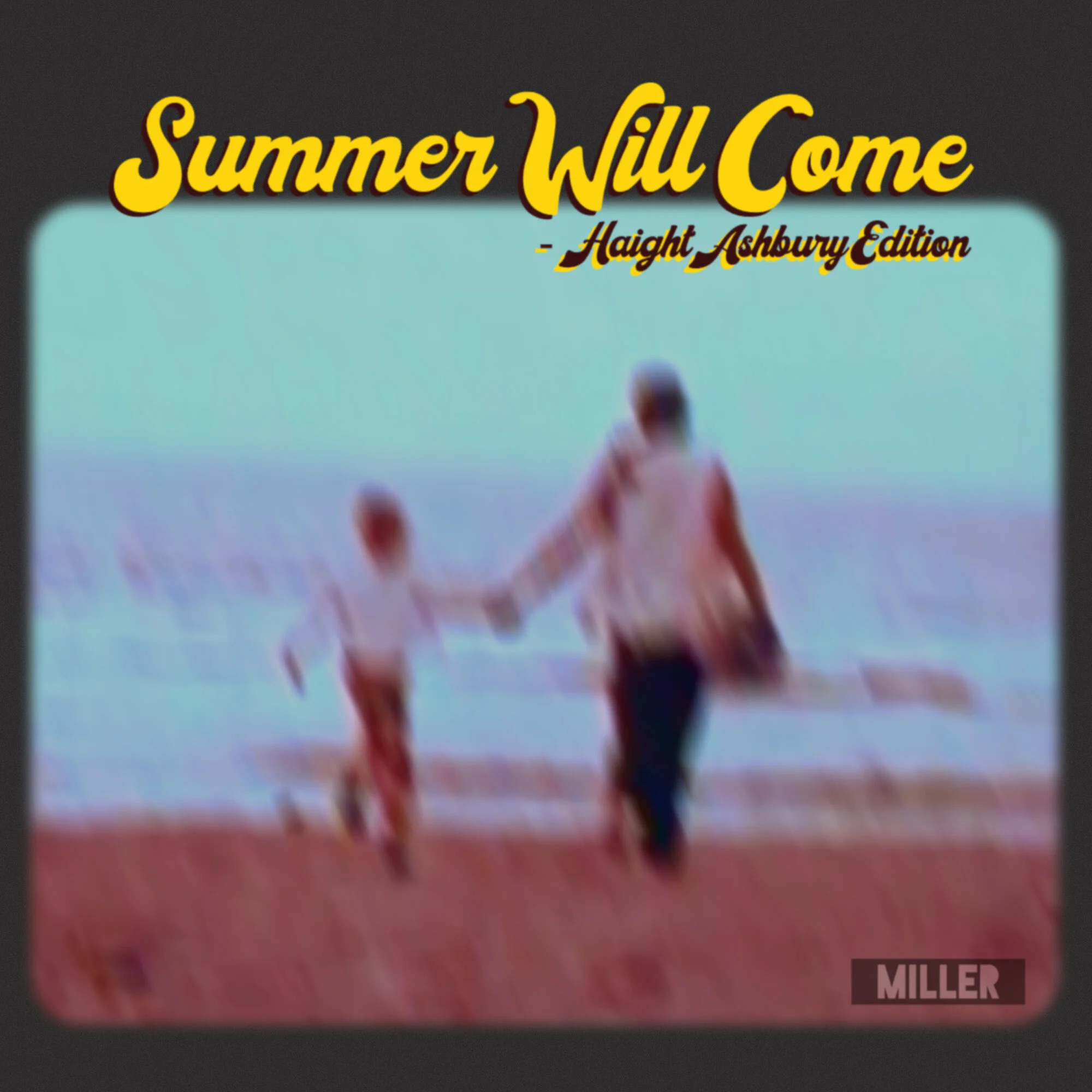
ARTIST PROFILE: MILLER “SUMMER WILL COME - HAIGHT ASHBURY EDITION”
“Summer Will Come” was written during the darkest time in life. Misfortunes never come singly. When Miller’s injured right hand didn’t heal for months, his musical life seemed over when the band parted ways as his body was getting weaker and weaker. Trapped in a dead-end job, and it kept raining during the best time of the year. Life was at a crossroads, deemed for a change; however, to understand something clearly, at last, one must go through the tunnel of darkness.
Dwelling on hopelessness, loneliness, pain, and the rain, Miller curled into the back of his studio. “Although I thought my musical career was over, I started playing guitar again, and the lyrics just happened,” he said, “they somehow described my situation at that moment: ‘things are not getting better...’ but I quickly realized there was a deeper, more extensive message in all that.” At that moment, words turned into lyrics: “I found something that has a deeper and universal meaning.”
Even in darkness, the light will eventually come, just as every frozen winter is followed by spring. Summer will come. The song that was poured out of Miller was the subconscious expression comes for rescue. It has allowed Miller to take a step back and reflect on his situation from a different perspective. At that moment, he rekindled the inner light of courage that has transformed his life through crisis and inspired him creatively.
When the global pandemic hit last year, Miller decided to bring back “Summer Will Come” with a music video. “I felt that there was a need in the world for something that can give a little hope without ignoring the seriousness of the situation,” he commented.
Miller recorded the video in a one-person live band setting and layered it with moody sound arrangements. “I decided to try recording in a very 60’s way. Doing this creates a special sound you cannot imitate with modern technologies,” said Miller, “music becomes much livelier and also a bit chaotic.”
From a vast collection of U.S. historical films and documentations on cultural history in the public domain, Miller stumbled upon two vintage documentaries rooted in hippy culture in the early 70s. The films documented the journey of drug addicts fighting their way back to society and searched for freedom and profound emotional moments. From daily activities, therapy sessions, and dialogs, he chose the scenes that reflected freedom, happiness, and hope. As a social worker, he has worked with drug addicts in resocialization programs for a few years. “It’s never easy. Sometimes, it’s so hard to get along with hopelessness. But it helps when you focus on the positive things, like activities with friends, families, sport, and even music,” he said.
Miller’s deep-rooted fascination with the 60s started in young and intertwined with his life journey. His first impressions of musicians were those he saw on television in the early years, “I can’t remember who they were, but they looked so happy and free. They sang lyrics about big emotions and told important stories. Some were sad, and some were thoughtful. Their audiences were always listening so carefully to every single word they sang,” said Miller.

Those initial moments had a significant impact on him. Later, he fell in love with four nice guys who became political and cultural icons. They were the Beatles. “They opened the door to 60s music and counterculture,” he said, “then one evening when I was about 16 years old, I saw the film ‘The Great Rock’n’roll Swindle,’ it absolutely blew my mind. I started playing in bands, composing rock songs inspired by both countercultures, the 60s hippie music, and the raw sound of the late seventies punk.”
Behind rock n roll, punk, and political movements were the thriving energy after a dark time of war. “The 60s has always impressed me. It was the first time in modern history when young people stood up and decided to go their own way to create a new culture with new, positive values. Most of them were born during or shortly after the war. Some of them had lost parents or uncles in the war, and they couldn’t just get back to the normal again,” Miller commented, “Their will to change society was so strong and was so omnipresent in art, writing, and music. You can still feel the strength nowadays. Aside from being so powerful, 60s’ counterculture had a playful element in it – always trying to find a new way to solve a problem and always be creative.”
This thriving energy that grows between the gap of a cliff is the connection of all. “Without the cruelties of WWII, the hippie movement and the rejection of Vietnam would probably not have happened, such as ‘Summer Will Come’ wouldn’t exist without my crisis,” said Miller, “it’s not about hope. It’s always about courage.”
To Miller, being a musician means more than making music. “I always feel a social responsibility in my music and my behavior as an artistic person,” he said. Besides being a musician and social worker, Miller is dedicated to promoting other artists and raising public awareness of their struggles. All sales generated will be donated to the Künstlersoforthilfe Stuttgart organization, providing financial relief to artists influenced by covid-19.
REVIEW & INTERVIEW: MARLEE SMITH ''VULNERABILITY''
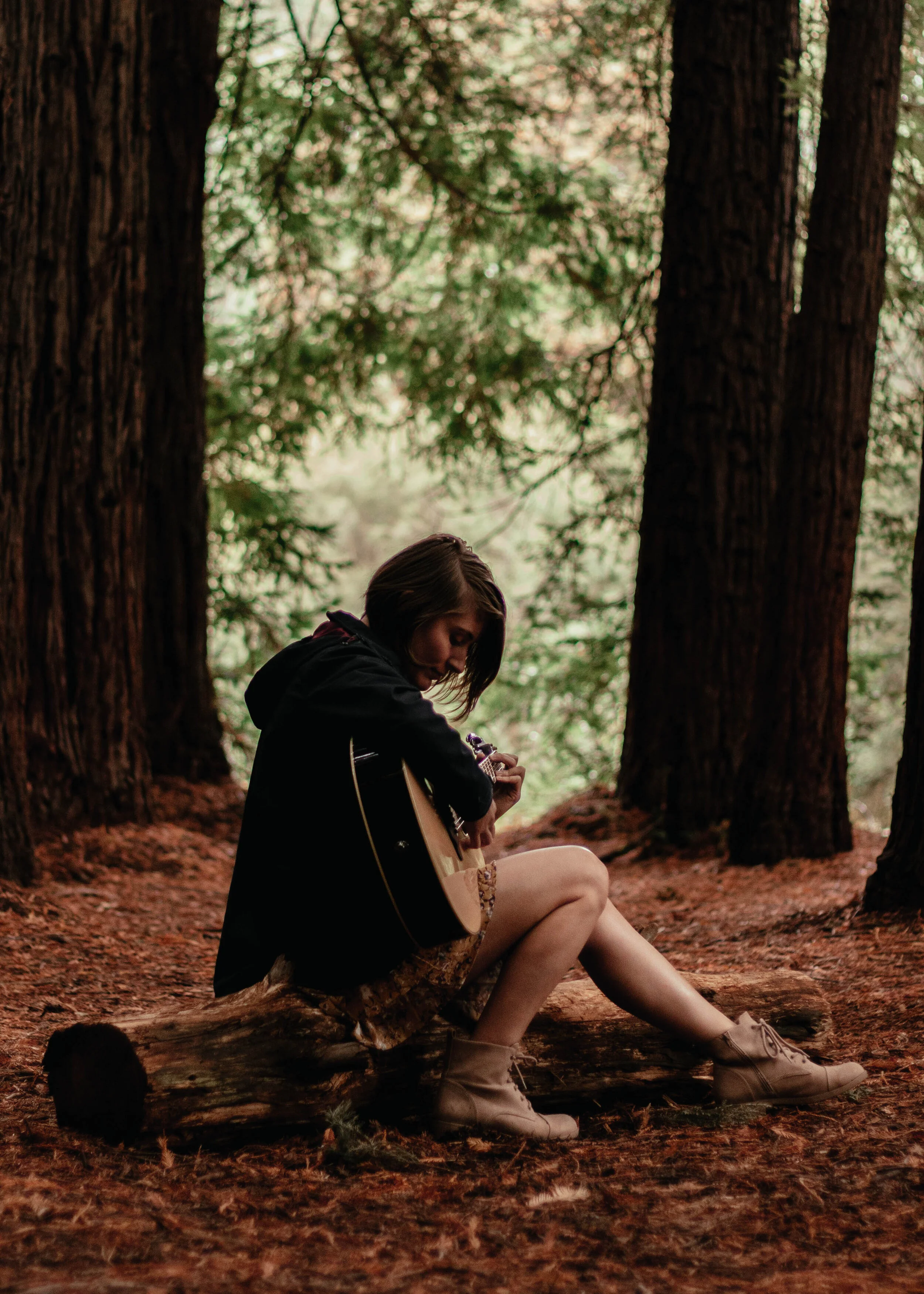
“A woman should never be silenced about what they have been through, and I want to be strong enough to honor that.” Marlee Smith.
Unlike most of us, Marlee Smith didn’t start her childhood in loving hands. She was abused by the person who was supposed to love and care for her. The nightmare didn’t end when her father passed away. She was raped by a person she personally knew. Despite how hard it was to bring her worst nightmare to the public, Marlee Smith spent the rest of her teens going through the Supreme Court, making sure the perpetrator will never hurt another woman.
The narrative changed when Marlee Smith was about 20 years old. Instead of being the victim, she decided to look forward and stand up for herself and others. She joined the military as a medic and eventually became a Paramedic. “I vowed that I would not let those who hurt me in my past continue to hurt me in the present. I couldn’t change what those people had done to me, but I could refuse to let them haunt my present,” she said, “I shaped myself into a woman who was fiercely strong and independent.”
At the very beginning, music was introduced to her as comfort and a method of healing. Before going into songwriting, Marlee Smith was a professionally trained violinist. “I would often use my violin as an escape from the domestic violence at home. I’d close my bedroom door and get lost in performing the music,” said Smith. When she first picked up a guitar a few years ago, Marlee Smith has found the right medium to tell her story. Her voice has become a sword, and music has become her armor. From that point on, she has become a warrior to shed light on abuse and social taboos.

Years later, far away from the past pain, she found herself in another form of abuse hidden behind love and trust – emotional abuse is more damaging yet less spoken. “For me, trust is the singular hardest thing for me to do, and the one person I had trusted with my world was about to shatter it,” she said. In the arm of what seemed to be a loving person who turned out to be a narcissist, she was manipulated, gaslighted, and isolated. “By the end of our relationship, I had no confidence, no self-esteem, and had become completely dependent. It was only when I had nothing left to give that this person’s abuse and manipulation became more blatant,” she said.
“The day I wrote ‘Vulnerability’ is the day I had my lightbulb moment. I finally took off my rose-colored glasses, and I saw the real and honest truth about that person,” she said, “I sat, and I wrote. I was crushed, I wasn’t okay. From this pain, Vulnerability was born,” she said.
Like a phoenix birthing through pain, “Vulnerability” rises from ashes.
Being outspoken about one’s most traumatized experience takes enormous courage and a heart for the others who are going through the same. With the support and care from her friends and family, she is healing slowly and sturdy. She has found courage in the vows she took in her 20s and the vision for a safer space: “I think the courage comes from wanting to change the notion that talking about abuse is taboo. I hope that the more we talk about topics that are ‘taboo,’ the more we create a safety net for people to speak up.”
“Vulnerability” is more than ear candy. It is a woman’s process to heal and a chance to speak up. Marlee Smith's voice is vulnerable yet full of strength in the expressiveness of cello as the light guitar flowing through her fingertips.
“From those foundations, I slowly rebuilt myself – one tiny step at a time,” she said.
As our aim to bring awareness to mental health and abuse, below is what Marlee Smith tells us about the cycle of manipulation and emotional abuse:
“An abuser who has mastered manipulating others will subject you to that abuse and make you feel like it’s your fault. In general, most reasonable people will take on feedback and accept responsibility because there is no other explanation for why that person behaved that way towards you. In your mind, you try to rationalize how the other person could hurt you like that- you would never think of hurting them! The only explanation is that it must have been your fault and accept responsibility for the things that person has done. It usually starts with little things, and then over time, as you degrade, that person starts doing things that have an increasingly significant negative impact on your life. You apologize and feel grateful for that person's forgiveness, and each time this happens, you take a huge knock to your self-confidence. You feel like nobody else could ever possibly put up with you or want to be around you because you keep messing up every time that person manipulates and abuses you. You believe it’s your fault. A master of manipulation (especially narcissists) feeds this idea to you every time they do something awful. Over time, your worth becomes so degraded that you feel privileged your abuser is still with you. You are isolated, you feel worthless, useless, and it’s a miracle that the person sticks by you. This makes you feel intense gratitude for your abuser, so much so that you are indebted to them. It’s a vicious and horrific cycle, and it’s very hard to get out of. “
Follow Marlee Smith
REVIEW & INTERVIEW: THE LOVESEATS ‘Waves’ & ‘WOBBLES’
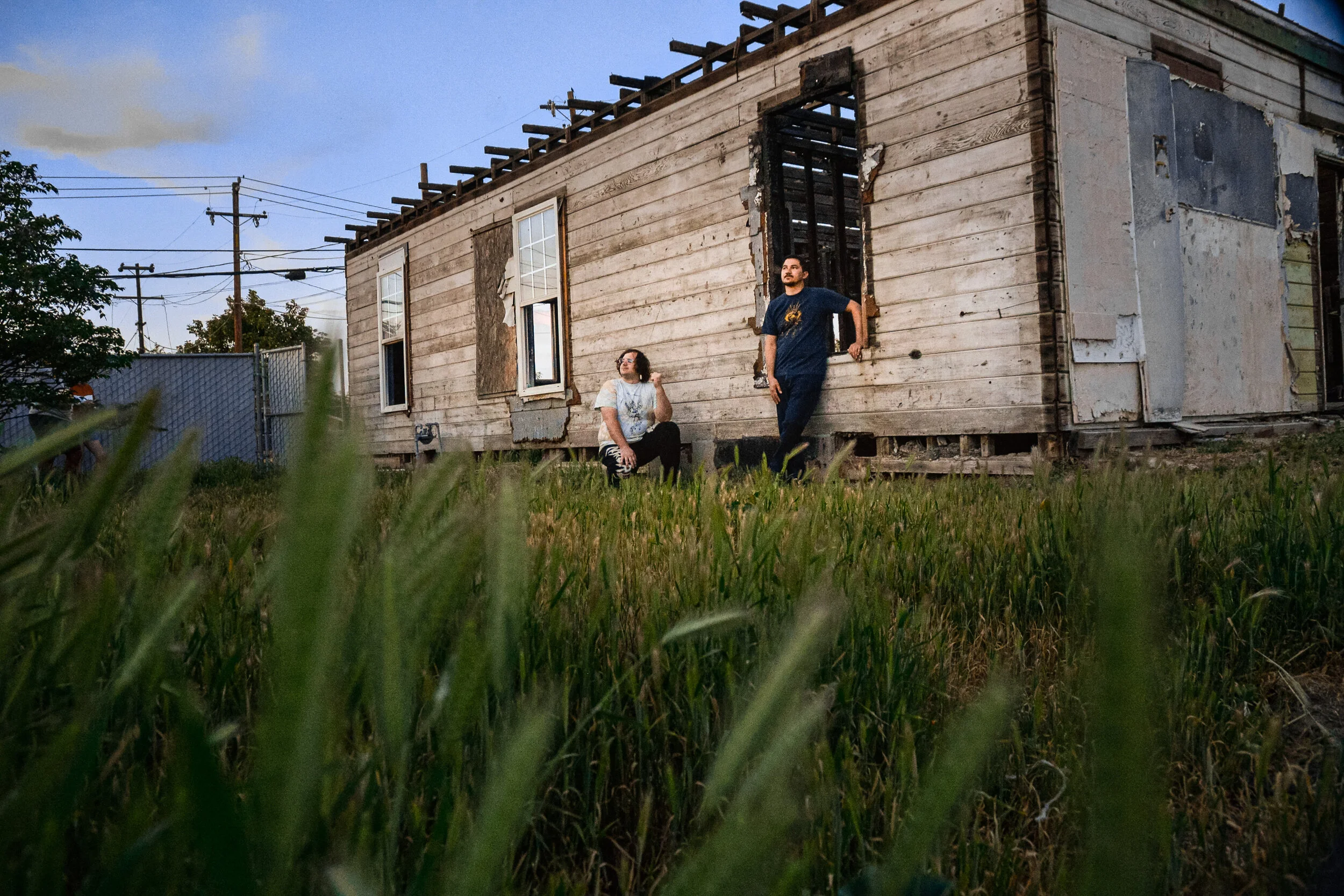
The city of Fresno is often overshadowed by Los Angeles and the Bay Area. From natural scenery to its unique artistic environment, it subtly influenced, inspired, and nurtured the sound of The Loveseats.
Waves & Wobbles was created around the same time as Rough Seas. The band carried out their signature wavy beats from Rought Seas and further developed into a more defining nautical reference. “We were interested in creating a continuous narrative that would carry a story between each subsequent release that could later be paired with animated visuals,” said The Loveseats.
Waves & Wobbles is a narrative project split into two by Venn diagram, absorbing influences and drawing inspirations from nature, the city, and the regional environment. The storyline intertwines and engages intuitively between Waves and Wobbles as it naturally unveils. From scratch to the bones to evolving on its own, their craftmanship has transformed itself into a unique experience in Waves & Wobbles -- each listening experience is an adventure and a journey inward.
The story of Waves & Wobbles revolves around a positive resolution after chaos and turbulence. It reflects on a karmic past life romance and substance abuse with the eventual acceptance and peace. “Waves overall has a lighter, more determined feeling and sets the scene and environment of the story. Wobbles has a much heavier feel, with deeper bass and steamier atmospheres, and contains what we feel is the climax of the story between The Descent and The Clearing,” said The Loveseats.
In a peaceful environment accompanied by low dose psychedelics, Waves & Wobbles took form. “Our process starts as a conversation and sometimes builds on itself with no conversation at all,” the band said, “in typical jazz fashion, we feed off the feeling of the tune using the rhythm to drive energy, which influences the vocal and lyrical approach.”
Instead of a traditional approach, two halves of each song were created separately but synced and layered on top of each other later on during editing and mixing. “Using two separate processing units for both the writing process and live playback, we can build bigger, more intricate beats without weighing down a single cpu,” the band commented, “the entire process was an incredible experience, and we were so blown away by the end result.”
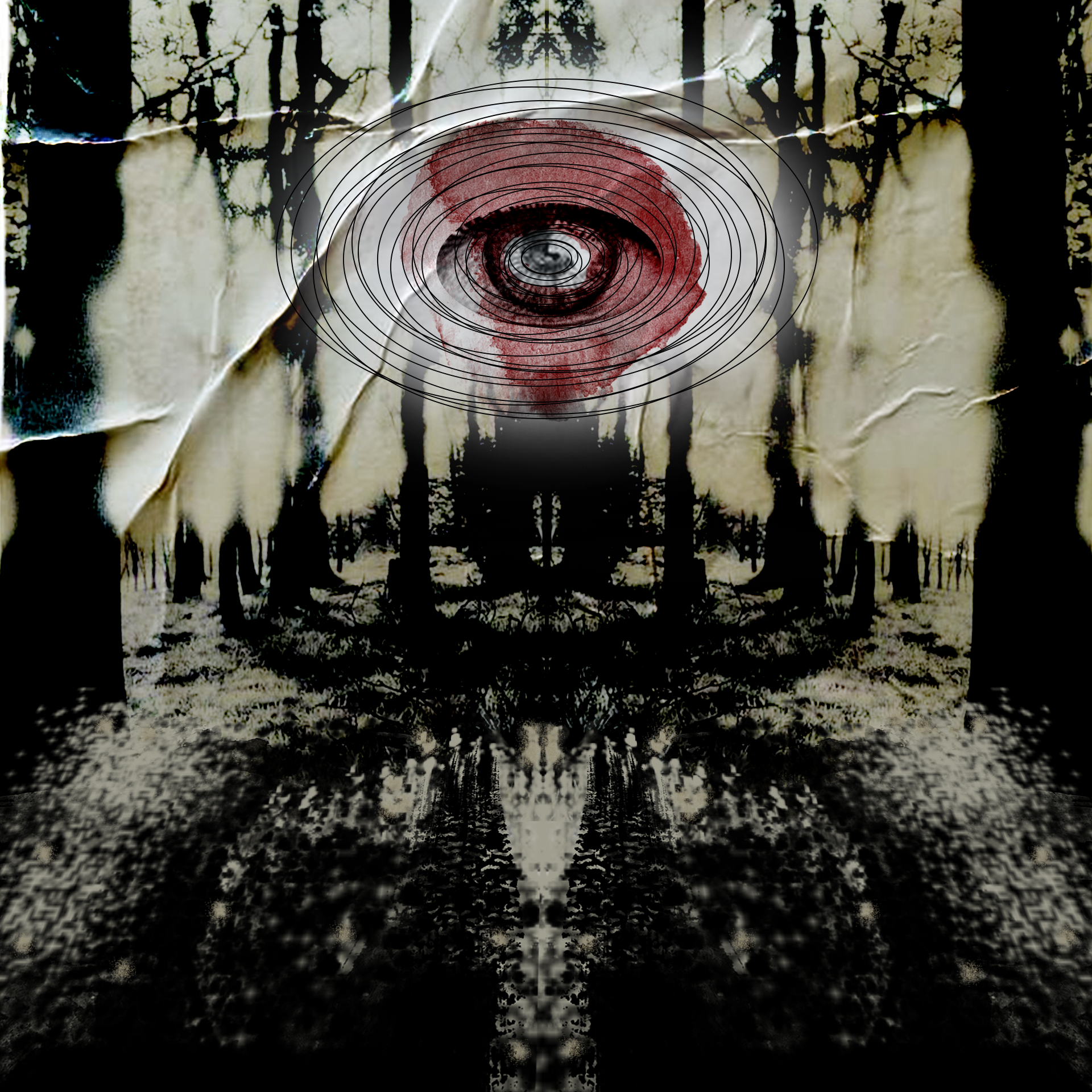
Being in a city that nobody likes also brings perspectives into the struggle of the undiscovered independent artist. “We live in a city nobody likes, a city which is home to some incredible talent that we feel is overlooked and overshadowed by Los Angeles and the Bay Area,” said The Loveseats. The bizarre, astonishing artworks for Waves & Wobbles were designed by Ukrainian collage artist Kateryna Berezovska. The band proudly supports gifted independent artists through commissioning artworks for each release.
Follow The Loveseats