
SINGLE REVIEW: ARNOLD MITCHEM “TEACH ME HOW TO LOVE”
Just like the best tunes in the blues-rock spectrum revolve around the constant theme of heartbreak and loneliness, “Teach Me How to Love” is no exception. The interplay between Arnold Mitchem’s ragged, road-worn voice and a somber bluesy guitar set the mood on a lonely country road.
Written by Arnold Mitchem and Ron Finn, “Teach Me How to Love” has the nostalgic remembrance of traditional country’s authentic storytelling with a flavorful classic rock and rhythm & blues undertone.
Misty backing vocal set off the captivating chorus with a hint of spiritual endeavor. “Teach me how to love again, teach me how to be my own best friend. I can’t seem to find a way to let it go.”
“Teach Me How to Love” brings back warmth and memories from a real band sound after a long year under covid restriction. The emotions tied to moving on and leaving the past behind resonate beyond the term of love and relationships. There is a sense of heaviness and vicissitude in the smooth tone.
ARTIST INTERVIEW: DARKHUES ‘SOFT FALL’
As a result of Darkhues’s vast influences and tastes in experimentation, Soft Fall has a spectacular sonic environment blending shoegaze, darkwave, post-punk, indie rock, and electronic pop. Growing up in the 1980s music surroundings with his parents’ record collection and his older sibling's cassette tapes, the era’s sound mark undoubtedly translated into one of Soft Fall’s identical characteristics.
“I am influenced by all genres and eras of music. I like to think this influences my music in some format,” said Darkhues, “I am not afraid to experiment with new instruments or time signatures. I always write my melodies with guitar and vocals. However, it is the drumbeats, lyrics, and layered synthesizers that take the songs to the next level of experimentation and productions.”
“Falling Walls” has a melancholy undertone flowing underneath an introspective, surreal vocal line. Like a dark shadow hovering underwater, moving in slow motion, the re-occurring, mesmerizing theme first appeared as an impression. Getting lost in the glare of psychedelia, it re-emerged in the faint whispers and silvery, celestial calling. Eventually, it is carried out by a driven guitar line as the epic soundscape progress. The song concluded with a sentimental hint as the remaining warmth lingers in the air.
“The song is about waiting for the rust to fall as you anticipate leaving your metaphorical enclosures. This is something I felt everyone in the world was feeling in lockdown last year,” Darkhues commented.
The guitar-driven “Tears” adapt the epic sound structure and exploratory drum as the rest of the album with a fascinating affiliation to post-punk and experimental rock and an unexpected ending dropping down suddenly from an accelerating built-up.
“The purgatories of social anxiety can sometimes result in the most amazing surreal experiences if you just let yourself go. This song is the day and the life of having to make this decision, one I'm sure many people can relate to,” said Darkhues.
PURCHASE SOFT FALL THROUGH BANDCAMP
FOLLOW DARKHUES

SINGLE REVIEW: BELONGING “NOW THAT WE’RE NO-ONE"
Off to a casual start, humming words tapping to the notes on a piano. The musical notes wander, stirring the air and swirling into a heartfelt indie rock landscape in the strumming. Built-up tension hesitates, walking in circles but eventually leads to a cathartic release holding up by the wings of the strings.
The lows bring you down, and the highs lift you up. Towards the end, the track shifts into an anthemic theme as the landscape continue developing in its texture and layers. A prolonged string, lingering in silence, concludes it all.
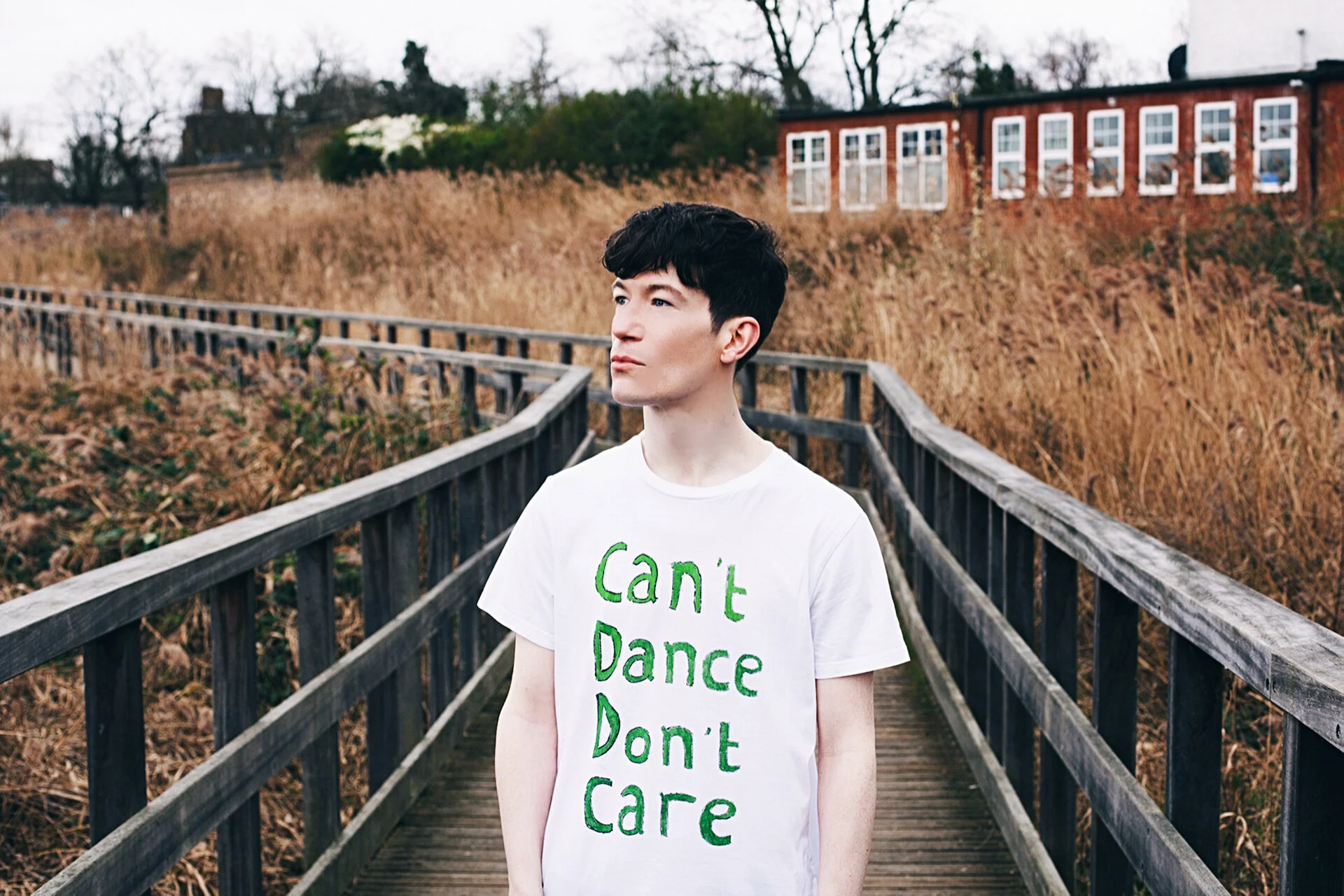
“Now That We’re No-One" has a theatrical bittersweetness and dramatic twists in its storytelling. One moment in an intimate setting dwelling with sadness, the next would be a moody built-up against stagnancy. The up and downs bring you on a journey of memorable moments and sentiments.
“I was spending way too much time lying awake at night going over mistakes, disappointments, and regrets,” said Belonging, “and I guess my brain decided that I might as well give my overthinking a soundtrack! While there’s a lot of self-deprecating humor in there, it was definitely a cathartic one for me too. It helped me to get a bit of perspective about everything, so maybe I do have some emotional maturity after all!”
He continued, “It was known as ‘The Vegas Song’ for ages because of the strings. I was imagining playing it with a Big Band at my bitter and twisted Las Vegas residency in 40 years!”

SINGLE REVIEW: PETRA JARRAR “LOVE AGAIN”
Inspired by her personal story of finding love in the most unexpected place after a momentous breakup, Petra Jarrar’s “Love Again” is all about fun and liberation. Like many others struggling with the sourness of heartbreak, she was at the lowest when her friends invited her to tag along to her ex-boyfriend's party.
Tastefully arranged, “Love Again’ started at an emotional low point. Opening the door to the place where her heart once broke, the party at first was awkward and uncomfortable with flutters in the stomach. Bouncing between unfamiliar faces, it felt like being trapped in a room filled with human models.
Drum caught up and immediately lifted the mood when the encounter with a stranger that stirred up her feelings brought back the sweetness of falling in love and having fun. The faces gradually became friendly people; she ended up having a good time.
Socially and culturally, men who jump into a new relationship shortly after a breakup would be praised. However, the same rule often doesn’t apply to women. Women are often targeted by slut-shaming for having too many fans. But just like Jarrar said in the lyrics, “I don't have to reason for my feelings.” There was nothing wrong with being herself and having fun when the moment was right.
The New York-based artist is proud of her Middle Eastern and Southeast Asian heritage. Her natural ornamentations travel effortlessly between the lines, adding a unique, mysterious flavor to the pop scene. Jarrar advocates for diversity, representation, and inclusion throughout the music industry, aiming to pave the way for women of color.
Follow Petra Jarrar

REVIEW & INTERVIEW: PACIFIC K ‘LIGHT VARIATIONS EP’
“Music is a very profound thing to me, and I approach every song with a sense of storytelling. Whether it’s something personal and intimate, or something in the world around me that I feel connected to and has touched me in some way.” Pacific K
Written on an unbearably sizzling summer afternoon, “White Wanderer” tells the story of a wandering man, “I had this image in my mind of a man wandering across a landscape resembling a Chilean or Peruvian desert, praying for rain, which is also a metaphorical image for when you’re overwhelmed with heated thoughts and just wishes for a break or a reset,” said Pacific K.
Light Variations invites you into a trance state on an exotic journey across the sea through rhythmic pauses and hypnotic electric guitar lines. The search for something more significant than what meets the eyes can only be explored in solitude through the direct encounter with nature and its sacredness, undergoing unbearable physical conditions. Where peace and profound love can be found, a touch of enlightenment.
Stemmed from the same root, the captivating liveness and deep connection with the earth are also communicated through world indigenous music. “There was just something so captivating and beautiful in it. I didn't know what the music was, where it came from or how to describe it. I just loved that joyous and liberating feeling it gave me,” said Pacific K.
“Storytelling is what inspires and fascinates me most in music, not just through lyrics, but through the music itself too,” he continued.
Centering the exploration of an existential theme, the pieces of sparks scattered around the globe became the natural carrier for Light Variations. Through the collected impression from desert blues, Mali music, Brazilian impression, and ancient drumming cycles, the story unveils.
FOLLOW PACIFIC K
SINGLE REVIEW: JAKLIU “ALL CASH, NO LOVE”
The Dublin native producer Jakliu brings attention to the daily verbal abuse and confrontation in the service industry with a luscious, melancholy instrumental track, “All Cash, No Love.”
Setting its scene in a typical, busy workday, rhymical turmoil and textural fluctuation revolves around the reoccurrence of harsh, demanding verbal confrontations.

A steady, fast-paced drum machine taps into noises from the surrounding. The vague, blue soundscape of pads has a raspy edge. Discordance stands out in the smooth, ravishing soundscape. The built-up tension and repressed emotional turmoil underneath the perfect, tender smile each time the shop worker was insulted.
Sutters and glitches, even the calmest would lose its rhythm. After a while, the yelling becomes a norm, blurring into the dizzy, flamboyant, inflaming drones. Then it subsides to the bottom of the water where celestial flute-like passages occasionally glitter through the turbid mixture, leaving no trace.
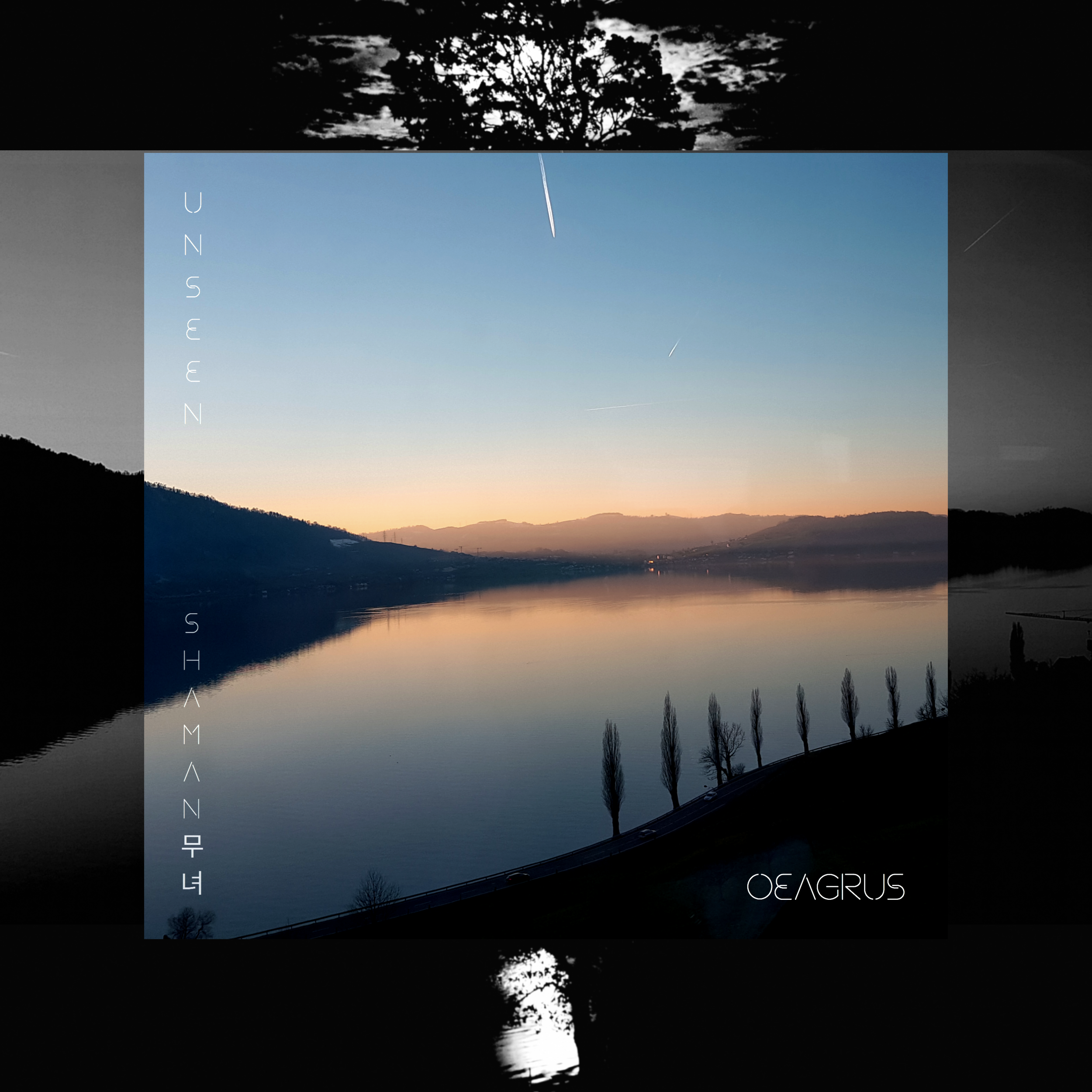
REVIEW & INTERVIEW: OEAGRUS “UNSEEN/SHAMAN”
Following a trip to South Korea, Oeagrus has been fascinated by rituals in Korean folk religion. “Shaman” is a personal interpretation of a ritual dance that connects spirits and humanity to solve difficulties in the development of life. In the language of analog synthesizers and vocal-based pads, “Shaman” taps into an ancient energy field in the pulsing, fluctuating vocal texture. From the initial calling journeying into an awakened, conscious state, senses are evoked and heightened as the drum circle evolves.
“Personally, whenever I play an instrument, produce music, or listen to my favorite tracks, I am able to experience a sensation of transcendence from reality, a moment of tranquility and joy, which I suppose itself would be a ‘spiritual encounter,’” said Oeagrus. On the quest to the unknown, “Unseen/Shaman” invites you on an enlightened journey to the untouchable.
As a big fan of film composer Akira Kurosawa, Oeagrus intended for a cinematic experience in “Unseen” with captivating beats, haunting vocals blending analog synths. As a perfectionist, behind each vocal pad and sound texture, are multiple versions and intricate adjustments and comparison, tweaking into desired sounds. “I really like to create sounds from scratch as much as possible,” Oeagrus commented.
Like many musicians, Oeagrus's first introduction to music was classical piano. Born into a musical family, his journey with music started early. At 6, he was accepted to a music academy in Legnica, Poland, where he received formal training in music theory and performance. Unsatisfied with the constriction in classical music, he was attracted to jazz and electronic music, and into a world of free expression and meaningful conversation. "Music is essentially a language, which enables us to send certain messages, evoking feelings and communicating emotions between one another,” said Oeagrus.
FOLLOW OEAGRUS
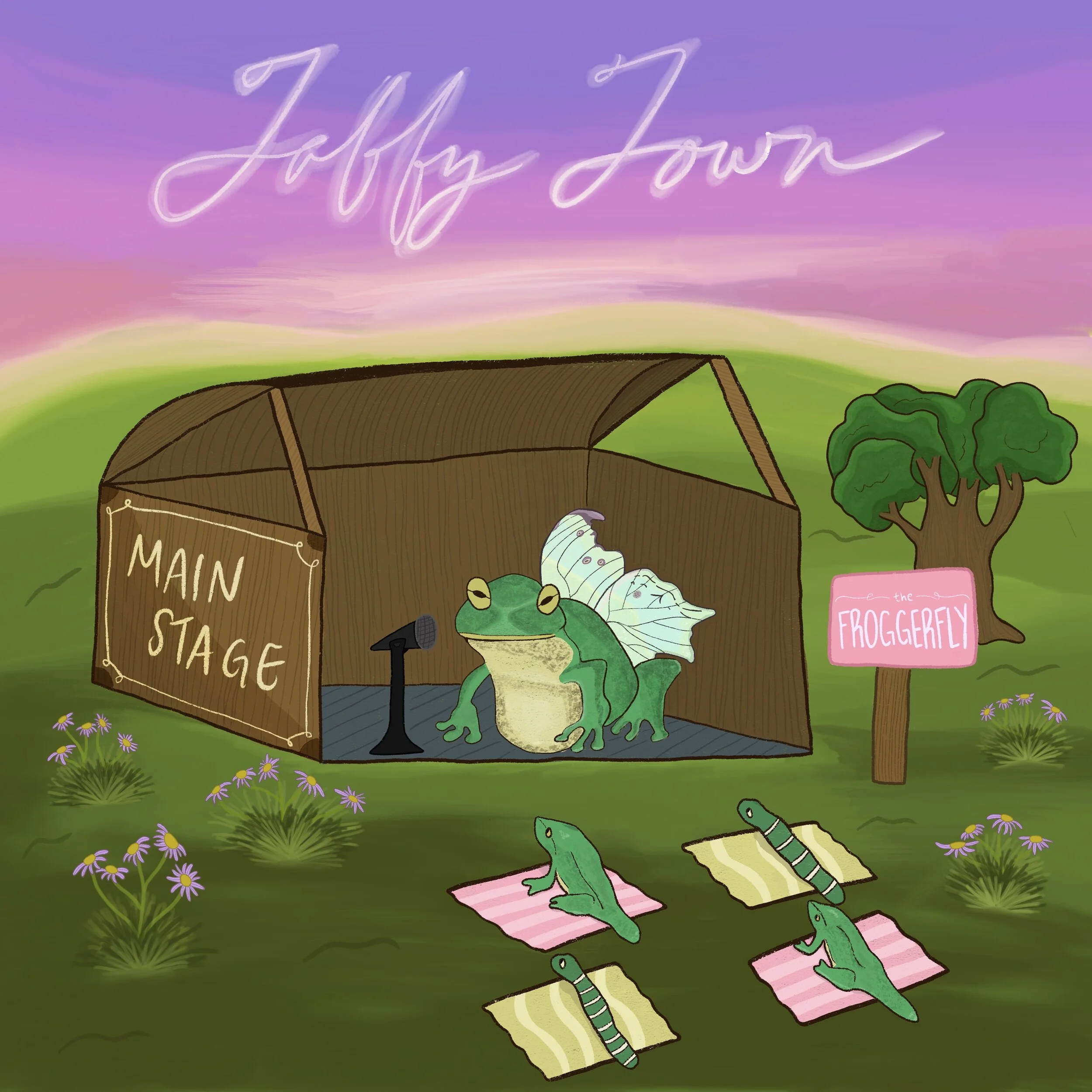
ALBUM REVIEW: JOURDANN ‘TAFFY TOWN’
Somewhere in the middle of nowhere exists a bleak, little town where the sunshine is lazy, and the days are long. Showering in birds' tweaks and the sound of guitar and banjo, Taffy Town is a place where everybody knows your name. Took shape in Jourdann’s imagination, the little town has manifested itself into sonic form.

Taking a break from the usual setting, Taffy Town is refreshing and out of this world with a twist of excitement and unfamiliarity. Following the bittersweet life story of the main character, Taffy Town taps into a unique time and space in the summer breeze and into the inner world of complex thoughts and emotions.
The title song “Taffy Town” tackles forbidden love between two girls in a small town. The aroma of love floats in the buoyant guitar strums that pull your heartstring as your eyes fixate on the perfect girl in the crowd. "Your eyes, your stares, the way you twirl your hair; the wit that comes from your cherry-painted lips have me denying.”
Blushing in sweetness, being lost in her presence, the love is pure and true. The striped recording takes your focus inward to the desire and wanting and the struggle to hide it from the world. The fear of malicious gossip contradicts the pure, true feeling of love. In this simple, lighthearted arrangement, Jourdann dives deep into the complicated, heartbreaking nature of unforbidden love.
Somber piano and poignant vocal set the mood of Saudade in “I Can’t Stop Thinking of You.” As the piano reaches its bright side, the hope of getting over the crush glimmers in the sadness. “Lovelorn Ghost” has a laid-back vibe with a touch of electric guitar, dreamful texture, and loosely arranged backbeat.

SINGLE REVIEW: MAISYN “POOL PARTY”
“I allowed myself to reach for the darkest places, and I wound up with a song about the subtle invasiveness and shame of body dysmorphia. Once I started actually speaking to my experience, the song took shape effortlessly,” said Maisyn on “Pool Party.”
The poignant submersive summer anthem “Pool Party” by Los Angeles-based singer-songwriter Maisyn tackles self-image and body dysmorphia as the pool season approaches. Although hardly anyone is 100% delighted with their self-image, body dysmorphia is a mental disorder that involves distress over imagined or minor defects in appearance, which leads to dysfunction in one’s life.

Photo credit: Caity Krone
“Made myself smaller being quiet, felt a burn, and learned how to deprive it. If baby’s bad, put her on a diet.”
Diving in, hoping to disappear, sinking and drifting away. The image of water is accompanied by the memory of summer. Mellow guitar and dreamy effects in between the lines captured the sensitive moments when words have lost their sounds, reaching for the soft, vulnerable corner of memory that one tried so long to cover up.
“The one recurring thought that occupies me; to be a woman wanted for her body, running through the yard in a bikini.” But in the attempt to become someone else, the need will never be fulfilled but further the damage.
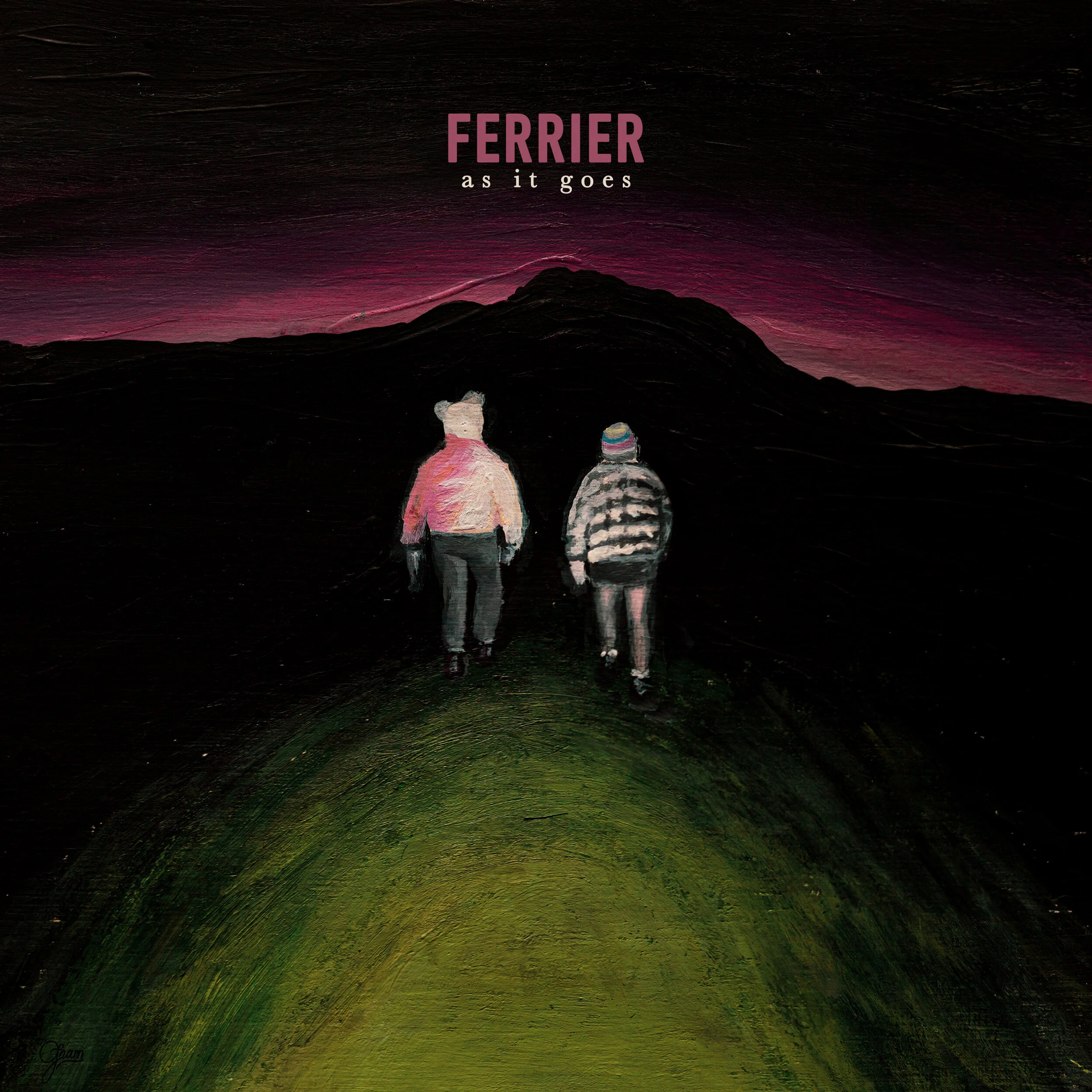
ARTIST INTERVIEW: FERRIER “AS IT GOES”
“Whilst I wrote the song with an obvious sense of melancholy, I wanted the production to sound uplifting and make the listener want to dance,” said Ferrier.
Underneath its tough and joyful exterior, “As It Goes” has a side of softness and melancholy buried inside, permeating through the guitar and lyrics sheet. The song portrays the feeling of being on top of the world while feeling being buried alive. Those feelings scream from the inside but disappeared in the deafening beat of the dance floor before it hits the surface.
Like many, Ferrier started writing music with an acoustic guitar in his late teens and later self-taught production out of YouTube tutorials, learning from mistakes. “‘As It Goes’ is the culmination of that really – just building on what I had already started,” he said.
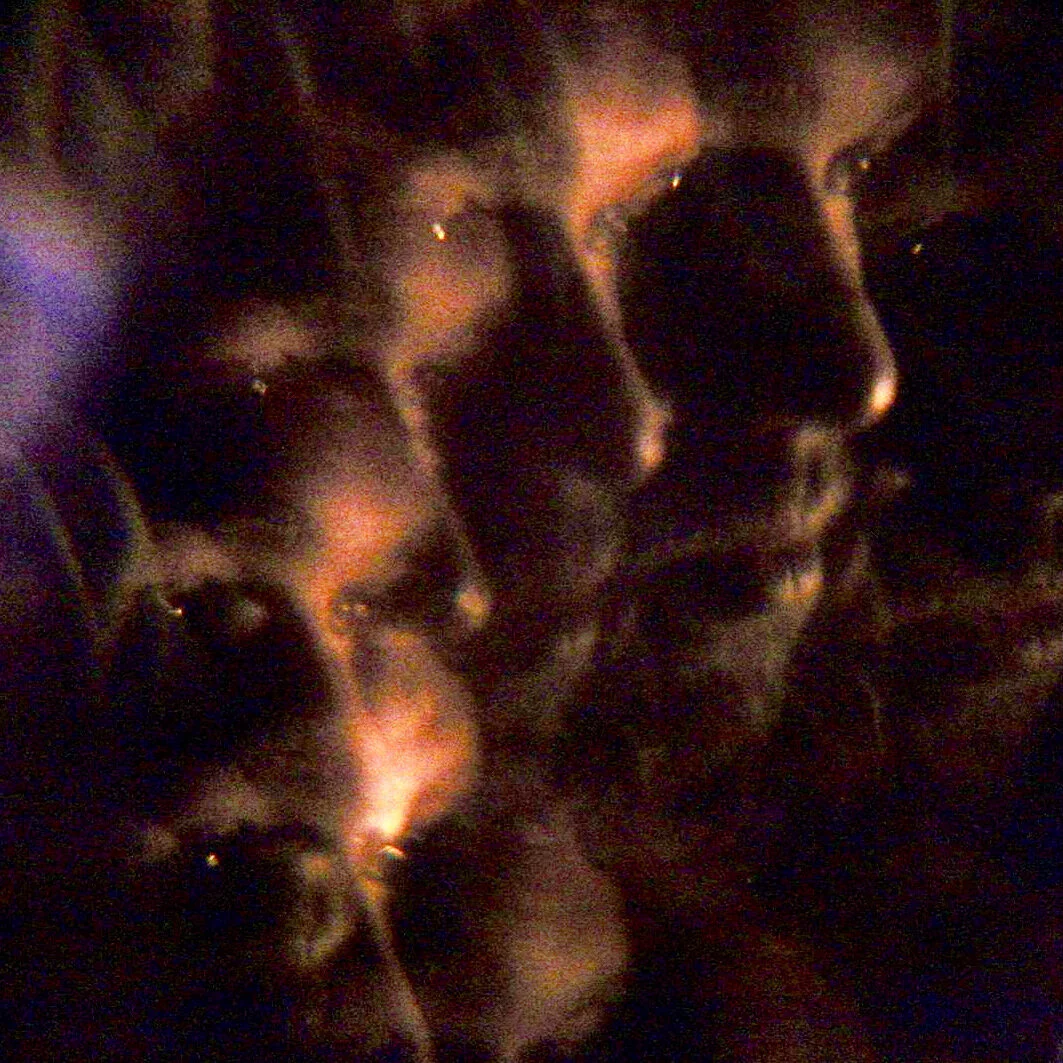
Photo credit: @ofearn_art
In the digital age, the internet has made music distribution accessible to anyone with a laptop. Being unique and standing out in the crowd is overrated. “It sometimes just feels like shouting into nothing,” said Ferrier.
New music is flooding the screen every day; the minute one track is released; it is soon buried in the crowd. The struggle to be heard and be different sometimes can be overwhelming, but like it has always been and will always be only in different forms, the world is always crowded with voices.
“There’s so much going on out there on the internet, but on the other side, it forces you to try and push yourself and your sound innovatively while staying faithful to what makes you sound like you. What I like to communicate is that it’s to have no clue what’s going on sometimes, but don’t let the noise of everyone else distract you from doing your thing.”
FOLLOW FERRIER

FEATURES: THE GHIBERTINS “IN YOUR ARMS”
Life ahead is shorter than the life behind, but he looks forward to time in the company of family and friends. Telling stories about the glory days, playing bingo with friends, watching grandchildren playing in the front yard.
“Don’t know why but I’ve always imagined my future nephews playing on the front porch. That’s the picture I had in my mind while I was writing the song,” said the frontman, Alessio Hofmann.
In comparison to the debut release “20149-Milano” from The Ghibertins’s forthcoming concept album The Life & Death of John Doe in 2022, “In Your Arms” feels like a strong hug. The song remains the epic, affecting characteristics, depicting the serenity stage of life.
In the arms of the woman he loves, John Doe’s golden years are of love and warmth. The years they’ve been together, they stuck through the ups and downs, the worst and the best, mistakes and forgiveness. At the end of the day, they look into each other’s eyes with nothing other than love and understanding.
“In your arms is where I’m born again. In your arms is where I’ll die in vain.”

The Life & Death of John Doe is a concept album around the journey and life stories of the fictional character John Doe. From the day that he was born to the rebellious youth, to reaping his success and hitting rock bottom, to making amends and finding redemption to the golden age in love and peace till the last day of life.
“We started off writing a script of the whole story. The sound and the lyrics reflect the emotions and the age of the characters. We wanted to have a bittersweet ending, so we started to think of precise feelings that could fit into the character’s life decades. The hardest part was to connect all the songs,” The Ghibertins commented.
They continued, “the idea of a concept album may seem like a commercial suicide in 2021, but we wanted to tell a story or, even better, a journey. We wanted to portray emotions and feelings. That’s when we understood what life itself is a journey full of highs and lows, good and bad feelings.”

EP REVIEW: ELECTRIC HIGH ‘REACH OF YOUR LOVE’
The air is thick with hormones, libido overload with the capability of “feed the whole nation.” “Roam from station to station,” even the wildest girl cannot satisfy. Electric High’s “Reach of Your Love” is a high-pace party banger, riding towards a chaotic climax in sweet sweat and screams
Dangerous but tempting, truthful but fiery, “Reach of Your Love” is all these things. “You say that you don’t, but we know what you do. You’re breaking blue hearts in two. Your wings are wide open; you’re ready to go. The riddle to solve is the reach; what’s the reach of your love?” Revolving around a captivating guitar riff, too many lovers eventually lead to trouble and chaos.

Photo credit: Kjetil Tofte
“Rock Classic” is a steady tune that immediately brings memories of live shows from a pre-covid time. Perfume mixed with sweats, beers and, pot; crowds are going crazy in the monstrous guitar solo, loudness, and acceleration.
“Trembling Bones,” on the other hand, has a comparably more laid-back vibe with a world-inspired drum and blues/root-inspired riff, trembling and bending the strings. Temptation has the bones trembling, the devil is back on the shoulder, mouth full of sugar. “There’s a dirty situation growing in my mind.”
Reach of Your Love reminds you of how good it feels to be alive. There’s no doubt that the rumbling bones in the Norway-based band Electric High are ready to hit the road.
Follow Electric High

ARTIST INTERVIEW: CARL ADAMS “TO TRAVERSE THE HEREAFTER”
“To Traverse the Hereafter” is rooted in the curious eyes of a child when he looks up at the sky and wonders about the brightest star. “You start brainstorming all the possibilities. What’s up there? What else is beyond this? This song encapsulates the feeling of being completely enraptured at that moment,” Carl Adams said.
Ideas and inspirations emerge under the deep blue canvas. Surrounded by the sound of crickets, embraced by nature, you are overwhelmed by its magnificence and curious about the unknown in the grounding peacefulness. “To Traverse the Hereafter” invites you on a journey of reflection and adventure.
Therapeutic guitar strumming leaves trails in the afterheat of harmony. The world expands as frequencies interact; harmonics expand the horizon where secrets and love are stored.

Stepping into the wildest imagination filled with colors, synchronicities, and symbols, the soundscape transformed into a chaotic turmoil of pure beauty. “I think space is the appropriate setting. Just the vastness and how it can be both overwhelming and strangely calming to think about,” Adams commented.
As the child grows up and becomes an adult, curiosity, and imagination lead to the searching for knowledge and understanding. “The universe is essentially a void with space everywhere you turn, but every once in a while, a few events take place, and then you have these planets, moons, and asteroids that form a system. In this system, you have a star in the middle, and everything else does a little dance around it for an extraordinary amount of time. Then you have dark matter, which we know almost nothing about. It's a lot to take in, but it's also awesome,” Carl Adams continued “we keep chasing knowledge and understanding we don't have, which ties back into the central theme of this song. Unexplored worlds, unseen events, and occurrences...in this life and whatever's after it.”

SINGLE REVIEW: SCOTT SWAIN “SKELETONS”
In the most unexpected corner of nursery rhymes, fairy tales, and children’s songs lies the darkest, most nightmarish story you ever heard. As a result of Scott Swain’s fascination with cinemas and Allan Ahlberg’s Funny Bones, “Skeletons” approach structural abuse and brutality through a cinematic, western sonic impression with a twist of playfulness.
Loosely inspired by Sleepers (1996, USA), the narrative revolves around four boys who sought revenge after years of silence over their traumatic, abusive past in the juvenile correctional institution that forever altered their lives.

“I wanted to discuss the topic of systematic violence and abuse and how it needs to be challenged,” Swain explained, “those who perpetrate it (in whatever manner) need to be held fully accountable. Too many people take actions without reflecting on the potential harm that it might be doing to other people and are happy to brush off any responsibility.”
In the film, the boy destroyed the vendor’s livelihood over a free meal; the abuse and torture guards forced on young boys; Michael convinced Rizzo to fight against the guards over a meaningless ball game which led to brutal abuse and Rizzo’s death; in real life, police brutality, structural racism, abuse of power penetrate the life of the ordinaries, resulted in the individual and collective tragedies.
Taken from Scott Swain’s sophomore EP Isolation set to release in August, “Skeleton” has a similar approach of storytelling in film scores with reoccurring themes and dramatic elements. Inspired by films that left a mark, Isolation is surely something exciting to look forward to.
Follow Scott Swain
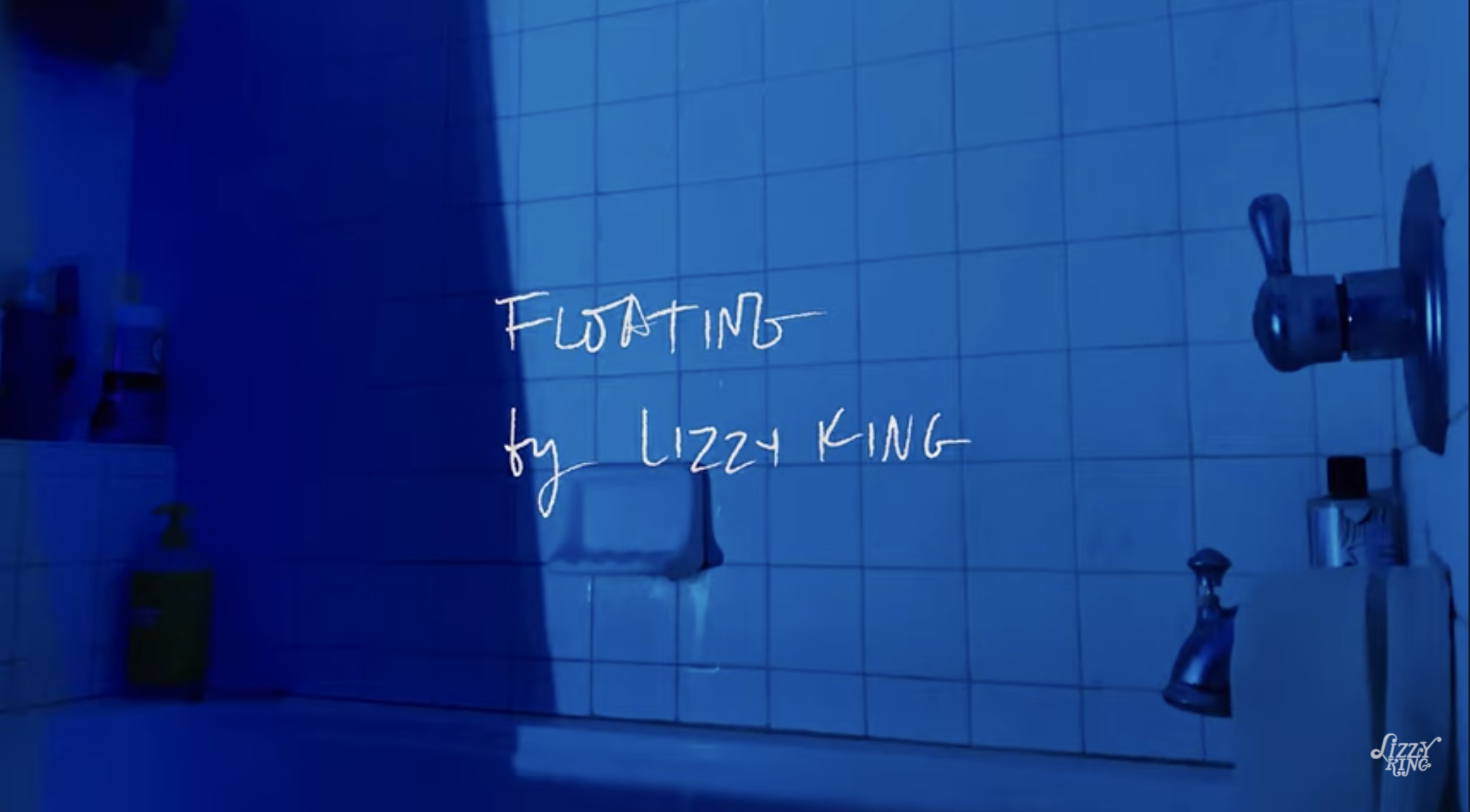
SINGLE REVIEW: LIZZY KING “FLOATING”
“The shower held me sinking like a rock to the bottom. I can’t go on smiling, can’t go on, can’t go.”
Laying out chords on the piano, the sound was mellow and heavy. Pedal change and wood cracking in the background, Lizzy King’s voice is poised, floating in the middle alone. Like water, sadness subtly drowns you in.

Photo credit: Nathaniel Drake
A slender ray of sunshine shines through the thick cloud, strings emerged out of nowhere, gently lifted up her voice as the moment of realization cracked through sadness. “Like all good realizations, this one happened in the shower: life is painful whether I choose to show up or fade away. Which pain will I choose?” said Lizzy King.
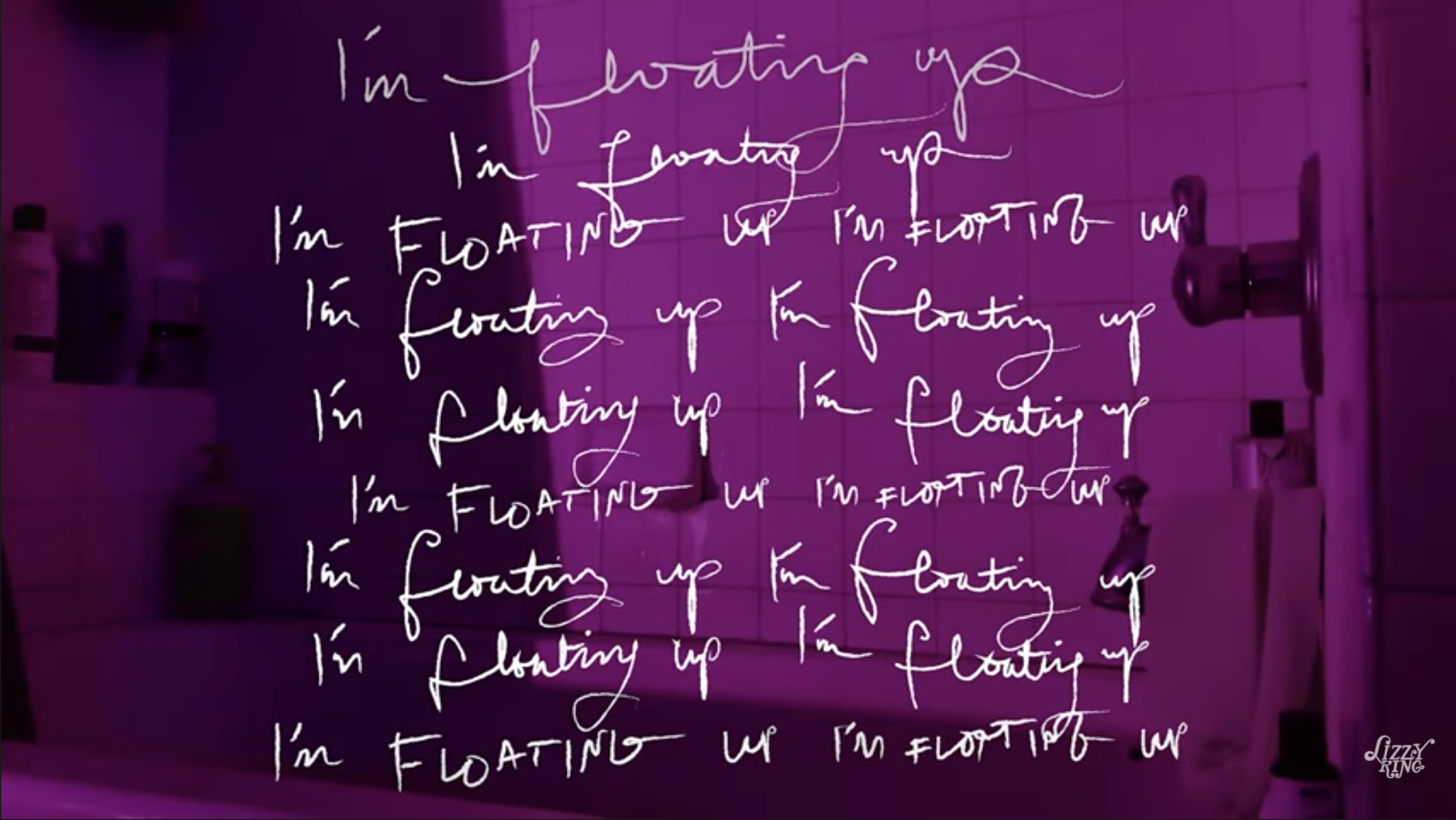
“Sinking down” or “floating up;” the constant push and pull alternates in Floating” as the song develops. The temporary release couldn’t stop the sadness from coming back. Clouds again blocked the sky. The decision to stay comes with pains and struggles.
“I warned her I’m on the edge, she didn’t mean to push me. Now I’m sinking down...”
“I made you late to go to work. I cried under your covers. And I pushed you out of your own bed (I didn’t want to be a burden). How could you see me like this?” Lizzy King “Floating”
“Floating” is fragile and delicate. Lizzy King did an amazing thing by sharing a part of her that was broken and vulnerable through art.
Like the new skin exposed in the air as the old skin painfully shredding, underneath its soft appearance lies the strength to overcome what life has to offer. Confronting the fears and surviving difficult moments when you really believed you weren’t going to make it, even though it may feel like sinking down, you’re floating up from the past.
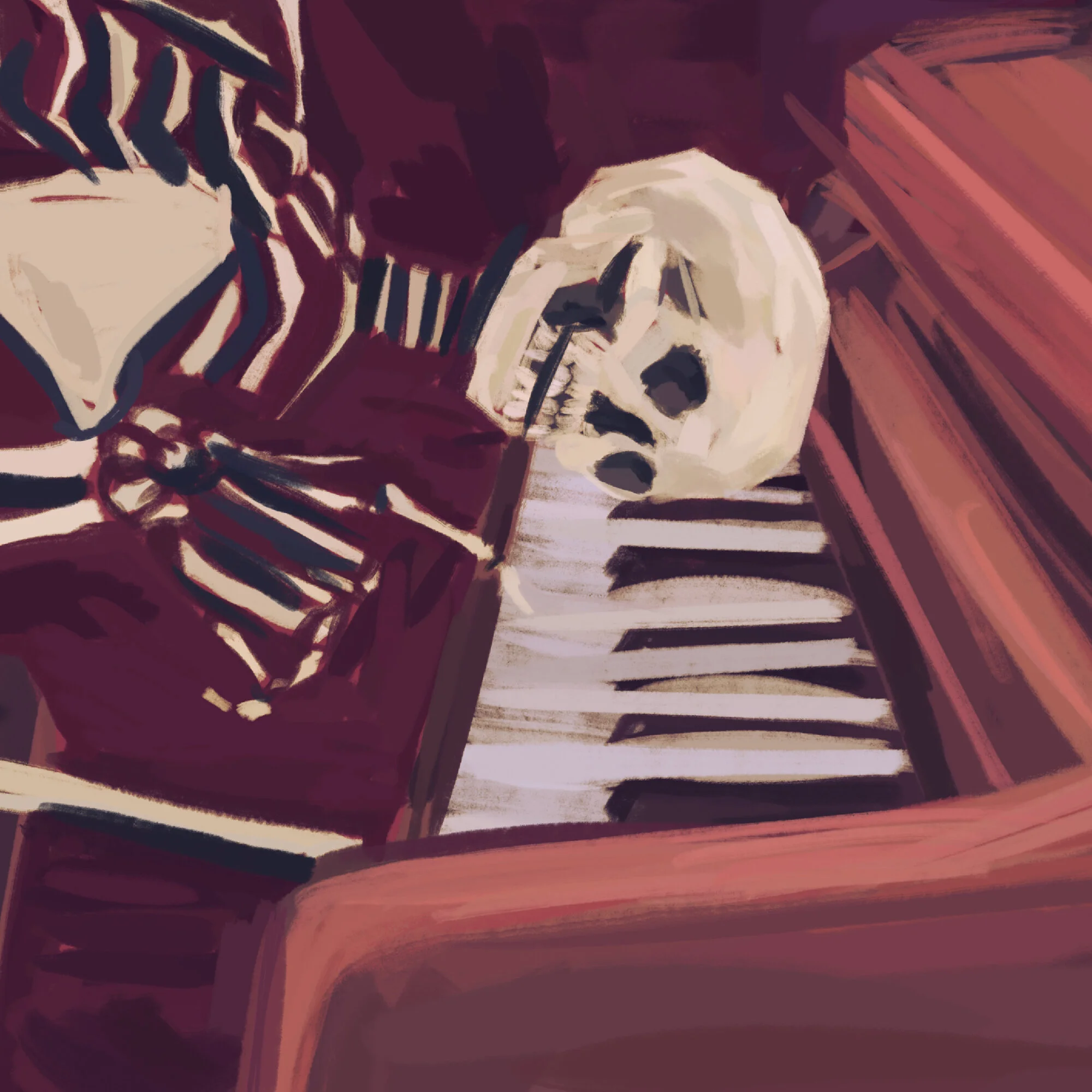
SINGLE REVIEW: SESPOOL “THE RECKONING”
“Screaming in the rain, the sound of suffering. All alone again, and they will never hear you.” Sespool “The Reckoning”
Progressive rock and dream pop hold together the discussion of the increasingly intensified economic gap between the average working class and the wealthy upper class in the past two decades. Sespool intuitively brought in Trap and metal elements, illustrating the emotional stretch. Besides fairytales and the things we tell ourselves to get up in the morning, the grim truth staringly burns a hole through pretense.
Photo credit: Enoch
The world is constantly repeating its toxic cycle of extremes. The rich live at the top of the world with money, power, and connections, while the poor kept struggling in the mud, having little to no chance of getting out of their doomed destiny. “Nothing feels the same as when you were my age. Lick your wounds and talk your shit. There’s no way to escape.”
The rich are on the receiving end of massive money, and the poor...the poor struggles to live from paycheck to paycheck. The gap between them is unbridgable. “Living for the one percent, drowning in our hopelessness. You suck my blood; it makes me sick, and I cannot break free of it.”

Photo credit: Clare Jolley

EP REVIEW: SOMEGUY ‘CITY STATE’
Finding life and movement through motionless. “Sir Davos” paints the mental image of a timeless dripping tap trapped in an endless loop that gradually transformed into creative sparks. There is always something in City State that draws you into the attempt to figure it out.
The wandering mind was tapping across the city landscape. There’s a strange sensation and storytelling when you turn your attention to the walls of old buildings, tracing the hints on an abandoned industrial site from another century, glancing through those eyes left by unknown graffiti artists. Imagine those familiar, unfamiliar sounds echoing in the dusty air, bouncing across the walls approaching from a distance.
“Quiet Cool” introduces you to a claustrophobic environment where the fear of being unable to escape a confined place led to panic attacks and dizziness. Struggling to breathe while being aggressively irritable and sensitive to the surrounding with every single sound nerve-wrackingly heightened.
“City State” leaves enough room for imagination while navigating through the change of plot and scenery. Experimental and bizarre, yet the recollection draws you in. Someguy’s City State is what you wanted to be.

Follow Someguy Record

ARTIST INTERVIEW: HECKYL “FREE FALLING DOWN”
“We live on our phones, and sometimes we just need to step back and think about what we might be missing, like actually talking one to one,” said Heckyl.
The endless scrolling down from one image to another, switching back and forth from one conversation to another, anxiously awaiting the next message. Our attention span seems to be shorter than ever. Words lost their warmth. The moment when you’re waiting for the bus or your food, and you look around wishing to talk to someone, but everyone’s looking down at their phones. The constant pressure to collect likes through a pretend perfection terrified for a harsh comment over an unnoticeable flaw. People seem more judgmental and intolerant of each other.
“Who are we?
Scrolling through a screen for a feeling
and it carries no meaning
how empty, must we be to search for likes for attention….”Heckyl “Free Falling Down”
The lonely feeling and harmful comment catch up with you, pushing your head into the water. “Free Falling Down” reflects a collective fast-paced, anxious energy of emptiness in the digital age. The desire for human touch underneath anxiety, stress, and loneliness penetrates the wall of intelligent sound.
Photo credit: Kris Humphreys Photography
Heckyl, aka Luke Potter, was raised in a musical family with his father playing in The Affair (Simon Cowell Record), but The Goo Goo Doll’s “Iris” was the real pivotal moment in his pursuit of music.
“That’s the first time I ever connected with music on an emotional level. I remember being in the back seat of the car, crying my eyes out to this song I’d never heard before. When you’re a teenager, you think nobody understands the way you feel, but I remember being overwhelmed with a sense of ‘I need to make other people feel the way I feel right now.”
The initial encounter with music eventually led to the Heckyl project, which shares the desire to communicate lonely thoughts and emotions through creativity.
“A monster underneath my bed, but at night he crawls into my head.” The feelings you might not fully comprehend, the thoughts you couldn’t share with anyone; or the moments feeling like something was tearing you apart from the inside — Heckyl aims at bringing balance through vocalizing the madness with love and creativity.
Follow Heckyl
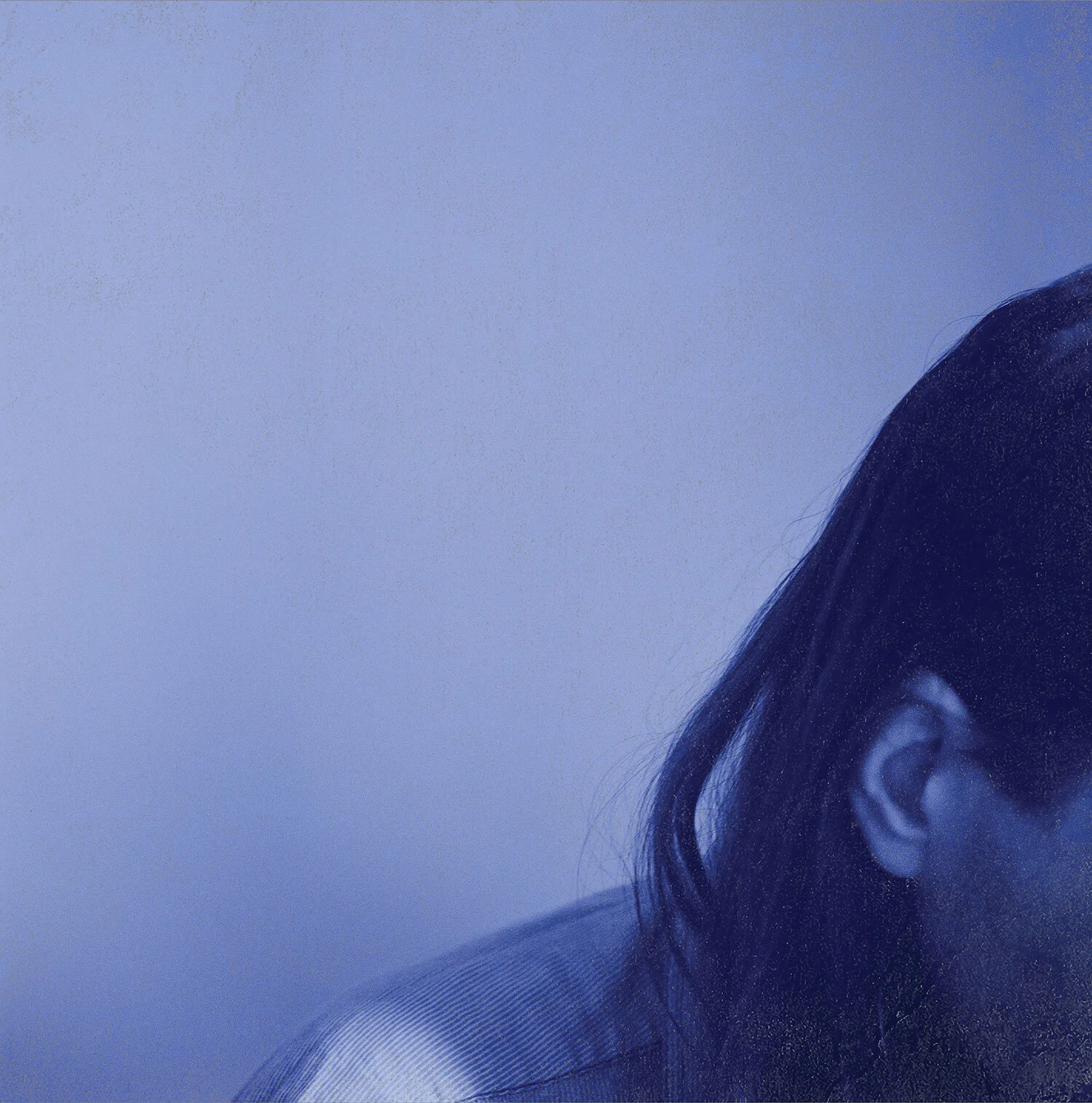
ALBUM REVIEW: JOHN MURRY ‘THE STARS ARE GOD’S BULLET HOLES’
“In everyday life, contentment is a goal. But William Faulkner said happiness is for vegetables. Is it? That would be incredibly bleak, and I don't think it's true. But is it not egoistic for us to seek contentment when we live in a world where we know there are children who are being paid to kill other people by American private corporations? I do think that as the world becomes a place that we look out into and see as being disrupted and as disrupting more and more of our lives, that we retreat into this idea of ‘find your bliss’. And I'm not sure how close that is to contentment or happiness. That's the ordinary world.” John Murry
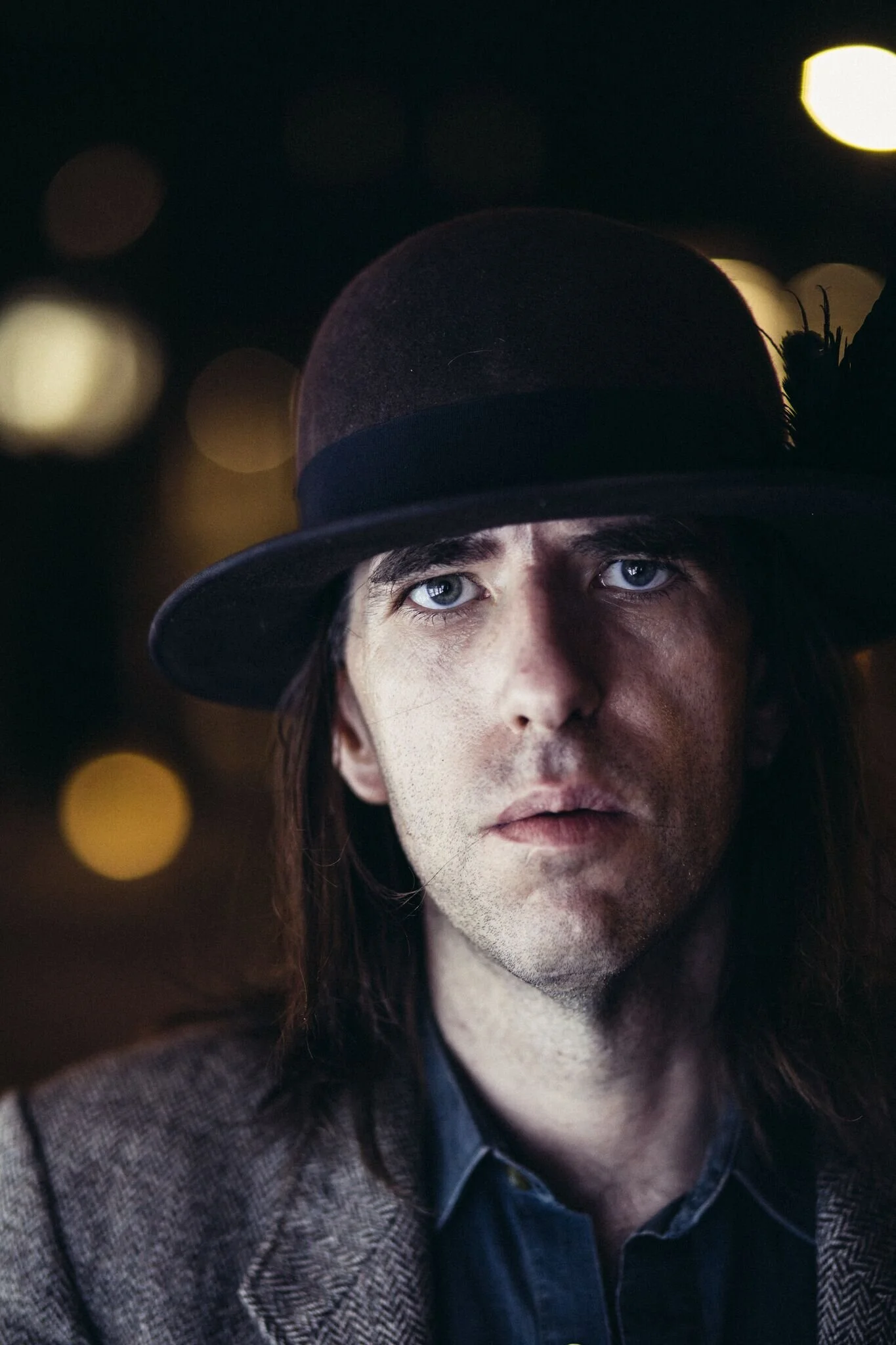
In a dreamful, half illusional, half awaken world, experimenting with distortion, electric guitars, and effects, the searching for answers is always accompanied by the awareness of a deeply disappointing and disturbing world. The intensity of an unshakable intrusive, destructive force meets a Mississippi-rooted blues aesthetic and John Murry’s poetic, black humor and seriousness.
“I bought fertilizer and brake fluid / Who in the hell am I supposed to trust? / Sympathy ends in gas chambers / Oklahoma City should’ve been enough.” Oscar Wild (Come Here to Make Fun of You)
“All of the violence in the songs, it’s not to glorify it,” said Murry, “Theses things are going on and on in the United States.”
No one can truly shake off the past. Those things that deeply hurt us and shaped us even we repel it will always be within the eyesight. Maybe it’s the struggle and frustration between being aware of the ugliness and darkness but knowing one can’t really do anything about it. Not sure if it’s a good thing or a bad thing, but eventually peace can be found, or tolerance. The burden is still heavily loaded, but there’s a sparkle of happiness and joy in The Starts Are God’s Bullet Holes.
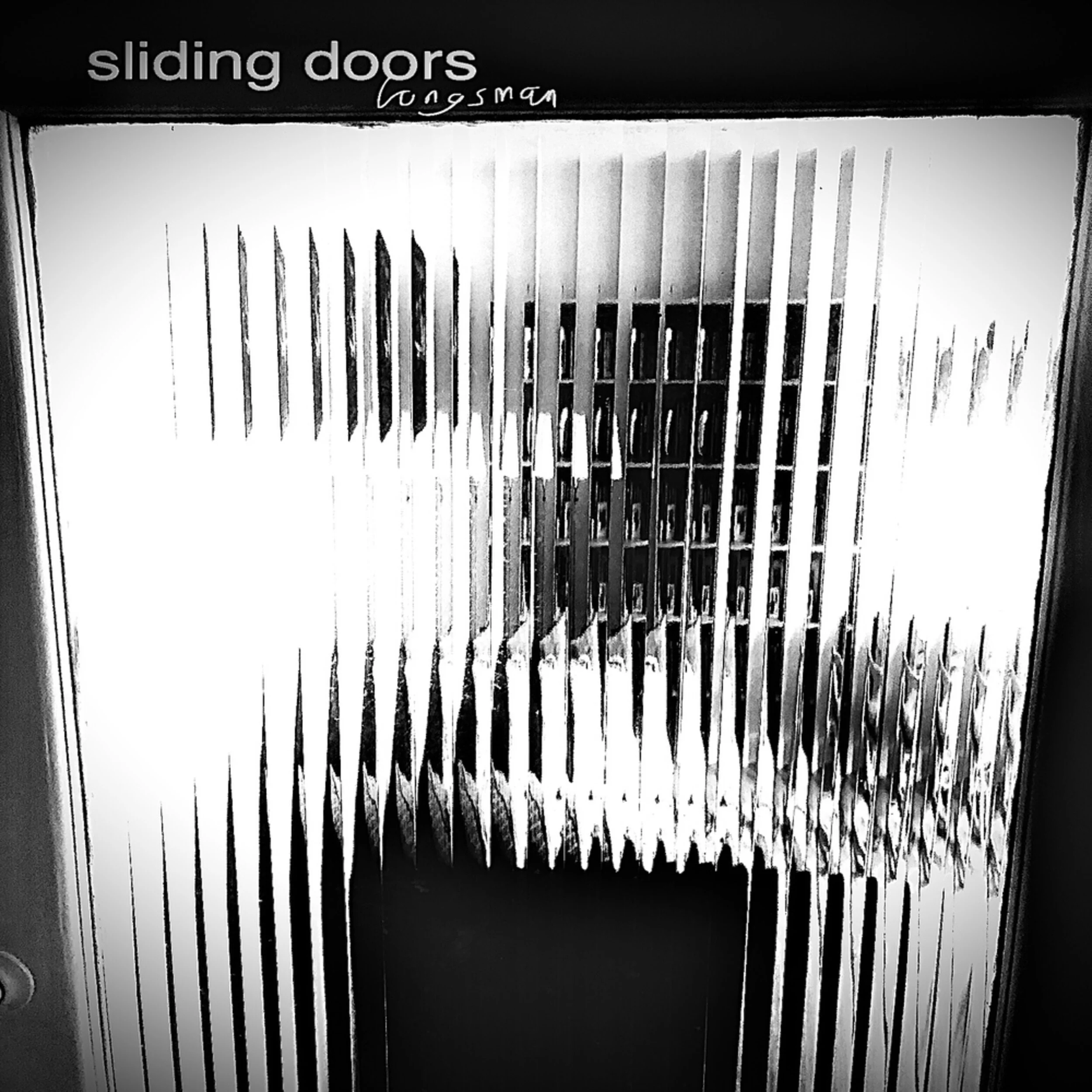
SINGLE REVIEW: LONGSMAN “SLIDING DOORS”
Reversing back in time and then a little further, to an ordinary day. The moment when you first met. The very beginning of butterfly effect that drastically changed your life over the time. What would it be if missed it through the sliding doors?
“Sliding Doors” has a lingering taste of destiny in its stirring, cinematic soundscape. It drags you into the parallel universe of possibilities and reflects on how the seemingly insignificant coincidence and decision eventually led to a meaningful journey.
What if you never met the person that broke your heart? What if you walked through the sliding door and missed the one true love?
The intricate second that changed your life and brought two souls together, for the best and the worst. “Sliding Doors” invite you to have a conservation with yourself.
Follow Longsman: