Esvan Du Quador Turns Grief Into Fragile Cinematic Beauty
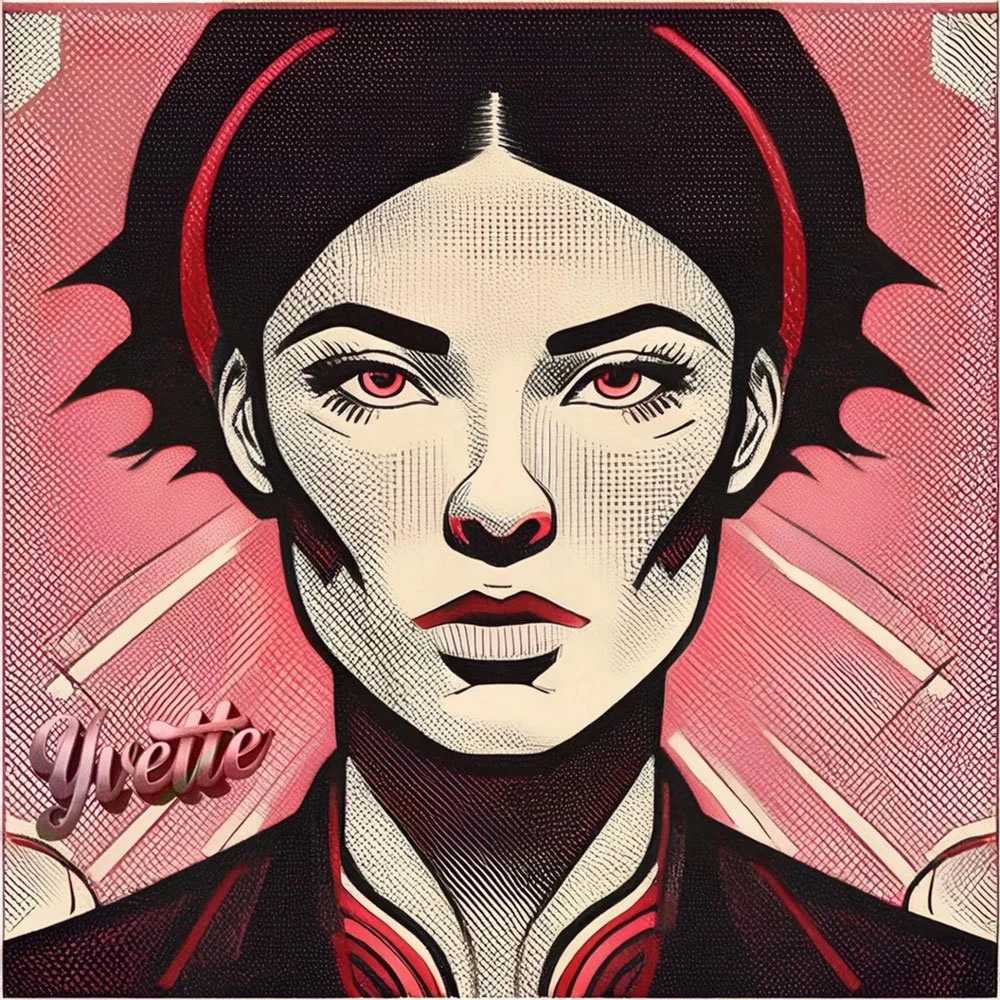
Punk Head: Yvette feels like a sonic memory. How do you translate personal recollections into musical language without words?
Esvan Du Quador: Ever since I was a child, I’ve found it easier to express myself through music or the rhythms I make with my mouth, for example, than with simple words. I used to be quite withdrawn and solitary, something I still carry deep inside me as an adult… although now I’m much more outgoing, and words can take over… but I always have a melody in my head before the lyrics when I’m creating a track
Punk Head: The track has a fragile, deliberate melody that almost feels on edge. Was that tension present from the start, or did it evolve naturally?
Esvan Du Quador: That tension was there right from the start; I was so on edge at the time when I heard of my aunt’s death at just 60 years old – she’d only been retired for a few months – it devastated me… I naturally channelled that fragility within me as I placed my fingers on the piano, and inspiration did the rest. The track was recorded without any editing or quantisation in the music software, which gives it that spontaneous, fragile quality that I wanted to preserve in the original version.
Punk Head: Famille is a series dedicated to your loved ones. How does Yvette’s mood compare to the other pieces in that series?
Esvan Du Quador: I think this track stands out from the rest because of the emotion it conveys following the sudden loss of my aunt… the other tracks are tributes, perhaps with a little less emotional weight.
Punk Head: Minimal electro-acoustic textures give Yvette its cinematic feeling. What’s your process for choosing which sounds or textures carry emotion?
Esvan Du Quador: I trained as a classical percussionist, so I’m naturally drawn to instruments such as the glockenspiel, tubular bells, the tambourine and the snare drum; I’m also very fond of strings and brass, which lend that cinematic quality that I particularly love …
Punk Head: In a world saturated with vocals and lyrics, what drew you to explore silence and instrumental storytelling for this tribute?
Esvan Du Quador: Sometimes we don’t need to sing or speak to express our emotions; a few notes are enough… and also because I’m a terrible singer… that said, I did record a few vocal parts on the track in tribute to my wife; I felt it was important to convey a spoken message specifically on this track, which is called ‘Susan’ – it’s still being mixed…