WAIN On The Making Of ‘Still Color,’ Crafting Worlds With Feeling, And American Dream
“Capturing Moments That Still Hold Emotional Color”
In a world where every production chases to impress the same algorithm, WAIN built his entire sonic universe out of feeling. Having released over a hundred tracks and collaborations between the US and Europe, the producer, songwriter, and mix engineer has made a name for himself crafting cinematic pop that sits somewhere between the intimate and the infinite.
With lush layers of acoustic warmth and precise electronic detail, where each note tells a story you can feel, Still Colorful marks the artist’s new masterpiece. On the release of this EP, we catch up with WAIN for a long talk about crafting emotional sonic worlds, working with artists, his relocation to LA, and legacy.
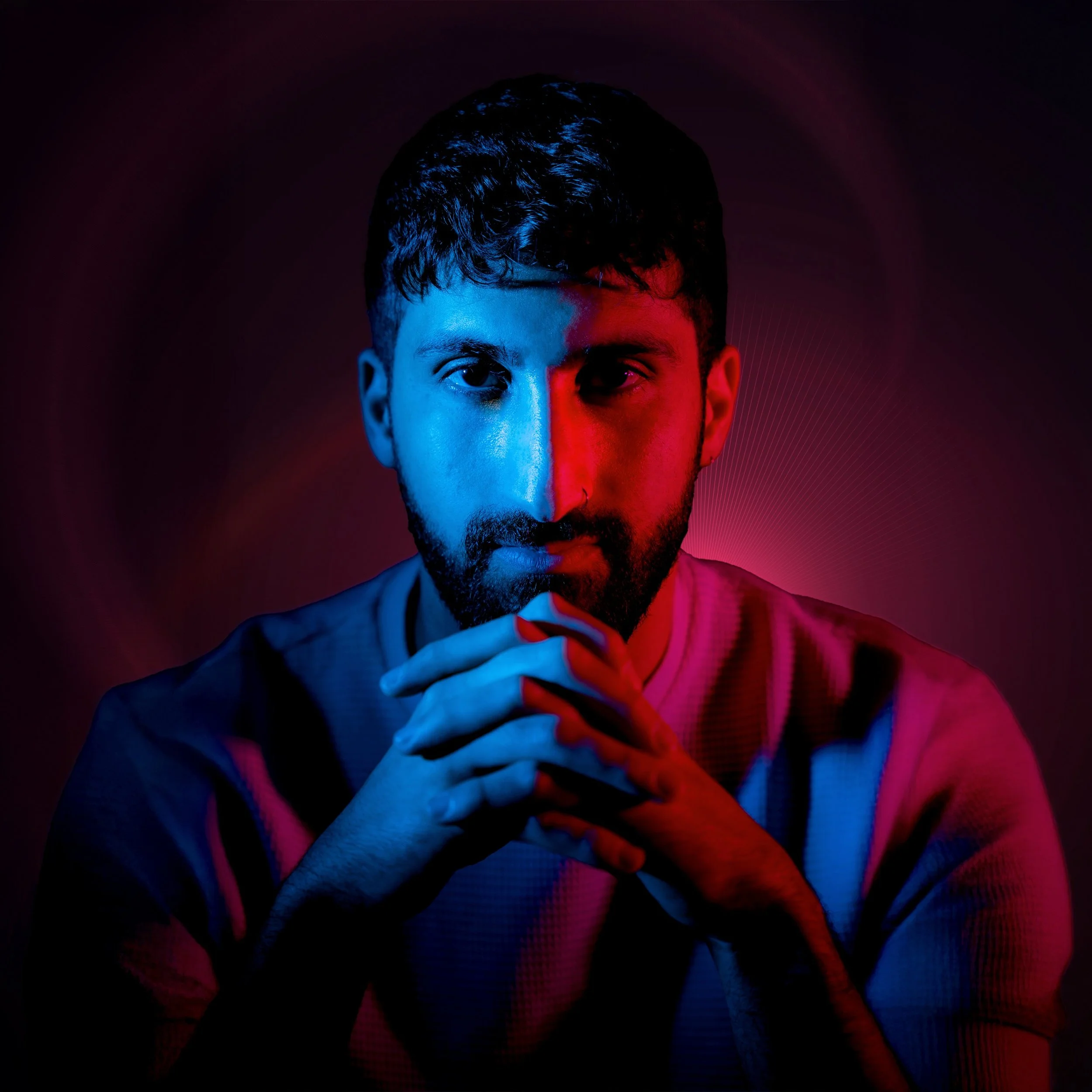
Punk Head: You’ve described your work as emotionally charged and story-driven. When you sit down to start a new production, what usually comes first for you, the emotion you want to capture, or the story you want to tell?
WAIN: Honestly, it’s almost always emotion first. I tend to start from a feeling before I even know what the song will be about. It might be something as small as a single chord progression that triggers a memory, or a sound that feels like a certain color or season. From there, the story unfolds naturally, like the emotion is trying to find its language through sound. I’m obsessed with creating songs that feel cinematic yet personal, so I often imagine the emotion as a scene before I write a single lyric. Once I know what the moment feels like, I’ll start shaping the story around it, who’s living inside that feeling, what they’re going through, what it smells like, what it sounds like.
That’s why I called the EP Still Colorful; it’s about capturing moments that still hold emotional color even when life goes quiet. Every track began with a different emotional palette, and my job was to translate that into something listeners could both see and feel.
Punk Head: Your music feels cinematic, yet intimate. How do you walk that line between something that feels big enough to fill a room and close enough to whisper in someone’s ear?
WAIN: That’s one of my favorite balances to explore. I think it comes down to how I treat space in production. I love layering textures that feel wide and atmospheric, but I always make sure the vocal, or the human element, sits right in front of you. It’s like being in a massive room but having someone talk directly into your ear.
A lot of my favorite records, from Bon Iver to Billie Eilish, do that perfectly. So, I’ll build an emotional landscape with reverbs, pads, and ambient guitars, then keep one sound dry, something that feels human and imperfect. Sometimes it’s even the noise of the room or the breath before a vocal take. Those small imperfections are what make the song breathe. It’s a constant dance between intimacy and vastness, and that’s where I feel most at home as a producer.
Punk Head: As someone who produces, writes, and mixes, you’re in control from the first chord to the final bounce. How do you stop yourself from overworking a track? When do you know it’s time to say, “It’s finished”?
WAIN: It’s definitely one of the hardest things to learn. For years, I would tweak endlessly, the mix, the snare, the reverb tail, until I realized I was killing the emotion by polishing it too much.
Now, I try to trust the moment when the song moves me again after I step away from it. If I can listen with fresh ears and still feel the same spark I felt on day one, that’s my sign it’s done. I also learned to bring in people I trust, collaborators, vocalists, and even non-musicians, to give me honest feedback. Sometimes, when someone says, “Don’t touch it, it already feels real,” I force myself to stop. Art needs to breathe, and perfection can suffocate it.
That willingness to let go has taught me that sometimes the most honest moments in music come from surrendering control and accepting a little imperfection. By trusting both my instincts and the responses of those around me, I create space for the song to reveal its truest form, where each decision serves the emotion rather than the ego. This approach has not only made my process more freeing, but it’s also deepened my respect for collaboration, reminding me that a finished track is less about technical perfection and more about capturing something genuine that resonates with both the artist and the listener.
Punk Head: As a producer and an artist yourself, you’ve worked with artists across different genres and countries. What have you learned about building trust in a collaboration—especially when you’re helping shape someone else’s story?
WAIN: Trust is everything. When an artist walks into the studio, they’re not just bringing their voice, they’re bringing their vulnerability. My first rule is to listen before I touch anything. I ask them what the song means, how they want to feel when it’s done. I’ve worked with pop vocalists, indie folk singers, and R&B artists, and in every case, the best songs happen when everyone feels safe to try things and even fail.
As a producer, I see myself as the bridge between what the artist feels and what the audience hears. So, my job isn’t just technical, it’s emotional translation. When someone trusts you with their story, that’s sacred.
That trust forms the foundation for every creative risk we take together. It’s what allows us to push past comfort zones and discover unexpected textures, melodies, or lyrics that might never surface otherwise. I try to nurture an atmosphere where curiosity leads, where it’s okay to chase wild ideas and where no suggestion is dismissed too quickly. Sometimes, the best moments come from a spontaneous harmony, a lyric born of laughter, or a production twist that turns vulnerability into strength. Above all, I remind myself that collaboration is an act of mutual respect, a space where every voice matters, and every story deserves to be heard with both care and courage.
Punk Head: Each song on Still Colorful features a different vocalist and co-writing team. How did you approach keeping the project cohesive while still letting each artist’s identity shine?
WAIN: That was one of the most complex yet rewarding parts of the process. From the very beginning, every song was written for a specific vocalist, emotionally, sonically, and lyrically. I didn’t just want singers to perform my songs; I wanted them to live inside them.
After I finished producing and sketching each track, I reached out to the vocalists I had in mind. Once they connected with the message, we sat down together and rewrote or reshaped parts, usually the second verse, so they could make the story their own. That way, every vocalist became a true co-writer, contributing to both the lyrics and the emotional tone.
Working with incredible writers like Tay Lerner, Nitzan, Tom Nir, Noa Shabon, and Lian Shahar was a huge gift. Even though only Nitzan ended up singing on the album, each of them helped shape its DNA, through melodies, lyrical phrasing, and emotional truth.
My approach to cohesion was to treat Still Colorful like a cinematic universe rather than a standard album. I used recurring textures, certain reverbs, guitar tones, and rhythmic patterns — that subconsciously connect the tracks, but the real thread running through it is the emotion. The goal was to make every song feel like a different scene from the same film. When you listen from start to finish, it feels like one painting with many shades.
Punk Head: Still Colorful feels like a deeply personal project, even though it’s built on collaboration. Was there a moment during the process when you realized it had become more than just a production exercise?
WAIN: Absolutely. There was one night mixing “Colorful” when I muted all the plugins and just listened to the raw vocal of ORIAN and the harmonics. In that moment, I realized the project had stopped being about production; it became about connection.
I saw myself reflected in the lyrics, the uncertainty, the hope, the tension between creation and vulnerability. I’ve produced over a hundred tracks for other artists, but Still Colorful was the first time all those experiences merged into something that felt like my true voice.
Throughout the album, I tried to focus on emotions that go beyond love songs. I wanted to write about human experiences, disappointment, self-doubt, depression, resilience, the quieter emotions that we rarely talk about in pop music. Every song tells a different story, but they all come from that same place: real people, real feelings, and the chaos of everyday life.
My dream was for listeners to find themselves somewhere in the record, not necessarily in romance, but in their own emotions. I wanted Still Colorful to remind people that even sadness, confusion, and fear have their own kind of color.
Punk Head: Sonically, the album moves through folk-pop warmth, ambient space, and pop clarity without losing its thread. What did you want listeners to feel as they moved through those shifts?
WAIN: I wanted it to feel like moving through memories, how one moment can be blurry and distant, and the next feels crystal clear. I’m fascinated by emotional transitions, so I built the EP to flow like a journey between different emotional rooms.
The folk-pop parts are like sunlight; the ambient moments are the shadows. Both need each other to exist. I wanted people to feel grounded but also lost in the same breath, like nostalgia, where beauty and sadness live together.
Punk Head: Looking back on the album now, which song changed the most from your first idea to the final mix—and what did that evolution teach you about your own instincts?
WAIN: The song “We Don’t Belong” definitely changed the most. At first, I didn’t know what to do with it. I had a rough idea and some lyrics, but nothing really worked. I didn’t like the production, and the melody felt forced. I must’ve rebuilt it three or four times from scratch.
It wasn’t until Nitzan Shahar came in and wrote this incredible melody that everything finally clicked. That melody became the emotional heart of the song; it gave the project something I felt was missing. After that, I produced it several more times, even bringing in others to experiment with different versions, until I found the one that felt right.
Then came Mira, whose voice was just made for this track. She brought this raw, powerful emotion that elevated the entire piece. Suddenly, the song had its full identity; it was everything I had been chasing from the start.
That process taught me that sometimes the best thing a producer can do is let go. You can plan, rewrite, and polish forever, but the magic often happens when you allow others to add their soul into the song. “We Don’t Belong” reminded me that instincts aren’t about control, they’re about recognizing when something finally feels honest.
Punk Head: Relocating to Los Angeles is a big step for any artist. What pushed you to make that move now, and what kind of creative community are you hoping to find—or build—once you’re there?
WAIN: I’ve always dreamed of making it in the United States; the idea of the “American dream” was always somewhere in the back of my mind. But for a long time, it was just that, a dream. It didn’t feel real or possible until one random night when everything clicked in the simplest way.
It’s kind of funny, but the turning point came from watching a documentary about the making of Ed Sheeran’s third album. He’s one of my all-time favorite artists, and seeing how that record came together, the people he worked with, the level of collaboration, the creative energy, something in me shifted. I realized that if I truly want to produce and create music with artists on that level, I must be there.
That’s when I decided I’m going to the U.S. It’s not about chasing fame; it’s about proximity to possibility. I want to surround myself with people who live and breathe music, who are constantly pushing boundaries. My goal is to build real connections, to collaborate with artists whose songs reach millions, and to make music that reaches hearts, not just charts. Los Angeles feels like the place where that can finally happen.
Punk Head: You’ve already released over a hundred tracks, which is a massive catalog. When you look back, do you hear more of your evolution or your consistency? What parts of “old WAIN” still live in your current work?
WAIN: Both, actually. The early WAIN was raw, emotional, and instinctive. I didn’t know the “rules,” so I just followed the feeling. Now I have more structure and skill, but that same rawness is still the heart of everything I do.
If anything, I’ve learned to protect that part of me. My production has evolved, but the purpose hasn’t changed: to make music that makes people feel less alone. That’s the thread that’s always been there.
Punk Head: You wear a lot of hats—producer, songwriter, mix engineer. Which of those roles feels most like home to you, and which still challenges you every time?
WAIN: Producing feels like home, it’s where I get to blend the emotional with the technical. But mixing still humbles me every single time. It’s where every decision matters, and one small move can change the entire story of a song.
I love that challenge, though. Mixing teaches you patience and restraint. It’s not about showing off what you can do, it’s about serving the emotion. Every mix reminds me to stay human inside the technology.
Punk Head: You’ve said your goal is to create music that connects on a human level. In an industry where numbers often overshadow nuance, how do you measure success for yourself?
WAIN: For me, success has never been about streams or numbers, it’s about impact. I think we live in a time where people confuse visibility with meaning. I’d rather have one person listen to a song of mine and feel something real than a million empty plays.
I don’t create to impress algorithms; I create to make people feel human again. I believe music is one of the few things that can still bridge silence, culture, and pain, and if my songs manage to do that, even for a handful of people, then I’ve already succeeded.
Success for me isn’t a finish line, it’s a connection. It’s knowing that somewhere, in a different country or time zone, someone presses play and feels a little less alone.