
Maria Lane On the Making Of ‘35 days’
Can you share any interesting or unique stories or perspectives in '35 days?'’
In ‘35 days,’ I explore the emotional landscape of long-distance relationships, which I've personally navigated more than once. The essence of the song reflects how digital the experience feels; like you're reaching out, but only connecting through a screen. It’s a journey through the sense of separation, the feeling of a wall between two souls despite being so emotionally connected. This ep is a reflection of the trials of distance, the heartache of longing through a screen, and the perseverance of love despite the odds.
Which song do you like the best and why?
I have a special fondness for “quality time.” What stands out to me about this song is its lyrical depth, which feels akin to a heartfelt monologue. As I penned down the words, I sensed an urgency to voice all the emotions and thoughts bubbling inside. Musically, I'm particularly proud of its progression; beginning with a mellow guitar strumming which then crescendos into an intense “rock” vibe by the time we hit the bridge. The juxtaposition of the calm start and the fervent climax mirrors the emotional rollercoaster that relationships often bring.
How does '35 days' fit into your overall artistic vision?
Visually, I think it was captured really well in terms of how I imagined the cover art to be, the image when you're laying in your bed with your phone next to you and you keep looking at it to see if this person texted you back, the agonizing anxiety that can bring.
Sonically, it feels closer to the kind of music I want to be making, and each song is a journey of its own but it has an arc, which is how I want my music to feel.
Can you recall a particular moment, artist, or experience that had a significant influence on your music?
Absolutely, theater has been a profound influence on my musical journey. My passion for theater was one of the earliest I've ever had, and it greatly shaped my understanding of storytelling. I learned the significance of specificity in lyrics from being onstage and getting to be experiencing these stories. Theater is all about transporting the audience to another world, creating an environment so tangible that you forget reality for a moment. That's what I aim for in my music too. I strive to craft songs that don't just sound good but feel immersive, where every lyric paints a scene so vivid that listeners feel they're right there in the midst of it. It's that tangible, enveloping experience I fell in love with in theater, and it's what I aspire to deliver in my music.
How do you balance crafting relatable stories with maintaining your unique voice as a songwriter?
I always draw from my own experiences when I write. By focusing on specific moments in my life and translating them into lyrics, I believe that's where the relatability comes from. For me, being honest and raw in my storytelling is key. While I have numerous musical influences that inspire me, I'm careful to ensure that the essence of my music remains authentic to my experiences. By being truthful in my approach, I naturally blend relatable stories with my unique voice, giving my music a distinct touch that's all my own.
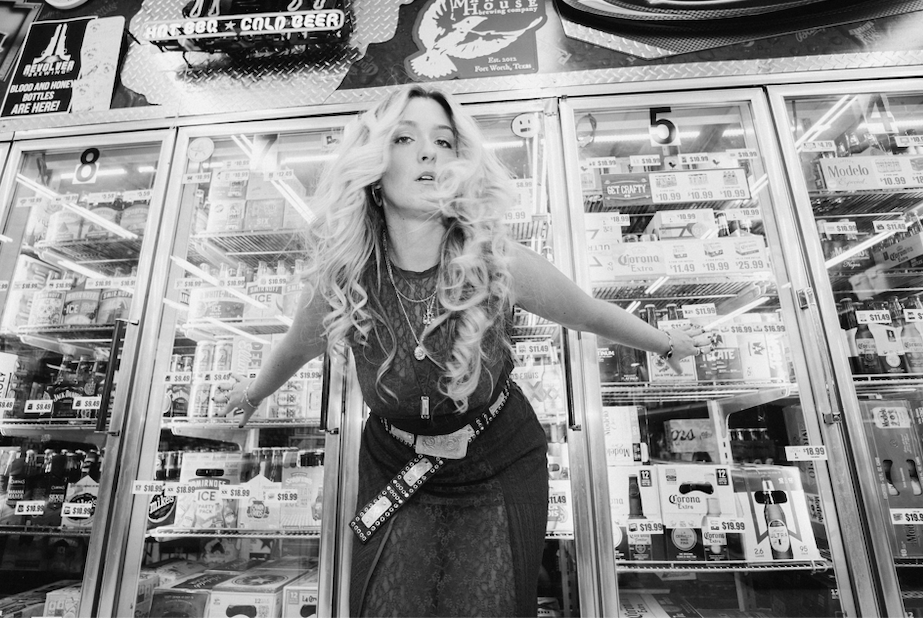
Alexandra On the Making Of “Funny”
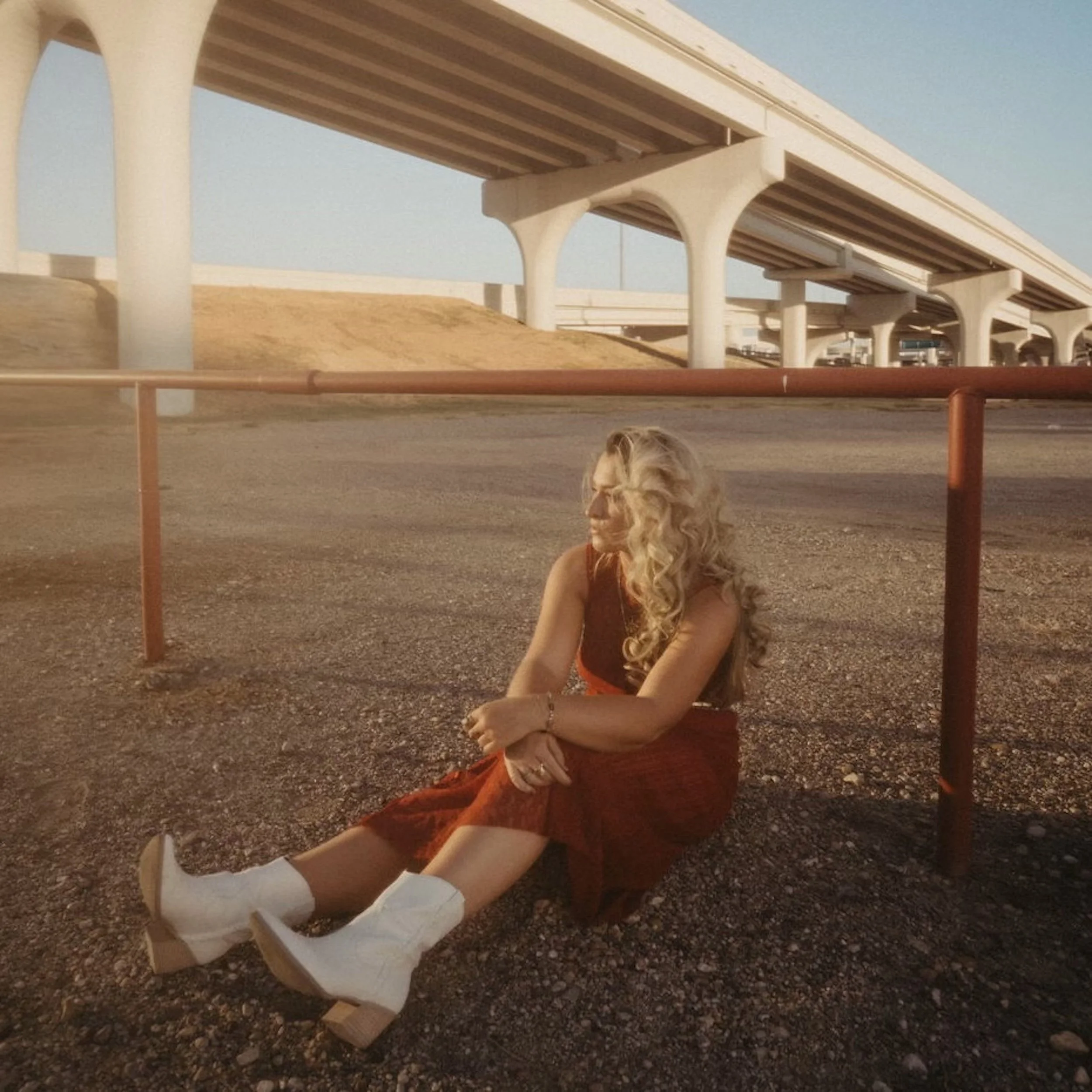
What was the initial spark or idea that led to the creation of "Funny?"
I had a moment alone in my bedroom where I was almost giggling to myself at how good of a day I had considering that the previous day had been so miserable. And I realized that the only thing different was just the fact that I woke up on the right side of the bed, so to speak. I did the same exact thing both days, but they felt like polar opposites. Under my breath, I said to myself, “life is just so damn funny like that, isn’t it?”, and “Funny” was born. I wanted to write about how fickle and human this whole experience is.
Were there any memorable or standout moments during the recording sessions for "Funny?"
I remember on day 2, I believe, of recording when two members of my band came in to record bass and guitar. The previous day, we tracked the bones of the song, but Adam (my guitar player) came in and just made it come alive with his lead guitar parts. All of those tasty licks and ear candy parts you hear just came out of him like breath. Both he and Dan (my bass player) elevated this track to new heights and watching the synergy of my amazing producers at Matte Black Sound and the insanely talented musicians I get to call my bandmates bring this thing to life in front of me… it made me emotional. It’ll never get old listening to other incredible musicians play my music.
What did you enjoy most about making "Funny?"
It just felt so easy. The love that everyone involved had for this song made it feel like play… which I really needed at the time. It just felt like a jam band session with my pals. Pals that really believed in me and believed that song. It was almost shocking how easily everything flowed - almost like it just needed to and was ready to come out.
What is your songwriting process like? How do you usually start crafting a new song?
It usually starts with a one-liner or some sort of thesis statement-like idea. Once I have a concept and hopefully a hook line, I can write a whole chorus. Then the rest of it just flows out. If I start writing a song, I have to finish it right then. Even if I make edits to it later, I have to finish version 1 or else I just won’t come back to it. I’ll write a song in sometimes as little as a half hour if it feels good.
Do you have any memorable on-stage moments or performances that stand out to you?
This past June, I opened for Abraham Alexander at his sold-out show at the Kessler in Dallas. The Kessler was one of the first places I saw live music when I moved to Dallas in 2018 and I remember just dreaming of playing there one day. My parents and my best friend flew in from Ohio. It was unbelievably special. To finally accomplish that, with my closest friends and family there to experience it with me, I was left in awe and gratitude. I still am.

Govorukha On the Making Of “Scissors”
What was the creative process like for "Scissors?"
It was one of those songs that I wrote in about a few hours. I remember sitting in my studio apartment around 5 years ago with literally nothing around me - I just moved in, so all I had was a mattress on the floor and no Wi-Fi. It helped me in a way - I had a long “me and my guitar” moment :)
Can you talk about the recording and production process for "Scissors?”
Recording took place in my apartment. And I must say, it’s quite challenging when you have road construction going on seven days a week and a lovely, but a loud dog. So, oftentimes, I had to wait for that few-hour gap between the end of the workers’ shift and the silent hours. Then, make sure upon each take that my dog is not making any noises. I think there is still a guitar take somewhere in the project where my dog makes a really deep sigh as if she is tired of me recording one strumming pattern again and again.
Also, “Scissors” is the first song I took seriously from a production standpoint. I saved money, enrolled in a production course, received great help with some invaluable tips and eventually with some guidance did all the mixing in my bedroom.
What are you most proud of this track?
I’m truly proud of the overall mix. It could have always been better, especially, when I’m hearing it again now, but at the end of the day I’m just doing my best to level it up every time. I even left my demo EP out I released last year on all the platforms as I reminded myself where it all started and how the quality improved with practice.
Can you tell us a bit about yourself and how you got started in music?
I was born in Russia at the Chinese border and later on moved to Saint Petersburg to study. For a few years, I’ve been based in Czech Republic, where I have my solo acoustic project and a post-punk/gothic rock band. All my childhood my dad would sing me some songs from around the world - from Scorpions and Modern Talking to Toto Cutugno and Joe Dassin. He would also let me strum the guitar while he was changing chords and singing. That way I felt involved in the process in a way and even imagined myself playing in front of someone one day. So I think getting interested and then starting in music was inevitable in my case.
I remember asking my parents for a guitar for my 15th birthday. I had tons of motivation to learn but with the birthday still 5-6 months ahead…I just couldn’t wait. So, eventually, I grabbed my dad’s 12-string fender and got started. It was incredibly hard to begin with a 12-string guitar from scratch, but I liked the challenge.
Are there any specific artists or musicians you dream of collaborating with?
Honestly, I haven’t thought about it in terms of my solo project. But I think I would love to do something with either Flatsound or Damien Rice :)

Livi Jacobs Releases “Copacabana”
“Copacabana”, Livi’s fourth release, is a song focusing on the desire to break free from daily routine. The lyrics emphasize wanting to escape the repetitions of every-day life, no matter where to. Shutting off ties to “real- life” and exploring the unknowns of this world, finding oneself again. Livi states that she feels lost sometimes in the noise of the world and when she wrote this song, she captured the feeling of wanting to escape just for a little while. The production enhances the beachy, dreamy feel Livi is portraying, using the guitar as rhythm instruments and relying heavily on acoustic elements.
Livi Jacobs, is an Austrian born and raised singer-songwriter, now based out of a small remote town on the southwest coast of Florida. Since her early teenage years, she knew she wanted to pursue music. She spent her last years traveling the country, honing her craft. Attending workshops, the Idyllwild Arts Academy where she majored in songwriting, moving to Nashville and then to LA, working with people who she could learn from and who shaped her as an artist.
Livi is a new-comer in the industry, having released three songs prior to “Copacabana”. Within three months of her debut, Livi has accumulated over 70,000 streams and over 1,000 playlist adds, building her following steadily with every release.

Anoush On the Making Of ‘ONE’
What was the creative process like for this particular 'ONE?'
The creative process was all-consuming. Music came to me in every situation and I was writing faster than I could record & produce, so it was nice to capture some of it and turn it into an album.
What was the initial spark or idea that led to the creation of 'ONE?'
Something awakened in me during the Covid lockdowns and that’s when the music really took off. Once I started writing, I was hit with a tidal wave of inspiration. The floodgates were open and the ideas kept coming.
Which song do you like the best and why?
My favorite song is “I SEE YOU,” because it’s the most fun to play on the piano.
Can you share a bit about your musical background and the journey that led you to where you are today?
I grew up in an Armenian/ American household and was always exposed to many different cultures and genres of music. My classical training started when I was a toddler, but I am still learning and playing. I love how music offers a bridge between language barriers and connects people. That's a beautiful thing.
How has your music evolved since you started as a singer-songwriter? What have been some key milestones in your artistic journey?
When I first started writing, the music that came through was more folksy and meant to be played on an acoustic guitar, but I don’t play the guitar, so I had to figure out how to create the sound I wanted on piano. It took a lot of experimentation to come up with the sound I’m playing with now, but it worked out for the best because this is the music my lyrics needed.
My biggest milestone was gaining over 100k new listeners on Spotify after releasing music for the first time in April, starting with "Cherry on Top."
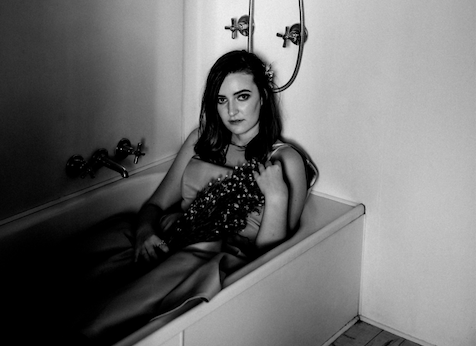
Athena Joy On the Making Of “Blame it on the Brain.”
How do you feel "Blame it on the Brain." represents your artistic identity?
I've always been kind of drawn to moody/darker vibes when it comes to music and I feel like I always have a bit of pop undertone to everything I create and “Blame it on the Brain.” is no different. If I'm honest though, when I'm creating music I less think about my identity as an artist and more about the identity of each individual song. I don't want to pigeonhole myself, this music represents where I am right now and that's all that matters to me.
Were there any challenges or breakthrough moments during the songwriting process for "Blame it on the Brain.?"
The song itself was actually very easy to write as I wrote it never really intending for anyone else to hear it. It was more like venting for me, so it came together really quickly. The biggest challenge with it was that I had chronic pain at the time and it hurt to talk so I wasn't singing or writing for a while. I had a really bad appointment with a doctor and came home and basically said "f*ck it" and just sat at my piano and wrote the song.
Were there any memorable or standout moments during the recording sessions for this song?
I remember most creating the bridge section - the night before the session I had written the lyrics for it and put this bass line together. We were recording drums with my friend Trevor the next day and it sounded so epic and fun I think I squeeled. I told the producers I wanted it to sound like a mental breakdown so that inspired a lot of the ideas for it.
The song has evolved a bit since then, that bass line is now actually in the chorus.
What inspired you to pursue a career in music?
Music has kind of always been that thing for me honestly. Where I've felt like I can be as weird and crazy as I am and it's just accepted. I've tried the 9-5 desk job thing, but it's not for me. I was born to create things.
What advice would you give to aspiring musicians who are just starting their musical journey?
If I'm honest the advice I normally give to aspiring musicians is to just not listen to advice... There are so many people who think they know best in this business and are gonna tell you how you can 'make it' and give you all the advice in the world but the reality is no one is going to hand you tickets to the kingdom. There is no one pathway of 'making it', if you listen to most musicians everyone has a different story of how they got into it and how they make it work, it's annoying but reality is the best thing to do is just get out there and start working out what’s going to work for you. What works for you isn't going to work for someone else- write your own story.
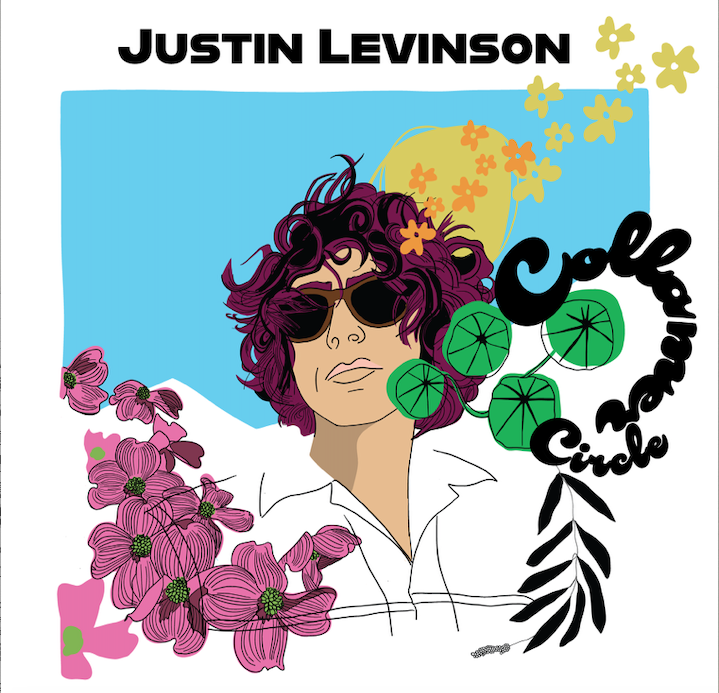
Justin Levinson Releases ‘Collamer Circle’
VERMONT SINGER-SONGWRITER JUSTIN LEVINSON IS DUE TO RELEASE ‘COLLAMER CIRCLE,’ HIS FIFTH FULL-LENGTH ALBUM— AND FIRST SINCE HIS RETURN FROM A FOUR-YEAR STINT IN LOS ANGELES.
JOINING FORCES WITH FELLOW VERMONT-BASED SONGSMITH BEN PATTON, THE PROJECT MARKS THE FIRST OFFICIAL COLLABORATION BETWEEN THE TWO AWARD-WINNING SINGER- SONGWRITERS, STRENGTHENING A MUSICAL BOND THAT DATES BACK TO THE DUO’S HIGH SCHOOL YEARS.
THIS COLLABORATION FORMED THE GROUNDWORK FOR SEVERAL OF THE SONGS ON ‘COLLAMER CIRCLE,’ WHICH TACKLES THEMES RANGING FROM THE COMPLICATED SIDE OF RELATIONSHIPS (“BURN YOUR WHOLE WORLD”, “MADELINE, FOR THE WIN”), IMPORTANCE OF SELF-AWARENESS (“I WASN’T CAPABLE”,“THEN AND THERE”), AND READINESS TO ACCEPT LOVE (“SHE SPREADS SUNSHINE”, “LEAD ME TO YOU”).
THE RECORD IS TIED TOGETHER BY JUSTIN AND BEN’S MUTUAL KNACK FOR MELODIC HOOKS, STRONG HARMONIES, AND AMBITIOUS MUSICAL ARRANGEMENTS, REPRESENTED IN THE UPBEAT POWER POP AND EMOTIONALLY-CHARGED BALLADS THAT HAVE ALWAYS BEEN PRESENT IN THE DUO’S RESPECTIVE SONG CATALOGS. IN ADDITION TO HIS LYRICAL CONTRIBUTIONS, PATTON SHARES CO-PRODUCING AND ENGINEERING DUTIES WITH ADAM POPICK, ANOTHER LONGTIME COLLABORATOR OF LEVINSON’S. AT THE HELM FOR MIXING AND MASTERING IS STUDIO WIZ AND 8084 FRONTMAN ANDRÉ MAQUERA.
Alexia Vegas Releases “There's No Way”
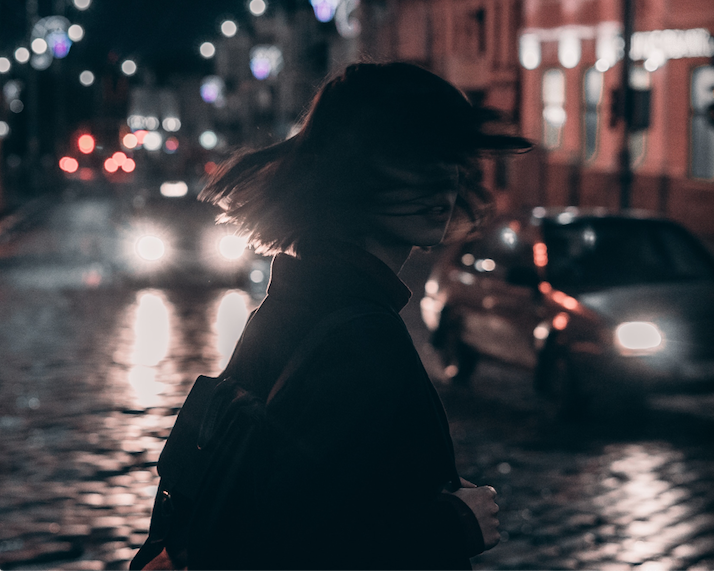
Sometimes being honest with yourself is the hardest thing to do when a relationship fails. It's especially difficult if the fault was yours. In "There's No Way", Alexia Vegas admits that she continues to be obsessed about her lover and fears that "there's no way" she'll ever get through her day without him. She sees him and hears his voice everywhere she goes. The worst thing of all is waking up every morning when, as Alexia sings, "The silence tells me that you're really gone."
"There's No Way" has a dark, steady and melancholy beat. The verses carry the listener through Alexia's day as she copes with a broken relationship, then the chorus breaks free, with Alexia's engagingly sweet and wistful voice souring high with heartbreaking honesty.
Alexia Vegas’ music has been called "melodic masterpieces disguised as infectious pop tunes!” She is new to the music scene but not new to the music world. At 23 years old, she is already an industry veteran with more than seven years of experience.
Dom Malin Releases “Fever”
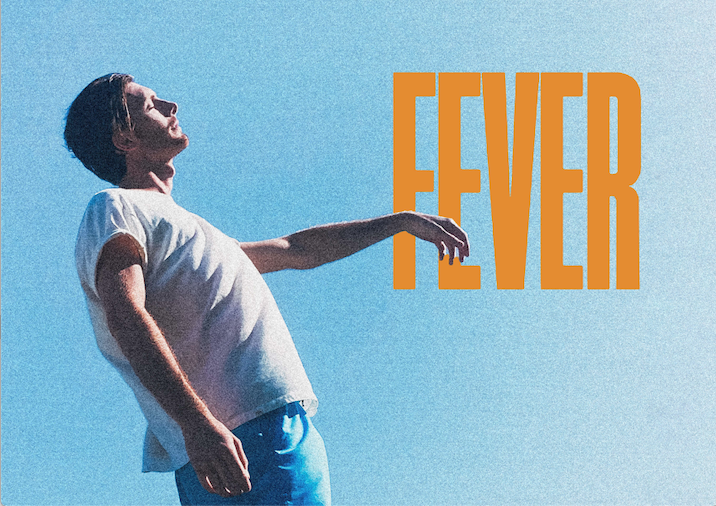
The lyrics intricately unravel a tale of profound attraction and intense longing, casting a vivid portrayal of two souls entwined amidst a frosty winter's night.
Dom Malin has built his life around music. From acquiring his first electric guitar at 12— it was written in the stars, he was meant to be a musician!
He has on several occasions, been the artist of the week for BBC Introducing Lincolnshire and gained support from numerous blogs: Indie Music Centre, Mahogany, and RGM.
Malin intrigues and allures you to his introspective landscapes by crafting music from the world around him. With sensual poetry, notes of nature, and tender vocals he explores the array of emotions on offer through genre-fluid melodies and dynamic instrumentation.
Arn-Identified Flying Objects and Alien Friends On the Making Of “Dirty Dick Dies”
What was the initial spark or idea that led to the creation of "Dirty Dick Dies?"
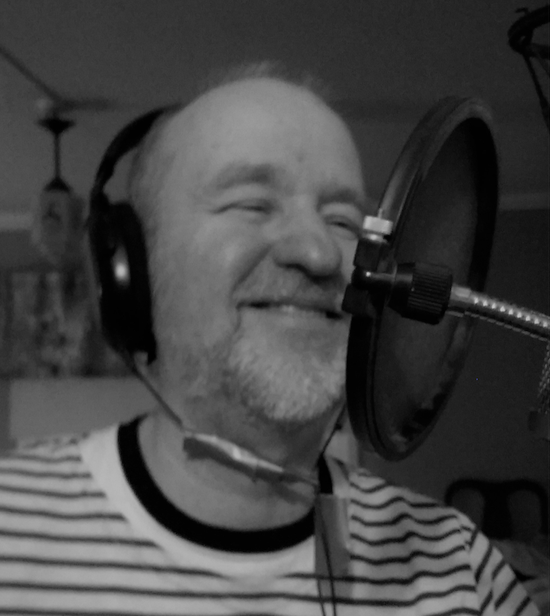
Ideas usually come to me in short musical phrases, more or less from out of the blue. In this case, it was the bassline heard in the intro and the bridge, in combination with the words that open the song: “Dirty Dick was driving down Memory Lane”. The rest of the song grew out of this atom, and kind of wrote itself. Some tunes take months to write, this one was finished in an afternoon.
Were there any memorable or standout moments during the recording sessions for "Dirty Dick Dies?"
That would be when the saxophone was recorded. I’d been struggling with arrangement and recording but had the annoying feeling that something was missing. With the sax, beautifully played by David Lennartsson, the bits fell into place. The somewhat sombre tune gained in variation and dynamics.
What do you like the best about this track?
I’m happy with the fact that I managed to tell a whole life’s story in four minutes. My lyrics sometimes have a tendency to become a bit vague (or too obvious – difficult balance there!) This one, I think, holds together rather well, but without telling too much.
How do you approach collaborations with other musicians or artists?
I usually talk to friends I’ve played with in the past or haven’t played with, but know from other arenas of life. I try not to be too specific here. Usually, fellow musicians come up with ideas that give the songs a breath of fresh air – and sometimes even new musical direction. Inspiring!
Are there any upcoming projects or releases that you're particularly excited about?
I’ve just written a bunch new songs for a new album – in Swedish. That’s a challenge, as I haven’t written songs in my native language for a loooong time. I might try to write English lyrics for some of the songs (rather than trying to translate), but haven’t made my mind up yet…
Tom Ciurczak On the Making Of ‘I Ain't Ever Growing Up: Volume I’
Can you tell us about the inspiration behind 'I Ain't Ever Growing Up: Volume I' and the story it tells?
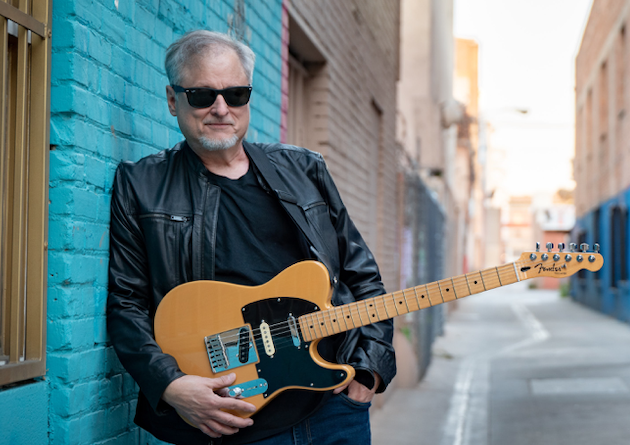
The title reflects the youthful spirit still in all of us as we age, well, at least it does in me. I see many bar bands and go to a lot of concerts. There is still a lot of love for the type of rock music that I like to write and play. But, there seem to be very few new artists writing music, these days, that sounds like Bruce Springsteen, Tom Petty, John Mellencamp, Warren Zevon, etc. I could see that there was still a big demand for the high-energy rock songs I write, and I had quite a collection of them that needed to get recorded.
I released my first album “Call Me Ishmael” in 2020, right at the time that COVID shut everything down. Even though the planet was shut down, it still received great critical success and was played on over 250 Radio Stations. This encouraged me to record the follow-up “I Ain’t Ever Growing Up Volume I” I believe if there is ONE thing that keeps us all young, it’s music. Also, I believe it’s the kind of music you grow up with that is forever stamped into your heart and soul. I wanted to make sure I contributed to keeping rock alive and keeping everyone forever young through my music.
Were there any memorable or standout moments during the recording sessions for 'I Ain't Ever Growing Up: Volume I?'
Yeah, there were SO many great guest musicians that we recruited to play on the album. Having them all play on the album was such an honor. We had so much fun at the recording sessions, that I wish we would have recorded more songs. As it were we recorded two albums worth (Volumes I & II). Kenny Aronoff, who plays drums for John Mellencamp and John Fogerty, played drums on 3 songs and entertained us with behind the scene stories of working with the great ones. Richie Gajate Garcia, who played percussion on the album is one of the preeminent percussionists in the world toured with Phil Collins, the Four Seasons, and Tony Orlando and played over 80 shows of “The Lion King” on Broadway. He asked me please no “Hakuna Matata” when we record “Kilimanjaro Skies”, I told him not to worry the chant I used in the song was “Bula Matari” (you’ll need to look it up to see what it means!).
Every Guitarist on the album was fantastic and they all brought their own unique style and contribution to the record: Sarven Manguiat, Matt Hornbeck, Federico Navarro Trias, and Angela Petrilli were all amazing. Travis Carlton (who is the son of Larry...the talent doesn’t fall far from the tree) and Brett Grossman (also the primary engineer) traded off on bass throughout and both were awesome.
We wanted to bring some different sounds to the album, so we brought in a Vibraphone player, Alexander Burke, I had no idea about the important sound contributions he was about to make, but it turned out to be very significant to the album. I am so glad we made this decision. What a talented musician and what a cool instrument to hear in the mix.
We consciously wanted to stay away from sounding too much like Springsteen, so we decided to use Harmonica instead of Saxophone. Matt Lomeo, another from upstate NY who has the distinction of being the youngest artist to perform at Woodstock, came in and just blew the roof off of “The Vault.”
Aaron Durr, who played all the keys on my first album, contributed heavily again to “I Ain’t Ever Growing Up Part I”. The most memorable is the eerie bridge section in my homage to the 1970s Prog Rock track “Nights on Fire.”
The background vocalists included: Harrison Crenshaw, Jayme Palmer, Elise Lily (from year One of “the Voice”), and my secret weapon, my daughter Kelly Ciurczak.
The entire album and recording session would not have come together without the major contributions from the team of Brett Grossman and Stephen Haaker (who also played drums on 5 tracks). They handled all the producing, engineering, mixing, and mastering roles. In addition, the recording sessions were so well planned and organized by them, that I could never sing their praises high enough.
What has been one of your most favorite memories along the path to making this album?
I set out with a simple goal of making a better album than my first. Not as simple as it sounds. I needed even better songs and then I needed to execute them stronger.
The first thing I decided to do was to take singing lessons. I got together with Harrison Crenshaw, who had coordinated all the vocals on my first album. It was probably the smartest thing I did in advance of the new album and I had a blast. I didn’t think I would enjoy singing so many different “Broadway Show Tunes”, but it got me out of my comfort zone and gave me a lot more confidence with my range. He really helped me find my voice.
Also, I met with a number of different people to review many of the songs I was considering for the new CD. One of the people I met with was Richard T-Bear a producer and performer who has worked with Crosby Stills and Nash, Cher, Walter Trout, Richie Havens, and Kiss just to name a few. He listened to all my songs and simply said I needed to rewrite them all. This was not what I was expecting, but I quickly realized he was right. If I was going to make a better album than the first thing, I would need better songs. So, I spent the next 6 months re-writing and re-arranging all of the songs in addition to taking vocal lessons and working on improving my live performances.
I was unable to perform after my first album was released, due to the COVID shutdown. Once the COVID shutdown was lifted, I began the process of playing regularly out live 2-3 times per week in Orange County, CA. I wanted to refine my stage performance so that I could take the new album to the stage and perform it all live.
Can you share a bit about your musical background and the journey that led you to where you are today?
I grew up in a musical family. My father was the principal trombonist for the United States Military Academy Band at West Point, NY. The neighborhood I grew up in consisted of all the band members, so from an early age, I was surrounded by music everywhere I went. Then, what I like to refer to as, the “Big Bang” occurred Feb. 9th, 1964, when the Beatles played on the Ed Sullivan Show. I and a million other kids decided that’s what we wanted to do, so I picked up the guitar and started off on my long musical journey.
In my early teens, I discovered a true love for songwriting. To me, songwriting was an art form like no other and I have worked on it diligently throughout my life, even while working a regular job to support my family.
In 2014, I attended a songwriter’s masterclass taught by Steve Earle. I met so many talented songwriters there that I like to say I found my lost tribe. Meeting so many similar-minded songwriters and musicians turned out to be the spark to finally record the songs I had been writing my entire life.
My daughter, Kelly, introduced me to Brett Grossman, a recording engineer friend of hers in Los Angeles. He in turn brought in drummer and producer, Stephen Haaker. The three of us started laying out the plans for an album, and in 2019 we went into Perfect Sound Studio in Frogtown, CA to record my first album “Call Me Ishmael,” which I mentioned earlier. was well received, but unfortunately, I never got to showcase it live with a full band due to the pandemic.
Brett, Stephen and I got together in the summer of 2022, again at Perfect Sound Studios, to record a follow-up album “I Ain’t Ever Growing Up.” In the end, we recorded enough songs for two albums! We released Volume I on August 4th, and we plan to release Volume II next spring.
Do you have any memorable on-stage moments or performances that stand out to you?
I think the best is yet to come. This time around, I have put together a full band to showcase the material. So, I hope you can catch one of our upcoming shows in the Orange County and Los Angeles area to hear all the songs on the album performed live.
Check my website TomCiurczak for upcoming concert dates.
The music is available in all the usual places, and on Bandcamp; thank you for the opportunity to share it!
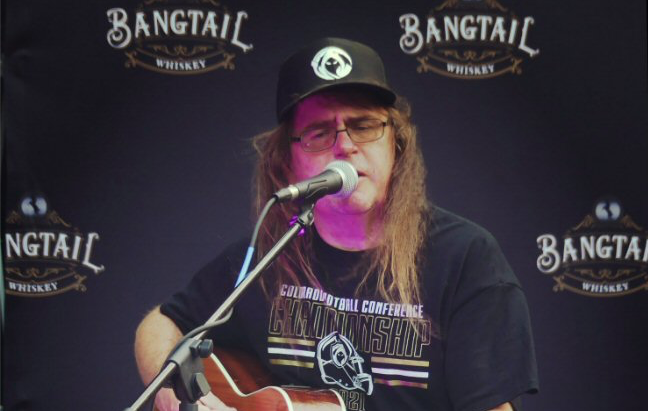
Rockin’ Rich Lynch On the Making Of “The Streets of Nashville”
What was the creative process like for this particular "The Streets of Nashville?"
Well, the process was fueled mainly by anger and disenchantment. I went on the local news here earlier in the year to voice my objection to the misguided public policy being introduced in downtown Nashville. I wanted to add my voice in the best way I know how - as a songwriter. Once we established a lyrical direction it became obvious that we needed to add some actual street names to call out in "The Streets of Nashville".
What do you like the best about this track?
I actually like the syllabic utterances that begin and end the track. That is a songwriting tool and trick that I haven't really pursued in the over 40 songs we have put out to date. It might be a case of Nashville finally rubbing off on me and it is something I need to explore further in future writing sessions. I also like the consistent urgency and convincing flow of the song's three verses.
How has the audience response been to "The Streets of Nashville" during live shows?
I've gotten a lot of "Amen, Brothers" being hurled in my direction. This issue has really struck a raw nerve with the musicians and hospitality workers here in Music City. I also hope that the powers that be will feel the big helping of shame I cast their way within my catchy little protest anthem.
Can you tell us a bit about yourself and how you got started in music?
As much as I hate to say it, I am a bit of an old-timer. But, I've always felt blessed to say that the music of the 60's, 70's, 80's and to a lesser extent - the 90's - has been nothing short of an influence, inspiration and the literal soundtrack of my life. Along the way the most important male singer-songwriter types like Tom Petty, Neil Young, Bob Dylan, Bruce Springsteen and John Mellencamp became my personal role models and I aspired to create a body of work that someday could be compared to theirs. As of 2023, I am still trying... LOL!
How do you balance the artistic aspects of your music with the business side of the industry?
I am still in 80-20 mode as far as the artistic versus business relationship goes. I have spent nearly a decade getting a small fraction of the songs I've composed into recorded form for sale and consumption. Of course, in that time the business I thought to be entering has undergone several seismic and fundamental changes where the song is no longer the sole driving source of income for the independent artist. It is generally understood nowadays that best chance a musician has to make a living is to take their show on the road. But, that comes with its own set of challenges and costs. However, if a promoter wants to book my band we will happily come to your town to show you that Nashville knows how to seriously rock!