Punk Head Present: Honeybadger, Angerland, Jayniac Jr. Ben Aubergine, And BRIEL the Artist
Today, we’re presenting artists who provide a different voice in music, whether through provocative lyrics or genre-breaking arrangements. They might not speak the same musical language, but what they have in common is a voice that speaks the truth and a spirit that’s willing to step outside the box.
This edition brings forth the discussion about gender, identity, nostalgia, and disillusion, featuring Honeybadger, Angerland, Jayniac Jr., Ben Aubergine, and BRIEL the Artist.
BRIEL the Artist - ‘DAMN GENESIS’
DAMN GENESIS is born out of freedom and courage. It’s about reclaiming a voice that the world tries to box in and erase. It’s about raw honesty and unapologetic truth. It amazed me how fluid and beautifully chaotic this mixtape is, where everything happens all at once—hip hop bleeds into freestyle and jazz. It evolves and never stays in one place. It peels off layers and allows things to get messy. And in there, you get community, a collage of moments in reality. It doesn’t yell out queerness or Blackness. It shows you, gently, what it’s like to be embraced and loved gently, and to be talked to and held in a way that sees you for who you really are.
Ben Aubergine - “Spoke For What I Knew”
Cinematic and a little diorbedient, “Spoke For What I Knew” is a beautiful collision of influences with a soul of alternative rock and the lush production of pop. A fabulous blend of genres that feels deliciously freeing and energetic sonically, even though it journeys through uncertain water.
Originally written in 1998 and produced decades later, Ben Aubergine travels back in time with “Spoke For What I Knew,” a song about two people falling out of rhythm. Tackling themes such as the breakdown of a relationship, the right person at the wrong time, the track features a moody and soul-baring solo in addition to Aubergine’s raw and expressive vocal.
Honeybadger - “Wakka”
Honeybadger is enraged with chaos magic. The disobedient, gutter psychedelia Brighton band is as gritty as Nirvana and as hard-hitting as the Sex Pistols. With slasher riffs and snappy solos, “Wakka,” their 2023 closing single, concludes the year with a smashing bang.
Punk is best served with an attitude. In this case, Honeybadger has something to get off its chest. Having grown tired of speeches with a tongue in cheek, they now demand action. Words don’t count. Changes are made through action. In “Wakka,” they call out hypocrisy.
Angerland - “Commit A Madness”
Angerland swings back and hits us with a moody soundscape and a slow-burning psychedelic visual torture in their latest release, “Commit A Madness.” With tension that waits to snap at every turn and twist and a kind of moody atmosphere that breathes under your skin, “Commit A Madness” travels to haunted past and cursed memories. There are shadows that live in this track, grabbing you from the space between notes, echoing with resonance that drags you in.
Jayniac Jr.’s - “Flower Mouth”
Tracks like “Flower Mouth” remind us what punk rock was born for. The raw, unapologetic EP opener feels like an unsigned letter of cry, loud enough to pierce through the thick clouds and heavy noises to deliver its message, but it’s also ambiguous enough to be from anyone about anything. “Flower Mouth” is vocal and noncompliant, especially when the rest of the world wants to keep you quiet. In spirit, the track is like a graffiti that shows up overnight. It represents those who feel its message without necessarily being explicit. It’s symbolic.
A flower in the mouth is a poignant metaphor. The subject in the track is fluid, but it tackles suppression and disillusionment, whether it’s within a relationship or a societal system, which makes punk rock its perfect format.
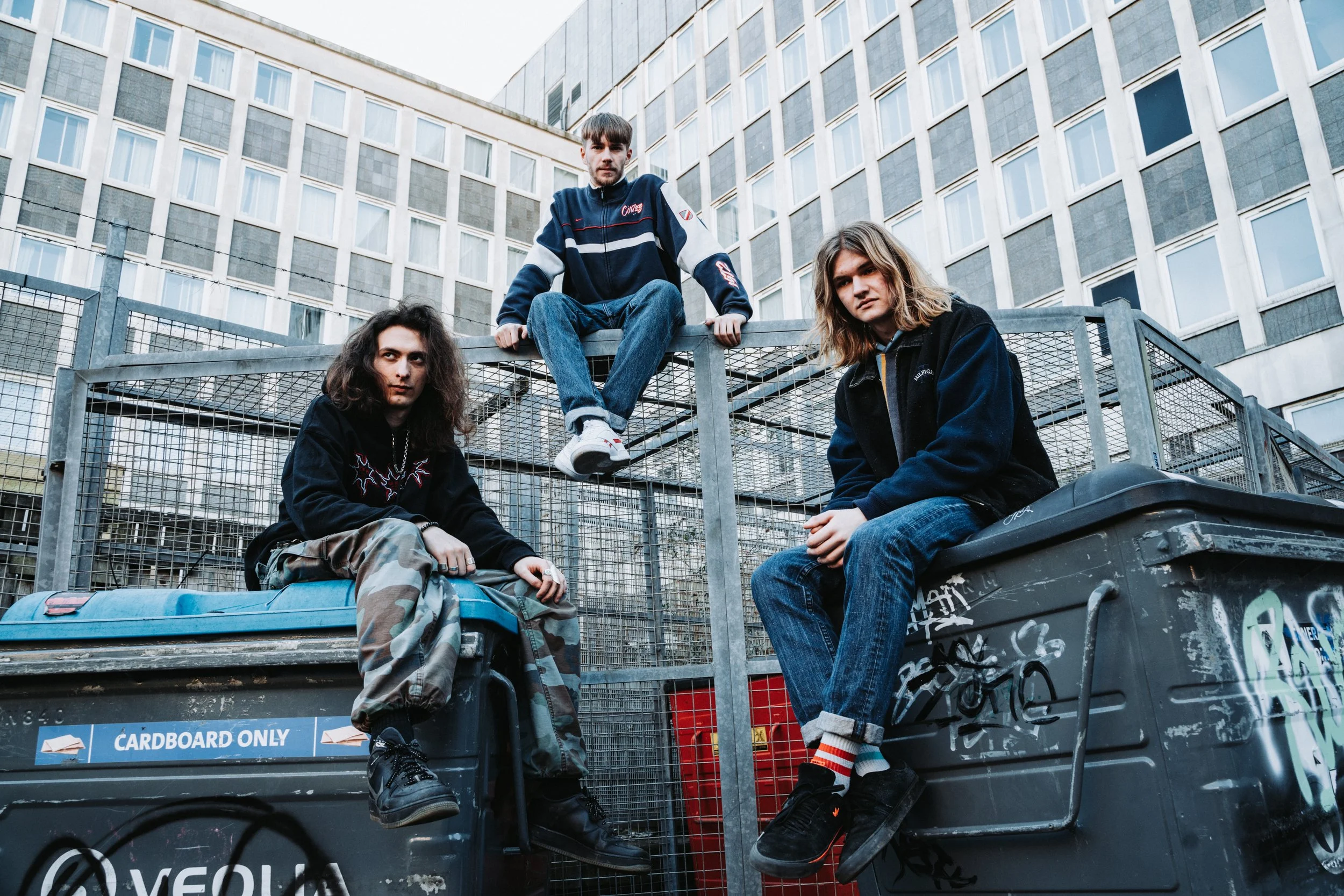
Review: Honeybadger “Wakka”
Honeybadger is raged with chaos magic. The disobedient, gutter psychedelia Brighton band is as gritty as Nirvana and as hard-hitting as the Sex Pistols. With slasher riffs and snappy solos, “Wakka,” their 2023 closing single, concludes the year with a smashing bang.
Punk is best served with an attitude. In this case, Honeybadger has something to get off of their chest. Having grown tired of speeches with a tongue in cheek, they now demand action. Words don’t count. Changes are made through action. In “Wakka,” they call out hypocrisy.
Laced with Thom Yorke-style falsetto and Cobain-inspired spiky Sprechstimme, frontman Eddy’s vocal is easily the center of this piece, but “Wakka” wouldn't be half impactful without the punching drums, shaking the grounds with their commotion-starting hard punk rhythms.
Honeybadger proves that punk rock is not dead, but rage and attitude in their case have evolved with an expansive sonic palette. At the forefront, their performance rips a black hole on stage with the kind of hysteria and giving-it-out attitude that reminds you of grunge in the ‘90s, but musically, they are ahead of the time, riding the waves, splashing intensive psychedelic trance with a bold swing. Massive and unapologetic.
Formed in 2014 by brothers Joe and Eddy and friend Luca, the three-man punk band makes their instruments ring louder than a full band. They are regular noise makers around Brighton, but the world is a stage for these guys. They have played all around the U.K. and were featured on BBC Introducing and Wyatt Wendel’s The New Rock Show on Planet Rock. Their last single, “Cold Wind” also appeared on BBC Radio One. Inspired by Drenge, Them Crooked Vultures, Pretty Vicious, The White Stripes, and the like, Honeybadger is a pretty heavy band vibrating between hard punk and grunge.
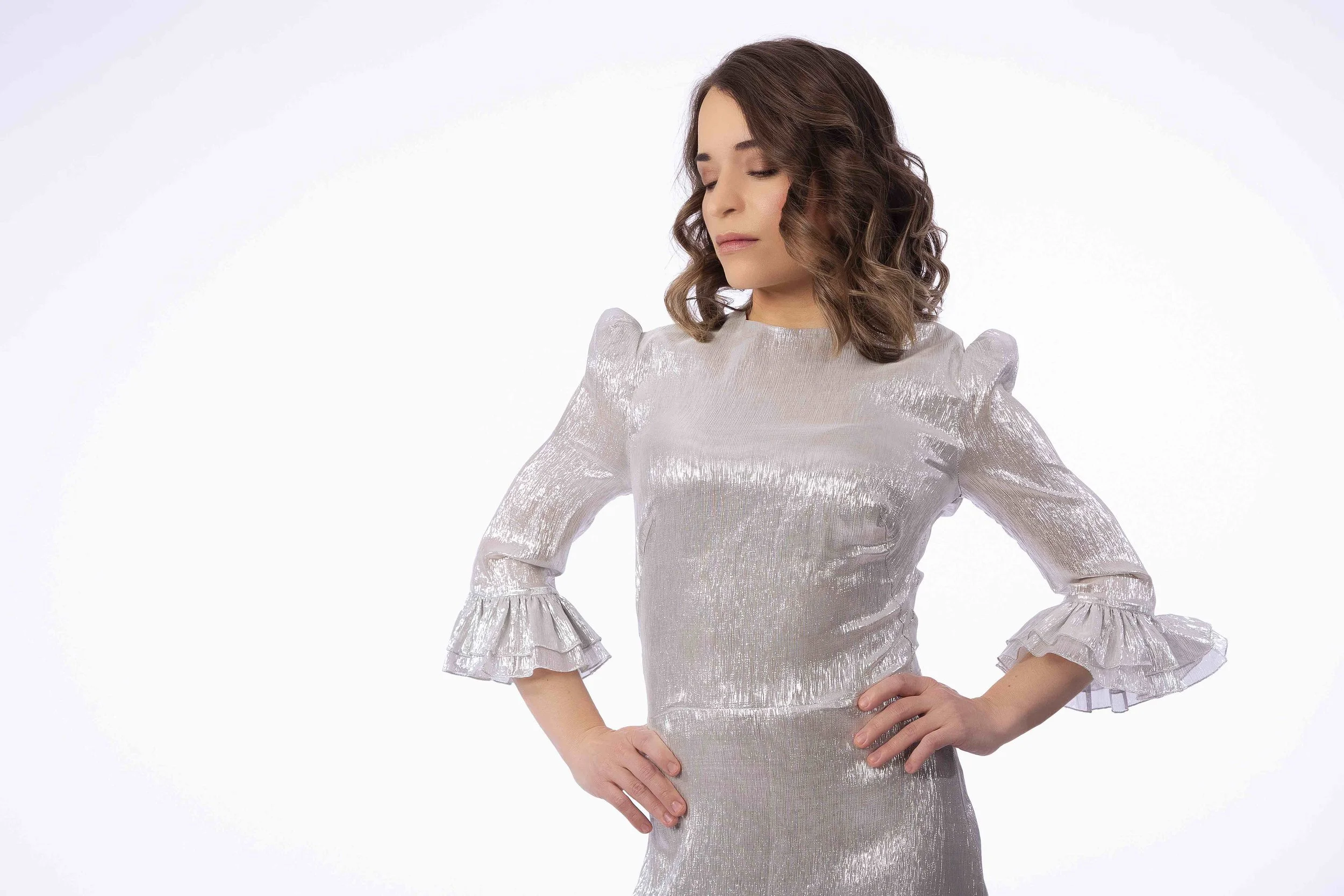
Claudia Balla On the Making Of ‘Winter Tale’
How does ‘Winter Tale’ reflect your musical journey and growth as an artist?
’Winter Tale’ is somewhat returning to my roots as I had a classical
training (piano, voice) and used to listen to classical music as a
child and as a teenager. I only started to indulge in contemporary
pop music as a young adult. It is also an homage to my Hungarian
origins. Lastly, I was born at the end of January and the holiday
season has always been dear to me, I usually keep the Christmas
tree up until my birthday :)
Were there any challenges or breakthrough moments during the songwriting process for ‘Winter Tale?’
There were mostly two challenges. The first was finding the right
“sound” and picking the right instruments to be featured on the
album. We talked a lot about this with the producer of the record,
András Bolyki. Finally, we decided to maintain a minimalistic
approach sonically and to use a harp, a double bass and a choir in
every track - I consider this to be a breakthrough moment.
The other challenge was more technical - recording a choir of 24
singers in the middle of the pandemic, during social distancing.
Also, I wasn’t able to fly to Budapest at the time to assist the
recording sessions, nor did András have the possibility to come to
Geneva when we recorded the harp with Alexander Boldachev. So
he was live streaming our session from his home in Hungary.
What is your personal favorite song from ‘Winter Tale’ and why?
My personal favourite is “White Bird”. It’s a sentimental track that
compares love to an elusive white bird that is totally out of our
control. The appearance of this bird can be also misleading as it
gives the impression of being gentle and tender, even tameable,
however, in reality, it can have a devastating effect even on the
strongest person alive.
What has been the most memorable experience or achievement in your music career so far?
It would be hard to pick any particular moment or any milestone -
it’s rather the whole journey that makes it memorable for me. From
fooling around with a digital keyboard as a child to being able to
make records and work with amazing musicians. I’m really
grateful for that.
Your lyrics often tell stories. Can you talk about your approach to storytelling through music?
I like telling stories and I always admired genres that were more
“storytelling focused” (folk, country etc.). I don’t think I have a
particular approach - I just do my best to fit the film I have in my
mind into rhyming stanzas. :) As a movie is usually 1.5h long, it can
be a challenge to tell the same story in 3 minutes.
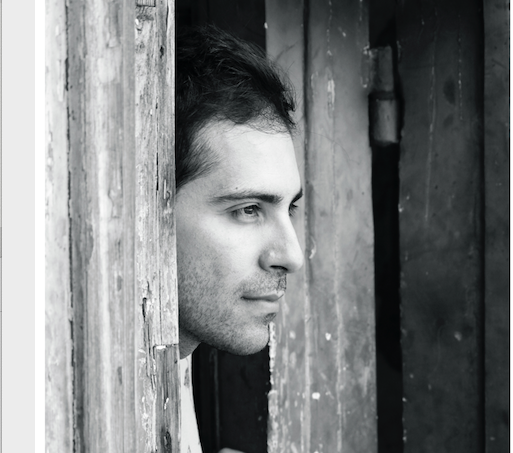
Michele Simonelli On the Making Of “Rewind”
What was the creative process like for this particular "Rewind?"
In reality this song was born in the most difficult Covid period. I felt inside me the desire to start over, to start from scratch as I sing in the lyrics. Meeting elusive people on the street and being able to talk to them only with my eyes, due to the mask on my face, made me feel oppressed. Hence the desire to want to scream the word "breathe".
Were there any challenges or breakthrough moments during the songwriting process for "Rewind?"
Yes, initially I didn't want to write a love song, but just to express my state of mind after everything that was happening in the world regarding the Covid period. After that, when things started to change a little for everyone, I felt the need to tell a love story, and I strongly believe that especially in this historical moment in which we are unfortunately living, we all have a strong need for love.
What are you most proud about "Rewind?"
That I was able to fully express my feelings. I hope the same emotions reach the listener.
Where do you find inspiration for your songs or musical ideas?
I find inspiration from everyday life, from a simple outing with friends, walking down the street listening to people talk, gesture, get angry. It also helps me a lot to listen to lots of music, many different genres.
How do you continuously grow and evolve as an artist?
I always try to question myself, especially by trying to learn a lot from my mistakes by studying the instrument for example, in my case the voice or the piano. Reading books helps me a lot to imagine different things, sometimes magnificent and sometimes less so, from those I see every day with my eyes or with my thoughts.
Words and Sound On the Making Of “Yellow”
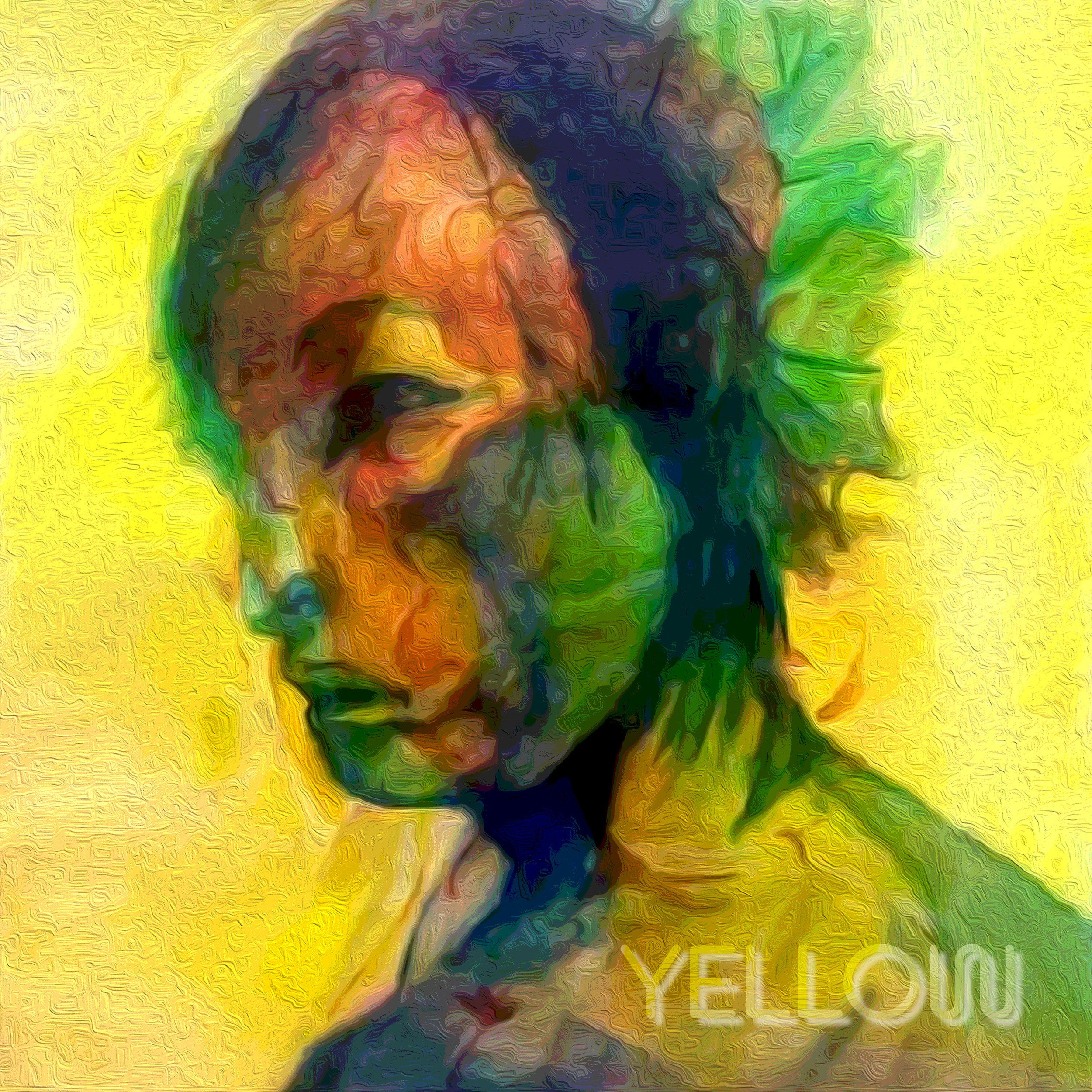
What was the creative process like for this particular "Yellow?"
The creative process was about working through those emotions. I wanted to bring those emotions and those memories into an audible form. I wanted the sound to be soft and bright. I wanted it to be dynamic and move forward in a way that time tends to move us. To sway from soft and loud. I took a long time to find the right sounds and how I wanted these sounds to interact with each other. And I heavily debated about lyrics. A part of me felt like I could tell the story without words but another part of me felt like the lyrics I had were meaningful to the piece. I tried singing some but that didn't suit the song at all so I went with spoken word and it felt very honest and was exactly what I wanted. I tried to read the lines like it would be on a stage play so that I could incorporate the emotion I wanted and I think the two blend well.
Were there any challenges or breakthrough moments during the songwriting process for "Yellow?"
I think the biggest breakthrough moment was just committing to a song like this. I have an instrumental on my first album but it was darker and mysterious. It was also a short song and I felt like I wanted to challenge myself with creating a piece that feels like an experience that you live with for a little bit. And it's opened some doors creatively for me that have allowed other songs to be made in a different way than I think I wouldn't have made if I didn't love the end result of this song.
Were there any memorable or standout moments during the recording sessions for "Yellow?"
The most memorable moment was when I had the first "draft" of the song done before adding more nuance touches. It felt like I made something for real this time. My first album is still something I'm proud of but a lot of those songs had long creative processes and the end result didn't always have the sense of pride and completion. They required more editing and touching up to get them to a place where I felt like it was a song. This felt like a song the moment I decided on the last note. I created something that surprised me.
Can you tell us a bit about yourself and how you got started in music?
I feel like an amateur when it comes to music. I come from a background of creative writing and switched to music production in college with no background in music. I took a guitar class in high school but I didn't really remember much of it. So I started taking music classes for the first time in the fall of 2016. I still graduated on time in 2019 but it left me without the tools I had in college. No DAW, no keyboard, and not a computer that could run a DAW. So I had to work to get those tools. And the journey doesn't stop there, my first album felt more like a learning process than an LP and sometimes that's the way it works and I had to accept that. I took it as a sign to learn as much as I could. Maybe calling myself an amateur isn't too bad since it keeps me learning.
How do you approach creating something new and different?
A lot of people are amazed when it comes to music that's like this but I feel that it comes naturally. Sure, I hadn't made a song like this before but I have done a decent amount of songs that focus on layering and moving those layers together. I'm on the other side of it where I'm amazed at the musicianship of people and how they can work together to make a coherent song with each member at the top of their game. But I believe that's the beauty of it all. We need producers and we need musicians. And that's where the best music is made. When a producer and a group of musicians are making music together. They take their own approaches to music and combine them together to create something.
Sonic Winter On the Making Of “UFO”
Can you tell us about the inspiration behind "UFO" and the story it tells?
Our band has just celebrated its tenth anniversary. Over the years, our music has gone through a constant process of evolution. Although we started out as a “rock band”, our repertoire actually embraces many different genres.
And I feel we have recently honed in on a signature blend that encompasses alternative rock, rap, trip-hop and electronica. “UFO” is yet another step in that direction.
The title is therefore a metaphor. It refers to our musical journey and a quest for breaking down musical barriers.
Can you talk about the recording and production process for "UFO?"
The chorus of the song says “I’ve been all over the earth, for whatever it’s worth”. Equally, “UFO” was actually recorded and produced all over the globe.
I started producing the track while I was traveling to Africa. I then sampled rap vocals from Jay Messy (aka Messy MC), based in the UK. Jean-Marc recorded his guitars in Paris, France. Finally, the track was mixed and mastered in Spain.
What did you enjoy most about making "UFO?"
What I enjoyed the most was the mixing process. The song was actually on the back burner for quite a while, until I decided it was time to release it. For me, the final stage of a song is most exciting. When a track is eventually out there, it doesn’t belong to you anymore, it takes a life of its own. That’s what I enjoy the most.
Can you tell us more about you as a band?
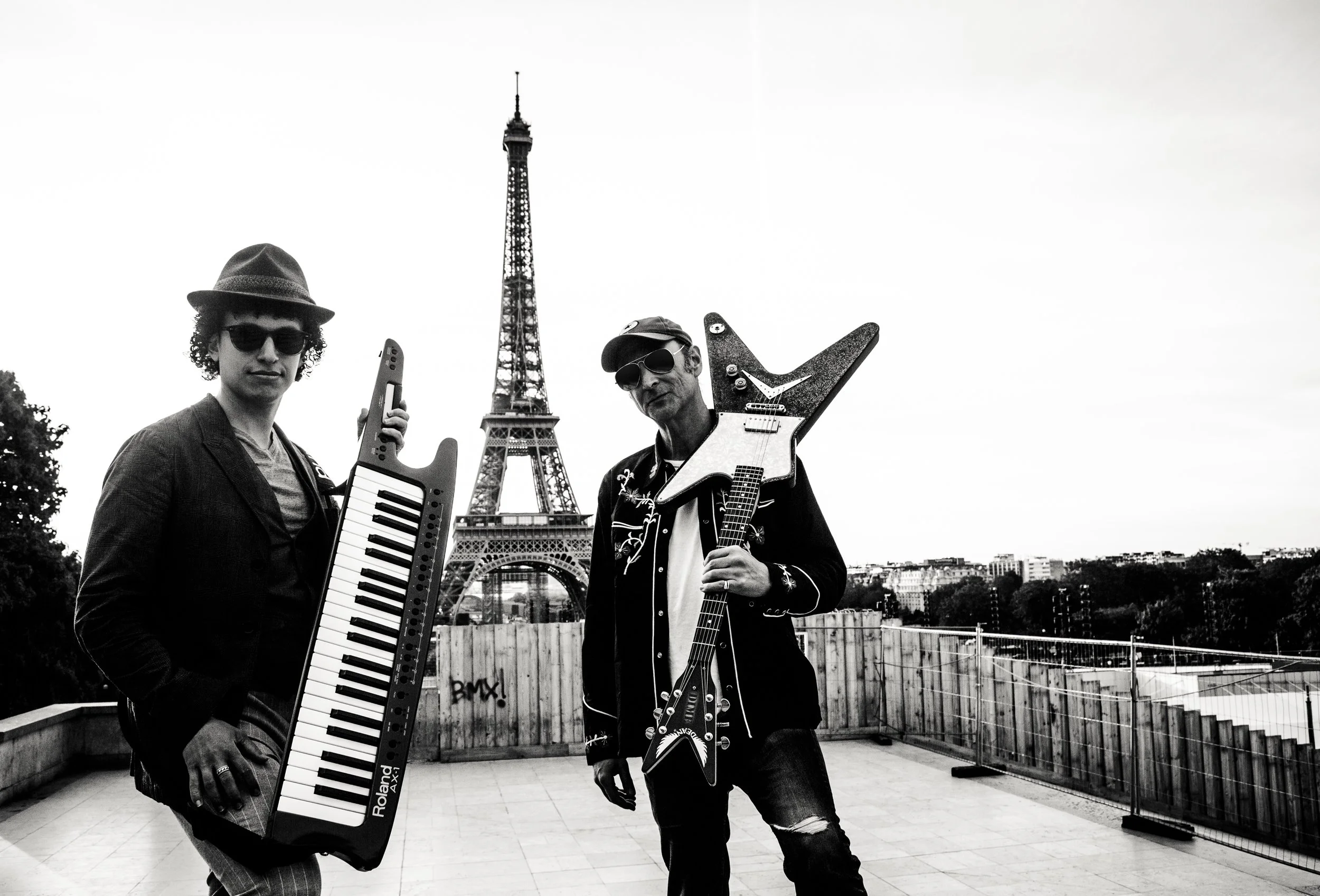
The band is actually a duo between myself (Francis Girola: keyboards, prod) and Jean-Marc Millière (guitars). We are a purely virtual band inasmuch as we do not have a fixed lineup. We collaborate with musicians from all around the world in order to create a type of music that is fresh, hybrid and exciting.
Are there any specific themes or messages that you aim to convey through your music?
Music is a universal form of expression. No matter where you come from, regardless of your religious or political beliefs, it can impact your soul. Ideally, we would love to spread that sense of unity throughout our music.
Tilla On the Making Of “Keep Your Head Up (I'm A Mermaid)”

What was the creative process like for this particular "Keep Your Head Up (I'm A Mermaid)?"
Maybe you know the Stoic saying, “hard decisions, easy life - easy decisions, hard life”. Maybe it was like that for “Keep Your Head Up.” I started with this song in 2020. It was a House demo at the time and I was not at all satisfied with what it sounded like. So I put it away for three years and listened back to it last month and it still sounded like crap. After that I deleted everything, I made a hard decision. I deleted everything but a sample of the piano and part of the lyrics and started to redo the song. And at once it got so much easier, I went into a paralyzed flow state and after 16 hours I had the whole creative work done, including mastering and artwork, which was really unexpected.
Can you talk about the recording and production process for "Keep Your Head Up (I'm A Mermaid)?"
It took like 10 hours to finish the recordings, mix and master. I started based on the structure of the old song version, verse, and chorus. With that I started looking for a drum sound. So I took an old, crappy Telefunken mic from the 60s that was used with old voice recorders and put it between snare and kick, compressed it heavily, processed it a little further in the box and I had my drum sound. I built everything else around that energy. The bass is a Moog that is not sequenced, but played. I distorted that one heavily and it worked. For the vocals, I had this epic vision of a siren that is just sitting on a rock in the sea and singing their heart out. I just really went after what my ears told me without taking in regard the technical stuff I learned over the time. It was really freeing to do that.
How does this track fit into your overall artistic vision?
Vision is a big word, a big topic. I believe, with this, my solo project, I want to be free of expectations, even if this means I’m genreless, which is a major problem. If you listen to my solo discography, which is pretty small at the moment, but will be filled up during the next year, you can hear many different influences, ranging from Massive Attack over Mark Ronson to Kyuss. I had a long break between releases. I released three songs in 2020, Mermaid is only the second song that was released in 2023. I was able to get back to releasing songs because I decided to let it go. I just decided to let it go and do my thing and see how I feel about it and so far I feel pretty good.
Can you tell us more about you as an artist?
I'm one of these guys who have been into music for all their lives. I think music saved me, literally. Music always helped me through bad times, made it possible to express emotions I couldn't express otherwise and I believe that shows, I hope that shows, musically speaking, to be a vehicle for people who have a feeling of being lost or not knowing their way or feeling trapped in their lives to get that easy way out for a moment.
Where do you find inspiration for your songs or musical ideas
Honestly, as long as I grab a guitar or sit at the piano, ideas start to take shape within me. I believe it’s a combination of two main influences. One, being able to listen to all the great music that is out there, inhaling that, and two, the feelings inside me that are looking for a way out.
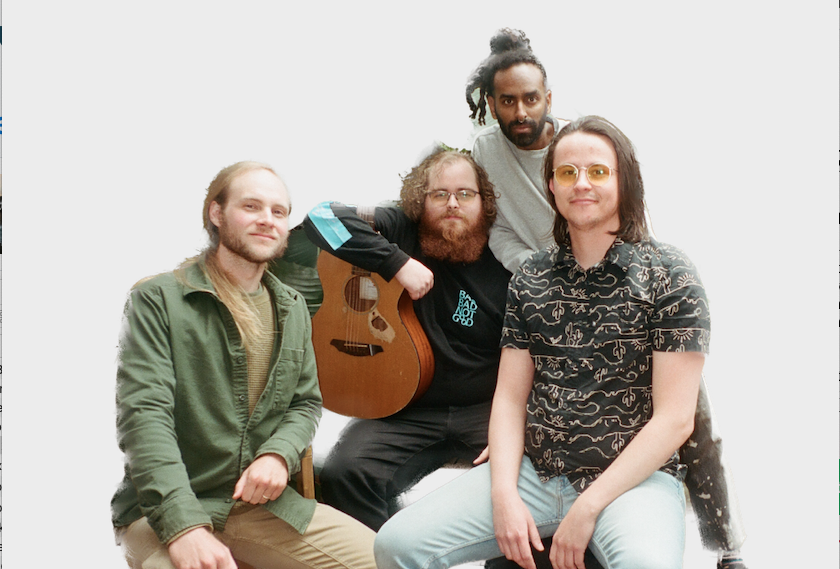
Canterbury Bells Releases “Angora”
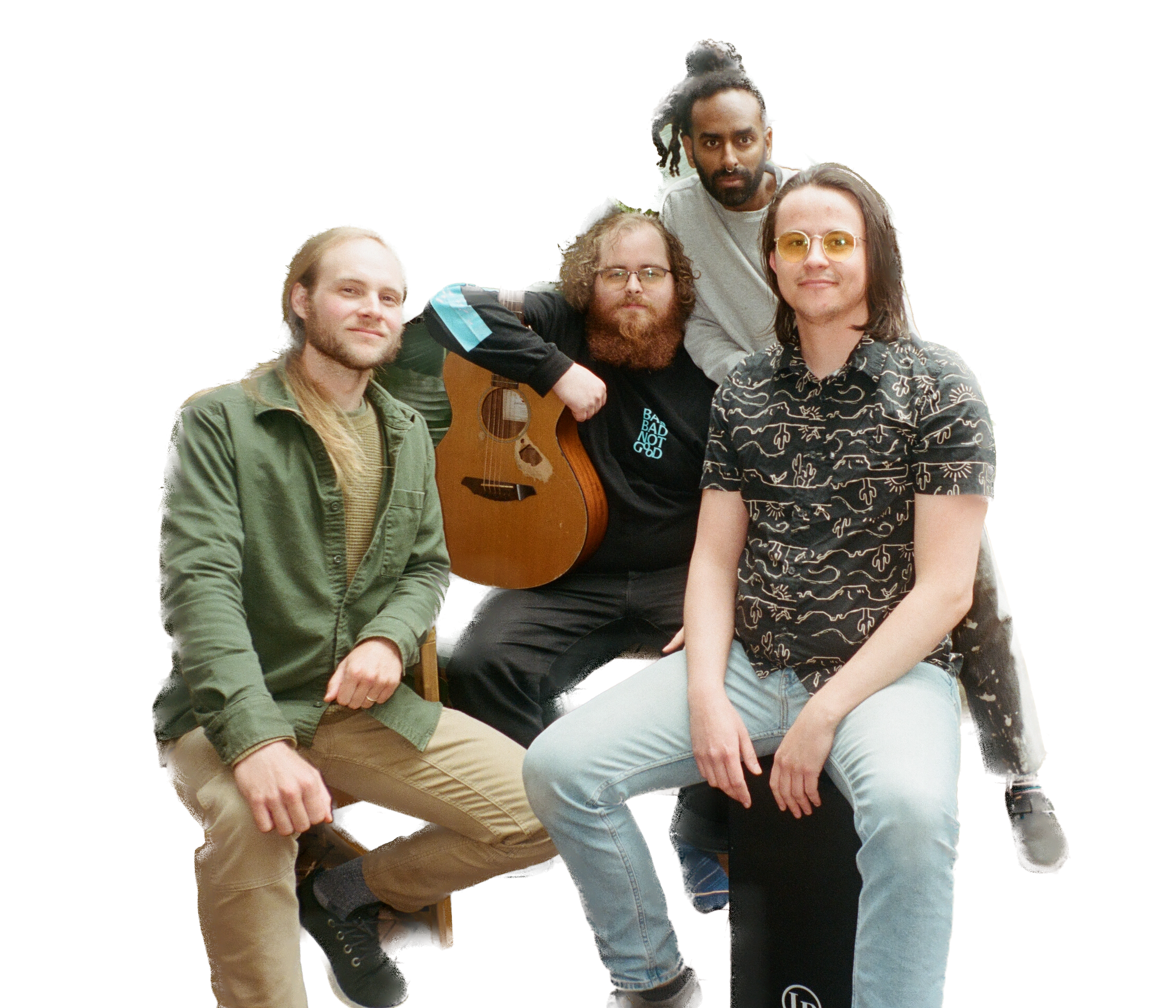
Is there a particular ethos behind the single/EP/album or any particular music styles or events that inspired it?
In April 2023, Ezra pitched a bare-bones version of “Angora” recorded in a voice memo to Sean and Ryan. Each band member typically brings ideas they’ve been working on to practices to see if it’s worth building upon. In this instance, both felt the song had potential and recognized that it was a story about love that needed to be shared. Ryan jumped in and added a few more chords to embellish the song, and Sean started putting together guitar lines that would further amplify the hazy, dizzying, nostalgic feeling. Our goal for this song was to take the listener on a journey, bringing them to memory and reminding them of physical places they may associate with the idea of love.
Can you briefly describe what the song/each song is about?
“Angora” started as a love letter lead vocalist, Ezra, wrote to their fiance, paying homage to where they fell in love, Angora Lakes. Ezra was re-listening to Iron & Wine’s 2007 album, The Shepard's Dog, in the first few months of 2023. That album heavily influenced the feeling of this song. Around that time, Ezra had been laid off from a job they enjoyed and felt a new sense of fear and excitement for what would come next. In this time of uncertainty, Ezra clung to what had been consistent for them: their love for Rachel. With that sentiment in mind, Ezra began recounting these early feelings of love where things are exciting and scary at the same time.
Where was the single/EP/album recorded and who was involved in its production?
The acoustic guitar was recorded on an iPhone in Ezra's apartment. The vocal tracks (Ezra, Ryan, and, Sean) were recorded and mixed in Ryan's apartment, recorded on a vintage Shure microphone from the 70s. Liam recorded the drums in his apartment and Sean added some beautiful guitar lines in Ryan's bedroom studio.
Who are the band members and what do they play?
Canterbury Bells is comprised of Sean Thompson (Guitar, Vocals, Mandolin), Ryan Ehresman (Synths, Guitar), Ezra Teshome (Vocals, Guitar), and Liam McKay (Drums).
Have you played any notable gigs, festivals or other events? Likewise radio or TV appearances?
We played one of the shows for Noisepop's annual music festival. We've also played multiple Summer of Music events hosted by the city of San Francisco.
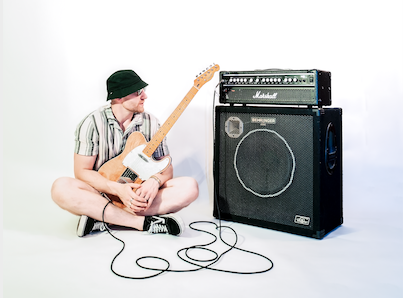
Fin Furey Releases “Glory Days”
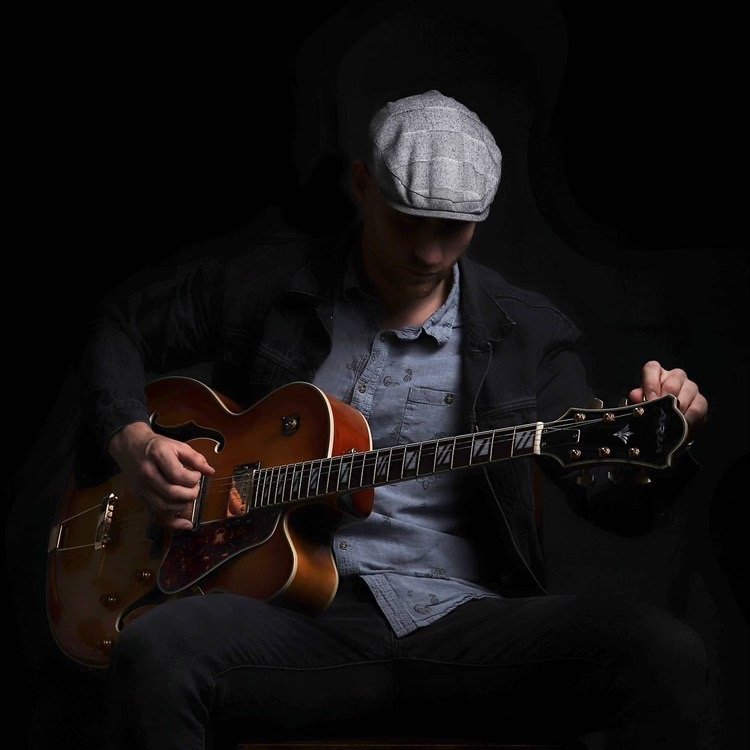
A story-telling songwriter, Fin Furey explores a wide range of themes ranging from protest and liberation to dark and difficult love, and comical revelations about chemicals and the way they affect us. Imagine the sonic offspring of Bruce Springsteen, Bob Dylan, The Dubliners, and The Fureys, and you will resonate with Fin's marriage of sound.
In his new single, 'Glory Days' (released Oct 6th), he showcases a variety of textures in his voice, steering away from his velvety-smooth baritone that delivers epic power ballads to the new singalong Indian summer song, showcasing his plaintive vocals soaring in boisterous folk idioms akin to that of the greats that came before him, notably his own father, Finbar Furey of The Fureys legendary Irish Folk Band.
The unique sound of his music is a fusion of folk/blues and cinematic new-age traditional music. Born into a musical family, where the passion for music has been passed down through successive generations, Fin grew up on harmonies and anarchy describing how music “put food on the table and clothing on our backs”.
What we have in Fin Furey is a legacy troubadour and storyteller from one of the most celebrated and beloved folk bands to ever come out of Ireland, The Fureys. Make way for the new generation, and one of the gatekeepers of Irish folk music: Fin Furey.
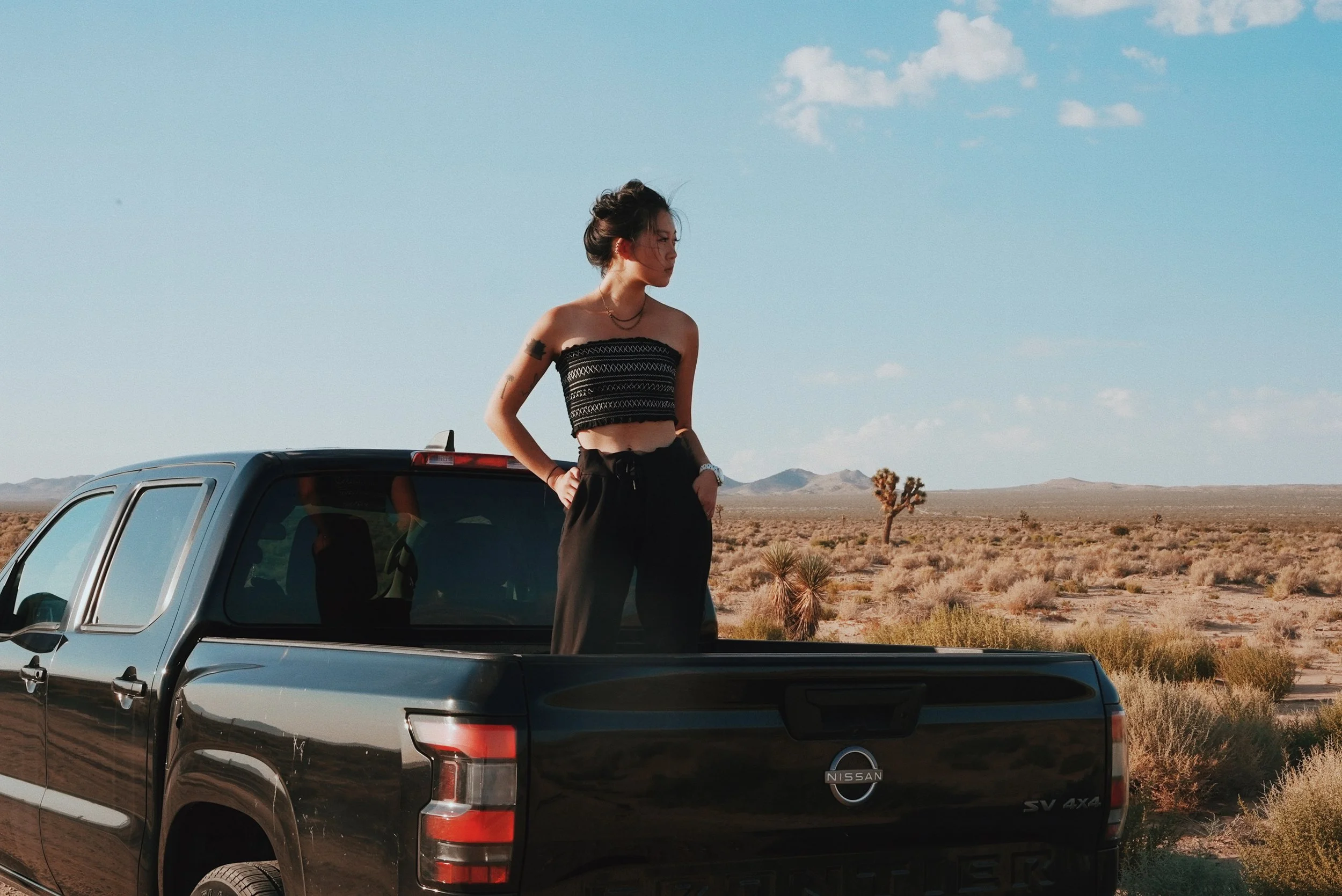
Coral Z On the Making Of “Americano”
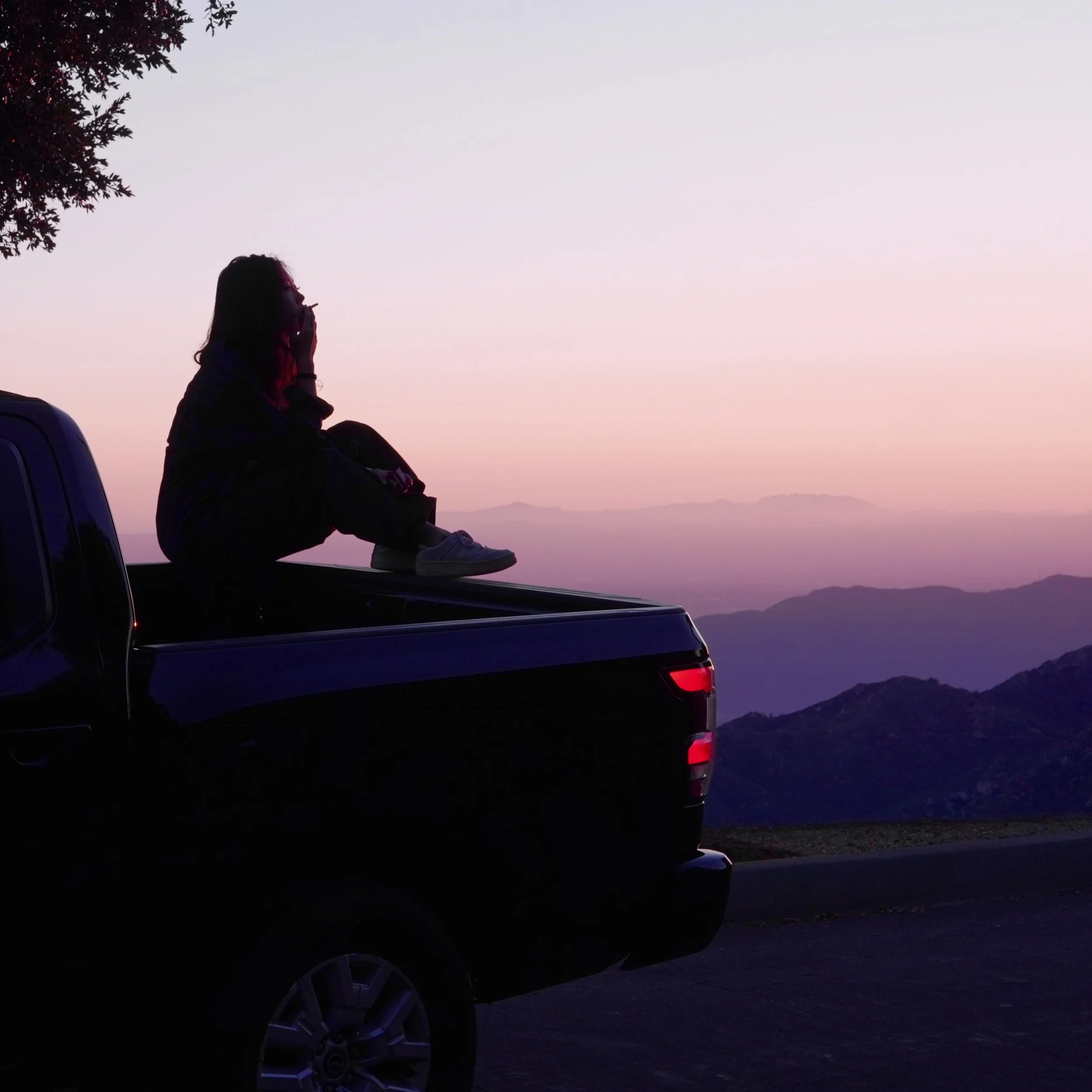
How does "Americano" reflect your musical journey and growth as an artist?
This song actually witnessed my biggest transition from country style to a bit more rock style. I wrote the song in 2018 when I was in California, and I met my best music buddies Sean and Nathan, where we would have some weekly practice sessions playing music together in a garage within our college. With their additions on electric guitars, bass, and drums, my songs gained many more layers and tastes from the simple acoustic accompaniment which I would’ve done myself. In particular, “Americano” was the first song we started playing together as a band. The punk-ish strumming for the chorus, suggested by Sean, has been kept until now as you can hear in the final release.
Were there any challenges or breakthrough moments during the songwriting process for "Americano?"
Not really. I write my songs as a way to express my own emotions, normally anger, sadness, emptiness, loneliness – the negative ones. When I’m so swamped by those negative emotions, I’d feel a strong urge to find an outlet, and some melodies and lyrics will just start forming in my head simultaneously, and thus the whole songwriting process, for each of my songs (or at least most of them), will only take less than 20 minutes I’d say. Then it’s done.
Were there any memorable or standout moments during the recording sessions for "Americano?"
Not exactly during the recording session, but I think the hardest part was in fact knowing that I could actually initiate this process myself (I’ve always thought that getting your song recorded and released is impossible before you’re discovered by some record labels and are signed or are famous already) and how to find a studio. The song arrangement and vocal recording all moved along pretty smoothly, but mixing was what took the longest time.
Can you tell us a bit about yourself and how you got started in music?
I started learning piano at the age of 5, then picked up guitar and a little bit of drums in high school; I started writing songs in middle school, then gradually learned how to translate them better to fit the chords and tempos after having learned guitar. And as mentioned before, I enjoy playing music with others and thus started forming bands over time.
Can you share a memorable experience from a collaboration that enriched your music?
There were lots of good memories playing music with others, from playing casually with other peer musicians in California to playing with another singer/songwriter friend in college dorms in upstate NY (I transferred), then now I’m playing with my band in Cambridge – especially gigging around has always been fun! I think the most fascinating part, besides these people who I played with regularly, is to be able to jam with someone at some events/parties I just randomly met, as well as having other friends all gathered around to be our initial audience. It’s always a good way to connect.
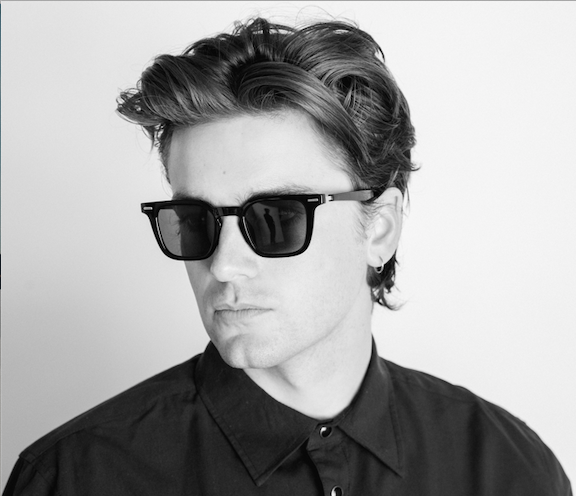
Austin Carr On the Making Of “Tame Me?”
What was the creative process like for this particular "Tame Me?"
For a while, I wasn’t sure if I would ever record this song myself, because I tend to make pretty introspective sad boy music. Coming out with a higher-energy, flirty song where I repeatedly belt the words “tame me” over and over felt extremely out of character, but I wanted to lean into the silliness and take myself less seriously as a songwriter.
This song is ultimately about a power struggle in a relationship. I wanted to write a story about someone trying to “fix” or “save” their partner using the metaphor of a person trying to rescue a wild animal by putting them in captivity. There’s a cat-and-mouse fight for control throughout the song, loaded with tongue-in-cheek double entendres that were very fun to write. In the end, it’s up in the air about who is taming who.
Can you talk about the recording and production process for "Tame Me?"
I worked with the producer for my EP, Alyssa Wilkens, to develop an 80s-inspired country pop track that captures the feeling of being at a sexy desert dance party. We tried a few different bass lines, instrumentation, and even tempo before we finally found our footing and settled on a vibe that felt right for the song. I’m very excited about where we landed.
Are there any future plans or projects related to "Tame Me?" that you're excited about?
There are! “Tame Me?” is the first single from my upcoming EP “Saturn Attacks” which is coming out in the spring of 2024. The EP tells the story of a fairly chaotic late-20s Saturn Return through a series of uptempo retro pop songs and slower country ballads, influenced by iconic artists like Bruce Springsteen and Phil Collins. I’ll be releasing more singles in the coming months and I’m excited for people to see how all of the pieces fit together into one cohesive project.
Can you tell us more about you as an artist?
I’d sure love to. I’m a gay boy singer-songwriter currently based in Los Angeles, California. I grew up in a religious Southern community in Florida, so my music is both filled with trauma and inspired by classic folk and country songwriters. I think it’s very exciting to blend the genres of folk and pop together and see what concoctions you can come up with, so I’ve always looked up to artists like Kacey Musgraves and Taylor Swift. I think there’s something inherently subversive about making country and folk music that tells queer stories, since it’s a genre with a fanbase that hasn’t always looked fondly on sexual minorities.
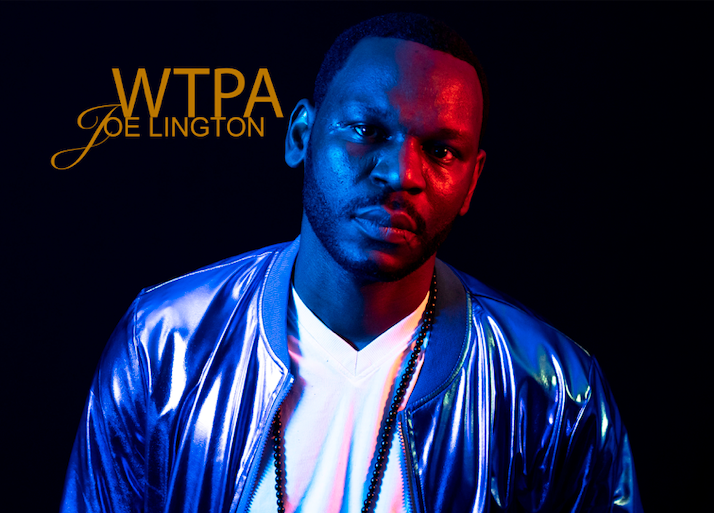
Joe Lington On the Making Of ‘WTPA’
How does 'WTPA' reflect your musical journey and growth as an artist?
‘WTPA’ is an evolution of creation on all the previous album that I has released.
What was the initial spark or idea that led to the creation of 'WTPA?'
’WTPA’ was on inspire by a story of guys that everyone taking advantage of because he always kind and always see the good on people
What is your personal favorite song from 'WTPA' and why?
My favorite song on the EP ‘WTAP’ is “Hypocrisy.”
What has been one of the most significant moments of your musical journey so far?
Starting seeing Some play and followers on Spotify
I went for from 0 play and 0 followers monthly 1500 listeners
Are there any upcoming projects or releases that you're particularly excited about?
Yes the Album ‘Pinkeen’ is coming up in 2024
Jojo Engelbert On the Making Of “Not A Real Blond”
Can you tell us about the inspiration behind "Not A Real Blond" and the story it tells?
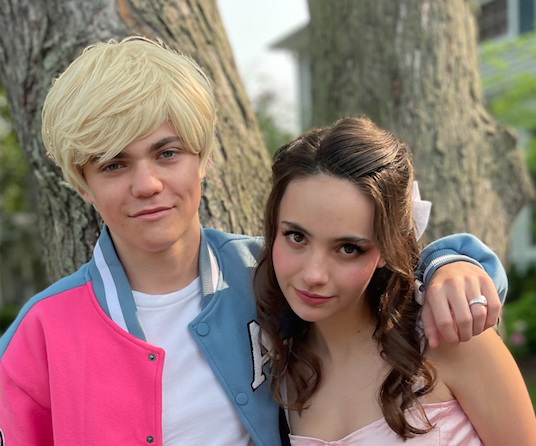
Some songs have very deep stories with important meanings. This song is not one of them. Really, it’s just a song about a girl who has a crush on a boy with fake blond hair. The music video gave the boy a wig. Not quite sure that was what I envisioned when writing the song. But, I think it worked.
Were there any memorable or standout moments during the recording sessions for "Not A Real Blond?"
I loved how the backing tracks turned out. I felt they really captured the vibe. I wanted the song to be reminiscent of Avril Lavigne, Paramore, and Olivia Rodrigo.
What has been one of your favorite memories along the path to making "Not A Real Blond?"
The process of making the music video was something special. I was not just holding a microphone singing the song; I had a chance to act and develop a story. I remember how horrified the director was when he saw the two wigs that were ordered. They were really awful. But somehow, we were able to make them work.
Can you share a bit about your musical background and the journey that led you to where you are today?
I come from a family of musicians. I have grown up with it. When I was much younger, I performed on my older siblings’ television show, Ariel & Zoey & Eli, Too. I then went on to musical theatre where I had roles in productions of Fun Home and Secret Garden. But this is the type of music I enjoy most. Although I do prefer a darker sound - more similar to Lana Del Rey.
What role do you feel emotions play in your music, and how do you channel them into your performances?
I love acting. I prefer dramatic roles. Same with music. I prefer a track and lyrics that allow me to express emotions that are meaningful. Don’t get me wrong, I had a lot of fun with this track and this video. And I think I was able to dial in the fun and lightheartedness.

Jack the Owl On the Making Of “Club Bored”
What was the initial spark or idea that led to the creation of "Club Bored?"
The initial idea for the song “Club Bored” came from a night out with friends at an electronic dance club. It was a long and fun night and we also ended up watching live concerts at home.
Were there any memorable or standout moments during the recording sessions for "Club Bored?"
A big part of the song was recorded fully at night, I started with the vocals around 5 in the morning haha.
What do you like the best about "Club Bored?"
The feeling of freedom and joy. Everything in the song came very naturally. I like how the different melodies work together and how the hierarchy changes. In the end, it evolves into something rough and heavy.
Can you share a bit about your musical background and the journey that led you to where you are today?
I started out as a bass player when I was 11. I still play a lot of bass in different bands. After playing in a pop/rock/punk for several years I got interested in producing music. So I learned how to play guitar and a little bit of keys. My first 2/3 songs were instrumental and the band I was playing in I just helped with the instruments. After a while I started journaling and started using those subjects for songs. I also started recording for other people and doing live sound. All those things together inspire me now to write and come up with different parts. After punk, I got more interested in indie/psychedelic music and the complexity of that. I still like to remain some heavy guitars though!
How do you continuously grow and evolve as an artist?
I try to challenge myself to make new styles of music and try different mixing techniques/plugins etc. I study music production now in The Netherlands and at the study I get challenged a lot to try different styles even world music. I try to apply as much as possible and soak in the environments that I come across. Doing different disciplines within the music industry keeps things fresh for me :)
Max Edwards Releases “We Could Be Lonely”
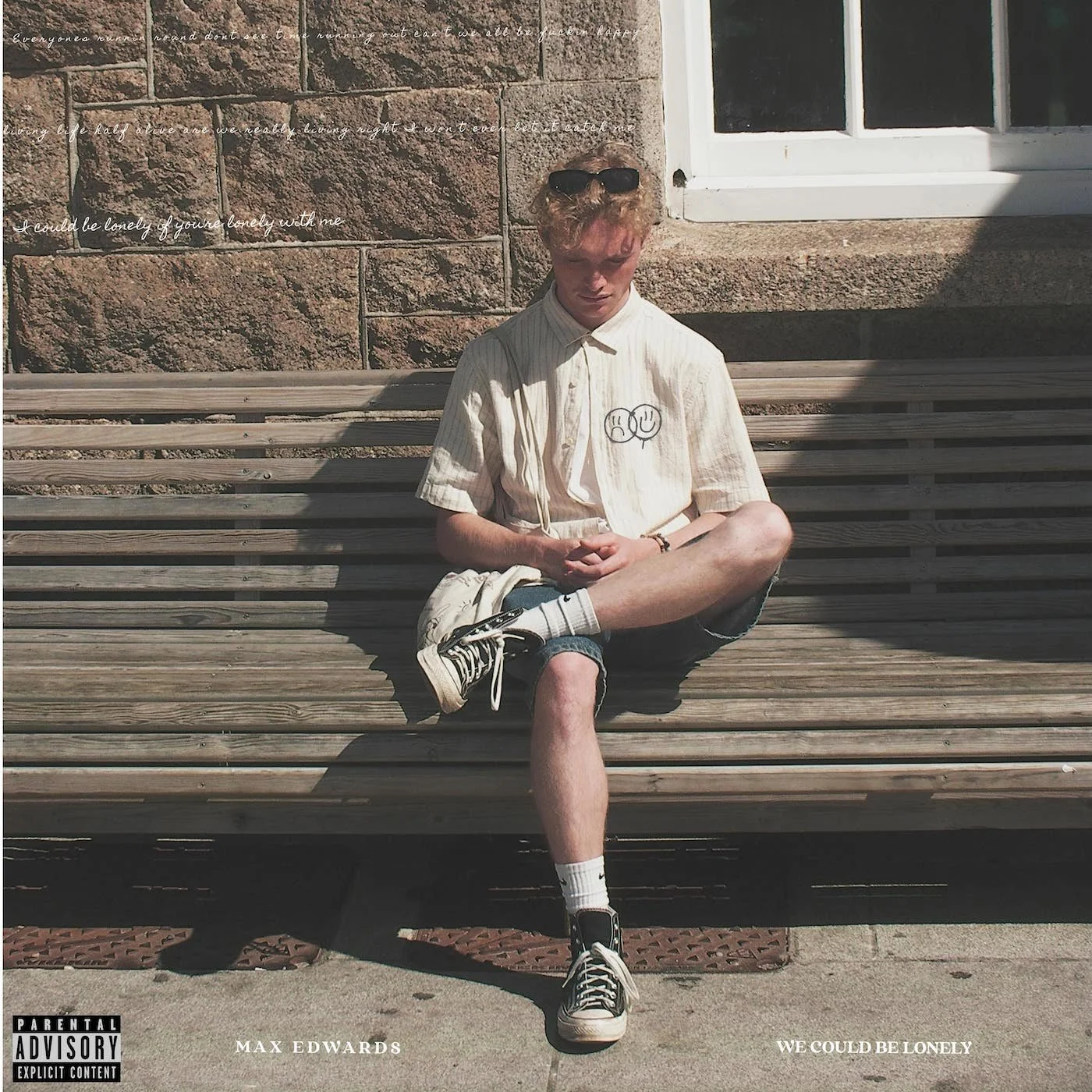
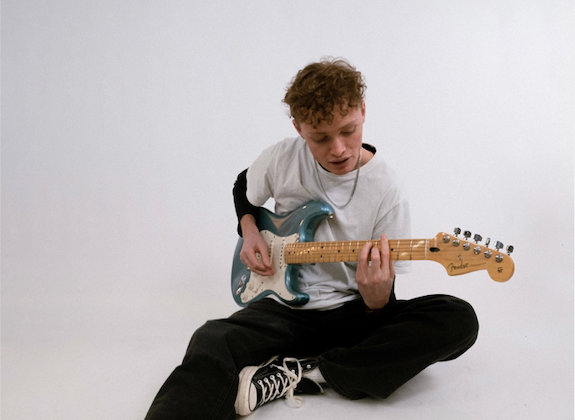
My name is Max Edwards. I am a Singer, Songwriter, and Producer from Canada living in the UK. I have been making music for most of my life and I hope to continue doing it forever. This song was one of the 1st song I wrote after moving to the UK and feeling a bit lonely. I met Songwriter and producer James Phillips (AKA Cave Man) at a music event and we ended up creating this a few days later.
I met songwriter and producer James Phillips at a Tileyard A&R session in London, UK one of the 1st months of me moving there. We hit it off and decided to get in a session together. The song started from a conversation we were having about London being such a big city with so many people, but it's still hard to find new friends. I was feeling a bit lost coming from a small town so it felt like it was something worth writing about. We were really happy with the outcome of the song.

Review: Mortal Prophets “The Twang Gang”
credit: Mortal Prophets
The Twang Gang opens in an illusive, cosmic dream. Disoriented slightly, filled with different layers of sounds. Mortal Prophets evokes an intense yet innocent sense of complexity. Confronting, at the same time stirring. But this is just the beginning of the story. The album would then swirl you into an eye-opening, genre-bending trip. What Mortal Prophets brings is an auditory cinema with fantastic and epic storytelling.
Onto the second track, the soundscapes get muddy and sci-fi. Silhouette of blues and roots comes to you in a psychedelic dream, where all the impossible becomes possible. It’s hard to pinpoint where we are and what is happening at this point, but the music immerses you in an extraordinary moment and solidifies as it progresses.
Soon, there comes a moment of groove-driven clarity. Now, it’s clear where we are—this is the Wild West, on the road riding past twangy, leathery country rock. Mortal Prophets, whose voice has been absent before, now emerges as a commander. He gives command to the music, and immediately, there’ll be a shift in the music. The format is not unheard of, but having gone through a very illusive sound state, this interesting twist almost gives the music consciousness.
“Pagan Driving School” gets its boots dirty. The very saucy root and country rock groove get richer and clearer, reaching momentum. It seems to put the previous tracks in perspective. Looking back, retrospectively, what we have just experienced might have been a stardust falling from a distant sky onto this planet. It’s immersed in the present and the culture, finding a special belonging. Everything beautiful and lively is here. The track acts as a pivotal element that continues to inspire and define what has yet to come.
“Can You Feel It” gazes into the stars and future again. “Ride Em High” sees a space cowboy taking off and venturing back into the illusive, slightly muddy, dream-like outer space. Nostalgia replaces the initial disorientation. It almost has a taste of bittersweetness with its established sense of identity. Departure doesn’t mean leaving something behind.
“Alamo Aloha” and “Dog Face Joe” step into a new universe, each feels like an exploration and adventure of its own. Already onto the next chapter, “Psychotronic Guitar Lullaby” takes you somewhere tender and warm with floral scents and such. “The Bones Go Last” sees collages of country impressions ringing in your ears.
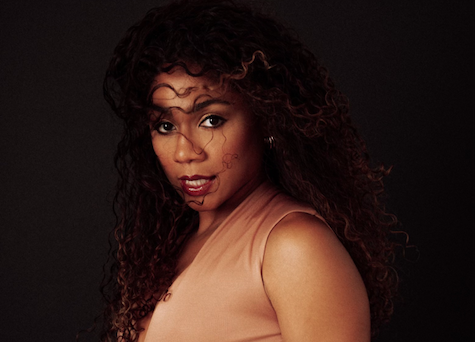
Jerusha Releases “MEDIOCRITY”
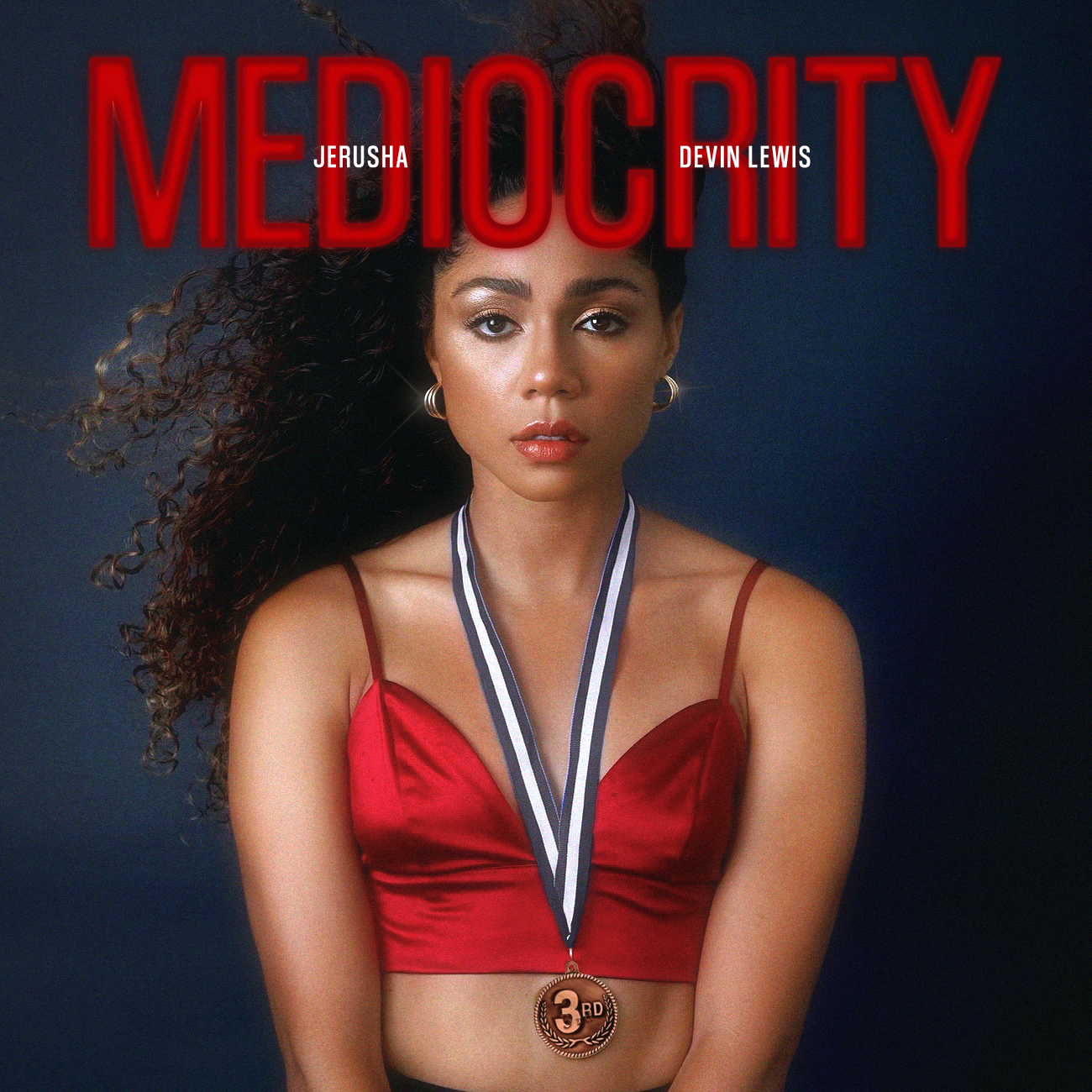
Jerusha, a rising “triple threat” (Atlanta, The Prom) and Actor/Producer, Devin Lewis, share their battle with the fear of being average in their latest single: “MEDIOCRITY.” Since capitalism breeds specialization, they invite anyone swimming upstream towards multiple skills to vent their frustration and revel in anthemic self-delusion. The energy is a mix of Rina Sawayama & UPSAHL.
This is a must-listen for lovers of Contemporary Pop that are ready to punch-dance imposter syndrome away.
Jerusha is an actor and music artist in NYC. She has appeared on Broadway and Television in hit shows like ATLANTA with Donald Glover. She began her music career in 2020. Her debut release 'Aquafina' was produced by Mike Woods of Rice N' Pease who's produced for Bazzi and Anne-Marie to name a few. She has performed at popular NYC venues like Nublu, The Delancey, Heaven Can Wait, The Bitter End, Times Square (Broadway Buskers) and more. Her last single “MONOPOLY” rose to the charts on Spotify’s editorial playlist Fresh Finds. Her latest single MEDIOCRITY was released September 29th 2023.
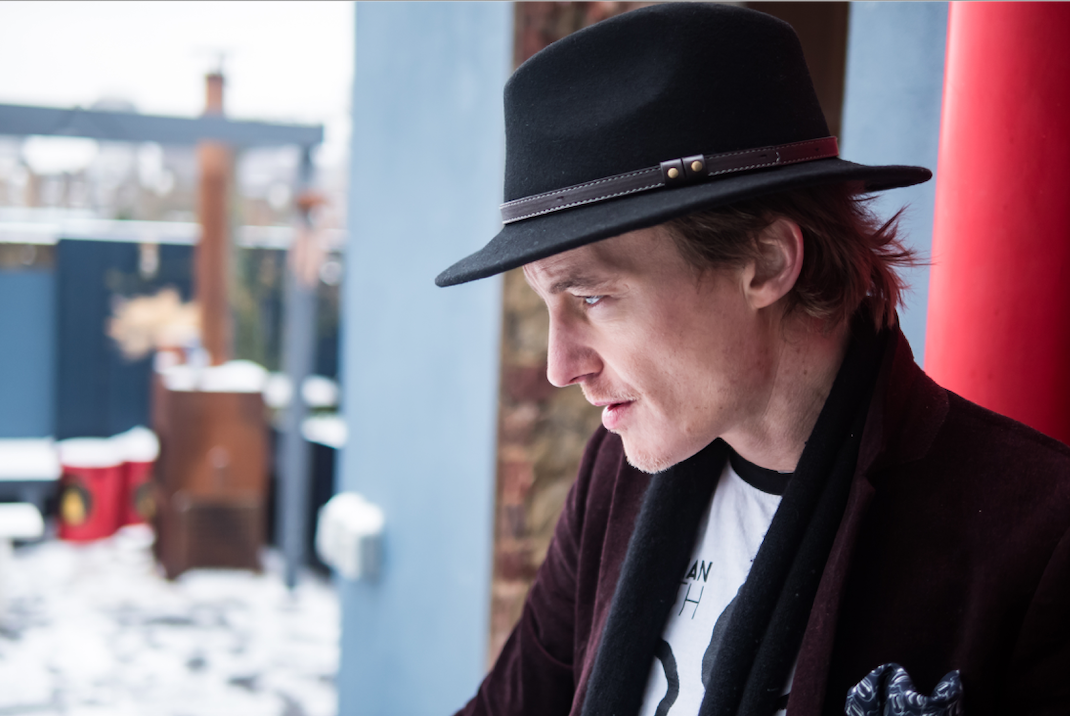
Charlie Freeman Releases “Lost Town”
Charlie Freeman returns with his first new single of the year, the stunning “Lost Town.” It embodies much of what makes Charlie such a singular artist – the gorgeous vocal, incredible production and a huge dollop of soul.
In Charlie’s words - ‘“Lost Town” is a song about journeying through those long nights of the soul. Digging out the darkness and out the other side to freedom - ‘come on everybody, let us rise again.’
The west London-based singer-songwriter has been travelling over the last few months and drawing inspiration from the places he sees and the people he meets. As he’s been to different parts of the world he has channelled some universal themes that resonate with all – positivity, hope, love – an distils these into this perfect rock n roll songs. The result will be a new album, “Freedom”. Set for release next year, it’s classic rock roll with a modern, universal take that will see Charlie build on the work of his previous records “Love” and “Truth”.
Charlie Freeman is a unique proposition, a charismatic, louche rock n roll star living in Notting Hill. He has performed on TV multiple times and throws open his home on Portobello Road to the creative community around him. His home has hosted acoustic shows and photography talks, music healings and serves as a base for his Freeman Foundation, where he is able to offer support to those new musicians and artists from less fortunate backgrounds. He has recently set up a state-of-the-art home studio, and has many exciting new projects and artists using the studio.
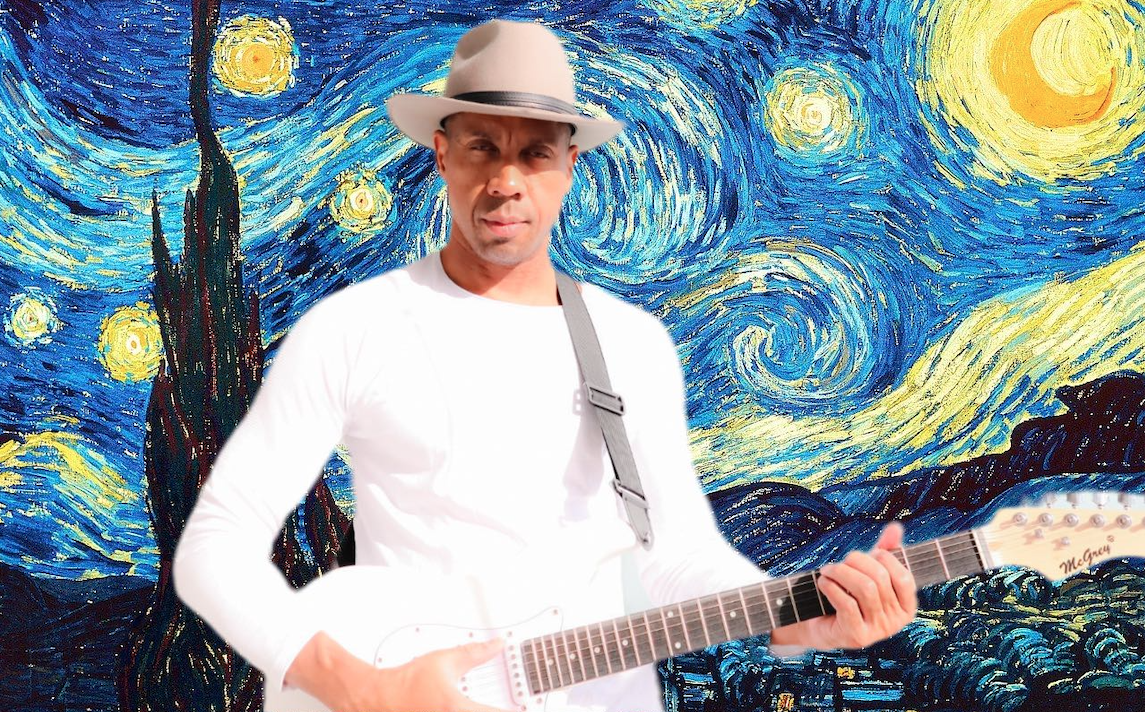
François Marius On the Making Of “Rasta Dance (STARRY NIGHT)”
Can you share any interesting or unique stories or perspectives in "Rasta Dance (STARRY NIGHT)?"
“Rasta Dance (STARRY NIGHT)” video was directly inspired by Vincent Van Gogh painting. I can feel rhythms in The Starry Night painting and the song.
What was your experience working with Engineer Simon Gibson who won the Grammy Awards?
Simon Gibson is one of the most respected mastering engineers in the world today and won a Grammy Awards for his work on The Beatles album. It has been a great honour and a privilege collaborating with him on my song. He put the finishing touches on the track, polishing it to perfection. Thanks to his exceptional work, the production quality shines through, with crystal clear instrumentation and vocals.
What do you like the best about "Rasta Dance (STARRY NIGHT)?"
The whole harmony of the song, everything comes together beautifully.
Can you tell us more about you as an artist?
I am before and after all a dancer. I was always dancing when I was very young and have been a Latino music aficionado for many years The first thing I have in mind, as an artist and when creating a new song is to focus on how the rhythm and vibe will make you feel when listening or dancing on the song. Those are the most important aspects of my creativity. It makes you happy and feel like wanting to dance.
How do you balance creativity and commercial success in your music career?
It's very important for me to separate the creative and business spaces, seeking for assistance and collaborating with others when needed. It's very important for me to keep a good balance on both sides of things without burning myself out, continuously learning while staying true to my artistic vision.
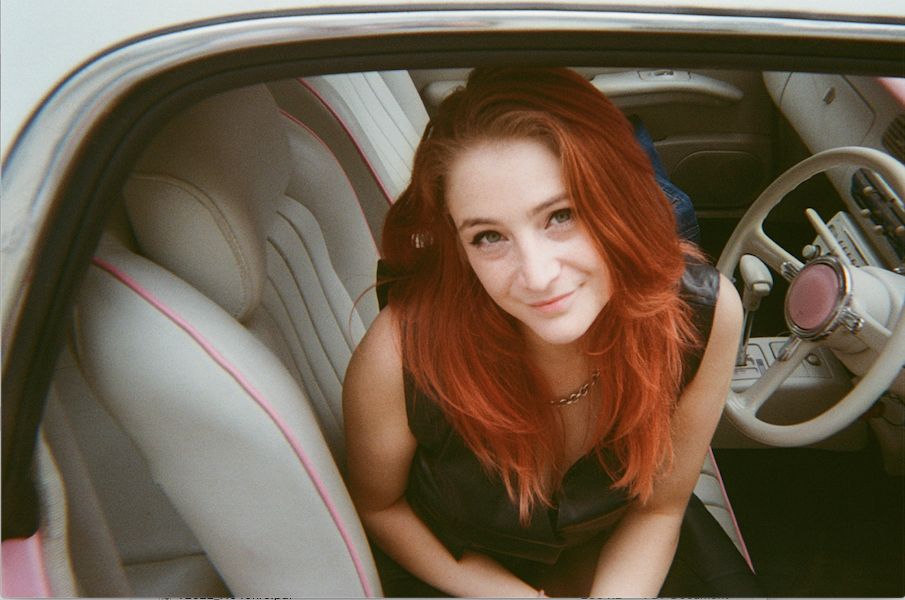
ettie On the Making Of “Marty McFly”
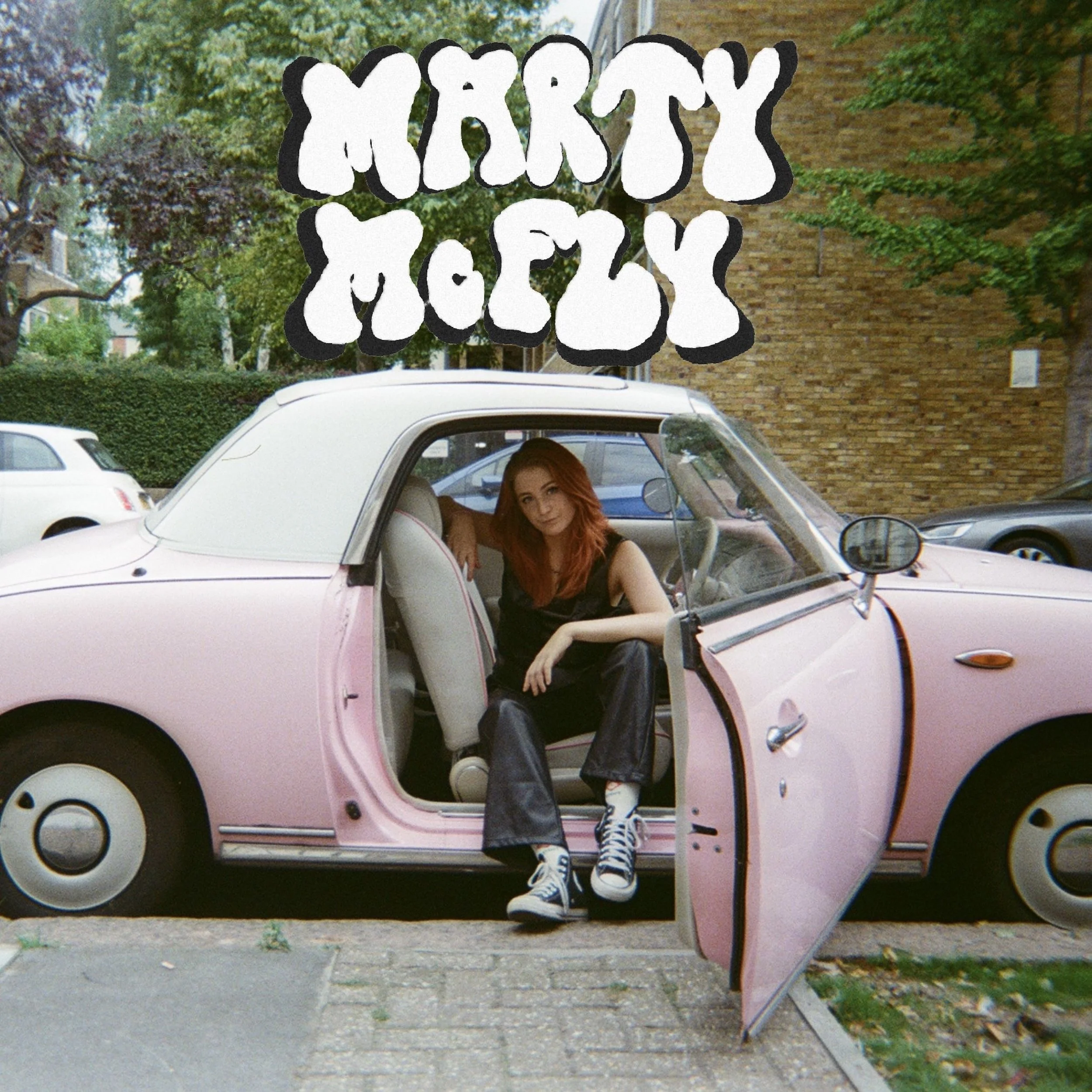
What was the creative process like for this particular "Marty McFly?"
The inspiration for this song happened when I was sitting in the sun in the park I grew up by (my creative process is near-exclusively in public, it’s very annoying). I was just reminiscing on my adolescence and how so many different versions of me had walked through this park, and how most of those versions weren’t living authentically. I went home kind of sad about not being able to get my formative years back since I spent so long denying my sexuality, and I thought of how cool it would be if I had a time machine and could go back in time and tell myself that it’s alright. And we haven’t mastered time travel in this world yet, but they did in ‘Back to the Future’…
Can you talk about the recording and production process for "Marty McFly?"
I connected with Alex from Spit Recordings about making some new music, and I played him the selection of songs I had been working on and he absolutely loved “Marty McFly.” I went into his studio and the song came to us super fast. We have the same punk-rock influences, so we just spent time having fun getting some cool riffs in and then adding some fun synth effects. Working with him is a whole vibe!
What do you like the best about "Marty McFly?"
When I wrote it it felt special. I know that sounds kind of lame but sometimes I write something and it makes me feel all warm and fuzzy. Creating this song really felt like home.
Can you tell us a bit about yourself and how you got started in music?
I’ve always been writing stories, ever since I was really young and had nothing to write about so I would just make things up. As I got a bit older and started getting into pop-punk music I realised that my love for writing stories could also be put into song.
What are some of the biggest challenges you have faced as a musician, and how did you overcome them?
The music industry is changing so frequently at such a velocity that it is so easy to feel stuck sometimes. It’s taken me a while to realise that success isn’t stream or follower counts, it’s the people who listen to your music every day and can sing the words and come to your gigs and get to know you. It’s so easy to get lost, but I try to hold onto that.