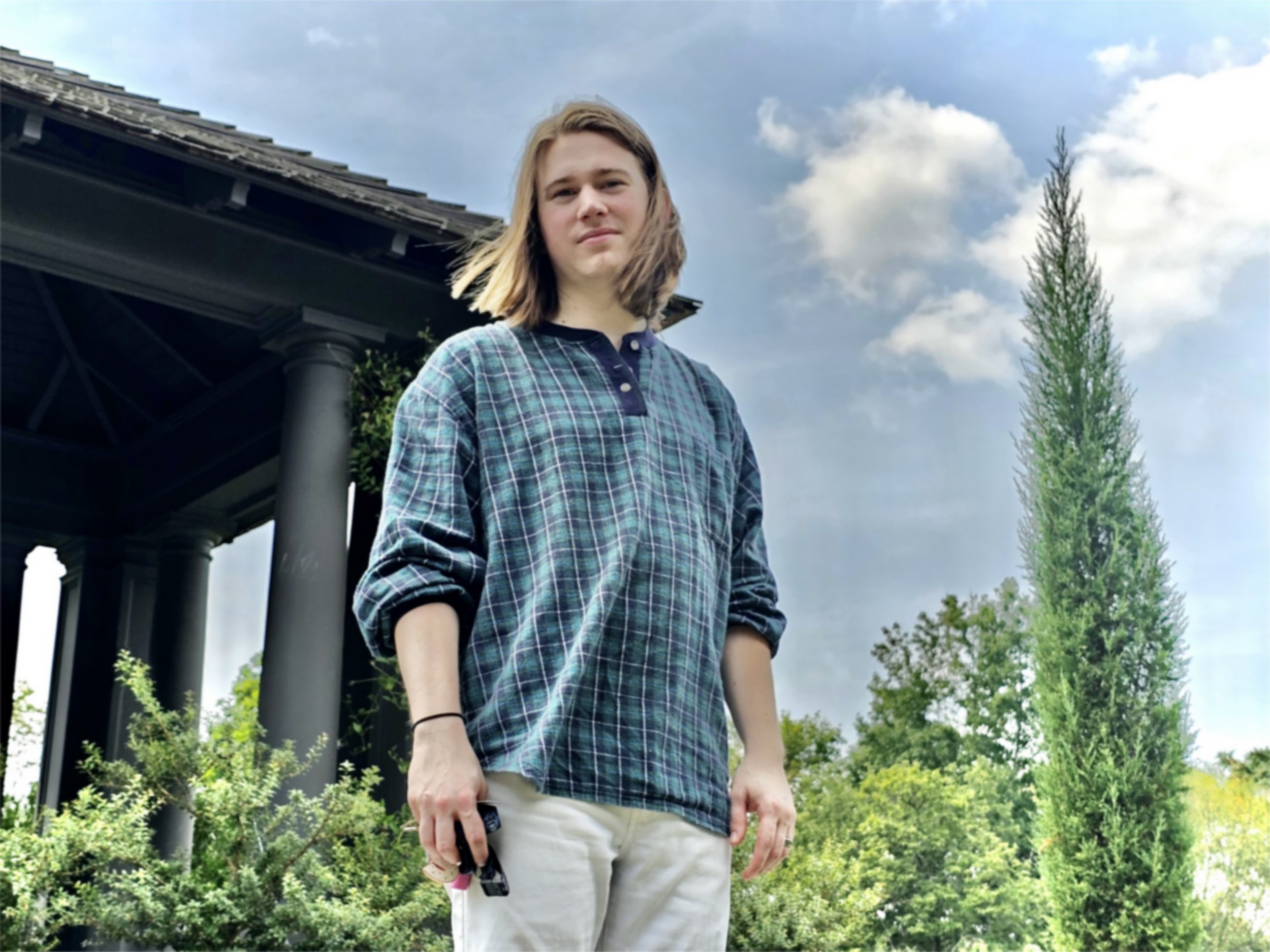
Words and Sound On the Making Of “Yellow”
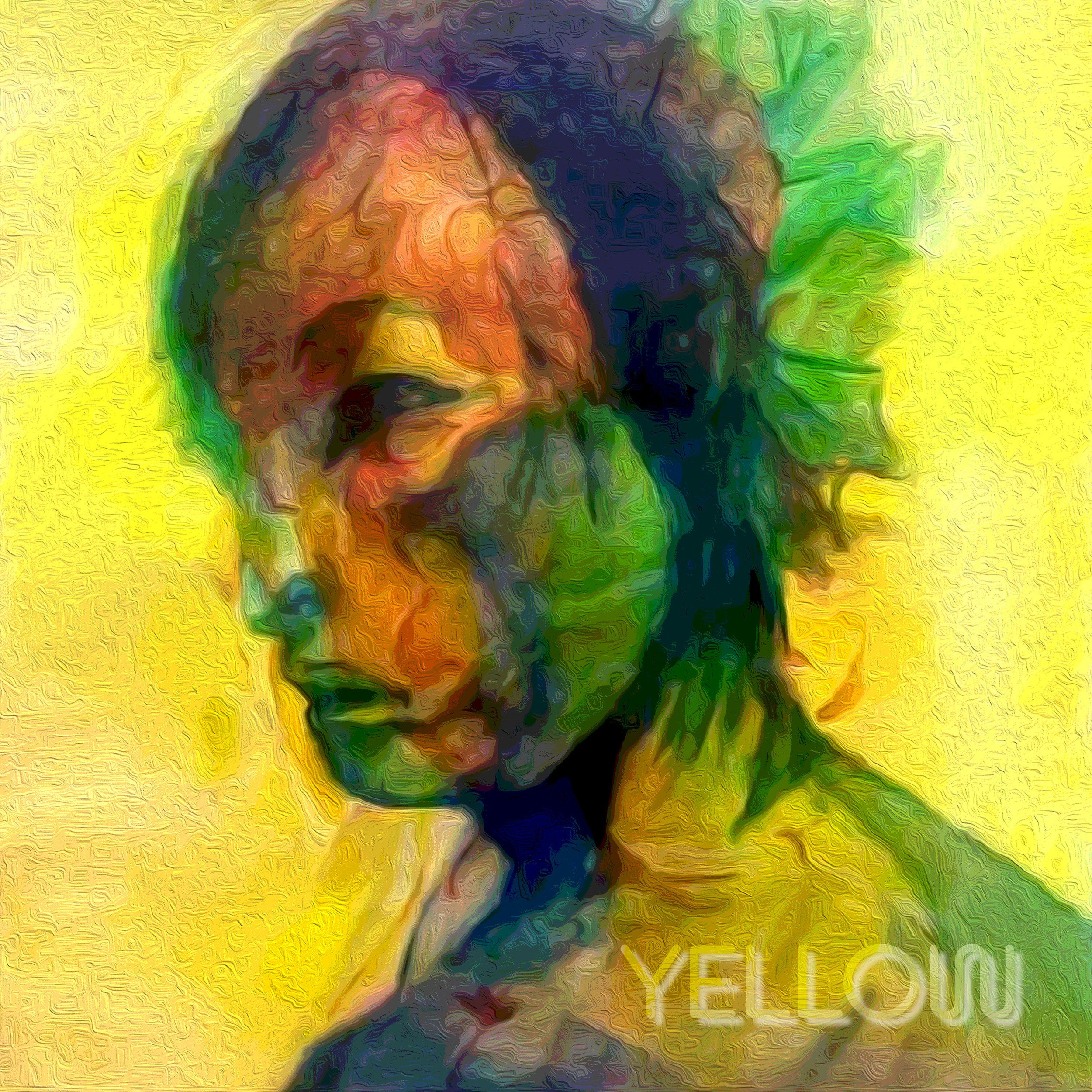
What was the creative process like for this particular "Yellow?"
The creative process was about working through those emotions. I wanted to bring those emotions and those memories into an audible form. I wanted the sound to be soft and bright. I wanted it to be dynamic and move forward in a way that time tends to move us. To sway from soft and loud. I took a long time to find the right sounds and how I wanted these sounds to interact with each other. And I heavily debated about lyrics. A part of me felt like I could tell the story without words but another part of me felt like the lyrics I had were meaningful to the piece. I tried singing some but that didn't suit the song at all so I went with spoken word and it felt very honest and was exactly what I wanted. I tried to read the lines like it would be on a stage play so that I could incorporate the emotion I wanted and I think the two blend well.
Were there any challenges or breakthrough moments during the songwriting process for "Yellow?"
I think the biggest breakthrough moment was just committing to a song like this. I have an instrumental on my first album but it was darker and mysterious. It was also a short song and I felt like I wanted to challenge myself with creating a piece that feels like an experience that you live with for a little bit. And it's opened some doors creatively for me that have allowed other songs to be made in a different way than I think I wouldn't have made if I didn't love the end result of this song.
Were there any memorable or standout moments during the recording sessions for "Yellow?"
The most memorable moment was when I had the first "draft" of the song done before adding more nuance touches. It felt like I made something for real this time. My first album is still something I'm proud of but a lot of those songs had long creative processes and the end result didn't always have the sense of pride and completion. They required more editing and touching up to get them to a place where I felt like it was a song. This felt like a song the moment I decided on the last note. I created something that surprised me.
Can you tell us a bit about yourself and how you got started in music?
I feel like an amateur when it comes to music. I come from a background of creative writing and switched to music production in college with no background in music. I took a guitar class in high school but I didn't really remember much of it. So I started taking music classes for the first time in the fall of 2016. I still graduated on time in 2019 but it left me without the tools I had in college. No DAW, no keyboard, and not a computer that could run a DAW. So I had to work to get those tools. And the journey doesn't stop there, my first album felt more like a learning process than an LP and sometimes that's the way it works and I had to accept that. I took it as a sign to learn as much as I could. Maybe calling myself an amateur isn't too bad since it keeps me learning.
How do you approach creating something new and different?
A lot of people are amazed when it comes to music that's like this but I feel that it comes naturally. Sure, I hadn't made a song like this before but I have done a decent amount of songs that focus on layering and moving those layers together. I'm on the other side of it where I'm amazed at the musicianship of people and how they can work together to make a coherent song with each member at the top of their game. But I believe that's the beauty of it all. We need producers and we need musicians. And that's where the best music is made. When a producer and a group of musicians are making music together. They take their own approaches to music and combine them together to create something.
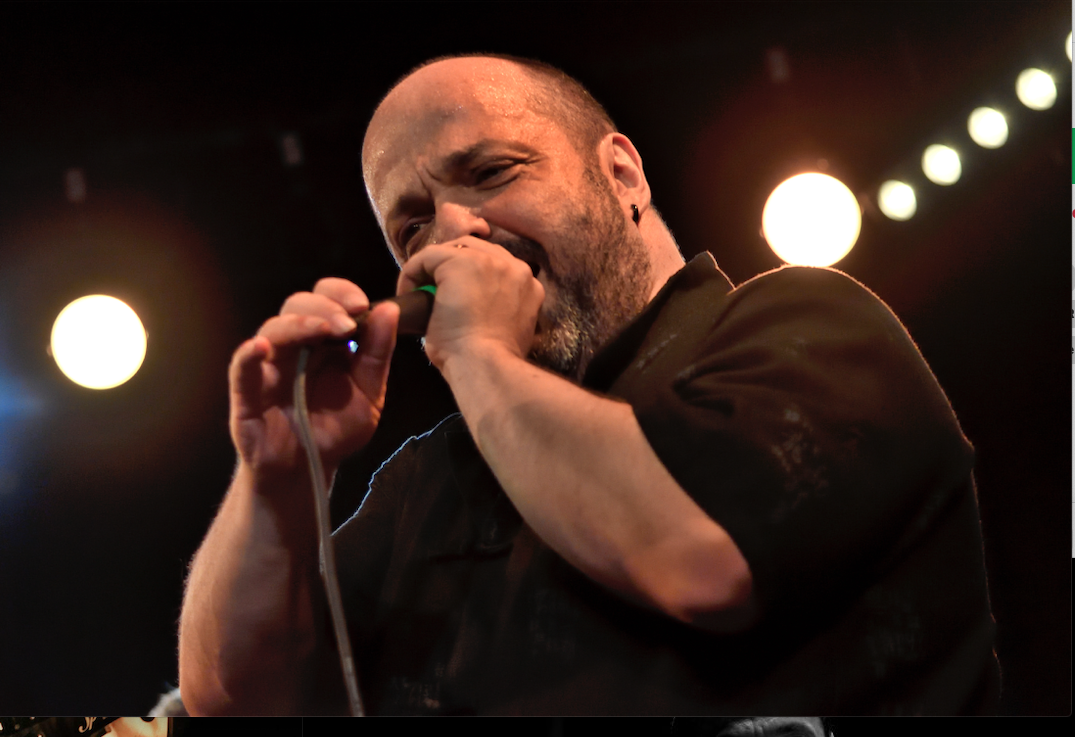
Gene Pritsker On the Making Of ‘Only A Game’
What was the creative process like for this particular 'Only A Game?'
Robbie Fieldes sent me a libretto he wrote decades ago for a ballet then never was produced. I liked the story and decide to write music for a string trio capturing the events, moods, emotions and over all character of the story. Next year we will premiere the ballet with dancers, realizing its full artistic scope. The premiere will be in New York City in March 2024, presented by my organization Composers Concordance.
What did you enjoy most about making 'Only a Game?'
I really liked having the story dictate where the music went. Sometimes writing a piece of music can be an abstract exercise, one I enjoy very much, but having a narrative that evokes certain images, sounds and moods is really fun, since you have to go to places musically you might have not if you were just writing an absolute composition. And, unlike film scoring, where the music is mostly supporting the action on the screen and tries not to get too much in the way, here with the ballet you have to have the music be interesting and tell the story along with the dancers and the libretto, so its very different form, that I think is much more creative and artistic.
Are there specific musical elements or techniques you enjoy experimenting with to create something fresh and innovative?
Yes, I use a bunch of extended techniques to create new sounds on various instruments. In ‘Only A Game’ there is not too much of this but I do use some rhythmic techniques like chopping and arrastre since it is a ballet, and we need some motion. This piece was interesting to write because there are only 3 string instruments and you have to create a whole world with just 3 instruments, so the writing is rather busy.
Can you share a composition that resonated particularly well with your audience?
I have many compositions (900+) for various ensembles and genres, and all are very eclectic. Recently my new song ‘Time Does Not Bring Relief’ from my album ‘Better Now’, has been resonating with audiences. The song mixes a classical soprano and a male R&B voice. You can hear the song and see the video I made for it here: Youtube
What advice would you give aspiring musicians just starting their musical journey?
Find your voice and stick with it, be yourself don’t try to please anyone except your own artistic passion. Be honest and ask yourself these 3 important questions: How, What & Why? How do you write your music, What kind of music are you going to write, and most importantly, Why are you creating music? You can read more about this on my blog: GenePritsker
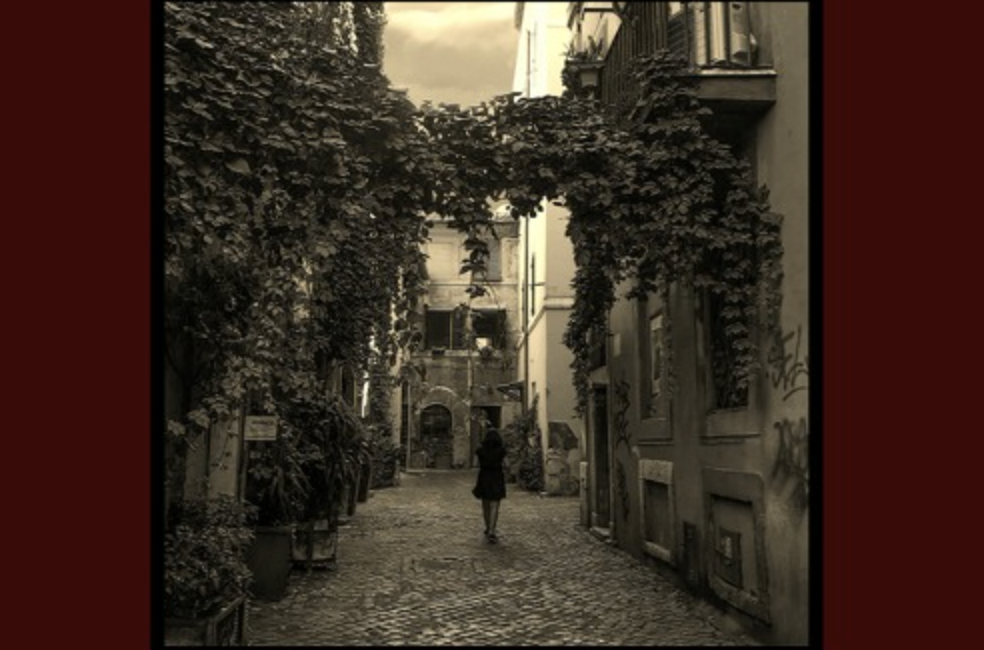
Saeed Habibzadeh “Lost Men”
Lost Men tells the destruction of love in the hands of violence and wars with music. Setting in the fast-paced world of mafia, the film music record marks the very first from the multi-talent composer, Saeed Habibzadeh. With soundscapes filled with love and tears, the epic album wonderfully and painfully choreographies the tenderness and innocence of love with a melancholy undertone. Under the stormy sky is a world filled with violence and danger, however precious the love is, is destined for a tragic end. Lost Men reminds you of Shakespeare. These violent acts have violent ends.
With a heavy heart, Habibzadeh leads the listeners into the belly of the underworld with an untold story about love. Lost Men is hard to shake off. Its blood-stained melodies are haunting as the story they hold together. The tear-jerking album is richer than any soundtrack you’ve heard. Rather than music for film, it’s Habibzadeh‘s own creation of film music.
The composer draws listeners into each scene with intricate changes, signaling moments of suspense and danger. “Assassination” paints the heaviness and suffocation of a crime. Yet, the composer tells it with great compassion. It’s the hint of tragedy that hovers over the cold, dark soundscapes that reminds you the consequences behind death—the loss and grief of loved ones, and a life that never sees its potential. Beyond the tragedy and love, Habibzadeh reminds you of that.
Even in tender and magical moments, such as “Falling in love” and “The first kiss,” the saddened undertone is unescapable. It’s the mournful theme of Lost Men. It echoes in the church organs, in the wailing and weeping of the strings and brass. There are so many emotions in the melodies, being carried out amongst different instruments.
Habibzadeh did a great job bring out the different shades of light and darkness with orchestration. Brass family, the warm, glorious horns, in Lost Men, paints a retro, fallen sense of glory, mixed with guilt and secrets. The emotive and contrasting strings, are the ghosts of suspense and tragedy in this album. While the woodwinds paint the magic and fragility of blossoming, though short-lived dreams. The instruments are hardly unfamiliar in Western films. But they remind us of composers in the romantic period. Tchaikovsky, in particular, is a name that comes into mind.
More words are being said though no word is spilled. That’s the magic of Lost Men. “Wait for me at home” and “Nightfall,” the two pop ballads, co-written by Susann Offenmuller and Habibzadeh, then concludes the story with stunningly touching songs that are destined to stuck in everyone’s head after listening. Like “Young & Beautiful” in The Great Gatsby, they are woven into the core storytelling and aesthetic of the project that feels like it can’t live without. Stick to the end, and the end will surprise you.
Read our interview with Habibzadeh and learn more about the stories behind Lost Men.
Punk Head: I love how haunting and cinematic Lost Men is. The album is meant for a mafia film. Can you tell us more about it?
Saeed Habibzadeh: The album Lost Men is my first experience composing a film music album. It came out of my heart full of love and longing in the spring of 2023 in the mountains of Switzerland. I produced it in my own studio and funded it myself. Maxima Manni took on the technical challenges. Although she is only 16 years old, she has done true engineering work and realized everything technically with a lot of commitment and love.
The album Lost Men tells the story of the destruction of the love and dreams of children and young people by power and rulers and their wars. It tells how gentle and fragile love is and that without love nothing makes sense.
The album Lost Men wants to touch people in their hearts and remind them of their oldest wishes and longings. We all long for peace, harmony, joy and love.
It is time for violence to end and for us all to live in friendship and harmony.
PH: Which song do you like the best and why?
Habibzadeh: I feel deep love for all the tracks on this album. All of them tell episodes from the story. But I am most touched by the last piece "Wait for me at home". This composition often made me cry because it expresses my deepest feelings and makes them musically audible. Susann Offenmüller sang the song as well as the other single "Nightfall" with such intensity that it took my breath away again and again. "Wait for me at home" sings the soul of the young woman who lost her boyfriend through violence. She sings to him through the stars and tells him to wait for her at home in paradise since this world has not allowed a union in love.
PH: Can you tell us more about you as an artist?
Habibzadeh: I am 60 years old and I was born in Tehran, the capital of Iran. When I was 14, I saw fanatical Islamists destroying the country. When I was 16, Iraq attacked Iran and war broke out. At the age of 18, I was a soldier in the war myself and had to experience for two years how ugly violence is. At 21 I left Iran forever and lived in Germany until the end of 2021. Since the end of 2021, I have been living in Switzerland.
I never learned or studied music. Everything I know, I have taught myself or I have brought it along from other incarnations. I also compose classical music. My first 11 works, including my three symphonies, two piano pieces, orchestral pieces like “Capriccio The Heavenly Celebration”, “Summer Festival Waltz and the Magic of the Elves”, “Swiss Waltz” and my first organ piece "Toccata and Fugue for the Glory of God" as well as a duet and a quartet have been published.
My next project is a film music album for James Bond and will be dedicated to the great Daniel Craig because he inspired me to do it (more information at www.saeed-music.com/en).
My heart also beats for wisdom and healing people. I have published 6 books, with another 10 in preparation (more information at www.saeed.eu/en).
PH: Who are your biggest inspirations?
Habibzadeh: My biggest inspiration is my own heart which inspires me and gives me music. After that, it's Bach, Mozart, Chopin, Tchaikovsky and Shostakovich.
PH: What is the one thing that you’d like your fans to know about you?
Saeed Habibzadeh: I want to answer two questions with a big smile when my final hour has come: what do I leave behind in this world and what do I take with me?
I am open to any collaboration and I warmly welcome everyone.
Whatever happens, time has taught us that love is always the answer, the solution and the way. Give love wherever you can. Even an ocean is made up of little drops that give water!