Adai Song On Reimaging Shidaiqu And Bridging Cultures In “The Bloom Project”
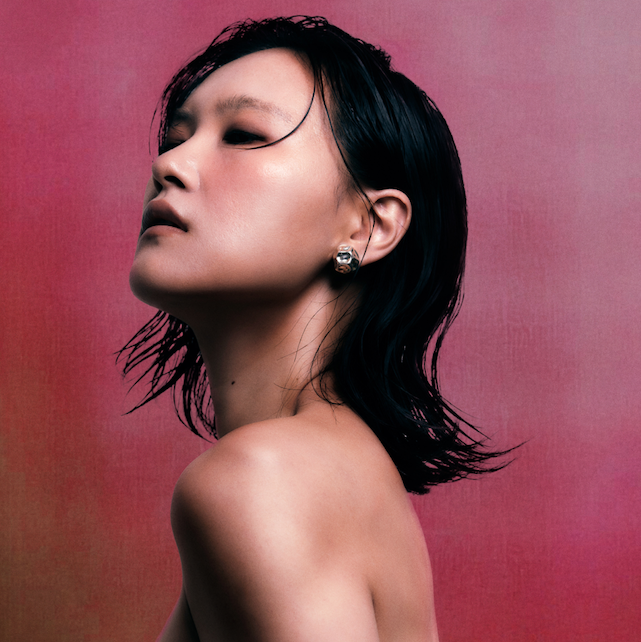
“For a long time, Asian pop was filtered through external expectations...But there’s a new generation of artists rewriting that. We’re not asking permission to fuse things anymore; we’re doing it instinctively.”
Based in NYC and Beijing, Adai Song is an electropop singer, producer, DJ, and songwriter who creates with the best of both worlds. Instinctively weaving Western genres with Eastern elements, Song revisits the shidaiqu genre, built by a generation of female vocalists singing the songs written by men. To reclaim the narratives, The Bloom Project, this year’s Grammy consideration candidate, a genre-redefining album that aims to introduce a different C-pop to the global audience. A love letter to the women whose voices defined the shidaiqu genre and Song’s younger self, The Bloom Project is her boldest and most personal project yet.
Punk Head: The Bloom Project reimagines “shidaiqu” — a genre rooted in 1930s Shanghai — through a feminist lens. What was the very first spark that made you want to revisit this musical history?
Adai Song: It started with fascination — and frustration. I’ve always loved that golden era of shidaiqu, when Chinese pop first met jazz and Western harmonies. Those songs carry a kind of bittersweet glamour: women’s voices emerging for the first time in recorded history, sounding both fragile and fearless. But when I revisited those lyrics, I realized almost all of them were written and produced by men. Women were the muse, not the author.
That realization became my spark. I wanted to rewrite history from the producer’s chair — to reclaim authorship over sound and story. In The Bloom Project, I reimagine those melodies through my own lens, fusing guzheng, pipa, and other East Asian instruments with electronic production and feminist storytelling. It’s not nostalgia; it’s transformation.
Punk Head: Who did you have in mind when you made this record — women in your generation, your ancestors, or your younger self?
Adai Song: All of them. I often think of The Bloom Project as a conversation across time. When I sing or produce, I’m speaking to the women of that shidaiqu generation, the ones who could only express themselves through someone else’s pen. Back in the day, it was nearly impossible for women to find stable jobs, so many worked as showgirls, like the women depicted in Night Shanghai. Their songs were full of longing: How can I be loved? Who can I rely on? Where is my love? That was the emotional vocabulary available to them.
As a woman from my generation, I feel an enormous privilege to live in a time where I can choose my own path — to work, to create, to build something in this big wide world. That’s why I wanted to rewrite those narratives through a different lens: not just who can love me, but where do I stand in the world? What is my value? How can I achieve myself and, in my own way, make the world different?
And of course, there’s my younger self in the conversation too, the girl who sang melodies everywhere she went without realizing she was already writing songs. The Bloom Project is also for her, to remind her that the voice she was searching for has always been there, waiting to bloom.
Punk Head: Your songs feel like love letters to cultural memory, but also acts of rebellion. What kind of response moves you the most from listeners?
Adai Song: The most moving response is when someone says, “I’ve never heard these instruments sound like that before.” That’s when I know I’ve bridged something. In Asia, traditional instruments are often trapped in nostalgia or used for ancient-vibe music tied to historical dramas. In the West, people might associate “Asian music” with restaurant background tunes or cinematic clichés. The Bloom Project refuses both boxes.
During this year’s Grammy consideration process, when I sent my songs around to Recording Academy voting members and posted more of my content online, I received an overwhelming wave of feedback. When I share my music with other Chinese musicians who grew up playing the same traditional instruments featured on my album, their messages said things like, “Oh my god, I’ve never heard my instrument sound like this before.” For Western audiences whose memory of these instruments might only come from Chinese restaurants or movie soundtracks, their reaction was similar: “I’ve never heard anything like this.”
And for Chinese listeners who already knew these folk melodies, tunes that are part of their childhood, they’d often say, “This sounds so familiar, yet so strangely interesting.” That paradox is exactly what I love. When people tell me it feels fresh, that it’s something they’ve never heard before, that’s the most meaningful compliment I can get. It means the bridge worked. The music traveled across cultures and came back transformed.
Punk Head: You’re bridging Beijing, NYC, and global music scenes all at once. What have you learned about identity through creating art across cultures?
Adai Song: Living between cultures gives you more than just perspective; it gives you multiple selves. I grew up in China, studied in the U.S., and also learned German along the way, so every language I speak feels like a slightly different version of me. When I switch tongues, I also switch rhythms, thought patterns, even melodies.
That’s the beauty of cross-cultural creation: you start to hear how worlds can coexist. I might meet a guzheng player in China who can’t imagine their instrument on an EDM track, but in my head, that sound already exists. Because I’ve stood on both sides — in Beijing studios and New York clubs — I can be the bridge. My identity isn’t split; it’s expanded. And I enjoy being such a multifaceted person who connects ears, cultures and hearts!
Punk Head: You’ve talked about building “a new concept of C-pop.” What would you say defines this new wave of cross-cultural Asian music?
Adai Song: For a long time, Asian pop was filtered through external expectations, either shaped by Western trends or boxed into stereotypes of “tradition.” But there’s a new generation of artists rewriting that. We’re not asking permission to fuse things anymore; we’re doing it instinctively.
This new wave of C-pop — or rather, global Asian music — isn’t about copying Western sounds or preserving heritage untouched. It’s about invention: guzhengs and drum machines, Mandarin poetry and club energy, pentatonic scales over UK garage beats. It’s about owning both the past and the future.
If The Bloom Project represents anything, it’s that coexistence. It’s the beauty when tradition and technology, femininity and strength, East and West, all breathe in the same rhythm.