Punk Head: You describe yourself as born and raised by the internet. What did it teach you to want, and when did you start questioning those wants?
Pavo Cadaver: The internet absolutely taught me a lot about myself as well as the world around me, and especially worlds that I wasn’t privy to growing up.
I’d like to think of it as both a controlled exposure therapy and also trauma source, depending on the corner of internet I'd find myself on.
My answers towards those questions have changed so much as I’ve gotten older, and I would be lying if I said I had it figured out. Let’s check in maybe two or three years and see if that is still the case!
Punk Head: When you put “#1” next to “Pop Star Sellout,” does reaching the top already sound like a bad deal? What made you want those two ideas introducing you together?
Pavo Cadaver: I was actually wrestling this exact dilemma when naming this project! I think the addition of the #1 really emphasizes the absurdity of the pursuit of stardom, as if being a sellout is not enough.
There is this notion that I was privy to as a young kid that if you are to succeed in life, you must be the best at whatever you're doing. And I think it says a lot about the pipe dream that is sold to artists and how the industry only wants to reward the "best of the best.”
There is no nuance nor moderation when it comes to this dial of success, especially within the genre and industry of pop music. I really wanted the name “#1 Pop Star Sellout” to showcase that fallacy and lean into the satire of pursuing the ideologue of a sellout.
Punk Head: What was the first detail you invented about the character that made them feel real enough to write songs for? And where do you and the character disagree most? Is there a line in either single that they sing with conviction but you feel conflicted about?
Pavo Cadaver: I think truthfully so much of the character of this project came from “#1” and the monologue that ensued from that track.
In my head, this character is a young teenager who is smitten with pop idols and performers, and spends every waking moment of their day aspiring to be as big as them.
To be quite honest, I really tapped into a lot of those tropes from my own experiences when I was younger. And that’s ultimately the place where myself and the character have the biggest differences and disagreements.
I think there's quite a naiveté in the character towards the often ugly reality that comes with the industry behind an artist, and the various obstacles that you encounter trying to execute that vision; whether that is in the creative collaboration process, the distribution process, royalties, scammers, etc.
I would say that is where I differ the most; within my own lived experiences of working and releasing music.
Punk Head: Gaga, Björk, and Kate Bush have each built distinctive worlds around their music. What’s a specific artistic decision by one of them that helped you solve a problem on this project?
Pavo Cadaver: I think the common denominator that I feel with all three of these artists is their ability to not limit their sound based on what is commercial or conventional.
I love how all three of them have constantly used genre as a tool and not as a roadblock for their creative projects. “Pop Star Sellout” absolutely was a song where I learned the importance of it as an instrument to craft a specific but intentional world for my music to live in.
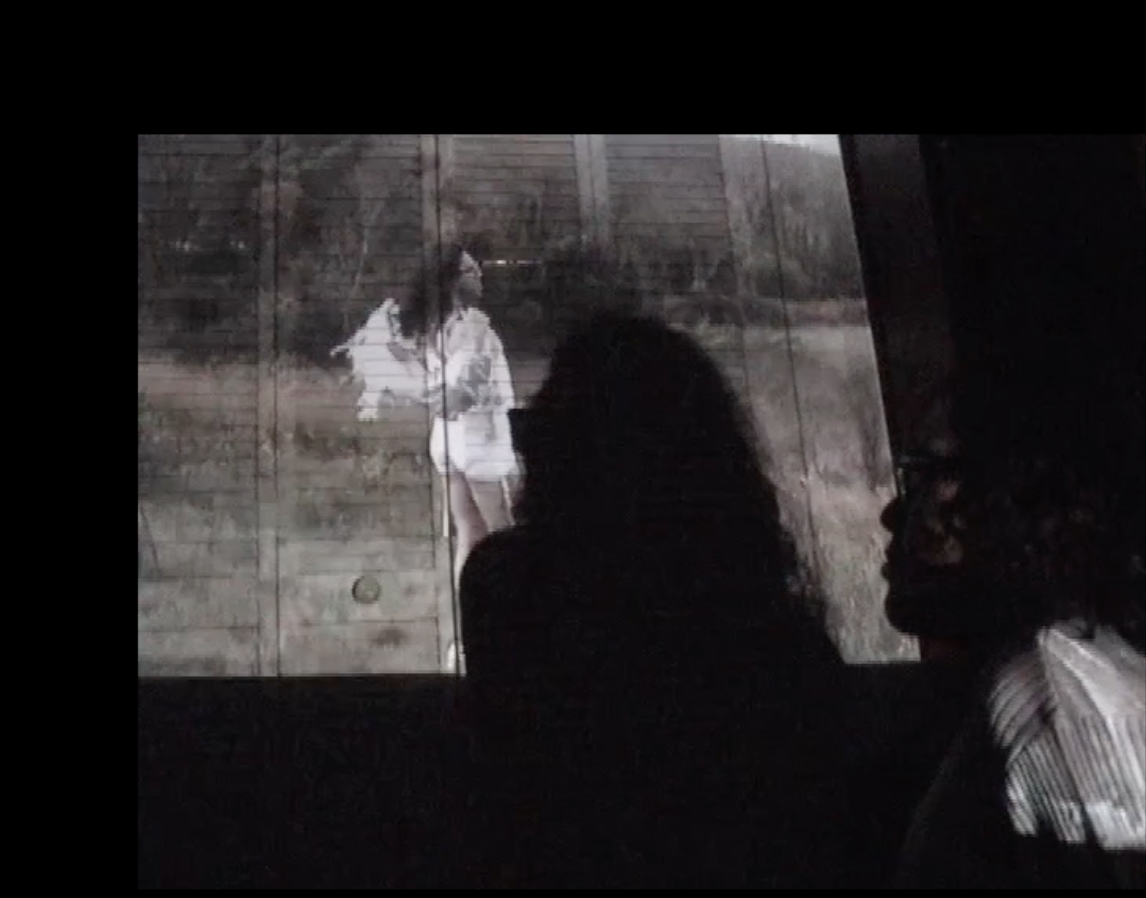
Beyond that, all three of them have always taught me the importance of moving beyond the music in their world-building, particularly in the visuals. It is why I decided early on that I wanted “#1” to have a video of its own.
Those kinds of visuals have made all the difference between what is just a collection of songs versus an illustrated concept with various degrees of dimension. I really think about the promise of “ARTPOP” as an album particularly; this marriage of the music with pop art, as well the complicated marriage of artistic integrity with commercialism.
I’d think to think there are some parallels there with what I set out to create with “#1 Pop Star Sellout.”
Punk Head: Concept albums ask listeners to enter a story, while singles have to make an impression quickly. What did these two tracks need to reveal, and what did you want people to get wrong at first?
Pavo Cadaver: Oh I want people to get the wrong impression of what I’m singing about. I think if I were to listen to these tracks casually, I would get the impression that this artist really seems to be obsessed with fame and notoriety. The production really lends itself to that at times too. But I really think the lyrics reveal a lot of hidden layers and deeper meanings on closer inspection.
I would encourage people to read into them and see how it transforms their idea of what it is that this story is saying. I don’t think it’s necessarily exclusive to being a successful pop star.
Punk Head: When “#1 Pop Star Sellout” ends, what do you want listeners to reconsider about the way they watched this star rise?
Pavo Cadaver: The beauty of art is that everyone will come out with their own personal impressions and opinions. So I want people to take what they want from the project as a whole.
Ultimately though, I want people to reconsider this idea of what it means to achieve your dreams.
At least from my own experience (and what informed the world-building of what will be my debut album), dreams manifest very differently once they materialize and become a reality.
Some people may consider that an abandonment of their ideals; others may call it a fall from grace, and some think of it as personal growth.
I hope people can take that evolution and find their own personal meaning and promise amidst the story that is told through this project.