Ramblerman On the Making Of “Lemonade (Charity Release)”
What was the creative process like for this particular song
When I wrote Lemonade, it felt like everything I was doing was out of necessity and desperate survival. At the time, I had just left nearly a decade of working in architecture to turn to years of mixing the challenges and ups-and-downs of self-employed life with intense feelings of unhappiness and failure. At this time I was mowing lawns to scrape together enough money to get by and spending what I could on studio time to record demos. Mowing lawns for a few years was incredibly good for my mental health and also for my return to creativity. For both better and worse pushing a lawnmower for eight hours a day gives you a lot of time to go inside your own thoughts and feelings and sweat some of the through.
“Lemonade” was written one morning, lying on my kitchen floor before heading out for a day of gardening. It came out straight in one spew of words. The couple of lines I mumbled through, I wrote later that afternoon while pushing a lawnmower through waist-high grass in the Australian summer heat.
The second part of the process was a much slower burn. After recording the first demo take, two years passed where I tried to forget about it, pretty convinced it would never be released. I was starting to write happier songs and wanted to focus on those. But I hadn’t totally forgotten it — I’d occasionally return to Lemonade with Guy at Amberly Studios, usually to attempt another vocal take. Guy kept encouraging me to release it, but my focus was elsewhere.
Were there any challenges or breakthrough moments during the songwriting process for “Lemonade (Charity Release)?”
The biggest challenge with recording this song was the vocals. My first take was a bit flat and off-key, and every attempt to re-record it just felt wrong. After a lot of frustration and feeling like the song was going backwards, I suggested we return to the original take. For a while, we even tried pitching those vocals up to fit the key of the music.
The breakthrough came when we flipped that thinking and pitched the music down to match my voice instead. Suddenly the whole track made a lot more sense, and I had a little hope again. The song is about reaching up from underneath — so it feels fitting that my singing would be doing the same. It’s a relief to finally have it out. I hope people like it, but I’m happy to be working on other things now.
Is there a particular message or theme you hope listeners take away from “Lemonade (Charity Release)?”
I want the song to reach people living with depression, to remind them that even if they feel alone in their experience, they’re not alone in feeling it. Depression is something I’ll always treat carefully when releasing music about it, but it’s also something I care deeply about singing about. I don’t sugarcoat experiences of sadness, At its core, Lemonade is about the relentless cycle of rumination and self-talk that comes along with depression, the repetition of thought, the desperate yearning for change. I hope people will also see that it’s a song about persistence, resilience, finding strength through pain and speaking out. The message is about balance: it’s important to ask for help, but a lot of the strength to keep going has to come from within. Most people never have to experience the sheer effort it takes just to hold on — but for those who do, I hope Lemonade gives them some recognition and relief.
This song is about raising awareness more than money but there is a fundraiser alongside the release.
All proceeds from the song will go to Beyond Blue and the Black Dog Institute, two incredible organisations that provide support and vital services for people living with depression and anxiety.
Donations can be made via song download purchases through Bandcamp or by donating directly via the Gofundme campaign.
If you're struggling with your mental health you can find support at www.beyondblue.com, www.beyondblue.com.au , www.blackdoginstitute.org.au or via lifeline ph: 13 11 14 (In Australia).
Can you tell us more about you as an artist?
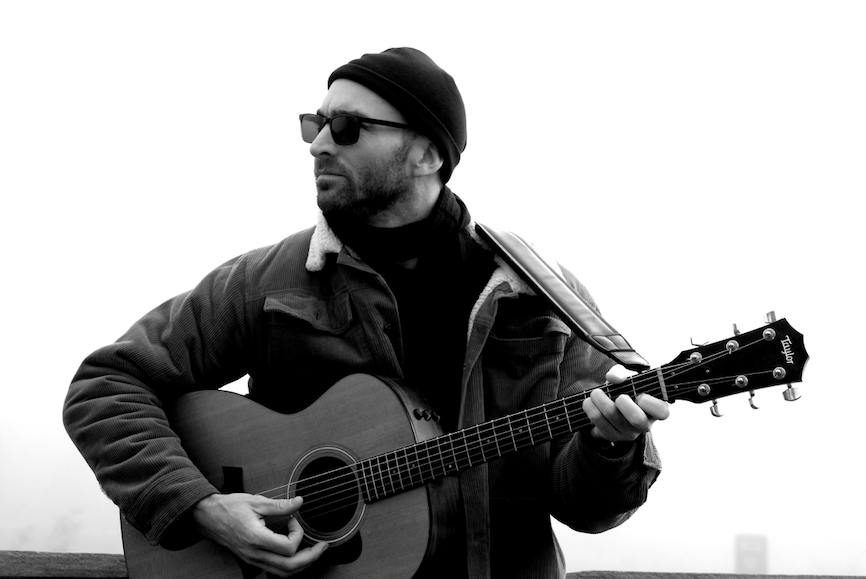
‘Ramblerman’ isn’t an incredibly creative or original name, but when it came time to decide what I’d release music under, I chose not to overthink it. Every other name I came up with felt too loaded, tied to a genre, or weighed down with associations I couldn’t shake. Ramblerman, on the other hand, felt like an empty vessel — something I could take in whichever direction I wanted, and even change over time.
I don’t really see myself as Ramblerman. For me, Ramblerman is a creative experiment in letting go.
What are some of the biggest challenges you have faced as a musician, and how did you overcome them?
One of my biggest challenges is that when inspiration strikes, I forget to eat or sleep properly. I can lose whole days to a song. That, and my capo spends more time lost than found.
I also came to music later in life, so my fingers aren’t as nimble as they might have been if I’d started younger. But I’ve grown to like the simplicity of my skills — it forces me to keep things pared back. I can happily rock back and forth between two chords for hours because it lets me focus on lyrics. I try to overcome my own limitations by working with more capable musicians.
At the end of the day, I write for two groups of people: my family and friends — so we can know each other better — and for others who are trying to be brave enough to put their hearts on the table. More and more, people are starting to come to me to develop songs and co-write. That’s the direction I want to keep growing in — helping bring songs into the world that are bigger than what I could do alone.