
Afif Zubiedi “Dance With Me”
“Support and acknowledgment will make my creativity limitless.” —Afif Zubiedi
His words are few, but the world is big in DJ Afif Zubiedi’s music. “Dance With Me” is an eclectic and euphoric house/EDM track with a nostalgic hint and neon-infused vibe. Elements from future rave and melodic techno comes together for a rare blend. It’s emotive and deep, at the same time immersive and atmospheric. A simple track seems to trigger a vast range of responses. At times, you find yourself moving with its infectious beats. At times, you feel a more personal connection that evokes certain memory. And at times, you simply want to lose yourself in its vibrant sonic world.
DJ Zubiedi’s journey with music much reflects the way his music makes the listeners feel. His love and devotion to music began at a young age, and he has been an avid listener as well as an active music maker. The prolific musician has many tracks and music sessions under his belt. A journey through his catalogue certainly feels like an adventure in an universe: eye-opening, imaginative, and filled with awe.
Check out our interview below where we chat about his musical influences and journey.
Punk Head: I love how immersive " Dance With Me" is! Can you tell us a little about your musical journey?
Afif Zubiedi: I’ve been in love with music since I was a little kid, from listener to djing to creating nonstop music sessions to producing.
PH: What are you most proud about this track?
Zubiedi: There are elements in this track from future rave and melodic techno which I didn’t hear before.
PH: What is your creative vision as an artist?
Zubiedi: Simply…to create something that makes ppl hear over n over again.
PH: Who are you listening to at the moment?
Zubiedi: artbat, camelphat.
PH: What is the one thing that you’d like your fans to know about you?
Zubiedi: Support and acknowledgment will make my creativity limitless.

Single By Sunday “Reputation”
Based on real life events, “Reputation” speaks up to online bullying and sabotage and how one simple act of selfishness could ruin the life of others. Like the Phoenix rising from the ashes, the latest release from Single By Sunday is more than ever fierce and truthful. Through the pain and trauma comes the creation of the song. In the process of their truth, they find strength and courage. “Reputation” is a hard-hitting banger with a lot of punches and hearts.
Sonically, “Reputation” feels liberating and refreshing with a drastic burst of energy that feels like the erupt of a volcano or the moment of freedom after so many years of burden-bearing and suffering. They bring a contemporary approach to the mid-eighties pop punk ethos. Nostalgic, energetic, but also heartfelt and refreshing. “Reputation” is a song that you just know you’re gonna want it in your life.
Check out our chat with Single By Sunday on the story and inspirations behind their empowering banger:
Punk Head: I like the storytelling in “Reputation.” How did you come up with the idea?
Single By Sunday: ‘Reputation’ is based on true events, so it wasn’t an idea that we came up with. Basically, 5 years ago a rumour was started by a fan that fancied a member of the band. It accused the band member of touching her inappropriately during a photo shoot, which she said she took as a sign that he also fancied her.
A friend of the fan posted this online and labelled the band member as a paedophile/abuser.
The fan in question later admitted that IT DIDN'T/HADN'T HAPPENED but was now too embarrassed to ask her friend to go public and retract the comments for fear of how it would make her look in front of her other friends/the public. A life/career nearly ruined because of a totally untrue and ugly rumour.
PH: Was there any challenge that you encountered while making the track?
Single By Sunday: Because it’s based on real incidents, it meant that some pretty painful memories had to be revisited. It’s actually surprising how much power the abuser has verses how much power the victim doesn’t have, and the Police don’t always help either. Apart from going back over old memories, we never really had any other challenges, thankfully.
PH: Can you tell us more about you as a band?
Single By Sunday: Yeah, we formed back in 2015. We’re known for our trademarked coloured hair, and we like to combine our energetic live shows with raucous guitars and a millennial brashness. We always try to retain some of the original mid-eighties Pop Punk attitudes.
The core band members are Josh Ladds - lead vocals and Jonny Eakins - lead guitar/backing vocals. We also have Joshua Clark on bass and Ben Morland on drums. We are great believers in not being ‘genre specific’. ‘What's the point in having different musical influences and not experimenting with them?’ - Jonny Eakins.
PH: Who are your biggest influences?
Single By Sunday: We grew up on artists like Blink 182, The 1975 and My Chemical Romance, they’re just a few of our influences.
PH: What is the one thing that you’d like your fans to know about you?
Single By Sunday: We take our music very seriously, but we don’t take ourselves too serious. That might seem like a contradiction in terms, but we don’t see ourselves as better than our fans, we’re just fortunate enough to have people that like what we’re doing and want to support us…. Thank you
Stereo Sunrise “Plains on Fire”
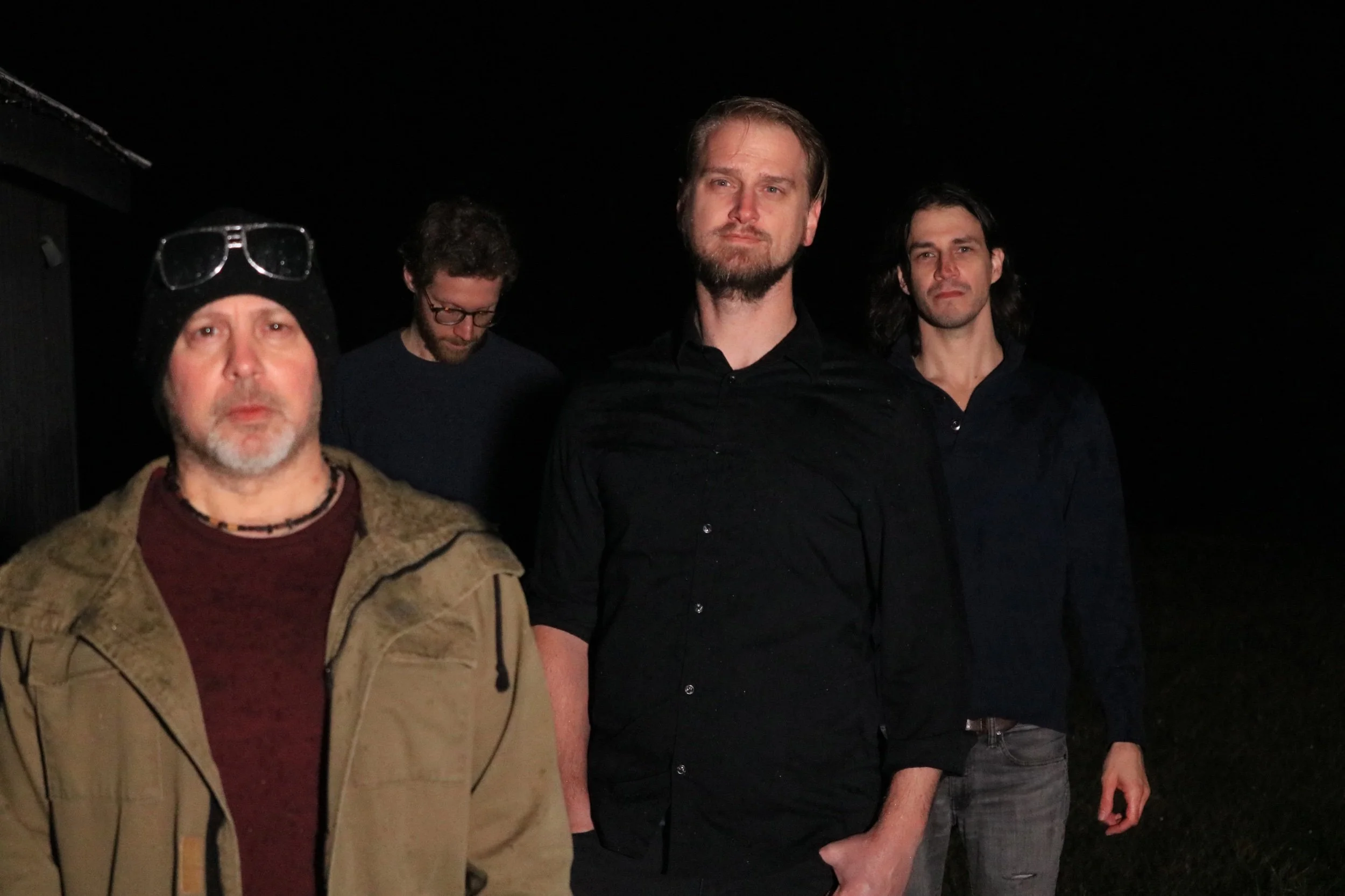
The award-winning Canadian four-piece band Stereo Sunrise is coming back with a haunting single, “Plains on Fire.” The track tackles deception and its negative fallout with spine-tingling lyrics and entrancing riffs dubbed with cold, chilly drums, portraying a vivid, hard-to-forget scene in the opening. As the song progress, it gradually unravels its rich, revealing storytelling. The contrast between the chorus and the verse is undoubtedly drastic. One could argue that the mood and atmosphere have completely flipped from a hard, cold to a hauntingly warm exploration. Yet, the subtle build-up sparks honesty and authenticity.
There’s a strikingly haunting quality to “Plains on Fire.” From the harmonious background vocals in the chorus to the sense of bizarreness in the soundscape, the track has something that hooks you tightly. In the midst of all that, there’s an undying fire in their sound: roof-lifting, nostalgic, and infectious.
In our interview below, we chat with Stereo Sunrise on their alternative rock influences and how their new single came together.
Punk Head: Absolutely love the vibe of “Plains on Fire.” Who are some of your influences?
Stereo Sunrise: Our sound is definitely rooted in 90s’ alternative rock nostalgia, with bands like Blind Melon, The Gandharvas, Treble Charger, The Watchmen, and Dinosaur Jr. Add in a few classic rock influences, like The Kinks, Led Zeppelin, and Blue Rodeo. Finally, garnish with a bit of Randy Rhodes and Black Sabbath. Oh yeah, and of course, The Replacements.
PH: What are you most proud about this track?
SS: This track really transformed from the original idea. Piero came up with the riff, which is in like 9/8 time or something strange and then we started adding our parts. It’s fun to get out of your comfort zone and get a little weird. We worked with Siegfried Meier to get it recorded and we’re really happy with how the production turned out. We recorded so many ideas for backing vocals and he somehow fit most of them into the song. Overall, the song sounds pretty different and we had a lot of fun writing it!
PH: Can you tell us more about the band?
SS: Back in 2010, Piero (lead guitar) placed a classified ad looking for a singer. Justin answered that ad. Arih was learning to play bass guitar for another project when he ran into Justin at a bookstore (holding a Learn to Play Bass Guitar book). We recorded and released three EP’s over the years, the first two with Tommy Metcalfe (Dammit Goldie, The Advancing Low-Lives) on drums. After Tommy went back to school, Mark joined the band to track our third EP. We’ve been a band this way for 5 years now.
As a band, we love the writing process. Just getting together and seeing what we can come up with by mixing our musical styles and influences. Piero is a 70s’ child, whose past project, Marble Weed, was a fantastic Niagara-based alt rock band in the 90s’ which landed a number of contracts, even one with FRE Records/EMI, but none of them panned out. Justin had been quietly writing songs in his basement and around the campfire for many years before deciding to join a band. Arih is a multi-instrumentalist and solo musician under Arih SK; plays bass in Pablo Paddy and Powerwalk, and created a popular online music show shot in his living room, called Band on a Couch. Mark has a place out in the country where we can be loud. He also drums for several bands, including Knife the Wolf, Charles J. Hunk & the Trainwreck, and Powerwalk.
PH: Who are you listening to at the moment?
SS: Writers have to read and songwriters have to listen. Here’s a few of our current selections:
Justin: Jo Bel, Phoebe Bridgers, Damien Jurado, Andrew Bird
Piero: Cardigans, Beatles, Sam Roberts
Arih: Nick Faye, Dawes, Altameda, Jeffrey Lewis
Mark: Megan Nash, New Order, Talking Heads, Dinosaur Jr.
PH: What is the one thing that you’d like your fans to know about you?
SS: Music isn’t for making money. Music is for making something out of nothing. Pulling a new thing out of non-existence. And it’s about connecting with people. Every year we head up north to 4 Mile Lake to play a show on our friend’s dock. All the boats on the lake come out and it’s always a good time. You have to enjoy these moments.
Bromsen “The Photograph”
“The Photograph” is being described as “hits hard” by listeners. For the eclectic Berlin duo Bromsen, it certainly is a special track with rich backstories. Inspired by faded photographs and the drastic, emotional experience of nostalgia, Bromsen tap into old and lost dreams that still haunt them to these days. In the creative process, they also call upon their old bandmates for a musical reunion.
“The Photograph” is inventive and full of sonic metaphors that one could really delve into. There are moments that intricately emotive, and there are moments that draw to the horror of uncertainty. “The Photograph” is unavoidably immersive and hard-hitting. It drags out something vulnerable and true from the dark corner of memory and incorporate the sounds to capture those feelings that lie between reality, memory, and fantasy—something so raw and psychedelic, yet a little washed-out, warm, and sparse.
Read our interview below with Bromsen and learn more about the making of “The Photograph.”
Punk Head: I like the soundscape in “The Photograph.” What is the inspiration behind it?
Bromsen: It is often the case with old photos that, although they are faded and worn, they can quickly evoke memories and feelings from bygone times. We tried to transport the whole thing into one song (hence the distorted voices in the verse as an element) and of course our personal history with our old band also plays a role here. The sometimes very stressful and exhausting times play a role here, as well as the high phases and luxuriating dreams that you have when you think you are the biggest band in the world. These different moods are all reflected in parts of the song.
It is also a co-production with Claudio Manzari, a former band member from our earlier ‘The Pampelmuse’ days. He is currently still on the road as a solo musician and we gave him the raw song, which he had always liked, for a first arrangement. We were very taken with his pre-production but it was still very poppy. So Richard took on the whole thing again and completed the production in the form of snappy 80's synthesizers and the sound design of the vocals.
PH: What do you like the best about this track?
Bromsen: Everything about the song, but we are particularly fond of the little athmospheric break between the bridge and solo - the void.
PH: What is your creative vision as an artist?
Bromsen: We primarily want to transport/express feelings with our songs or create them in the listener. It's like good pictures—they are able to evoke feelings in the viewer which can vary from person to person but a good picture ‘moves’ something and that's exactly what we want to achieve with our songs, that people be able to connect something with the music and still be able to recall feelings years later when listening to the music. A small message is often contained as well, such as with the Merryman that it does not do any harm to be a bit crazy/foolish from time to time and with ‘The Photograph’ that you should keep your beautiful memories, since these can give you so much strength in later days.
PH: Who are your biggest influences?
Karlo: Probably Nirvana & The Beatles.
Richard: for me it all started with Nirvana and Metallica
PH: What is the one thing that you’d like your fans to know about you?
Bromsen: That we celebrate friendship and the good things in live - let's get a new word for that: I would say that we are ‘bromsimistic.’

kibbokid “Follow The Leader”
Eclectic, political, contemplative, and energetic; the debut release from kibbokid is full of contrast and sonically exciting. “Follow the Leader” tackles politics, which in that sense reminds you of the 60s’ folk revival, songs from Bob Dylan and such, but its multicultural sonic palette steps into alternative rock and world music, giving it a unique feel.
The British artist originally wrote the track in 2016, in response to Britain voting to leave the EU. He might have used the word, “protest song,” to begin with. “Follow the Leader” might have built on this idea, but as years went by, its sonic, lyrical combination grow more complex. Sonically, the song barely touch the folk genre in the traditionally sense, but the folk’s ethos root deep. In the age where genres are no longer being defined by sounds, kibbokid’s debut release is certainly a step forward, in the process of tracing back.
From Peter Warlock to Fairport Convention and Shirley & Dolly Collins, kibbokid has been tracing the evolution, being fascinated by English folk music. In the interview, we talks about inspirations and future plans. kibbokid might have revealed what’s coming next.
Punk Head: I love how inventive the backdrop of “Follow the Leader” is. What did everything come together?
kibbokid: Thank you! Well, I was originally going to record the song live, with a band, in April 2020 – the pandemic saw an end to that. So what you hear was born out of the limitations of what I could record myself in my small London flat. All the parts are sung and played by me, which I guess makes it concentrated with both my abilities and also my shortcomings.
PH: What are you most proud about this track?
kibbokid: I started thinking about this track in 2016 when Britain voted to leave the EU. It was a very tumultuous time, societally and economically (still is), and initially wanted to write a protest song. The original was quite unforgiving, but the song has been through many iterations since then, and I think now has a more compassionate tone. This tracks my own personal development, and I’m glad I arrived where I have – there’s too much anger around these days.
PH: What do you aim to accomplish in the near future?
kibbokid: I have a whole collection of related songs that I’m hoping will see the light of day in the very near future.
PH: Who are you listening to at the moment?
kibbokid: Truthfully, my listening is all over the place. I like to listen to anything and everything that passes my way. I have been reading Rob Young’s book Electric Eden which tracks the vein of English folk music from 19th Century collectors and composers up through the psychedelic explorations of the 1960s and 70s. So I’ve been listening to a lot of that: everything from Peter Warlock and Vaughan Williams to Fairport Convention and Shirley & Dolly Collins. It’s not a music that I want to play myself, but I do have an interest in England’s folk traditions – it’s all very mysterious to me, and I want to understand it better.
PH: What is the one thing that you’d like your fans to know about you?
kibbokid: That I deeply appreciate their time and attention.

Elizabeth A Eckert “Like a Piano”
Stunning, emotive, vulnerable and haunting. “Like A Piano” has the quality that immediately draws you in its moody, cinematic sonic world, and into the intimate heart space after midnight. It leaves you forever haunted by Elizabeth A Eckert’s musical phantom. After completing a record label deal, the virtuoso pianist and singer-songwriter is ready to take fans on an immersive musical odyssey. Not only that she’ll take full control of the creative process, she’ll also be sharing more “behind the scene” videos.
Eckert is a natural storyteller. Introspective piano paints a lonesome, moody scene. The lyrics in “Like A Piano” are more than ever intimate. They read like diary, but feel more like a timeless scene that you’d revisit in a movie. Her rare, soulful vocals and heart-wrenching gives you goosebumps, leaving you satisfied yet craving for more. As a song about heartbreak, “Like A Piano” reminds you of Adele, with the similar catharsis and massive momentums.
Read our interview with Elizabeth A Eckert below where we talk about how “Like a Piano” comes to fruition.
Punk Head: I like your voice in “Like A Piano”. What is the creative process like?
Elizabeth A Eckert: For me it all starts with the emotion. After waking up at 3am, I wrote this song in a dimly lit basement Nashville. I play and sing while I’m writing so the music and lyrics come at the same time.
PH: What do you like the best about this track?
Eckert: I love the way it starts with a haunting, mournful piano part that repeats over and over. The song gets really powerful in the chorus and bridge and then returns to that familiar piano melody.
PH: What do you aim to accomplish in the near future?
Eckert: Having just completed a label deal, I’m really excited to release this batch of singles on my own! I love bringing fans into the creative process by sharing ‘behind the scenes’ stuff on social media.
PH: Did you have any songs/artists that you listened to or thought about while making the single?
Eckert: More than anything I’m inspired by Nashville’s talented songwriters and the craft of writing great songs.
PH: What is the one thing that you’d like your fans to know about you?
Eckert: I’m just a girl who takes her emotions and experiences and shares them in the form of songs. Sharing with listeners who want to hear what I have to say is a huge gift.
Voice of Addiction ‘Division Complex’
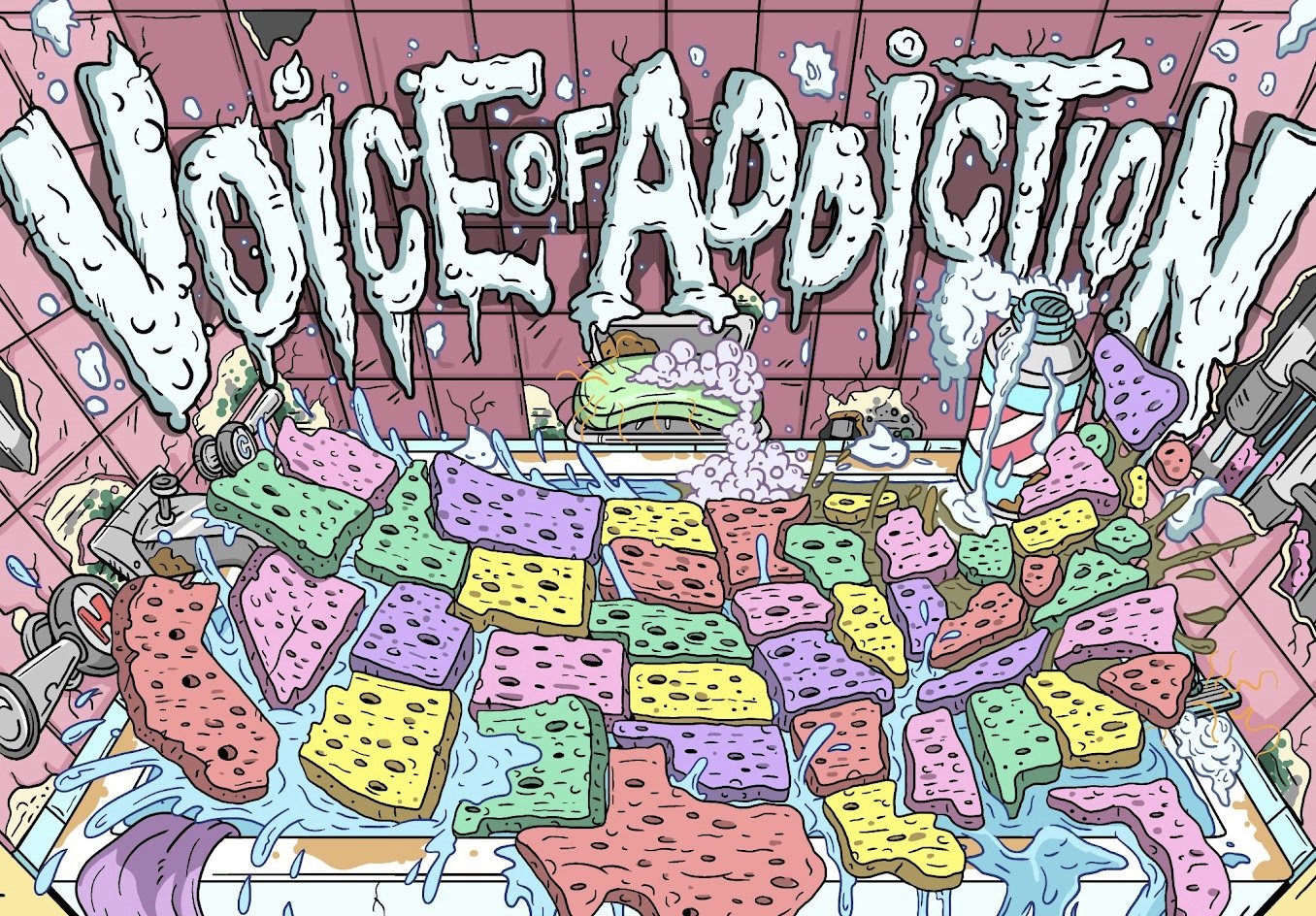
Voice of Addiction is for every old-school punk rock lover, though they are not necessarily old school. They just happen to deliver some of the most hard-hitting, socially conscious, authentic punk rock with unbending honesty. From the moment Division Complex starts to the moment it ends, they never cease to surprise you with their sharp-edged lyrics and turbulent beats. Vocalizing for the people with aesthetic. To quote them, we’re all 99% identical, then Voice of Addiction is the 1% of punk band that gives you anything but ordinary.
“Division Complex” is a sinister anthem, bending in the haunting, the extreme, the vulnerable and the hard-hitting. Politically charged at heart, the angsty shouted lines explode in fast-paced rhythm and beats. “Silence is violent,” they speak up about capitalism that wages a war on the poor and the rich. Like most tunes in the album that tackles this topic, the track has lyrics that are highly relatable to all the hard-working people out there, being reduced to a small dot, trying to make a living in a maddening economy.
As soon as you hear “Bad Decisions,” you’d realize that every song in this album is going to hit you in a way that you haven’t already. That power comes from vocalizing the truth, no matter that be anger, fear, love, or desire. From lyrics to the music, they explore the different truths from various angles and perspective. There are darker odes that evoke the raw garage, grungy feel, then there are the optimism and unapologetic spirit in an upbeat, brightly colored ska. Then there are those more hard-hitting, boundary destroyers that are cathartic and nostalgic.
“Shinigami” has the sound that hit every punk lover right in the heart. “Nobody thought I’d turn out lie this. I’ve had a lifetime to learn my lesson, but I never quite got the message,” speaks about the disappointment and light self-loathing that every adult could relate, though the song has more “true to yourself” vibe than being depressive. “Every time that I die on the stage trying to beak out my cage, Pretending that I am still half my age.” Again, so relatable.
“We’re Not Free” navigates a hollow, crumbling world of a capitalist society, where the rich is crushing the life out of the poor. “Bought and Sold” shifts to a slightly different perspective of a “constant fight to be free” with ska rhythm. “Eraser” offers a solution, but the sound darkened. It imagines a reality where the debts are erased, children are fed. “We storm the gates of the last bank in town, light up a smoke throw a brick through the window.” “No nations, no border, we won’t learn to crawl.” It’s utopia, but the reality is often disappointing.
Voice of Addiction is quite inventive with their sounds. They speak a lot of truths that need to be said with lyrics that spiritually remind you of Radiohead and turbulent energy like Red Hot Chili Peppers, but sometimes, they also have the universal appeal and identity like Green Day and Nirvana.
The Duke of Randwick “I'd Never”
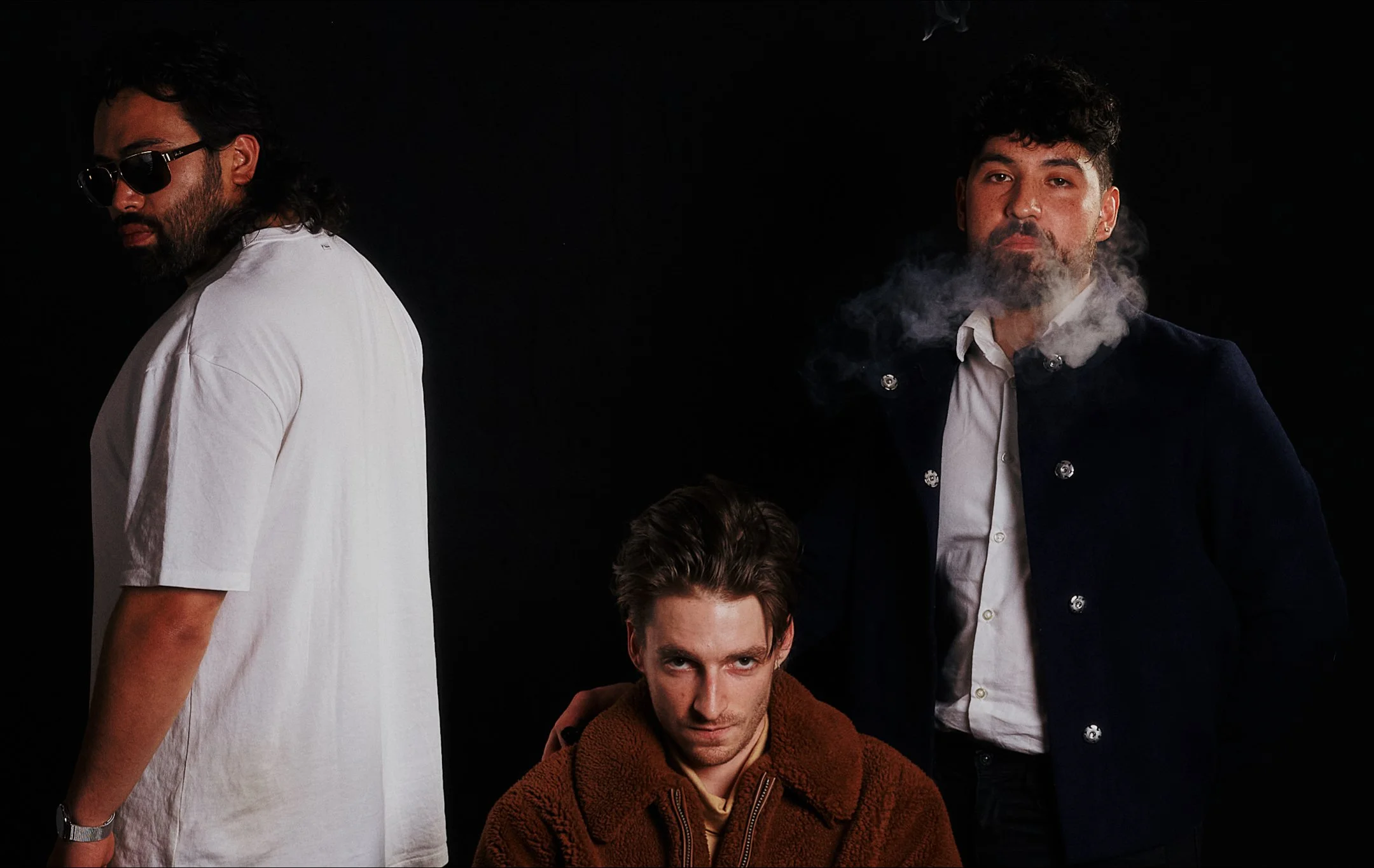
Like a psychedelic, grungy swirl that gets you deep deep inside, The Duke of Randwick brings something extraordinary and horrifying into your ears. “I’d Never…” drips the noisy, darkly transparent aesthetic of grunge, spiraling down a psychedelic techno abyss, in which contemporary sensation and dark pop’s urban coolness lurk with allure. “I’d Never…” is bold and sonically liberating.
Melodies shape through noise, painting a gutting scene of an internal struggle between good and evil. It’s a thrilling gaze into the abyss, and at one point, it glares back at you, eerie, spine-tingling. The three-piece band crafts a blustery hollowness in contrast with noise-infused sharpness, while at the same time, it’s emotionally heightened and gut-wrenching. Like hearing the process of someone tearing the devil from its body and seeing it real for the first time. It’s drastic and stunning.
“I’d Never…” begins with a good amount of horror meeting the mischievous snarl of a bass. The drumming feels like the counting of a clock, an alarming reminder, or the rite of passage. It’s hypnotic and spine-tingling. The lead vocal seems to come from another realm. It’s trapped in a way and it seeks to be freed. The intense, hard-hitting combination of the voice, the bass, the guitar, and the drum forms a turmoil, like swirling along a tornado, surreality in a daze.
Then all of a sudden, the energy changed, the temperature drops. Trembling strings signal the danger and threat of something yet to meet the eyes as it intensifies. From the fierce, grunge hellfire, “I’d Never…” drops straight into the soundtrack of a black-and-white horror film. It’s unexpected. You can feel the back of your head getting numb and all the hairs standing up. It gives you the creeps, and that alone is very rare to experience in a song. With no definitive genre for The Duke of Randwick’s latest release, horror seems very fitting.
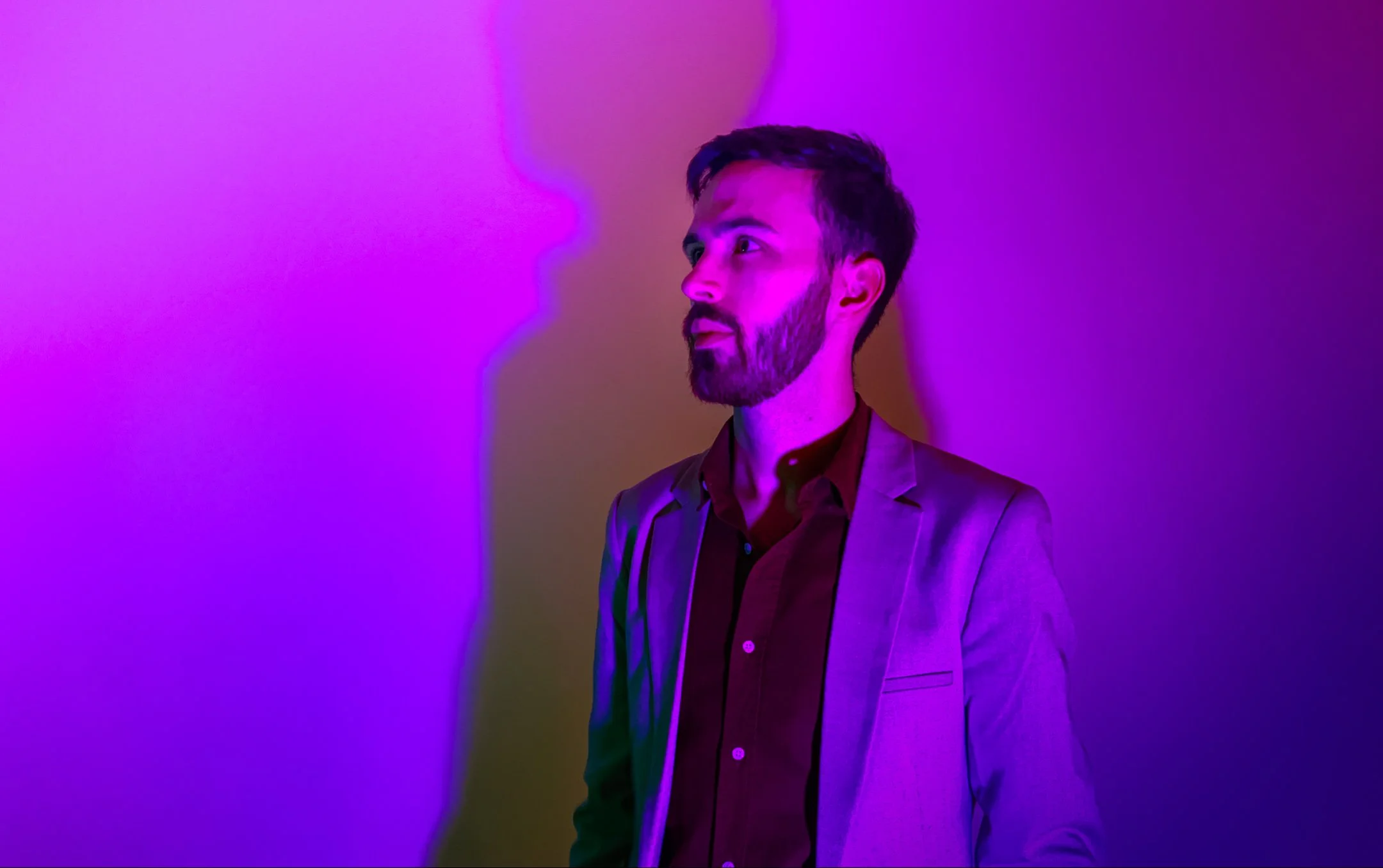
Matt Zambon “Immi”
“Immi” is kind of song that draws you in on its first note. Like the start of a journey meets its fruitful ending, sunrise in the heartbeat of sunset. Melodies weave into a fantastic sonic web, spreading out, wrapping you in. Rich and complex mood never ceases to impress. Evocative, scenic, as if standing on top of a sand dune in front of something larger than you, at the same time holds a special meaning—you definitely want to hear more from Matt Zambon.
“Immi” isn’t made to impress, but the tune is very impressive. Velvety soundscapes, meaningful lyrics and inspired sonics are all we seek in a song. The mood is intoxicating as it thickens and condenses, but it never ceases to be airy and lighthearted. Every line of melody and delightful ornaments of percussion is wonderfully addictive but in a way that’s nourishing and healing. “Immi” has an earthy energy in its composition that grounds you and brings balances to your life. Inspired by Zambon’s migrant journey, the song also captures a meaningful odyssey through a tumultuous sonic swell.
Since his debut “Blue & Yellow” in 2017, Zambon has been on a different journey himself. From the starting point of his creation of atmospheric, heartfelt, scenic beauty, his sophomore single “Faces” tests a lighter retro mood of electronics. “Immi” sees his return to acoustic soundscapes with a new perspective. On this single, Zambon includes more organic sound from the local area. The song spiritedly blends the sound of gum tree leaves, 50-cent coins, ice-cold Zooper Doopers among other iconic Australian daily items.
“Immi” is quite subtle introducing those organic sounds. Like a whole new world of instruments available at hand, this discovery opens up possibilities. They definitely add to the fun of listening. Hearing them, capturing them in the percussion, in the backdrop is like spotting every spirited fireflies at night. “Immi” leaves you crave for more from Zambon, just like its beginning already makes you thirsty.

AnnaBella “Replaced”
AnnaBella is a Viennese woman duo of vintage doll Anna and professional singer Bella. Controversial and different. AnnaBella is where modern day taboos meets the allure of gothic rock aesthetic. Roughly continues the storyline from AnnaBella’s debut release “Homewrecker,” “Replaced” details a woman’s journey from heartbreak and attachment to independency as the duo gearing up for their upcoming EP 4-Bitten Fruit.
Power and love has a toxic relationship when they’re intertwined together, so is temptation and lust. In a rough-edged distortion, Bella’s self-defining vocal shines uniquely. Her voice isn’t the traditional sweet haze that feels really sticky after a while of listening. Her voice is full of personality, a bit naughty and dark, charismatic and highly addictive. It’s a woman’s voice, and she’s unapologetic and proud. She demands the equal space as any male artist, and she earns it the second you hear her sing.
“Replaced” has a bit of sweet revenge in the sonics, which make the tune even more likable. Like a burning flame that stings a little while giving you great pleasure, it’s a song that speaks about women’s independence with sharp execution. It obviously shakes the traditional value and image of a woman—who is supposedly being very “motherly” and “forgiving”—like a big embrace that will always be the one who’s waiting to give more.
“Replaced” isn’t about that. The song paints a woman who moved on. Maybe a little cold-hearted, self-aware, logical, different and empowered. Not something you’d like to hear, yet she gets you kneeling before her dresses. That’s also the charm of this single: a swirling of black and red, between blood, dirt, and roses. You can’t resists its sonic palette or the stirring imageries of that glamorous, rebellious yet vintage allure.

Koburg “Strike Back”
“Strike Back” is a tune that immediately makes you want to make a deeper emotional connection. Setting its scene in an alternative rock/symphonic metal world, the track radiates an unstoppable energy, revealing the blood and sweat behind all that shining. Inspired by KOBURG’s own struggle with Myalgic Encephalomyelitis and Agoraphobia, “Strike Back” delves into hero’s origin—hard-earned mantle and restless battles.
Epic and full of strength, the latest single from KOBURG is packed with empowerment. Performed and written entirely by the artist, KOBURG is undoubtedly a multi talent who excels at both songwriting, instruments, and vocals. “Strike Back” features a pretty wicked guitar solo that bridges the world of rock and metal with soaring power. Hear it intertwined with her emotive voice—it’s a scene you don’t hear everyday.
“Strike Back” comes in five versions. “Twisted Version” is a grand opening with stadium-filling heat while exposing emotional vulnerability. The version is the most wrenching and epic among all five. It sets your heart on fire while taking you on a journey through darkness. KOBURG reminds you a warrior, who is determined and brave, who will fight her way through even the most dangerous forests.
It’s that energy that’s really liberating and moving. Every time you hear her sing, she lights a fire inside you. No, she’s not your white knight riding a horse to steal your thunder. She shows you that you are capable of greatness. “Strike Back” is the kind of song that inspires you to take control and strike back, not letting the obstacles to determine where your life is going to be. Everyone has the strength to be a warrior and savior.
The different versions of “Strike Back” highlights a unique aspect of the song. It really showcases the nuance and broad imagination of KOBURG’s songwriting. “Instrumental Version” gives you a “behind the scene” revelation, a closer look at the intricate orchestration of KOBURG’s sonic design. “Demo version” is punchy, drastic, and full of contrast, while “Fables Version” gives you an ethereal otherworldliness with epic strings and harmonies.

Samantha Knight “Dreaming”
“Dreaming” is the perfect example that a song could be both intimate and epic while being personal and universal. Samantha Knight’s soulful vocal and expressive single style dubbed with a stunning layer of harmonious vocals is instantly memorable. Sensitive and captivating, “Dreaming” is a song that’ll have you hooked in ten seconds.
Just a guitar and some vocals, not too many strings. She already paints a uniquely mood-filled sight of gorgeousness. The love and excitement of new romance can’t help but carrying a touch of melancholia, as fear, worry and longing is also a part of growth. Knight’s lyrics read like a diary. It’s brutally honest and tenderly nuanced, hitting you hard with few honest words—that tells you how good her lyric work is.
“Dreaming” is a simple but deeply touching and captivating ballad. There’s a taste of classic aesthetic that goes into play in the songwriting. In the groove of a slow dance, starry-eyed under the night sky, Knight explores a sensuous, tender built-up, arriving at a place of embrace and blossom. Like the experience of falling in love or the opening of a heart. Almost a little dazed and lightheaded. A touch of surreality envelops this sensitive thread of emotions.
You can definitely imagine “Dreaming” being in a film or an episode of a series—like a scene with closeness and heart-to-heart conversation. Listening to “Dreaming” is an emotive experience filled with filmic sonic beauty. It’s quite amazing how Knight manages to create this level of multi-faceted complexity within the singer-songwriter song form.
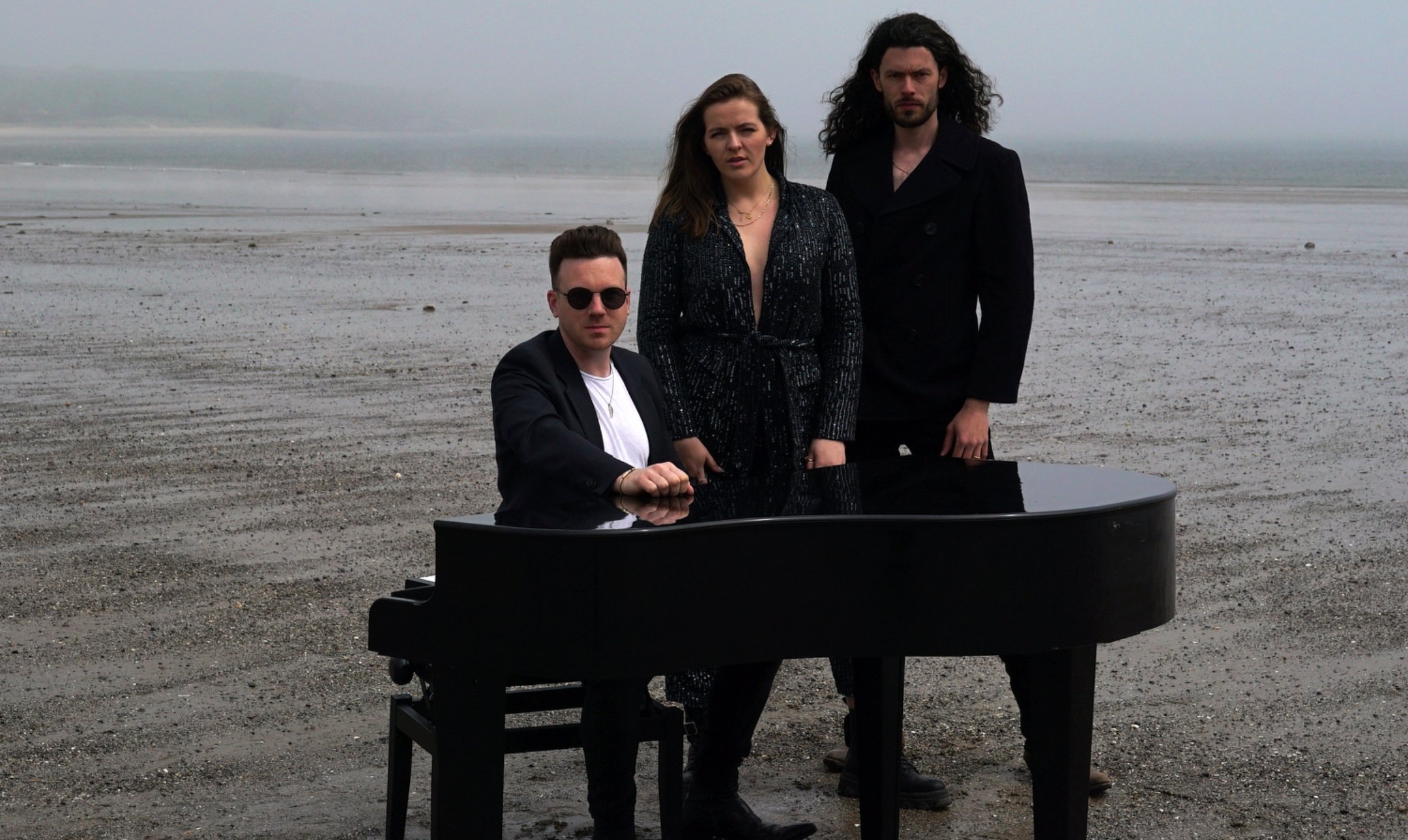
San Reetam “Between Hearts”
“Between Hearts” is a stunning and profound single where cinematic soundscapes meet epic vocals in a timeless portray of classic and modernity. The collaborative musical project San Reetam brings together three virtuoso musicians: vocalist Anastasia Quinton Smith, producer MDB and pianist Joe Pike. Together, they explores a vast and diverse palette of sonic expressions in the latest single.
How much emotion can music really hold? San Reetam tests its limit in “Between Heart,” weaving vulnerable, intense storytelling and powerful songwriting into their sensitive, gorgeous sonics. The track sees a glorious blend of nostalgia, spirituality and sincerity, reminding you of some of the greatest songs in the music history.
The duet between Smith and MDB is a special surprise. Being a professional singer with more than 10 years of experience, Smith brings a rich and balanced maturity into the music. Her vocals are polished and effortless, expressive and intimate. MDB, on the other hand, is raw and explosive. His vocal is heartbreakingly authentic and rich of complexity. When you put two vocals together, it’s just a big wow moment.
There’s a dramatic and poetic aspect to “Between Hearts” because it’s presented in a way very keen to music theatre while drawing from the perspective of film scoring, which gives the track a very strong visual stimulation. Different emotions are being tenderly explored with nuance. Lyrically, the exploration of spiritual love and distance is stirring and moving.
The chorus is more than ever epic and wrenching. Hearing a song explodes in such vulnerable way both lyrically, melodically and sonically is a very special experience. From an impressionistic mist at sea to the flooding of heart’s own desire, San Reetam certainly take listeners on an emotional roller coaster, navigating through different soundscapes where the fall of darkness is then met with the rise of golden sunlight.
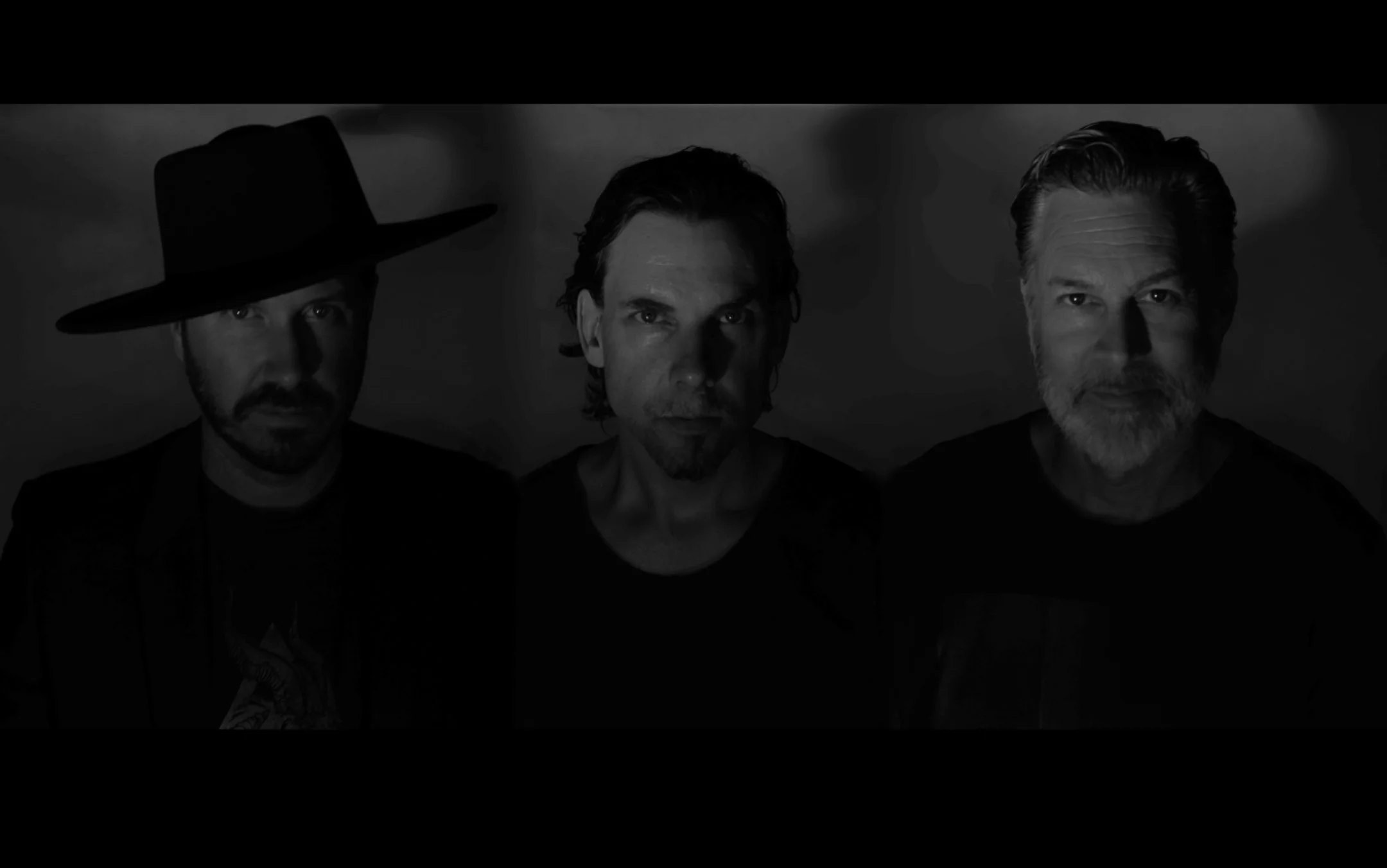
Magna Zero ‘All Must Go’
Chaos, beauty, life, and death forms a constant turmoil, in which all is none and none is all, balance remained. Magna Zero’s debut EP All Must Go taps into a progressive sonic landscape, in which earth-bond instruments filtered through a noise-infused chatter, painting a conceptual “black hole.” They call for love and unity, tackling philanthropical themes like morality, grief, existentialism, selflessness, rebirth and transcendence.
“All Must Go” depicts the struggle one undergo to detox itself from attachment. Pain and transcendence flickers in the recurrence of minimalistic melody work. The hauntingly hypnotic single bathed in a zen-like aura, while its darker theme sonically resembles the push and pull as if battling a demon. The vibe and sound here resembles an overlap of early John Frusciante’s solo work and his mellower melodic pursuit in Californication era.
The disobedient, hard-hitting “Walking to Nowhere” takes a sharp turn heading down the odyssey of death. For one must see death to live. In the endless howling of hundred souls and the wicked wind blown from the abyss where scratches and frizziness channeling a sprawling psychedelic vision. Noisy, drastic, and haunting, “Walking to Nowhere” is a magnificent sonic experience where the mystic meets the ancient. At times, you even could mishear the guitar and bass in there for ancient chants, dooblidoo and tuvan throat singing and sounds alike, though they are not really in the music.
“Endure” is an anthem with strength and rawness. Explosive solos and unpredictable bridge echo through the reverberant ambience. Edgy, glitchy, grand and even slightly gothic, like sailing through a storm at sea. Eventually, love and light prevails.
“We Are All” transforms guitar and bass to a more metallic texture, resembling instruments from Eastern Asia (possibly gamelan). It’s a beautiful peace that interweaves continents and cultures together, sending a message that we are all connected. The piece has a slight exotic flavor, though an impression of everywhere and nowhere.

Leonardo Barilaro “Becoming who I was”
Some love is at core of who we are. Since a young age, pianist and aerospace engineer Dr. Leonardo Barilaro has been in love with music and the outer space. But then, how many people get to put their music on board of the International Space Station and broadcast it to Earth? Three months ago, Barilaro achieved this dream. “Becoming who I was” is about remembering, overlooking the past decades of a journey that leads him to where he is now.
Emotions and personal themes subtly wraps around the passion and expeditions of the universe. Classical meets spaces in a glorious, mysterious way, being expressed through polyphonic ideas, in which piano and electronics interweave into a mystery of its own, conceptually resembling the idea of co-existence. This non-linear sonic storytelling carries a sense of innocence and the familiarity of childhood, filtered through a slightly distorted glass, as if peeking through a door that leads to the past, standing in the far end of future.
Swirling electronic and beautifully woven melodies tell their own undisrupted stories. Sometimes they cross paths briefly and parted, continuing down a path of its own. Like a micro universe that is coiled in the idea of humanity and self, the track resembles the muchness and sensibility. Though being pulled closer to earth, we experience zero gravity and expansion as a part of our spiritual and intellectual pursuit. Barilaro has a very special technique when expressing the ideas and theories in outer space. For instance, a loss of gravity through an unevenly distribution of accented notes and polyrhythmic sound storms.
Beyond earth, beyond our limited perception of a world, the universe is glorious and drastic. The storms, the awe, the horror, the unpredictable all plays into the aesthetic, and so is the appreciation and respect of that beauty. As if the master of the universe if behind the track, casting down an invisible shadow, “Becoming who I was” is coiled in by a sense of sacredness, not to be dissuaded, undeterred. Technology meets nature and humanity in the most mysterious way, in a way not unlike the soundtracks of Westworld.
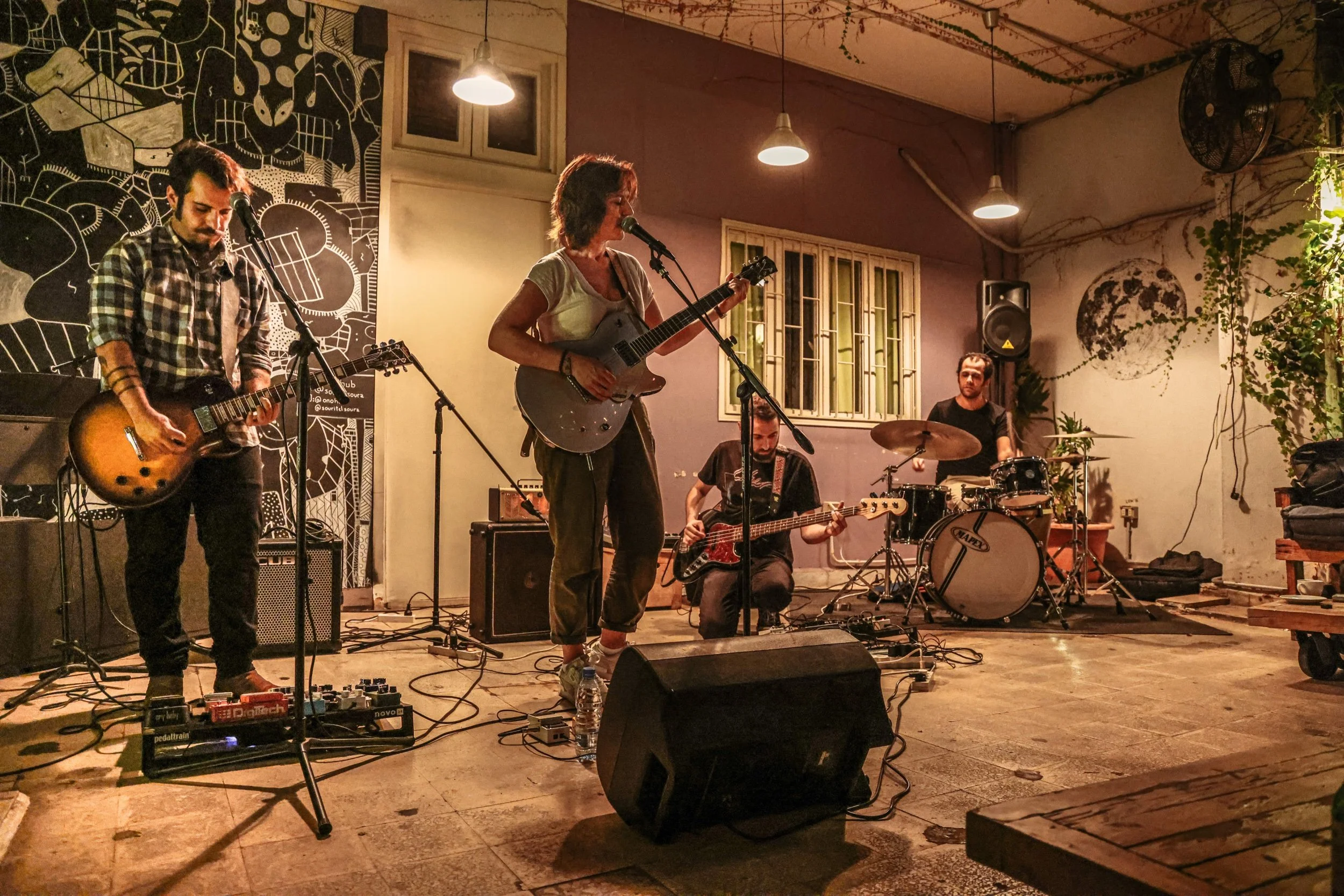
Sandmoon ‘While We Watch the Horizon Sink’
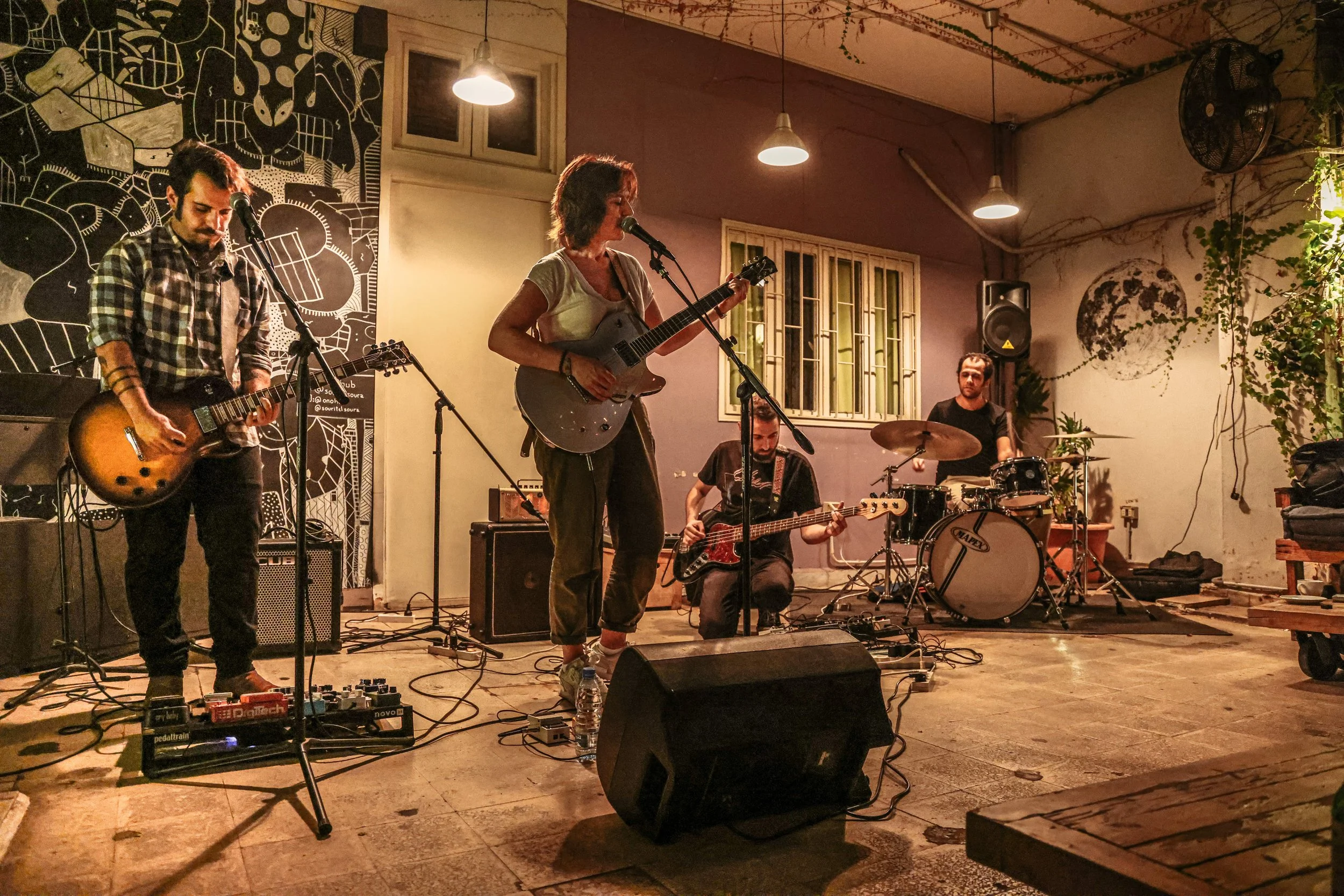
“So much was going on in the world and in Lebanon, I felt the urge to express the emotions I was going through, in a cathartic way.” — Sandra Arslanian (composer/lead singer of Sandmoon)
While We Watch the Horizon Sink reflects upon the world around us, retrospectively visiting the past years filled with intense turmoil, political unrest, and dystopian surreality. Taking shape in a picturesque, epic indie rock soundscape, Sandmoon tackles topics that are relevant and urgent to our life and the world around. From individuality, protest, spirituality, to emotional catharsis, they take us on an unusual ride that results in conscious visualization and emotional awakening.
“Bearable Lightness of Being” sees Sandra Arslanian as an expressive and unorthodox singer in the pursuit of personal freedom and artistic liberation, one not unlike PJ Harvey. Delving deeper into the indie and rocker side of Sandmoon, the track’s angsty, punching lyrics revolves around the refusal to be defined and calls upon understanding for those stands outside one-fits-for-all normality.
“Spirals in my Head” finds Sandmoon swirling into a Radiohead-esque introspective sophistication in combination with a hypnotic melancholia and sonic experimentation. The track features a stumble-and-fall rhythm and a reverberant, jangling guitar. While its poetic lyrics paint a painfully stirring image that reflects upon our world in flames—“The city's in flames; And our hearts are braised; No one is listening no; No one cares.”
“Let’s Start a War” evokes a sense of spine-tingling, dystopian eeriness while being picturesque and deeply emotive. A kind of flowing, floral sensitivity, on the other hand, is so in tune with Sandmoon’s collective aesthetic. “Let’s start a war on love” calls for action. The protest song, unlike many in the punk rock genre, takes on the direction of portraying a kind of silent determination that really gets under your skin.
It’s hard to ignore the filmic impression that runs deep in Sandmoon’s sound, which can be observed throughout the album. Though darker and more serious in tone and tackling many humanly sensible subject, “Wake Up” concludes While We Watch the Horizon Sink with an electrifying, spiritually uplifting omen that sparks of change and positivity.
Here, we chatted with singer and songwriter Sandra Arslanian on the creation of While We Watch the Horizon Sink, in which she shares the behind-the-song story of “Where We Go From Here” and the challenges she faced producing the album.
Punk Head: I really like the mood and expression of While We Watch the Horizon Sink. Is there a specific ethos or aesthetic that you aim to create?
Sandra Arslanian: Thank you! I believe the album is very much aligned, consistent in its sound and meaning. There is a story that binds them together, the emotions of the past two “tornado” years. It’s quite surprising, novel; different yet universal.
PH: What are some challenges that you faced creating this album?
Sandra: Finding the right producer for it, in Lebanon. That took some time but once we started working with Marwan Tohme (Tunefork Studio), it all flowed nicely.
Another challenge was that the recording stretched over a few months because some of us, including myself traveled during the process.
Finally and essentially, the irregular provision of electricity in Lebanon which dictated our schedule and challenged the very act of recording. I remember finishing the last recording of the album, which was the backing vocals of While We Watch the Horizon Sink, and the electricity went off as I sang the last line. Quite ironic, but a nice story to tell.
PH: What stimulated the creation of this album? Can you tell us the background/environment that birthed the seed of the album and how everything come together?
Sandra: After releasing Put a Gun/Commotion in 2020, I didn’t have the intention to record any new album. However, one thing led to another, songs started to take shape. So much was going on in the world and in Lebanon, I felt the urge to express the emotions I was going through, in a cathartic way.
Releasing While We Watch the Horizon Sink feels like a genuine “release”—a release of emotions bottled up during the past two intense, tumultuous years. These are quite uncertain times and While We Watch the Horizon Sink echoes the state of the world, yet looks beyond the immediateness and goes into the essence of things.
PH: Is there a song that you feels strongly about from this record? Can you tell us a bit more about it?
Sandra: I usually feel strongly about every song. However, on this album, there is one song that does stand out. “Where Do We Go From Here.” The literal meaning of the song is to ask guidance to a trusted person, a mother, when you feel lost in this crazy world. The deeper one, however, touches the subject of dementia. I am seeking guidance from my mom, who has had Alzheimer’s for the past 12 years. How can someone suffering from dementia be of any help, let alone be a guide in tumultuous times when she herself is absolutely lost? Spending a lot of time with mom, entering her world where facts and figures don’t matter, where emotions are the center of everything, took me on a journey within and made those tumultuous times more bearable. She cannot guide us in the real world, but she can guide us to our hearts.
PH: Is there an underlying meaning behind the order of the songs?
Sandra: We wanted to end with “Wake Up,” which made sense symbolically but also sonically, as it ends on a positive, uplifting note.
And starting with “Bearable Lightness of Being” was fun and unexpected, as it is quite different from the rest of the songs but such a dynamic way to start.
The order of the songs in between just follows a sonic flow rather than a narrative one.
MOTE “Hello Divine”
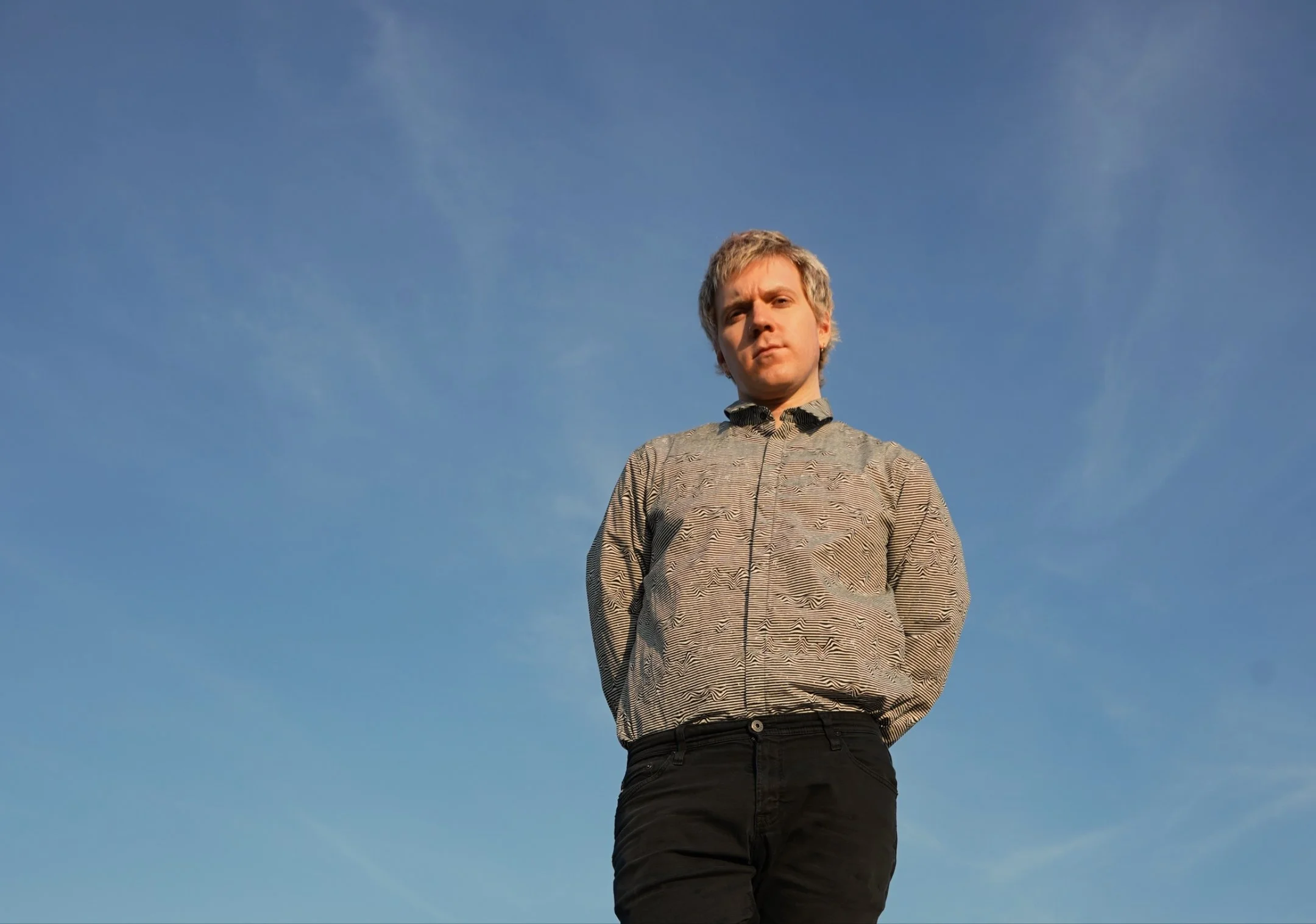
“Hello Divine” is probably one of the best offerings from Mote, Berlin’s rising new love. Compare to his previous release, “Industrial Love” that leans more into alternative rock, “Hello Divine” finds itself in a predominately electro-pop sonic environment. Like a deep night drive that has its moments of sensuousness and intense longing, navigating through unbearable loneliness and adrenaline-infused escapes, the tracks takes listeners on an emotional roller coaster.
“Hello Divine” begins in the humble pulsation and fleeing of bent sonics that evokes a monstrous, drastic, and horrified feeling even in the slightest. A dystopian, industrial landscape comes to mind, and so are the grit and grim that comes with. The sensation of dark wave and electro-industrial weaves into a horror-infused drive down the most scenic, alternative pop soundscape that triggers every strand of your most sensitive nerves and tenderest feelings.
Mote’s smooth and charming details a heart-wrenching reflection on desperation, materialism, escapism, and loneliness. His infectious melodies are multi-layered, beating through different sonics and vocal, creating an ever-changing, yet hypnotic mood that feels very addictive. At times, those hard-hitting pause of repetition lurk from underneath right before the chorus pushes you high up. At times, it’s the slightly mutated riffs that seem to gaze deep into your souls.
The desire of “running away” and for “you to stay” centers around a female figure, but the track leaves plenty room for interpretation — anything that would make you happy and offer an escape, “you’re bringing me back to life.” Though simple and direct, the lyrics reveal a kind of exposed vulnerability that feels stirring. The vaguely evocative track hits very differently.
Saint Louis “Tainted Love”
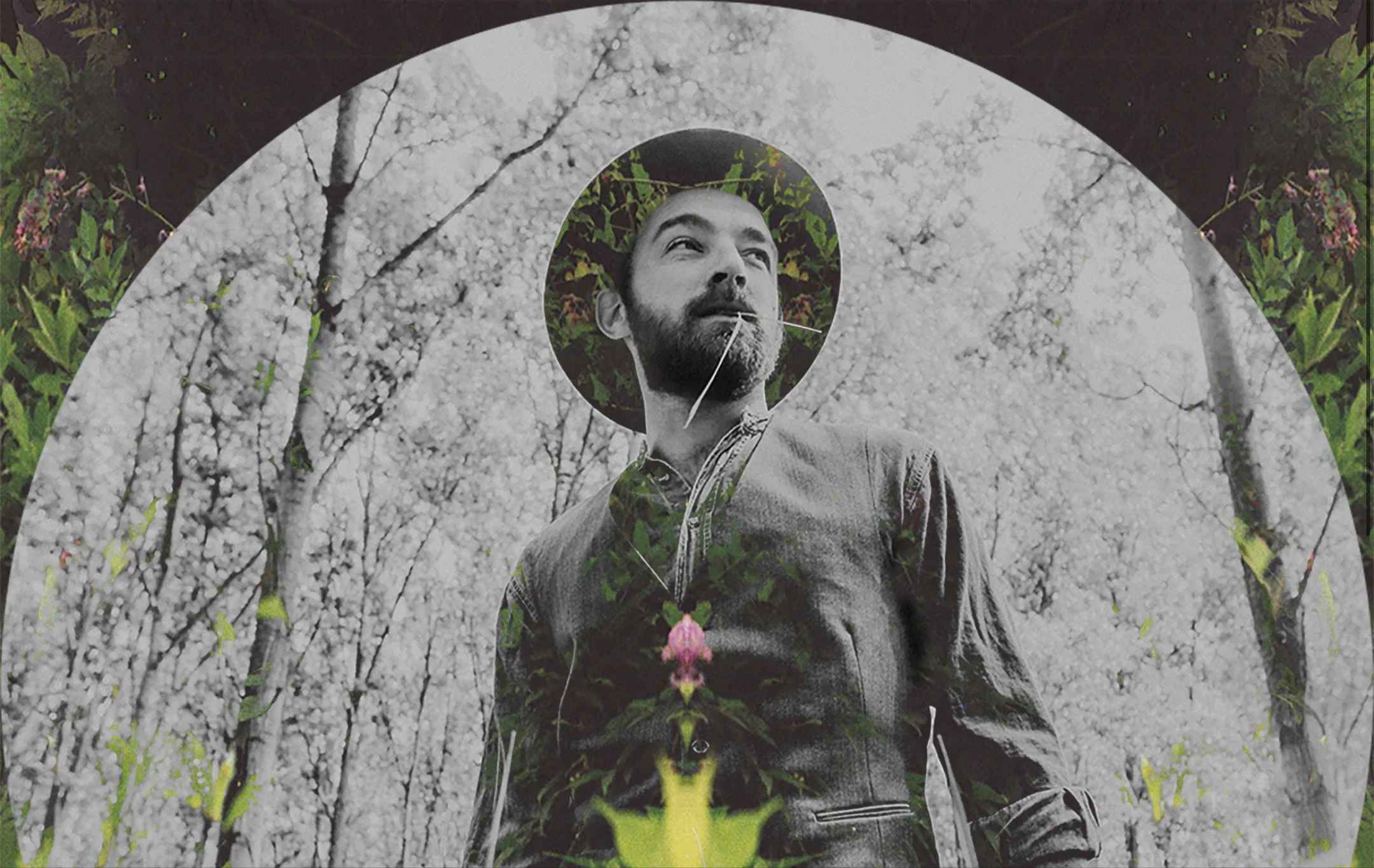
“Tainted Love” is a song with history. Many artists have had their fair share of fun with it, but up until now, there’s hardly any artist except for Saint Louis and Marilyn Manson have really tuned into the escapism and loss love depicted in the lyricism and melodies. Saint Louis adds a haunting quality to the song. The desire to hit the road really feels like hitting home when Saint Louis really tunes into that road-trip solitude and drifting introspection.
It’s hard to even imagine this is a cover song because everything seems to be clicking really well together. He has a very raw sensibility wrapped up in romanticism. The mood-filled soundscape takes you somewhere else, into the contemplation of the lingering and drifting of a loss love. With American folk musician’s intimate, expressive style, it really feels like the song has become a part of Saint Louis’s own storytelling.
The push and pull is being filtered through a picturesque soundscape. A speck of Californian flower-esque aesthetic in the undertone of the song, like a ghost gazing. Saint Louis explores a feel of nostalgia inside nostalgia, yet not thickly layered or too indulgent. He uplifts and transforms all strands of feelings and drastic thoughts in the wind, which is a kind of poetry that his arrangement of “Tainted Love” has.
There has been a haunting, drastic brokenness of the song which Marilyn Manson brought up. The original and Soft Cell’s version gives “Tainted Love” an optimistic danceable quality that seems slightly out of sort with the lyrics. In Saint Louis’s arrangement, the preserved thoughts and emotions are being shined through so effortlessly. It’s amazing to hear that side of the song being richly explored that it almost feels like there’s a new life and new meaning that he gives to “Tainted Love.”
Liontortoise “v4”
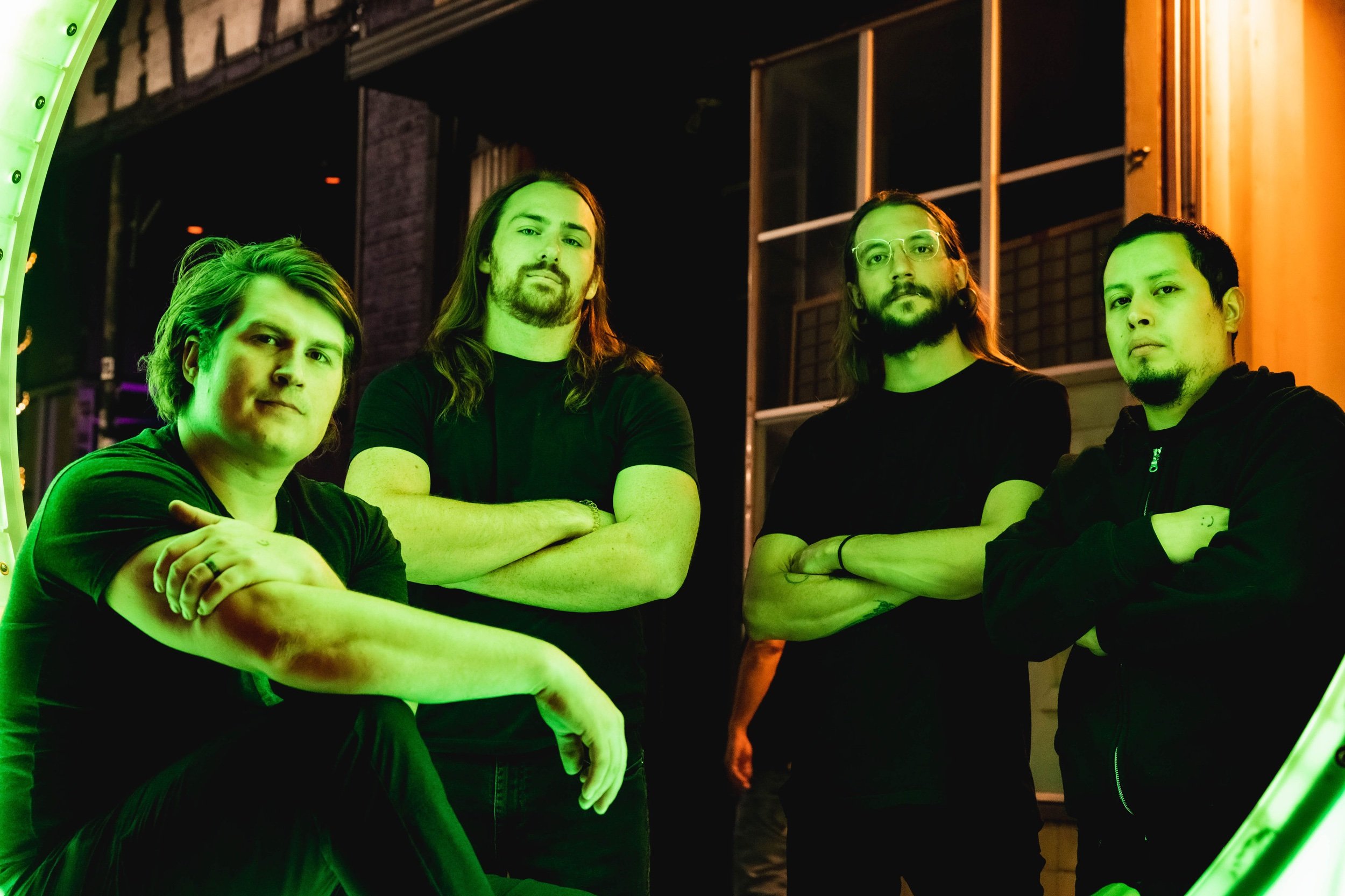
Contemporary meets ancientness always spark unusual spectaculars. The genre of metal, retroactively going far back in time has grace and beauty in the distorted, darkly inventive expression. Liontortoise is a four-piece metal band, known of their expressive music style and intricate guitar works. “v4” sees the masters of music bringing yet another fantastic piece.
The melodies has a flair of otherworldliness. As if drawing from another universe, or maybe from a different time, there’s a kind of medieval or pre-medieval roughness deep in the undertone. The guitars, on the other hand, stays in a Baroque/pre-Baroque approach. The melodies remain their own expressions all in extraordinary parallels. Each line has a different personality and tells a different story. Together, they weave into this epic storytelling that feels both rich in details and drastic in volume.
From there, you could hear how high they could fly and how much further they could take this form of music. The flow and patterns emerge organically. There’s a good chemistry and collective space that they go to when playing. Much like jazz music. They don’t stay in one place. At some point, someone in the group initiate an idea, a motif and the rest responses. There’s that natural spontaneity in Liontortoise’s music, which doesn’t always occur among metal bands. There also isn’t any lengthy, overly technical individual show off in their songs. Of course, the soaring guitar that lands with a melodic bang is always forefront attention-grabbing, but the deep, captivating roar in the lower riffs are something else.
The dark, luring undertone feels stirring and deep, giving all emotional chaos and resolution more in-depth and intense distortion. A mid-range embrace tears itself into pieces and regroups in painful transformation bears so much wrenching energy. Towards the end of “v4,” the flying melodies begin to swirl into an illusive, expansive mentality. Again, that’s how the counterparts idea woven into an emotive, expressive modernity.
The more you listen to Liontortoise, you’d be more convinced they are a four-piece electric orchestra. The drums in their music also don’t just serve as a time keeper, but an individual with emotions and stirs. There are couple of times where changes and shifts come from this very exact place. Double up, hits true and hard, adds something spice, makes it texturally appealing. The drums play a part in all. Together, Liontortoise brings a multi-layered sonic storytelling that can be savored through a fierce live setting that makes the crowd go mad while keenly listening to the art of how everything comes together.

Thegraceisback “On The Shore”
Instrumental music is becoming a lost art in today’s busy, thrill-seeking world, but artist, pianist and composer Grace is bringing something grounding with a spark through her latest piano track “On the Shore.” The piece follows an introspective walk on the beach and takes a dive deeper into the fantastic underwater world.
It’s not often to capture a clear plot in sonic storytelling, but Thegraceisback did it effortlessly in her composition. “On the Shore” begins with a thought-immersed soundscape, drawing listeners into a peaceful state of mind. The piano doesn’t take any particular melodic or emotive shape, but rather spreading out into a broad impression and mood. Just like taking a walk by the ocean.
Being around the ocean is both a calming experience and an overwhelming and immersive one. You can’t help but letting it in. That’s the kind of feeling created in the first part of “On the Shore.” A part of you becoming deepening in the reflective state of mind, but another part of you is deeply engaging with the magnificence of nature. There’s a recurring rhythm within the pace and structure that resembles that waves brushing the sand. It’s not obvious in any sense, more of a nature undertone that exists in the deeper part of the atmosphere, a pulsing coming from the surroundings. The music does feel alive.
What’s really interesting is how Grace takes a dive from reality to fantasy. It’s a shift in sonic palette as she engages more lighter and brighter tones with short, vivid phrases. Like colorful fishes that swish their tails, her piano invites listeners to sea the beautiful underwater world. It’s done so beautifully and naturally, from the space of within to a world of unknown. The pace also changes and even the mood is more intuitive. That’s what’s truly intriguing about this piece.
Grace is looking forward to releasing her first instrumental EP in December and bringing forth more wonderfully orchestrated original work, taking listeners on a journey of self awakening and sightseeing.