
Humans out of Control On the Making Of “The Majick”
Can you share any interesting or unique stories or perspectives in "The Majick?"
Mark Rem: “Well this song was written waaaay back when we were first a band 15 years ago, and our lives were pretty hedonistic.”
Mark Hung: “Our singer Nick wrote the lyrics and it’s fairly obvious what it’s about.”
Nick: “It’s about drugs mate.”
Mark Hung: “Yeah we know!… so on the surface it’s not that deep (sorry!) but I also crafted the music to become more intense as it cycles through and to me it also leans into the struggle we all have from time to time, how instant gratification and constant stimulation can lead you do more and more crazy shit. That escalation of indulgence is also represented in the video, with the magicians having to resort to increasing levels of shock to get a reaction from the crowds.”
Mark Rem: “Watch the video, and you’ll see what we mean… it’s not for the faint hearted.”
How do you feel "The Majick" represents your Bands identity?
We’re not the youngest boy band on the block, you might get that from the video (streaming now, thank you very much), and what you’ll get from both the horror show that is the video, the songs content, and the performance is its entertaining, but there’s some pretty dark stuff going on in there too. We’ve lived through some things, we’ve survived some, and all that is there; it’s dark, but it’s also delivered with an element of fun, we don’t take ourselves seriously.
And that’s probably our identity, we have the collective wisdom of people that have screwed a bunch of stuff up, but somehow came out the other side laughing and smelling of roses. That and we don’t mind saying we’re a pretty decent rock band.
What do you like the best about this track?
Ken Johnson: “We wrote it, it’s HooC from start to finish. We all met by chance. And it’s by chance that we produced this together.”
Mark Rem: “There’s no chance about it mate, I think you’ll find we produced the song and video off the back of you constantly nagging everyone to get off their lazy asses and get some stuff actually recorded and released!. Every band needs a drummer to put a collective rocket up the bands backside.”
What do you enjoy most about performing live and connecting with your audience?
Probably the bit where you get to play the songs live and connect with the audience, hah ha! Seriously, yes there can be a euphoric high of performing on stage, doing that as a collective force, with our mates. Which then bleeds out to our audience; hey sometimes we do actually bleed on the audience, but we’re working to improve our health and safety at work policy.
Basically all you’ll ever get from this band is 110%
What are some of the biggest challenges you have faced as a musician, and how did you overcome them?
Ken J: “Its tough out there isn’t it? Think of how many bands there haven’t been, think of how May venues close every year, and I’m not just talking about since the pandemic. Think how many good (and bad) songs we have been denied because the scene isn’t what it once was.”
We all have other projects and that’s fine, we all play in (some pretty great) cover bands, we play sessions, and we do other things for money. But making new songs is probably the most meaningful thing you’ll do, and at the same time it’s the hardest thing to crack in terms of getting an audience to tune in and come on a journey with you. But hey we’re here, we’re still doing it, and that’s gotta be worth something.
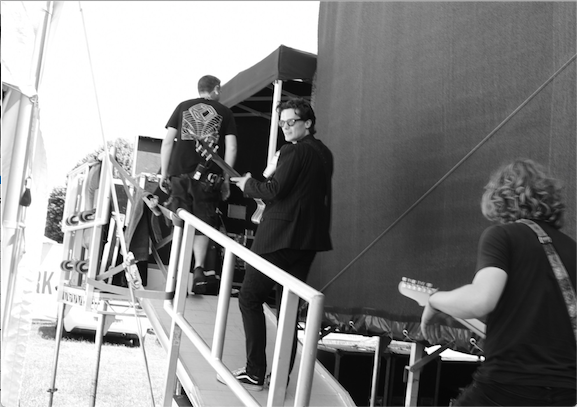
Bastie Releases “Too Late”
The former ‘BBC Introducing Artist of the Week’ is due to release his new track, Too Late. With BBC Introducing having already praised Bastie’s latest work.
The track is his first collaboration with Ivor Novello nominated producer Brett Shaw who has previously produced both a number one and two album with Florence + the Machine and Foals. Bastie was keen utilise Brett’s trademark live, raw instrumentation with this release due to the songs grittier undertones commenting on Bastie’s former arrest and other slip ups along the way.
“Too Late” is no exception with the former UK Songwriting Competition finalist bettering his Indie/pop/rock style to its most raw and authentic yet.
You can catch Bastie and his band live at a number of venues in London over the next few months. Meanwhile, Bastie is also set to appear in an upcoming Netflix program playing the well-known track “Handbags and Gladrags”.
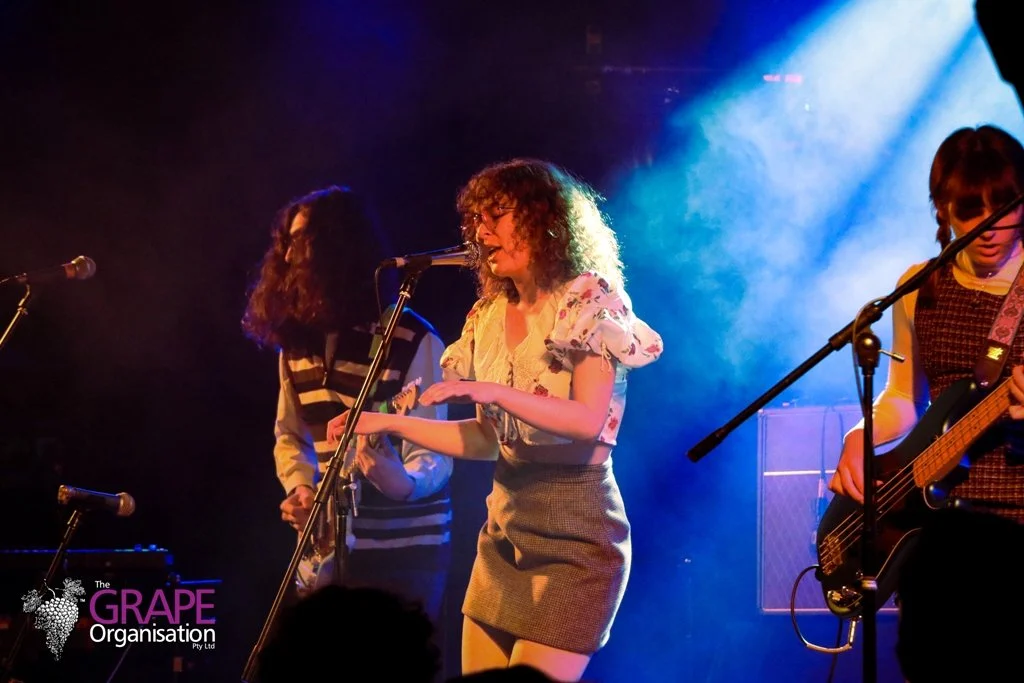
Mums Favourite On the Making Of "Wind in the Willows"
What was the creative process like for this particular "Wind in the Willows?"
Our musical journey began with the electrifying heartbeat of the bass riff, setting the song's pulse racing. Once that mesmerizing rhythm was locked in, the rest of the music flowed effortlessly, like a natural symphony waiting to be unleashed. We knew we wanted to write a song about the Italian Greyhound, Willow, and our literary lyricist, Sasha, manages to tie that to the wind and the truth.
Can you talk about the recording and production process for "Wind in the Willows?"
With only a precious two-day studio window and an intensive preproduction session to sculpt our sonic vision, we meticulously crafted the essence of our song. Over the course of six months, we honed our live performance of the track to perfection, ensuring that every note was not just played, but passionately delivered with tight precision.
What has been one of your favorite memories along the path to making this single?
Our studio sanctuary at MixMasters in South Australia is a cherished haven. It exudes a timeless, vintage aura that envelops us in a world of musical immersion. Here, the blissful isolation liberates us to channel our full creative energy into the art of recording and playing our instruments, resulting in a truly magical sonic experience.
What has been the most memorable experience or achievement in your music career so far?
In our relatively brief journey, we've been fortunate to seize some remarkable opportunities, yet nothing quite compares to the thrill of opening for Joe Camilleri and The Black Sorrows. As a live music ensemble, this was a momentous chance to command a colossal stage, captivating a vast and attuned audience while pouring our hearts and passion into our music.
Our accolades include a South Australian Music Award nomination in 2022, a testament to our commitment to the craft. Moreover, sharing the stage with venerable acts like Master's Apprentices and Wolfmother has been a priceless experience. Collaborating with these seasoned, established bands has not only enriched our musical journey but also provided invaluable guidance that lights our path ahead.
What do you enjoy most about performing live and connecting with your audience?
Experiencing the collective harmony of a captivated audience as they unite in a symphony of voices while witnessing a vibrant room pulsating with the timeless enchantment of live music. The energy that bounces between us and the audience is what drives most people to perform live!
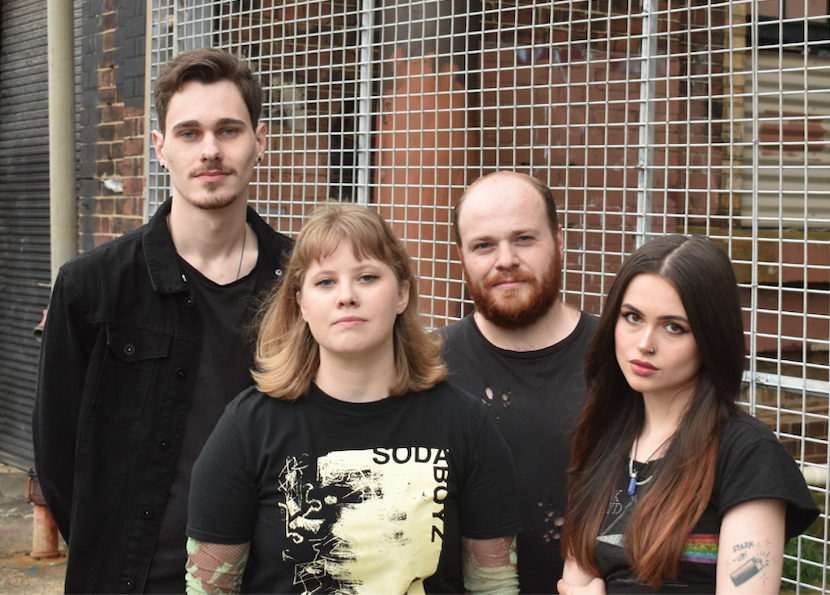
Cult Of Indigo On the Making Of “Without”
What was the initial spark or idea that led to the creation of "Without?"
Eloise (lead singer/guitarist) wrote the song when thinking about how obvious it felt being in love with someone but not explicitly saying it. 'I am standing before you' 'I am screaming out' indicating like 'Hello I'm right here!!'... it turned into more of an exposition about being addicted and obvious about it to a person/thing/concept, but that's where it all grew from originally.
Were there any memorable or standout moments during the recording sessions for "Without?"
julian did an awesome job of smashing out the drums in just a few takes in a little studio under a flightpath. we had to stop every now and then if a plane was flying overhead so it didn't pick up on the recording. Honestly, he's just wicked talented and it was amazing to witness. there was a bit of a break in between that and then guitar/vocals so it was really fun coming back to it after a few months to revisit and 'remember' how it all went.
What do you like the best about this track?
this song is a really good synthesis of everyone's writing styles and abilities, i think we all put our own spin on the parts we play so it's a pretty good view of how everyone in the band is and what we all like. the guitar part which comes in the 'breakdown' section and again at the end is also really fun to play and just an awesome aggressive little section.
How did your band members initially come together?
originally Eloise (vocals/guitar) met Sarah (guitar) back in 2010 at a music summer camp as teenagers. we hung out over the years quite a lot and then at Eloise's 21st birthday party she asked Sarah if they could start a band because she had already written a bunch of songs. julian (drums) was Sarah's housemate at her previous place and Harry (bass) answered an ad on Facebook!
What do you enjoy most about performing live and connecting with your audience?
getting up on stage is just such a good release of energy and there's something so special about looking out at a crowd and knowing they're there to listen to real live music. The industry these days just seems to be shrinking and connecting with people who are still out to support it is really wonderful and I'm so glad to be part of it. getting to spread songs about things I (Eloise) experienced or care about is totally special too because it's like a little part of my brain/soul that now all these other people have.
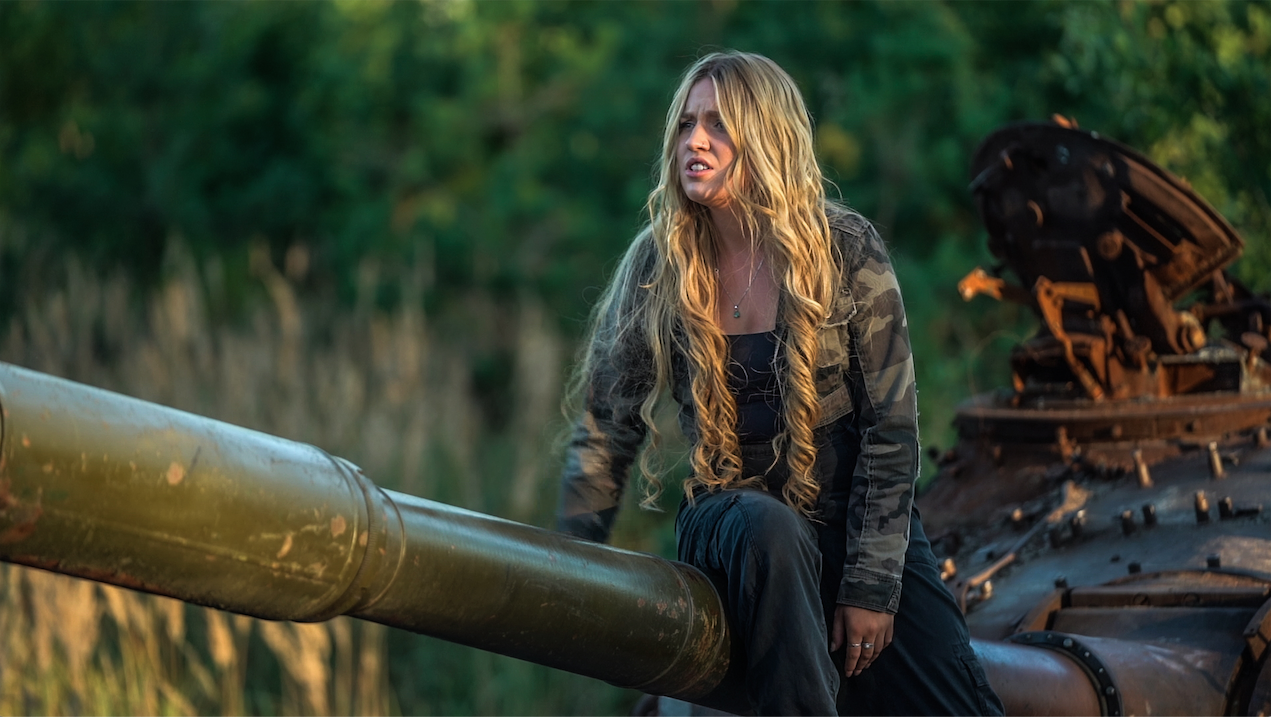
Kelsie Kimberlin On the Making Of “Armageddon”
What was the creative process like for this particular "Armageddon?"
Thank you for the interview. Ukrainian President Zelensky urged artists at the Grammys to use their music to speak about Ukraine so I started writing many songs about the war. With “Armageddon,” I wanted to write a song that would reflect the horrors of the war while also being hopeful about Ukraine’s ability to win till final victory. So I was very cognizant that the lyrics should reflect both while the music should have tension. The orchestration was done by a famous Ukrainian composer named Yurii Shepeta, and the song was mixed by Grammy winner Liam Nolan and mastered by Grammy nominee Stuart Hawkes.
Can you talk about the recording and production process for "Armageddon?"
I spend a lot of time in the studio, at least two days per week and so we recorded the drums, bass, and guitars first, and I recorded a scratch vocal all here in the States. Then those tracks were sent to Kyiv to Yurii and he added the orchestration and then I recorded the vocal tracks again but I was not satisfied with them because they did not have enough intensity. So my dad, who produced the song, suggested that he sing an aggressive track underneath my vocal which was affected a bit during the mix process with a Decapitator plug-in, and then I re-sang my vocal once again to match that intensity and get what you hear now. And we added the deep-tuned down vocals in key spots to give it a sense of fear.
What has been one of your favorite memories along the path to making "Armageddon?"
Well, the making of the “Armageddon” video was harrowing because we filmed it during martial law, in military-restricted areas where the worst atrocities occurred around Kyiv. There were air raid sirens sounding all the time and attack drones and missiles were being shot down overhead. We had to get permission to film and the army was always close by. I am the only artist to be allowed to do this since the beginning of the war. It was very dangerous because we were filming in places that were bombed and everything was littered with debris, shrapnel, glass, spent ammo shells, and dust. It was also extremely emotional for me because I knew that families and children died right where we were filming and I saw so many personal belongings such as burned family photos, melted children’s toys, mangled swing sets, and broken plates from an interrupted dinner. I met victims who lost loved ones, and women and girls who were raped and tortured after their husbands and fathers were shot and left on the street. Many times, it was just too unbearable and I just lost it, but I had to focus on my work so I could bring these stories to the world with my music.
What inspired you to pursue a career in music?
I have always loved music and my dad started taking me to concerts when I was just a toddler. I was in children’s choirs and then the church choir and always tagged along with my dad to the studio. So I always knew that music was my life. I was also brought up listening to the Beatles and saw how they used music to change the world so that’s what I want to do.
Can you recall a particular moment, artist, or experience that had a significant influence on your music?
As I noted above, I relate to music at a very deep level and I understand how it can both change and inspire people while also healing them in times of crisis. And the thing that defines such music is that it conveys emotion that is able to connect at a primal level. So I try to tap into that when I am writing music that I want to inspire. This is different from the music that I write to entertain. And the Beatles were able to do both so they have had a profound influence on my music. As far as particular moments, I can’t say that any one thing had that “ah ha” influence. I am influenced by everything I see and hear, whether it’s a bird chirping or a homeless child in the subway begging for money—I hear it all on the palate of a musical score just waiting to come to life in the form of a song.
Hearing Tests On the Making Of “Patience”
Can you share any interesting or unique stories or perspectives in "Patience?"
Kuba: "Feeling angry, irritated, and hopeless during the pandemic wasn't unique to just us, it was unifying on a global scale, and the way the British government handled it? Well, that certainly gave us something to write about."
What did you enjoy most about making "Patience?"
Kuba: "The most enjoyable part about “Patience” for me is playing it loud and telling the Tories to F*** OFF."
How do you feel "Patience" represents your artistic identity?
Ed: "It does what it says on the tin. Loud, honest, and punky.”
Can you tell us a bit about yourself and how you got started in music?
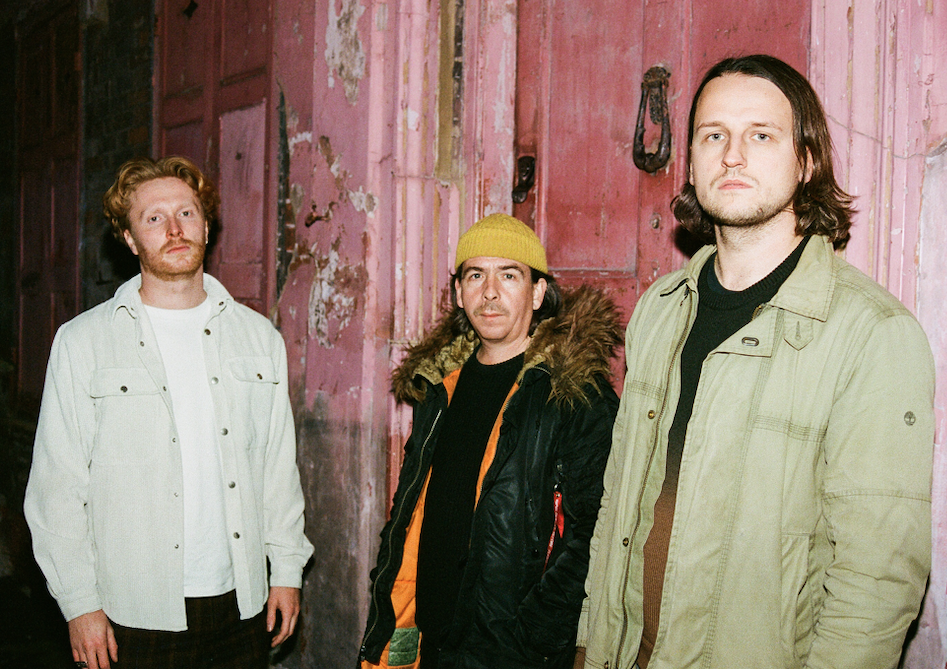
Kuba: "Me and Ed (drums) were in another band before forming this project together. I used to work in a pub with Rob (bass) and a couple of years later, we met again at a house party where we started talking about him joining on bass. A month later, we all met in the rehearsal room. The band name comes from our studio which has a sign on the door - "Hearing Tests". It's located in a derelict Ear Nose and Throat hospital in Kings Cross, which was used to diagnose and treat patients with hearing loss."
Are there any specific themes or messages that you aim to convey through your music?
Rob: "Just pure energy and saying things as they are."

Freak Orlando On the Making Of ‘UNSOLICITED DEMO’
Can you share any interesting or unique stories or perspectives in ‘UNSOLICITED DEMO?’
First off, ‘UNSOLICITED DEMO’ is not really a proper release - I mean, it is as it’s out there - this thing is a compilation in the form of a playlist from three volumes of demos I’ve been releasing since June. It is the beginning of a journey, the songs are not even properly mixed or mastered, it’s me experimenting with everything I can. For years I’ve been writing songs and making voice notes with my phone or any other device, but it wasn’t really until the pandemic I began putting all these demos together and learning throughout the process how to actually finish songs and then making a proper recording. So the interesting and unique stories would be me, locked in my bedroom annoying my family to put all the noise down, me playing the same parts over and over, me trying to record guitar parts in one take and cursing every time I’ve got a note wrong.
Can you talk about the recording and production process for 'UNSOLICITED DEMO?'
My songwriting began to make sense around 2018 and it was around this time I began to experiment with interfaces, LogicPro and stuff. The recording was really an act of desperation and frustration, for years I expected people to join me and write songs together, but that never happened, I had songs for years and always thought they were finished, but in fact those crappy recordings were just the step one of a long long journey. So the whole recording and production was putting all together, which sounds so easy, but it was a difficult thing to do, sometimes 10 ideas made one song, sometimes the song was finished in a few takes, Spectra Spectacle may sound so “right-there” but the “guitar-ballad-straightforward” song’s verses were so hard to figure out.
What did you enjoy most about making this EP?
What I enjoyed the most was the sonic part of it, I’m in love with reverb/delay and all these sonic landscapes, so the fun part was to make my songs sound that way. Back in my teens and through the years I came across The Verve and their use of the Space Echo, the distorted and textured voices of Slowdive, the Phil Spector’s echo chambers - you get the idea - so what I enjoyed the most was to put all of those elements in my own songs. Another enjoyable part was the idea of having the right gear for the right song, and not moving forward until you get that piece of gear. New equipment was always enjoyable, my credit card debt not so much.
Was there a pivotal moment in your life when you decided to follow your path as a musician?
Every day is full of pivotal moments really - I don’t sit in the toilet thinking how crucial is that sitting for my musical career tho - but in a way it is, being a musician is living the life I want to live. I’m a musician already but there’s still a long way to go, if you know what I mean.
Are there any specific venues or festivals that you dream of performing at?
Of course, there are! But listing them all would make any reader laugh their asses off, so I’ll keep them to myself. All I’ll say is that every venue and fest is part of the dream. - A lot at the “All You Can Eat: World Food Festival”? - Yes, it’s all part of the dream.
All the best.
Golem Dance Cult On the Making Of “Carpe Noctem”
What was the creative process like for this particular "Carpe Noctem?"
Charles: Carpe Noctem is the most peculiar song I have ever written in the way it was created.
I wrote it on an acoustic guitar, first as a kind of dark blues (this can be heard on the coda of the song), and while I was working on the musical “bed” (drums, bass, guitar - acoustic and electric,….) I caught Covid and spent 3 full days in bed, comatose… When I came back to a semblance of life, I went to my studio and while browsing through the file of my DAW, I found a new version of this song that I probably arranged and mixed in an altered state…and that I really dig. So much so that we kept this version for the album. So in terms of the creative process, there you go: an acoustic dark blues ditty rearranged by a mad scientist.
Could you discuss the lyrical themes or messages conveyed in "Carpe Noctem?"
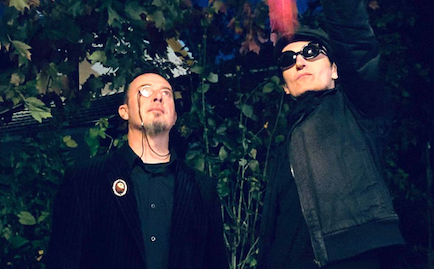
Laur: It's about nighttime and its power. We are not the first ones to talk about it and we certainly won't be the last ones! People like Ray Charles, the Lords of The New Church, Judas Priest, and many others have all written about it! We wrote it from a luring vampirish perspective.
Charles: Yes, and this is when you ready yourself for the night to the point where it becomes almost an obsession affecting your perception of what is happening around.
What was your favorite moment in making the music video?
Laur: The car scenes since it was all made for fun and we didn't really know what we would use them for and there was great natural lighting!
Charles: agreed, it was kind of a good moment that we shared just as friends. We were parked somewhere and there was this beautiful sunset with golden lights. So we thought about immortalising, wiped out a camera, and captured the moment.
Can you tell us a bit about yourself and how you got started in music?
Laur: I started as a drummer playing with Charles, played in quite a few bands and backing bands over the years before starting to use my voice to sing the lyrics I was writing.
Charles: I started saxophone as a kid, then teenager I switched to bass, starting our first band together, Laur and I.
Could you share some of your musical influences and how they have shaped your sound?
Laur: I’ve been influenced by glam rock, punk rock, hard rock, and goth rock among others. I guess you can find traces of these genres in Golem Dance Cult although it's not always obvious.
Charles: I was educated in Jazz as a kid, and I love all kinds of music provided there is an artistic intention behind it. But rock is my main thing, kind of the same style as Laur. In terms of bands that could be Jane’s Addiction, Killing Joke, The Cult. Post Punk in a way and I love Hip-Hop, PE, Beastie Boys, NWA et surtout le Francais with Le Supreme NTM.
That Hidden Promise On the Making Of “Some Days (I just can't stand)”
What was the creative process like for this particular "Some Days (I just can't stand)?"
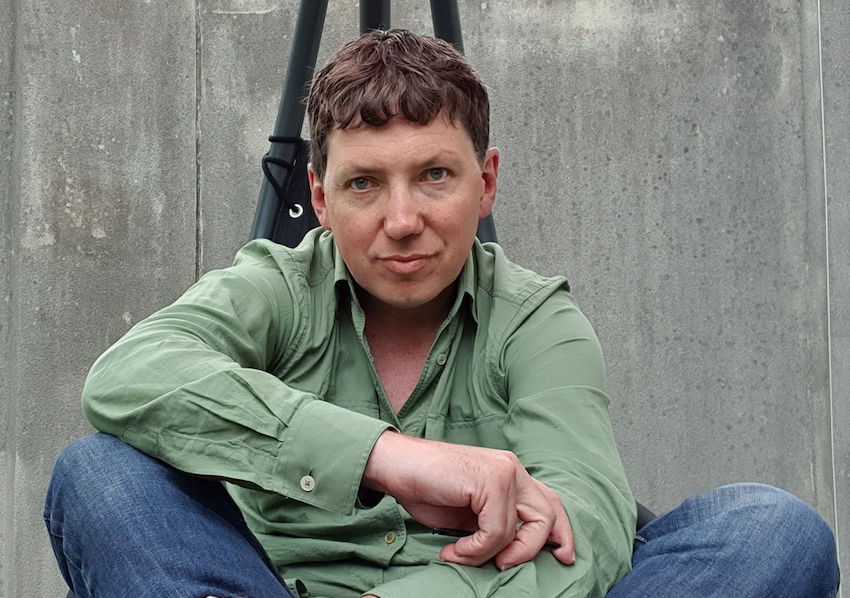
I'd just bought a Gibson SG finally after 20 years of waiting for the right one to come along, as a lefty, they're not easy to come across. Anyway, the riff flowed out from it pretty quickly, I'd it was say gifted by the guitar and it was clear the kind of song it needed to be and had to have that SG gnarliness. A few months of tweaking and refining the structure, as at 5 and a half minutes it needs to grab you all the way through. The lyrics came pretty quickly and the themes just worked perfectly for me, with the music.
Were there any memorable or standout moments during the recording sessions for "Some Days (I just can't stand)?"
Well, I record and produce everything myself, but rather than spending forever polishing it, I just let it flow naturally and the solo came out in one take straight off the bat.
How does "Some Days (I just can't stand)" fit into your overall artistic vision and what can listeners expect from you in the future?
It's one of the most direct, in your face songs I've written and I don't tend to repeat myself. The album veers in quite a few directions genre and style-wise, as we don't have just one feeling or emotion so why should the music I produce. My previous album shows the difference in the material I write, as does the recently released batch of archive material I released.
Can you share a bit about your musical background and the journey that led you to where you are today?
I started my first band in the late 90's though was already recording music on my 4 track tascam at the time too. I was writing all the material and decided in 2001 to just focus on being a solo act. I like to keep exploring musically and keeping things interesting. Live I play solo, but build up the beats, etc. myself, so yes like to be self-sufficient, as then I've just got myself to rely on to bring these songs to life and love the creative process from start to release. It's what I need.
How do you approach creating something new and different?
I never try and create a piece of music in the vein of someone else and will ditch tracks that I feel sound too much like anything else. I tend not to listen to much music when I'm writing so it's not influencing what I'm doing and essentially will just sit and play around with riffs, words, and sounds until something interests me.
Goldthrone On the Making Of “Scale It Down”
What was the creative process like for this particular "Scale It Down?"
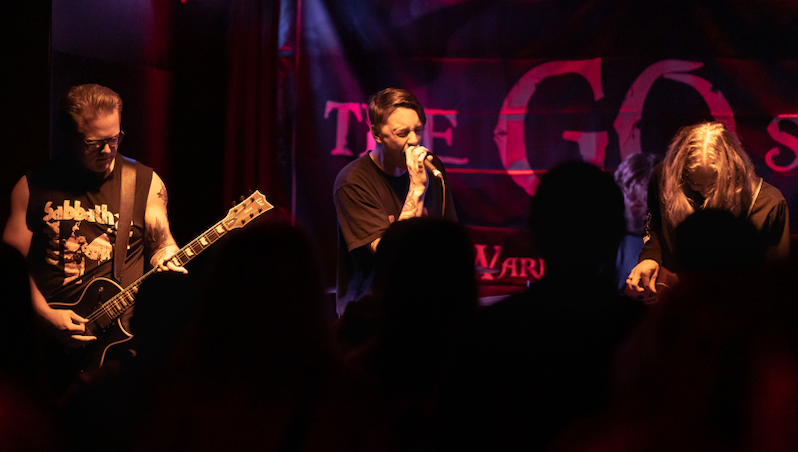
The creative process is always the same for our songs. Our guitarists write something and then we build from that. For Scale It Down it's no different. Guitarist, Jack Curtin, wrote the chords for this one and then we all learned it at band practice. Scale It Down quickly became a band favourite from its staunchy head-banging feel to its anthemic ending.
Were there any memorable or standout moments during the recording sessions for "Scale It Down?"
Recording Scale It Down was a joy for us. Although it was recorded when the rest of the album was recorded, it still has its many demo versions before that process so it was nice to get it recorded properly.
What has been one of your favorite memories along the path to making "Scale It Down?"
One of our favourite memories is definitely playing this song live for the first time. Playing a new song to a crowd is always daunting, you never know the reaction you're going to get and thankfully, it was a good one for Scale It Down.
Where do you find inspiration for your songs or musical ideas?
As a band who are interested in lots of genres, we draw inspiration from all corners of the industry. Our vocalist, Tim, is a producer, so he added more to the track for the recording than we play live was definitely a good thing for the overall sound of the single. The song still translates its anthemic feeling during a live set.
Could you share some of your musical influences and how they have shaped your sound?
Some of our musical influences include Teenage Wrist, Turnstile, Silverchair, Sleep Token, and Audioslave. It definitely isn't limited to them, as a band we listen to so many genres, from Jazz to heavy metal, so we tend to draw inspiration from everywhere we can!
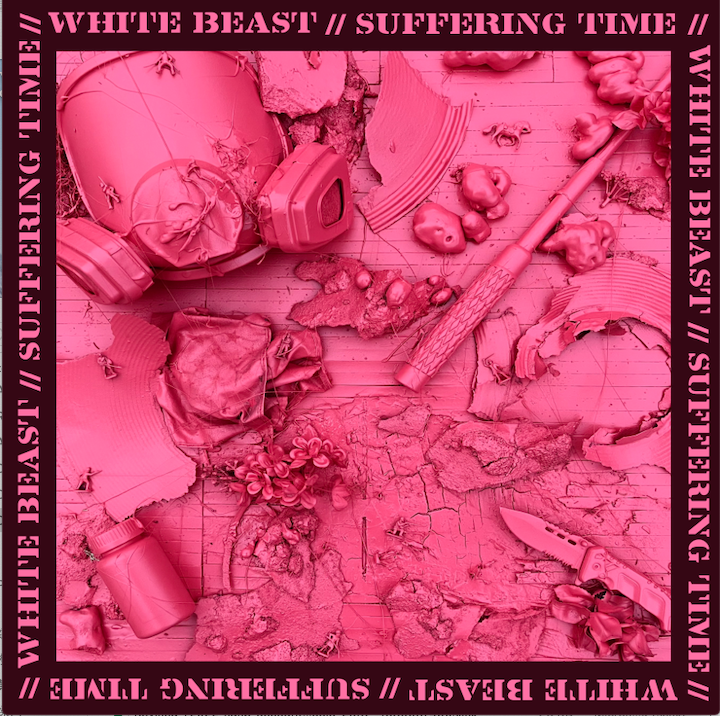
White Beast Releases ‘Suffering Time’
Can you briefly describe what the song/each song is about? If you are releasing an album then either describe the thinking behind the project or choose a couple of lead tracks to focus on.
Largely written throughout 2020 many of the songs reflect different aspects of a crumbling democracy through personal lenses. Often taking on narrative characters sometimes as a means to critique and satirize ideologies, sometimes speaking of individual experiences emblematic of larger socio political concerns and always interweaving pieces of Rettberg's own perspective and self examination in the process.
Where was the single/EP/album recorded and who was involved in its production?
Recorded in Baltimore Maryland in Jacob Honaker's basement. A longtime friend and former bandmate of Jeffreys.
Were there any notable or amusing happenings surrounding the recording/production of the EP? As above, list whatever might be of relevance.
Sam broke both of his knees, Jeff was effectively homeless writing the songs.
Who are the band members and what do they play?
Jeffrey Rettberg - Bass and vocals Sam Roberts - Drums
Are there any other interesting or amusing happenings – no matter how small – that the band have been involved with that would be of interest to those who like your music?
Much of the full length album was written during 2020 while Jeff was going through a separation hopping back and forth between Baltimore and Richmond, participating in protests in both cities hoping to settle in Richmond. Jeff met Sam in 2021 and as they began to write together and flesh out a live set and record Sam broke both knees in a work accident putting the entire project on hold for the better part of a year. Once he healed the record was finished and here we are.
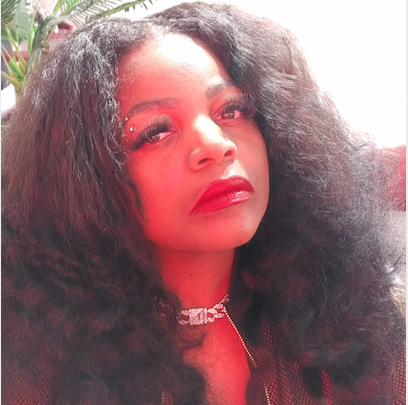
Bad Ass Beauty On the Making Of “Typecast”
Can you tell us about the inspiration behind "Typecast" and the story it tells?
I was crushing on a work colleague. He wasn't the type I'm usually drawn to and I wasn't what he normally went for but for some reason we were just like two peas in a pod! I never told him tho. I'm just guarded like that. We were getting closer and really became great friends then the dude just ghosted me outta nowhere. Can you believe that shit??!!!!
Were there any memorable or standout moments during the recording sessions for "Typecast?"
Not really?? The entire recording session process for the upcoming album 4 Horsemen (to be released soon btw...) was a deeply spiritual and cathartic experience. Lots of vodka. Lots of creative freedom. And lots of laughs!! It was during a pretty rough time in my life cycle so those sessions actually saved me in a way. Gave me something to look forward to and realize that I do have a purpose and just keep fucking going...
How do you feel "Typecast" represents your artistic identity?
It's me to a tee. All me. Nothing but me. It's fucking ME. I can't get any more descriptive than that... 😆
Where do you find inspiration for your songs or musical ideas?
It just "comes" to me. It can be any time, moment or place but lyrics and melodies are floating in my head at all times. I have the attention span of a goldfish so I have to immediately write it down or sing it into my phone or else it's lost forever 😩
What do you enjoy most about performing live and connecting with your audiences?
Just that. Connecting with people and feeling their energy and being able to cast it right back to them. It's an obsessive mutual feed that I must have to live!!
![[SAMPLE_TEXT] On the Making Of “Poverty Dream”](https://images.squarespace-cdn.com/content/v1/60110aa8e6d31b0d1c32ae92/1691114232098-Q2KSPXF3UVIUEJUN4SKZ/Screen+Shot+2023-08-04+at+9.51.30+AM.png)
[SAMPLE_TEXT] On the Making Of “Poverty Dream”
What was the creative process like for this particular "Poverty Dream?"
Well, in terms of writing we were heavily inspired by black midi, as well noise rock, grunge, and jazz for the guitar melodies and chord structures I'd say. In terms of lyrical content i suppose it alternates between sardonic accusations of consumerism, genuine self statements about being in poverty, and satircal statements made from the point of advertisers. My hope would be that listening to it feels a bit cathartic and coerced at the same time, because thats how i feel expressing it. Some of the elements in the latter half of the song were developed live, and honed in the studio. Some of the bass lines were written by myself, and others by our bassist jacob. Our drummer tyler and I share alot of influences, with a key difference being he's traditionally jazz trained, and also used to listen to alot of drum and bass, so I'd say upon searching for it in the music, its clear to see those elements making their way into the song as well. As a general template, I normally bring guitar parts, vocal melodies, and overall song structure to the band. From there everyone adds ideas and we sort of work together and push and pull until its something that ceases to be any of ours individually, and something truly communal.
Were there any specific recording techniques or equipment used to achieve the desired sound?
Yes. from the get go we all creatively agree (along with our producer) that "the sound of indie rock" has gotten pretty stale recording technique wise. We really wanted to get as many tones as possible from analgue gear like compressors and tape etc. That being said I have no idealistic misgivings about using contemporary methods*creatively* . So as a general rule, we tried to create and achieve all the sounds and tones analogue and with sort of older methods (lots of true multitracking, tape, real life hall reverb, etc), and then make it a modern product using modern methods within a daw just to smooth things out and make them more bigly.
How do you feel "Poverty Dream" represents your artistic identity or musical evolution?
Well, it sure as hell is a step up production wise from the past. Everything we've made prior was made in a home studio on a tascam porta studio. Or in a garage. We had a lot more intent with the stylization this time. In terms of writing it's hard to put into words, but i think all of our parts as musicians just feel more sure of themselves, and more uniquely themselves as well. Without sounding full of ourselves I've always thought our writing was pretty good, but the inspirations are hidden well enough at this point that to me it feels like there is more synthesis rather than inspiration happening. Which probably isn't the actual truth, but the fact that it feels that way I think means good things.
How do you approach creating something new and different?
Honestly, I think my main rule is being bad but remembered, is better than being good but forgettable. There is so so so much music out right now, but honestly alot of it feels scared. Like its really afraid of not fitting into a playlist, or like its dreading the "what genre are you" question. It feels like "staying relevant and competitive" has transformed into "never color outside the lines ever." The irony is there is more oppurtunity to make strange music now than ever. I'm getting kind of off track but honestly I just try to make stuff I genuinely like, and feel expresses something. I think we all make that effort. It's easy to worry about what people will think of it, and I do worry about that alot actually. I just try to keep all my REAL criticisms and creative decisions wrapped up in "what makes a song more/less good *to me*" rather than "what makes it more/less good to a random person."
Could you share some of your musical influences and how they have shaped your sound?
I can try but we have alot and I'll probably forget some. With most of our music, I'd say the Nirvana influence is apparent. Mostly just in vibe though, not really writing or tones. The one structure I default to alot that is similar however is "quiet weird verse" with "loud grungey bangin' chorus." That's about the only true similarity I see there but people pick up on it. As previously mentioned black midi, jazz, and other grunge artists are also mixed up there. Also that sort of weird post punk/post rock heavy stuff like Slint and Swans. and even impressionist classical music like Scriabin. Anything that isn't afraid to throw alot of dissonance, or just alot of notes at you at once. I try to combine the taste in harmony of all those things into a digestible sort of package, because at the end of the day I also like pop. Jacobs bass parts play well with this I think. He comes up with things I'd never dream of playing over a chord progression, but ends up feeding into that sort of jarring harmony as well, while tying it all together in a sepearate melody. I think this comes from the fact he's been a baritone part of a barbershop quartet for a long time, and ummm, just look up "barbershop baritone part solo'd" and youll see what I mean. It's rather all over the place because it's filling out the tenor and lead parts, but also trying to keep them grounded with the bass, while also trying to create it's own movement seperate from all the parts. All this weirdness in mind, I think Tyler's drum background being essentially jazz, dance music, and rock, is what really makes the weirdness and the lo-fi work without just being more experimental punk. It frames it differently. If the drumming was balls out all the time punk stuff, I think we would be more firmly in the punk camp than we would care to be. The dynamics make the punk-ier stuff feel more intentional and unique, and makes the harmony be framed in a way (I hope) where the jazz and experimental influences are seen coupled with the noise and punk ones. We all have very different music tastes, but I think what we are seeking in those tastes is the same, so I think thats why it works out.
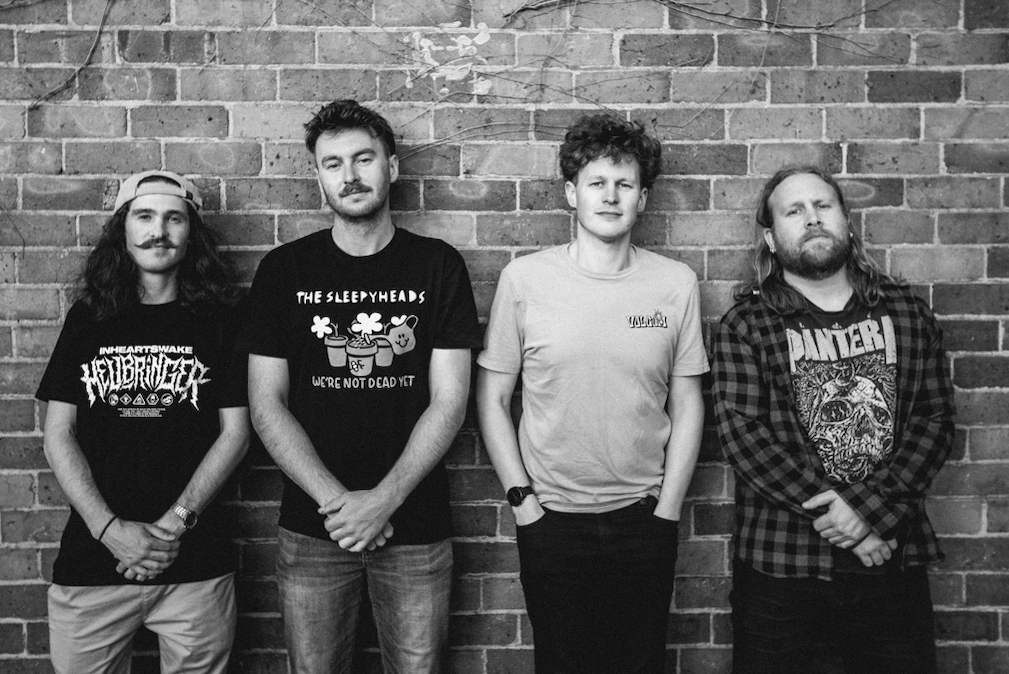
DRENCHED On the Making Of “Slug”
What was the initial spark or idea that led to the creation of "Slug?"
Musically, “Slug” started with the simple opening riff. I used to noodle with it as a warm-up before practice. I eventually built a chord progression around the riff, which evolved into a full song.
The lyrics for “Slug” are about being introverted at parties. The concept comes from times where I’ve been at social events and people have assumed I’m not okay because I’m not being super engaged and happy-looking. I’ve been fine and perfectly happy people just people watching, seeing what sort of crazy stuff ends up happening. I’m sure any introvert can relate to this!
Can you share any interesting or unique musical elements or production techniques used in "Slug?"
The song is pretty straightforward in terms of structure, but it’s the first song that we have written in standard E-flat tuning. We usually write in C#, for a heavier sound, but Slug, being brighter and more fun, felt right in standard tuning. It also meant we could play some nice, juicy open chords. In the studio, we really worked on building layers of guitar and vocals in the interlude to create a crescendo. It’s the zenith of the song and the record and it’s one of the most dynamic parts we’ve written.
How do you feel "Slug" represents your artistic identity or musical evolution?
Just like most of the songs of four debut album, “Slug” is a much more collaborative song than our previous releases. I brought the initial concept to the band, but we all worked on it and refined it, and I think the end product is way better than when everyone just plays the parts that I’ve written.
It also feels like a very refined song, with clear influences and a distinct sound. Slug almost didn’t make it onto the record, but because our studio time was delayed, we had a few extra weeks of rehearsal time. We managed to bring it up to a standard that we were happy to record with. After that, it has become one of our favourite tracks.
What are some of the biggest challenges you have faced as a band, and how did you overcome them?
It’s a typical story for us, being a band in a small town with a small but dedicated local following. We try to get the support slots for touring bands so we can get a bit of credibility, a few feathers in our caps. That’s been our goal for the year; release this album and get on some touring band lineups.
Otherwise, the recording of the album was a big challenge. We struggled with scheduling conflicts, personal tragedies and indecision. Because we were using a third-party space to record, we and our audio engineer basically had to go to a committee whenever we wanted to book the space, which slowed everything down, sometimes by weeks. It took several months longer than we wanted to get the release ready, and we’ve learned a lot from the experience.
What do you enjoy most about performing live and connecting with your audience?
Being surrounded by my three mates and absolutely nailing a song or a whole set is super satisfying. I love stepping on stage and seeing people smile when we play the opening riffs of our songs. Fans singing along and dancing to our songs is so wholesome, and it makes me feel incredibly validated as a musician. I also love playing with other artists, both our friends from the scene and new acts who we have never played with before. We can fit in with a lot of different genres so play with a wide variety of bands, and it’s always fun seeing new people getting into our songs.
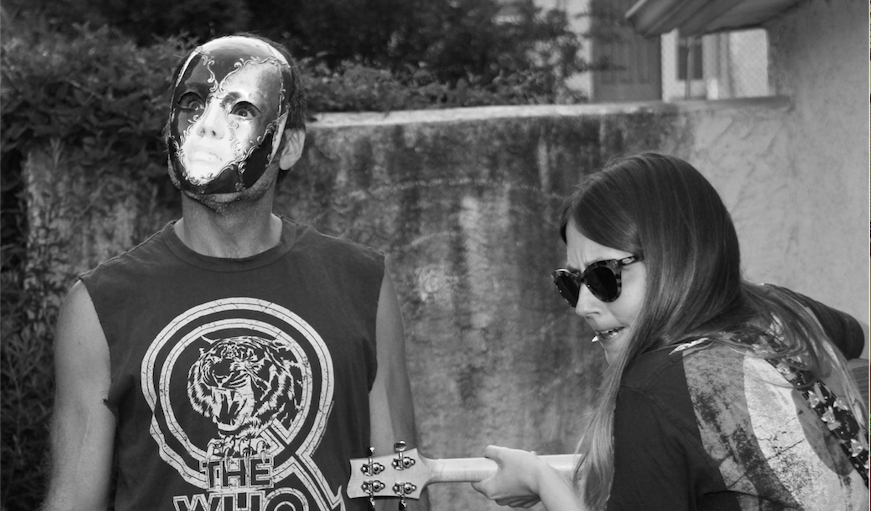
The Margaret Hooligans On the Making Of ‘Saturday Night in Bartertown’
What was the creative process like for this particular album 'Saturday Night in Bartertown?’
Not really any different than any other release. I throw microphones at Mr. Strontium, he cries into his hot wings, and then we get on with it. We jam on stuff, record what feels promising, and then we listen back and create songs out of the best bits.
How did you approach the arrangement and composition of the music for 'Saturday Night in Bartertown?’
I tiptoed around it like a sleeping baby, then yanked the carpet out from underneath the crib. Truthfully, there’s no plan. If it feels good (especially at the beginning, feel trumps sound), then we’ll turn it into something.
Were there any memorable or standout moments during the recording sessions for 'Saturday Night in Bartertown?’
There was that time a full grown man wearing a cat suit just walked by while we were recording my vocals, that was weird because we record in our basement. I kept thinking, how big are the mice in our house now that we need full grown men in catsuits to keep them in check? A memorable moment came when for years I thought the Witch On The Corner was named Patty, and Meg told me that I had simply made that up.
How would you describe your musical style or genre?
Underground garage dance punk with a drizzle of bluesy hot sauce. We try to be a two-piece version of The Who, that is if Roger became a woman, Keith Moon lived past age 32, and Pete Townshend stayed simple because he didn’t have to compete with Page, Beck, Hendrix, Clapton, Blackmore, and the rest of the guitar god wankers.
What role do you feel emotions play in your music, and how do you channel them into your performances?
Everything we write comes from a place of humor, but humor is used to deal with the anger and seriousness underneath. We are living in some batshit times and the best way to deal with that is to make some art and music that reflects that chaos.
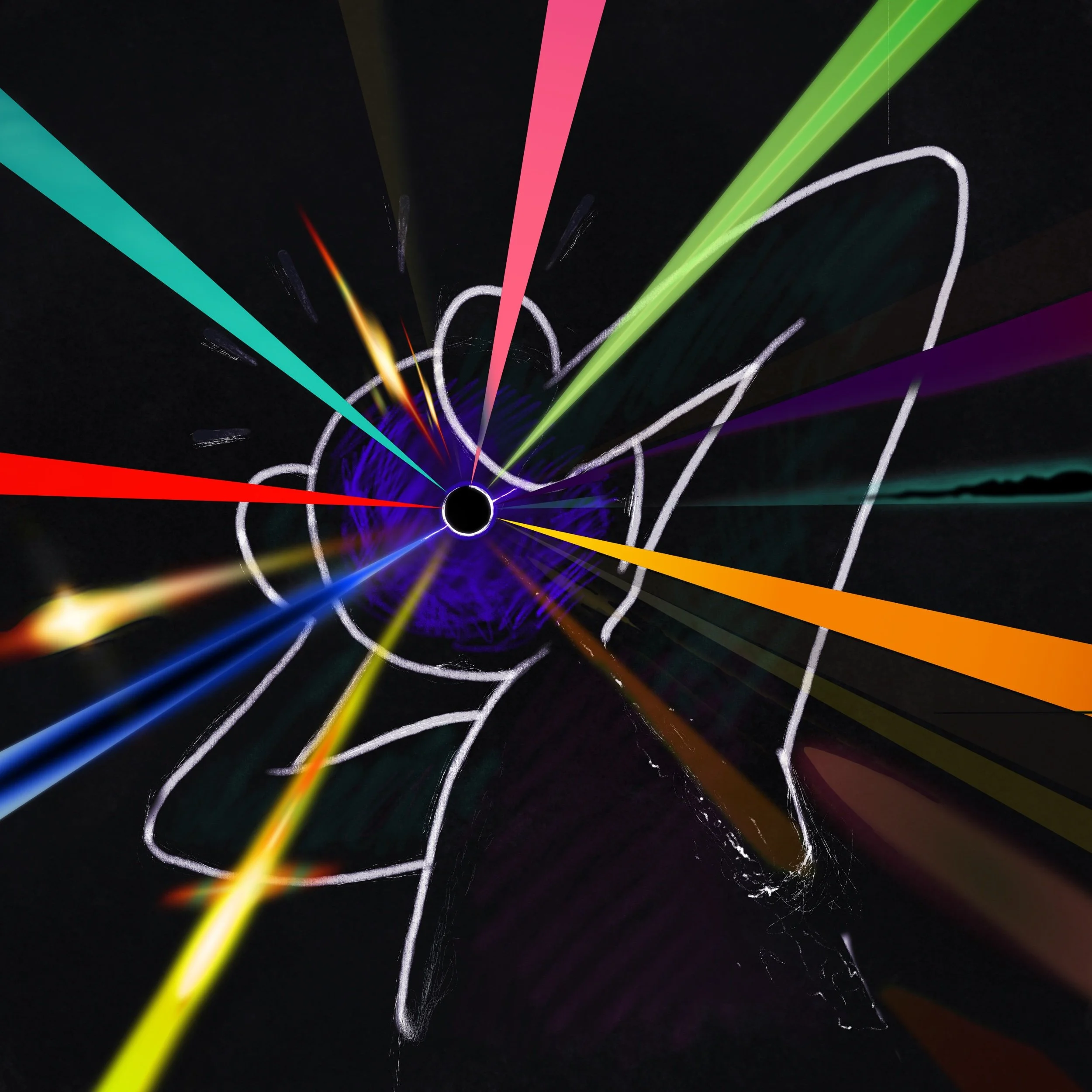
WIREHOUND ‘the anatomy of a thought undone’
The anatomy of a thought undone has the marking of one of the best music in the scene. For one, from the first sound, you know this is a profound album filled with songs that deserves to be made and deserves even more to be heard. This album from Wirehound will not leave you untouched. From tear-jerking ballads to cathartic, stormy rock anthems to mesmerizing pop sensations, the anatomy of a thought undone is an album that changes you. It makes you shiver from your souls with the turmoil and pain it once walked and sheds light to long-deserted places in your heart.
Wirehound’s sound has a universal appeal, which seems even more fitting to the messages they envisioned to send and the stories they share. Every song makes you feel something. They draw you into a different state, a peculiar challenge, but no matter how impossible it seems, you can always find a way out—that’s the spirit of Wirehound and the anatomy of a thought undone. These are probably some of darkest lyrics you’ve heard, but not because they tackle dark topics. It’s the pain and weight they carry in order for them to be heard.
The contrast of deep pain and bright force of light is so brilliantly intertwined. The album features songs that evoke deep feelings in your bones and make you tear up. With these songs, you only hope they’d last longer. You can feel it in the epic turmoil and drastic the danger it once in and the loss it has faced, but no soul is lost. The darkness isn’t gazing back to you anymore. Here, the darkest has been overcome. Instead of dragging you down, the music transcends the bad and lifts you up. There’s so many worth-remembering moments in these songs that you have to experience yourself.
The mastermind behind Wirehound also has been through some of the toughest things in life. From the rolling of deaths within the family to an accident to surviving and recovering from the indescribable pain of CRPS, the album the anatomy of a thought undone walks through time to listeners’ ears.
Punk Head: I love how the songs in this album are like phoenix rising from ash and flame. Can you tell us more about the creative process?
Paul: Absolutely! Thank you so much for the great questions. There is an unbelievable amount of work and planning that went into this album. I wrote the title track and the closing track back in about 1999, when I was 17 years old. From then, I knew it was gonna be a theme album and I knew what the story was. I also knew that, to me, these songs were special—I knew I couldn’t waste them. They had to be saved for the right time and the right team.
When Jason and I were recording “sleep all day” back in 2005-06, I was planning on the anatomy of a thought undone being our second album. But with the deaths in my family and the anxiety/trauma I experienced, the album got shelved for what I thought was forever. I especially believed this after I became so disabled I could barely walk and could no longer hold a guitar without agonizing pain.
After my miraculous surgery and recovery, Jason was one of the first people on the phone, checking up on me. We have always been brothers. To me, he is family and I’d run through walls for him. So when he told me it was time to record our first real album if I was healthy enough, I told him I would work tirelessly to get ready. Jason had found Corey Zack, this genius producer in Jersey City. We could have real strings and horns. And it would be perfect.
I immediately knew this was the album we had to do. I started doing 2 hours of physical therapy, 5 days a week. I had to get myself ready—in the space of a few months I had to transform myself from someone who couldn’t stand for more than 10 minutes, unable to drive with his bad leg, to someone who could drive 3 hours and spend 25 hours in the studio, working my butt off, over the course of 2 days. It seemed impossible, but Jason and my family believed in me, so I worked harder than I thought I could.
I started putting the track order together in February of last year. I called in every favor I had from the best musicians I have been lucky enough to befriend and got Eben Seaman to fly in from Iowa to play his brand of virtuosic piano, with Rick Birmingham coming from upstate NY to provide some of the best guitar solos I’ve heard in my life. My wife, Dana Wenzel, was also kind enough to come and lend her beautiful soprano to our sessions.
We began recording on May 20th, 2022. Jay laid down all of his drum tracks and I played all the bass parts that first weekend. From then, we would meet about one weekend a month to keep putting things down. I did most of the guitar, bass, and vocals. Jason played all the drums. And then Eben did almost all the piano/keys, with Rick and Corey adding some beautiful solos. Corey also knew these absolutely incredible string and horn players who came in and added so much weight to the album. Even though I can’t write or read music, I was able to get the sound files of the parts to Eben who, as part of his genius, transcribed everything perfectly.
Needless to say, Corey was everything Jason told me and more. Together, we took these ideas that had been bouncing around my head for 20+ years and turned them into something that, I think, is timeless. Something that truly believe is one of the best debut albums of all time.
PH: This album didn't come easily and certainly a lot of challenges were faced and overcame in the process. What is the one lesson you'd like to share with your fans?
Paul: I think the lesson is simple: never give up. My CRPS is nicknamed the suicide disease because it’s a pain demon that never let’s go of you and, for the most part, there is nothing you can do—no medicine. No exercise. Nothing. You just have to watch it get worse every day of your life, and try your best to hang on. I have so much to live for, and so much to be grateful for, but I had many, many moments where my thoughts got very dark. But I never gave up. I just held out hope that, one day, something would happen. And I would get better.
And, due to a crazy series of decisions I made to make the best of my disability, I was watching TV at 1am one day and saw a commercial for a doctor. A doctor who was a specialist in my rare condition. And not just that- he was the doctor who goes around the country teaching other doctors how to do a spinal procedure that helps reset the pain signal, and reduces the pain to a still tragic, but manageable level.
I spent many hours sitting on my sofa, unable to walk to the next room, thinking about all the things I would never get to do. All the journeys I’d never get to experience. All the little moments I couldn’t help my son get through.
Looking in the abyss, seeing darkness behind you, it’s easy to quit. But I tell you this- never ever give in. Never ever give up. It may take some time. It may be subtle or only partially answers your prayers- but there’s always hope and there’s always ways to find meaning and joy in your life.
Jason: That you need to make time in your life to add things into the world that make it a better place (even if it is ever so slightly). We spend so much time chasing money sometimes that we lose sight of what the world needs more of right now. That is beauty, compassion, love etc. For some reason of late, these things have become terms related to weakness when it’s the polar opposite. If one sad person feels happiness from what we created, all that time and hardship to get this record done will be well worth it.
I would also like to add that musical trust is so hard to find as an artist. I know Paul cherishes his work and knows what he wants, while I have confidence in my playing and artistic input. Those two things can be conflicting counterproductive forces. Playing with someone and creating for more than 20 years has an extra developed trust that should never be taken for granted. I think you can hear that trust in the music. With that trust, and ego's aside, is where true beauty can be created.
PH: Who are your favorite artists and why?
Paul: For me, the greatest living songwriters are Brian Wilson and Joanna Newsom. I don’t think anyone really comes close to their depth and brilliance in every aspect of composition. My favorite band is Radiohead, for similar reasons. I love all types of music though, and spend hours a day listening to everything from Run the Jewels to Garth Brooks to Tame Impala to KT Tunstall to Fleet Foxes.
Jason: I don't think I have a favorite, but always need to refer to Bach who tempered all of modern music and then The Beatles for doing some really great song writing with it all. My musical pallet is way too diverse to name favorites and so is my actual pallet since I don't have a favorite dish. I love good food and good music and am so grateful to be in a world with both.
PH: If you were stranded on a desert island and could only take one song or album to listen to, what would it be?
Paul: I am the rare person for whom this answer is easy and immediate—if could take one album, it is Have One On Me the triple album magnum opus from Joanna Newsom. If I could take one song it would be “I Know” by Fiona Apple, though “two headed boy, pt. 2” by Neutral Milk Hotel is a close 2nd.
Jason: Its close, between Mozart's “Jupiter Symphony” and Coltrane's “A Love Supreme.”
PH: What motivates you as a band?
Jason: What motivates me is the friendship, through thick and thin, that prevails, and the chemistry that's shared that is so hard to find in anything else on Earth. We have been at this a long time and have stuck to our sound. Paul wrote some of these songs before I knew him (and I have known him for over 2 decades). The fact that they sound like they could have been written yesterday makes me realize how timeless they are and how fortunate I am to be a part of it.
Finding Corey this time around was the final piece of the puzzle, not to mention all the talent that was brought in to complete the layers. The cosmic magnet at its center to make it all happen is the closest thing to REAL magic that I have ever experienced and if that's not motivating then what is?
Paul: I have to say that I really agree with Jay and so many of the points he’s made here. For me, I’m motivated by our friendship that turned us into family. I’m motivated by these amazing musicians we surrounded ourselves with on this album—from Corey to Rick to Eben and everyone else that contributed in any way. I’m motivated by the hope that these songs will get heard and that, somewhere, there’s gonna be even one person who finds strength or solace there. I’m motivated by the memory of my dad - our three fathers have all passed, and this album is dedicated to the memory of Corey, Jason, and my fathers. I’m motivated by my family—wanting to show my sons that, when I say you have to fight and not give up, it’s not just words —their dad worked his heart out to get this done. Despite the odds. And the look on my son’s face the first time he heard Annabelle makes it all worth it
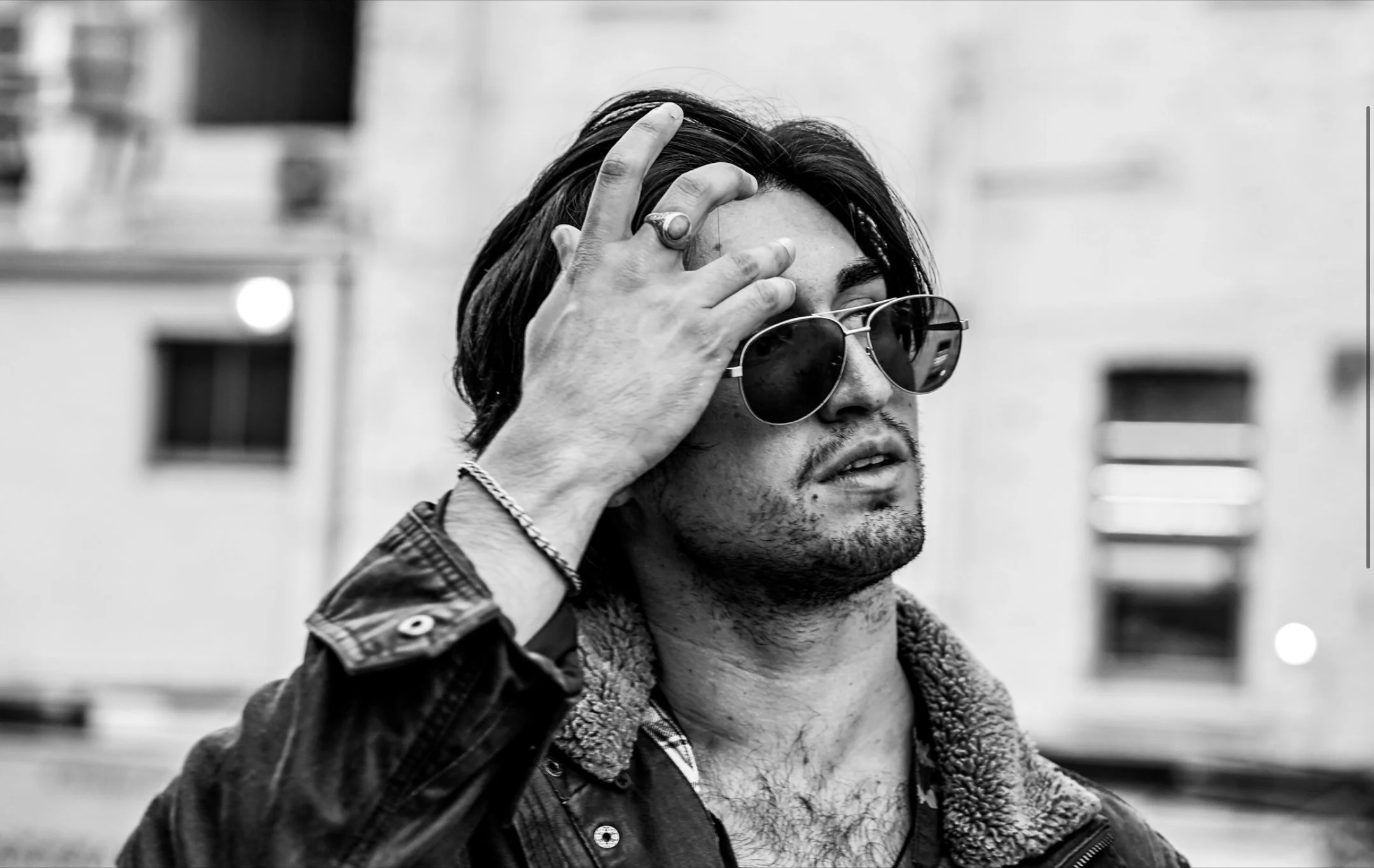
Trent-Jean “Cities Burning”
“Cities Burning” comes at you with its sharp edged blades of emotions, pouring down in fragments. Like a mirror’s broken, pieces scattering in all directions. The brokenness and torn is palpable in the spiraling and sprawling disorientation of sounds. Trent-Jean brings that mind-blowing multi-dimensional soundscapes into your ears, immersing you at the same time, hitting harder each time when its earworms of melodies come around, haunting you to the very core. “Cities Burning” is bleeding and intoxicating, highly addictive and heart-wrenching, carved into your brain.
As a song with magnificent, multi-layered audio-visual effect, the core strings all the way back to Trent-Jean’s brutal vulnerability. The song opens with an almost ideal, utopian greenery. Peaceful and liberating, but so soon, the storm wraps its tentacle around and hide that love and vision deeper and deeper until all there left is layers and layers of struggle and torture. Sonically, Trent-Jean constructed it all with sounds, which is quite impressive.
Inspired by a past love turned stone, “Cities Burning” is a chaotic epic revolving around the intensity of love, loss and redemption. Through sonic cinematic explosion, even in the turmoil, the soft core of tenderness is not lost. It seems to be the source of all the suffering, and it’s coiled into the melodies, being echoed throughout the song in waves.
Read our interview with Trent-Jean and learn more about the inspirations behind “Cities Burning.”
Punk Head: I love how "Cities Burning" takes listeners on an immersive and profound sonic experience. What's the story behind this single?
Trent-Jean: At the end of an early relationship of mine, as I watched the chemistry turn to unrequited love, I looked at my then girlfriend and said “this feels like my city is burning.”
PH: What do you like the best about this track?
Trent-Jean: What I love most about this track is the way Rob Grant (Poons Head Studios) masterfully co-produced, mixed and mastered it.
PH: Are there any specific musical or lyrical influences that played a role in the creation of this single?
Trent-Jean: Musically Josh Gallagher’s live drumming really ignited and inspired fire-cracker energy to the tune. Shoutout to the mighty!
And lyrically, I was inspired to using less cliché metaphors to articulate my emotions on the topic of love, loss, youth and atonement.
PH: What is your creative vision as an artist?
Trent-Jean: To create and present the best possible art I can do so in this lifetime.
PH: How is the music scene in Perth?
Trent-Jean: It is a healthy potpourri of styles. I’m fortunate that I found my tribe, which we call 9th-Dimension Records.
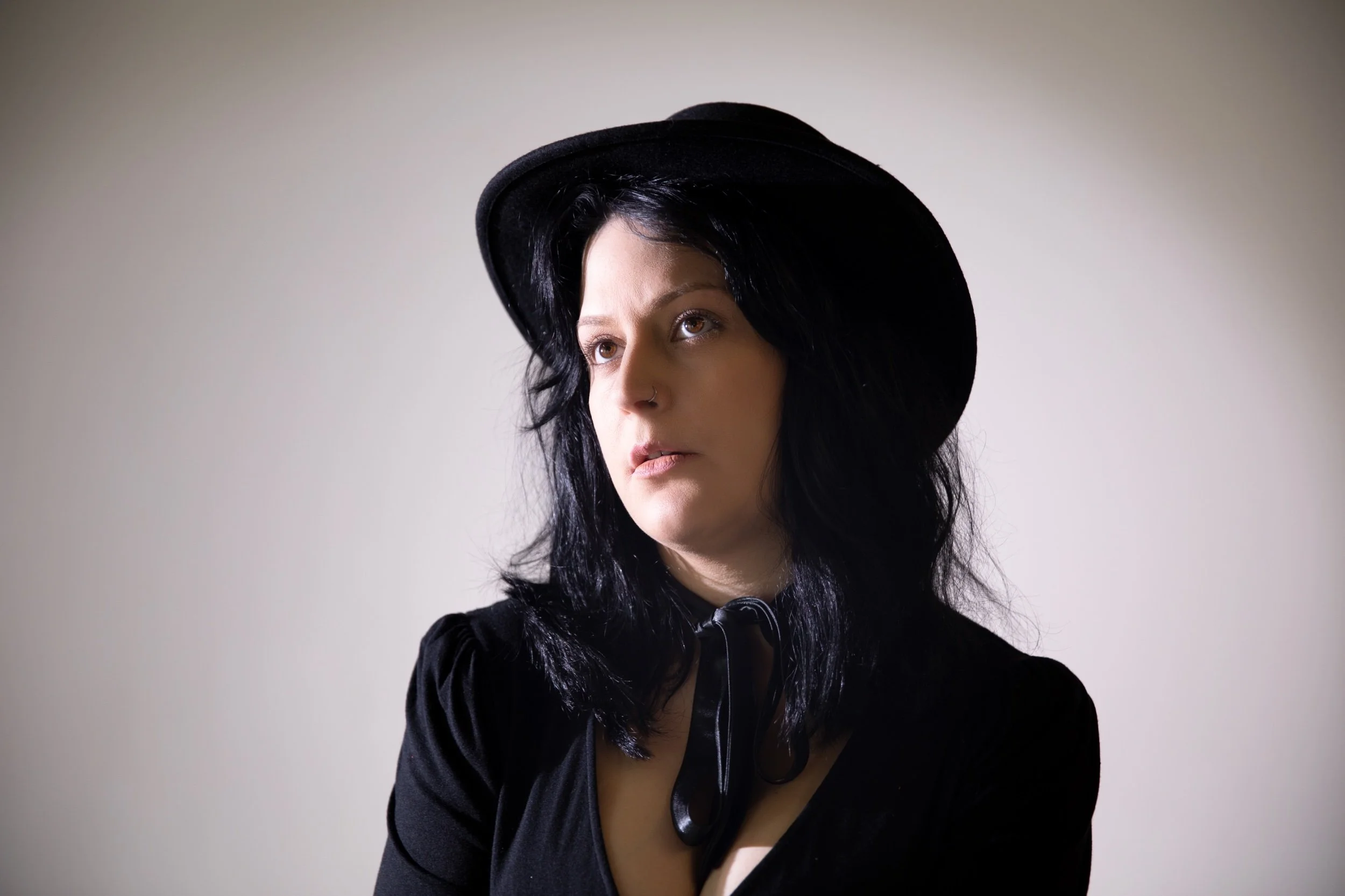
Louise Distras ‘Beauty After Bruises’
Beauty After Bruises invites you into Louise Distras’ exuberant, retro sound land. Rich and full of layers, but in heart, it’s just good music. Distras has the voice of a power voice. Her genuine performance with tears in each powerful moments touch you deeply. She rocks these lyrics with all she has. Her music is alive. They aren’t just songs to sing, but to be experienced.
Beauty After Bruises reminds you of Avril Lavigne and Paramore with punches and attitude. Beauty After Bruises is fully entertaining and captivating. The songs on there are ear worms, but not the one to eat your brain out, but the kind that heals your wounds and nourish your heart.
With a Lana Del Rey kind of moodiness and nostalgia, Beauty After Bruises recalls a retro aesthetic and a charismatic blend of mood-filled, desert palettes and sultry soundscapes. Like the ocean and the desert coexist in every single song, it feels like the great California landscape permeating through the sound walls with a full smash of emo, rock and punk.
Every track is a fuzzy celebration on its own. There are stories to be heard, messages to be spread, words to be said. Like in “Hollywood Drug,” Distras speaks about the chase and illusion of fame and the creation of this illusion. “She fell broken on the street. City of angels. These streets are selling dreams, dreams that bleed your soul,” Distras sings. Her words pierce through the mice, speaking with much emotions.
“Hollywood drug made Marilyn Monroe. Lonely she weeps, weeps all alone. Cleansing her blood from a concrete star. Do you wanna be someone else?” Her words are thought-provoking like a memory-triggered time capsule that invites an overlap in time.
In “Time Heals Nothing,” she talks about wounds and shadows that can’t be erased. Her poetic lyrics always have feelings in the theme. “Your words are dreams from a thousand miles,” she sings on “Forever Is You.” “Today you’re gone with lies untrue. Take me with you. Take me with you.”
Beauty After Bruises is an album that takes you breath away. It has much potential in live performance—even in this studio album, you can imagine hearing the resounding echoes of captivating melodies coming from waves of crowds and having Distras’ vintage lovin’ sounds filling up the entire stadium—it’d be memorable.
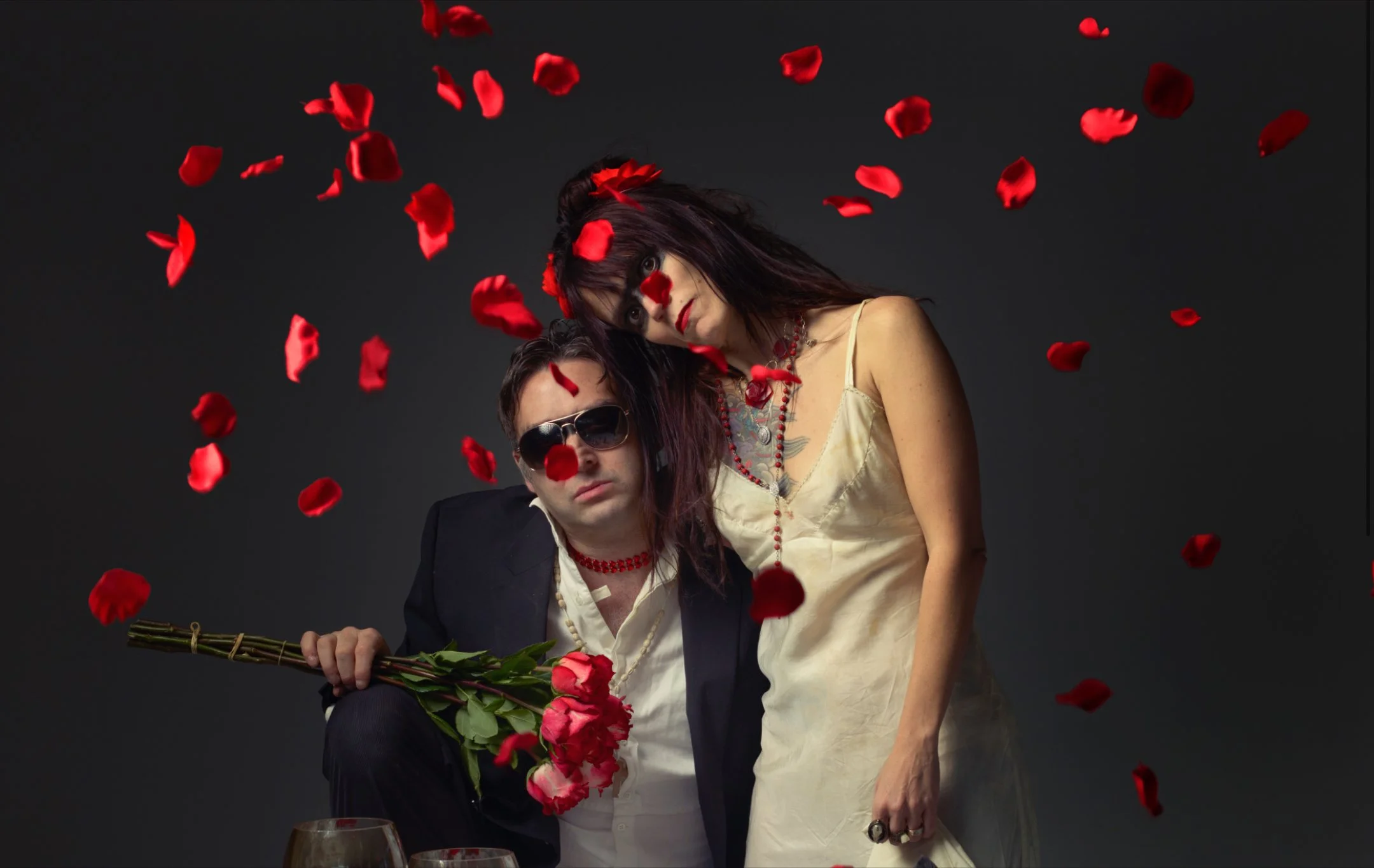
LOVESICK ‘Hoping this is the end’
Hoping This Is the End sees a glorious experiment of rock n roll meets the splendor and madness of love. Light and dark electronics painting the wildest dreams. Written and recorded in the midst of the pandemic, Lovesick’s creativity and imagination take off, landing Hope This Is the End on an euphoric land of love.
Inventive, free-spirited with unfiltered sparks of inspirations, the songs on Hoping This Is the End explore vibrantly diverse sonic palettes. “Blue skies on Mars” speaks of hope and the haze of love through an euphoric, feverish lens. “As I look in your eyes, I hope for a Hollywood ending.” Perhaps love does feel like a fever. It’s maddening and surreal, but at the same time, it tastes like cotton candy and smells like roses.
“Holiday” then charms listeners away with beautiful upright bass played by the legendary Tony Garnier (Bob Dylan’s musical director).“I’m hoping this is the end,” the quixotic sci-if singalong, passes along that intoxicating passion in the setting of doom day on earth. “We’ve been down the road” continues Lovesick’s unconventional love for music with a singing Italian puppy named Cozimo.
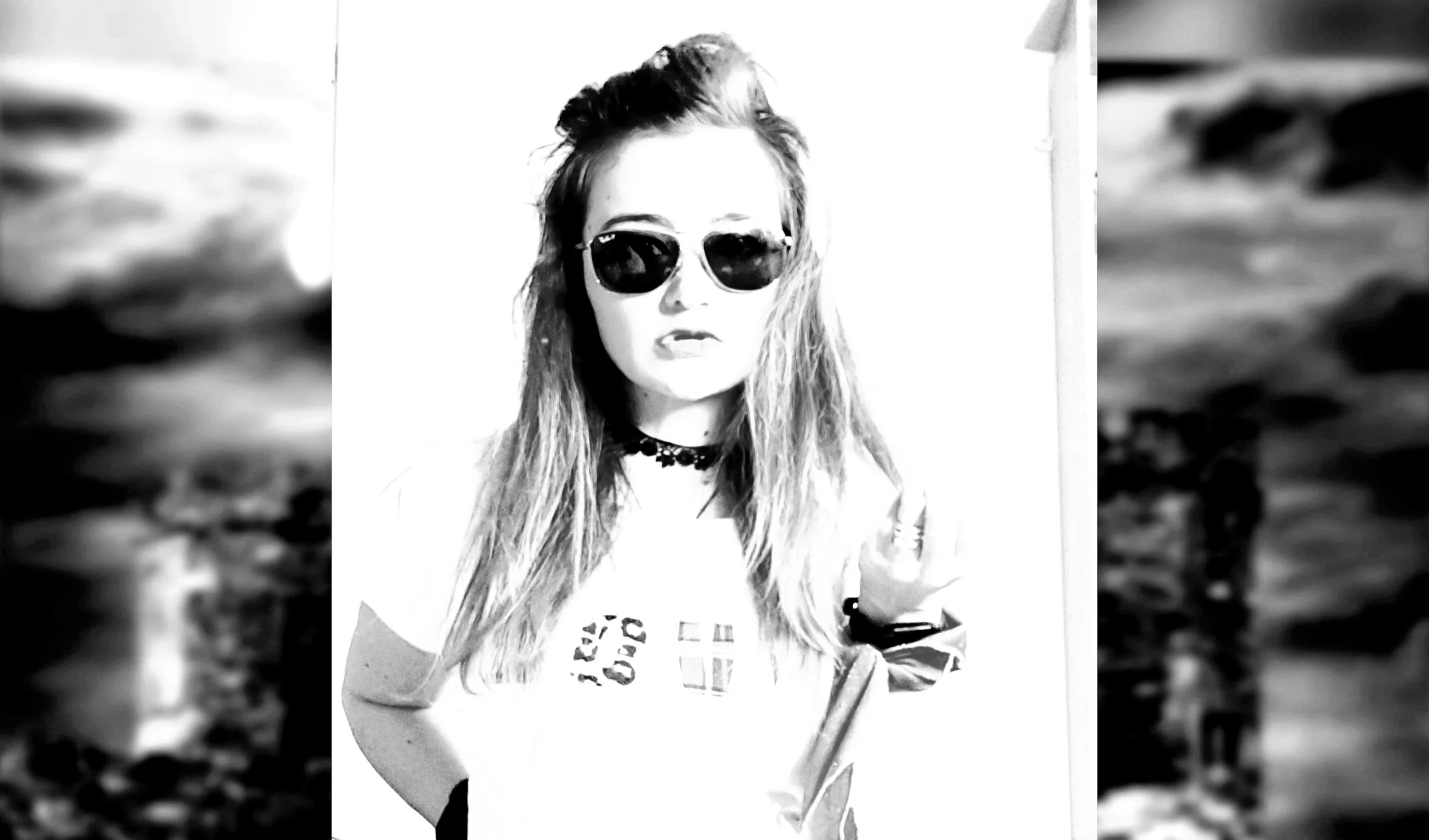
Grace de Gier “Your name”
Grace de Gier is an award-winning Colombian singer-songwriter based in the Netherlands. Inspired by the aesthetics and styles of The Kilers, the Cranberries and The Cure, her music celebrates individuality with poignant, highly relatable storytelling. “Your Name” has a universal appeal, yet doesn’t lose its edge. Intertwining heartfelt lyricism with a retro sonic palette, Grace de Gier delivers an incredible song.
Imaginative, mysterious, and cinematic. “Your Name” immerses you in the experience of seeing a special person’s name everywhere, as if being haunted. The Colombian singer-songwriter is known for her unique style of mending indie aesthetic with a mainstream rock sound. Her unapologetic approach to the genre earned her the Golden Mara International Award last year, in the category of Pop Rock Singer of the Year.
Constantly inspired by what life has to offer, she captures the intricacy and complexity of emotions that we all feel and articulates them so well in her music as if she could read her listeners’ minds. Bringing hard-hitting songs that undoubtedly stir the heart in both Spanish and English, Grace de Gier is here to make her name.