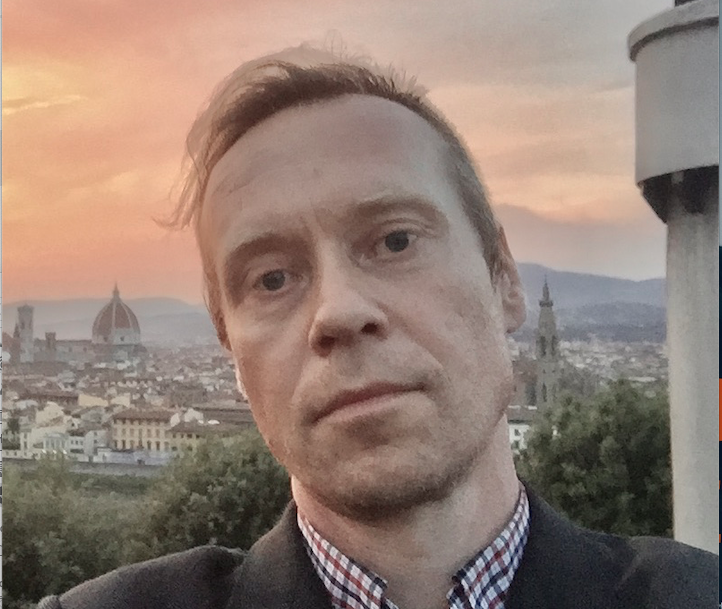
Tom Minor On the Making Of “It's Easy to Play Hearts”
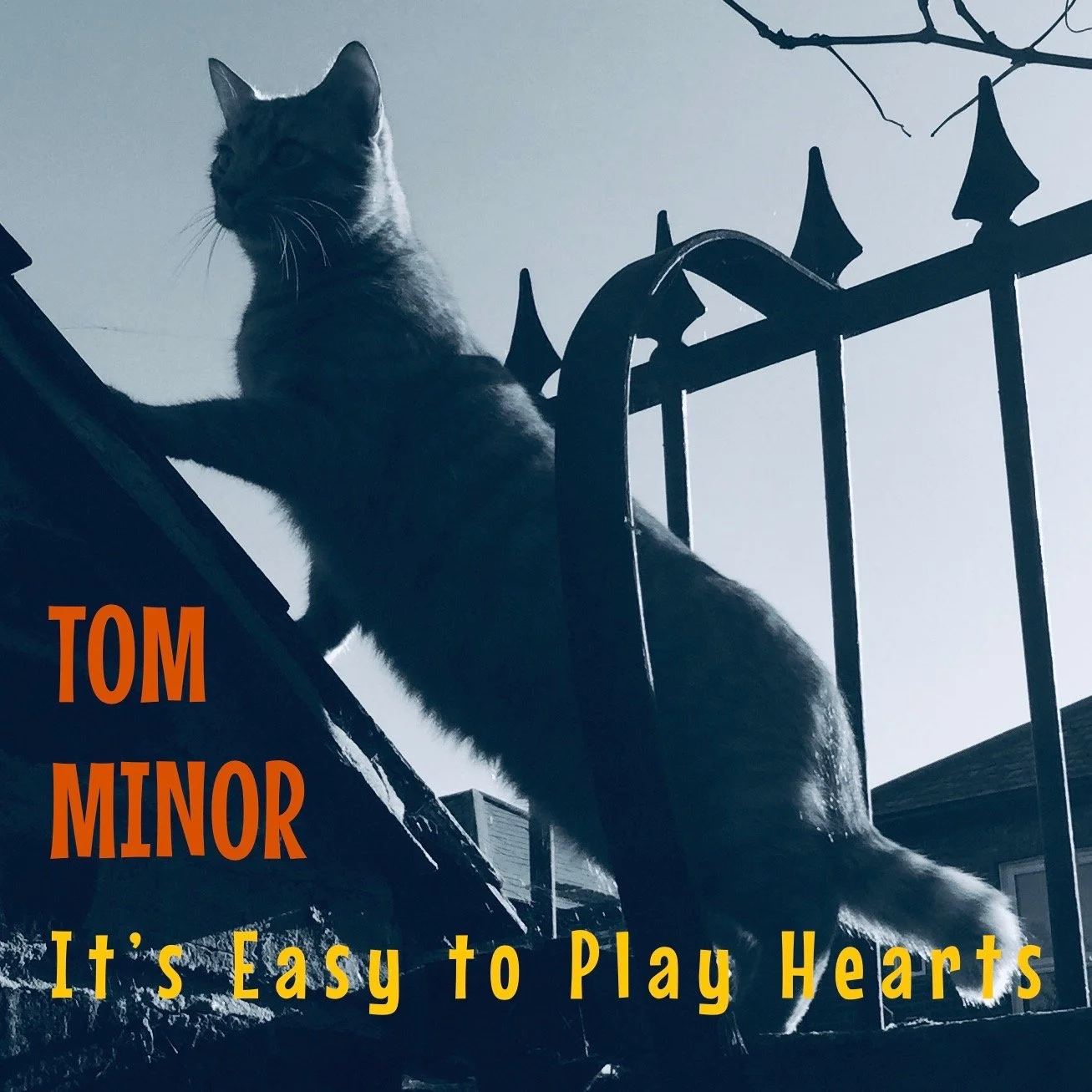
What was the creative process like for this particular "It's Easy to Play Hearts?"
It started with the title, as it often happens to me. I used to come across these instrument guidebooks called "It's easy to play Abba", "... piano", or whatever, and I started to toy with the idea of using that for something more universal from a human perspective. And what's more universal than the matters of the heart?, so there I had it. Someone playing lightly with another person's deepest feelings and creating heartbreak made for an interesting drama angle and a slightly darker tinge, juxtaposed with something being 'easy'. But I also wanted there to be a somewhat hope-inducing ending, like saying "sod it, and sod YOU, you fickle person, I'm out of here for something better!".
Musically, I knew from the beginning that it had to be an energetic uptempo track, in order to create a more uplifting vibe than a traditional 'sob ballad' would do, reflecting the inner contrast in the lyrics.
Can you talk about the recording and production process for "It's Easy to Play Hearts?"
Once I had the music and lyrics down, the arrangement fell into place quite naturally, it kind of wrote itself. I knew I wanted it to sound a bit like a typical early-sixties Motown dance number, and my producer Teaboy Palmer helped a lot in putting it together the way it ended up sounding. So props to him for that!
What has been one of your favorite memories along the path to making this song?
I have this hobby when I'm out walking: if I hear something interesting I bring out my mobile phone and try to record what I hear. And then later on I tend to listen back to what there might be. While producing It's Easy to Play Hearts we discovered this recording I had made outside a tube station. There was a street preacher with a megaphone touting his passionate message, which still to this day I'm not quite sure what it's about, but with a bit of editing it seemed to fit in perfectly with the middle part and ending of this one. I obviously don't know who the guy is, and he has no idea of ending up in my song. My apologies to him for stealing his voice. (My excuse being: I was ambitious and I needed 'the money'!)
How did you get started in music, and what inspired you to become a singer-songwriter?
I was a rock and pop fan from a very early age. I always liked the energy of a good solid rock tune and great pop melodies as well, and I wanted to learn an instrument in order to be able to create similar kind of - more or less organised - noise myself. But I was always greatly into lyrical content as well and appreciated strong lyrics with a bit more meaning than your average top-40 hit usually has. And never being able to master an instrument (in my case guitar and keyboards) well enough to shine solely with my playing, I started leaning more towards trying to write "the perfect three-minute mini-operetta" in the form of meaningful melodies and narratives over and over again. It's Easy to Play Hearts is one of the more recent efforts of mine to achieve exactly that ever-escaping goal.
How do you balance crafting relatable stories with maintaining your unique voice as a songwriter?
I guess it's more than anything a question of finding a subject and a perspective that speaks to you personally first, what you yourself would like to hear in other people's art, and then trying consciously to put it together in such a way that someone else could get something out of it as well. It is undoubtedly a balancing act between reflecting your own personal emotions and creating something relatable to others at the same time. But in the end it's really no use trying to sound like someone else if you want to create something even remotely relevant in this world full of everything already.

Actve Captve On the Making Of “Ellis Island”
Can you share any interesting or unique stories or perspectives in "Ellis Island?"
With the debut of their latest single, “Ellis Island,” Actve Captve, the versatile rock/soul/pop band led by multi-instrumentalist Justin Han, explores the poignant and universal themes of love, loss, and hope. The song artfully parallels the emotional turbulence of a heartrending breakup with the journey of immigrants who leave their homelands in search of new beginnings, much like the thousands who passed through Ellis Island in pursuit of the American Dream. Drawing from Justin Han’s personal experiences, this new single delves deeply into the complexities of human emotion and relationships, capturing the dichotomy of leaving behind a cherished world while simultaneously holding onto the hope of creating a new one.
Were there any challenges or breakthrough moments during the songwriting process for "Ellis Island?"
The most challenging part of the process was harnessing all the various talents needed to create music at the professional level. From finding a producer who shared the same musical references and goals, to a mixing engineer who was on the same page, to a mastering engineer who had the experience necessary to tie all the disparate influences and styles together. Instrumentally, “Ellis Island” is deceptively simple, and requires a deep well of experience and musicality to perform the way the parts are intended. Thankfully, Actve Captve has a deep well of talent and artists to pull from in bringing the artistic vision to life.
Can you talk about the recording and production process for "Ellis Island?"
Produced by Jason Heninger, mixed by Israel Doria, and mastered by Justin Colletti, “Ellis Island” stands as a testament to Actve Captve’s meticulous attention to sonic detail. Cassie Brandi’s soulful vocals add an almost gospel-like quality to the track, recorded at Blue October’s Orb Studios in Austin, TX. The musicianship is further anchored by the rock-solid drum work of Kyle May, recorded in Nashville, Tennessee. songwriting process for a piece like "Ellis Island" can be both challenging and rewarding. One challenge is capturing the depth of emotion and significance associated with such a historical and emotional location. Always aiming to strike a balance between honoring the past and creating a song that resonates with contemporary audiences.
How do you approach creating something new and different?
Actve Captve is built on a philosophy of collaboration and the belief that every perspective is valid and full of fresh ideas and potential for innovation. From writing to recording to mixing and mastering, there is a new opportunity to remain open-minded and take creative risks at every stage. Of course, there is such a thing as too many cooks in the kitchen, so remaining mindful and intentional about who is brought into the creative process, and at which times, is key.
Are there any upcoming projects or releases that you're particularly excited about?
The band is very excited about the single that will follow “Ellis Island”, which is titled “Away From You” and is the biggest exploration into new sonic territory that the band has made yet. Pulling from contemporary pop and hip hop production references like Cautious Clay and Juice WRLD while retaining the emotional vulnerability and authenticity of songwriting influences like Alanis Morissette and The Smiths is the cutting edge of the band’s future sound, and we can’t wait to share that song with the world in October.
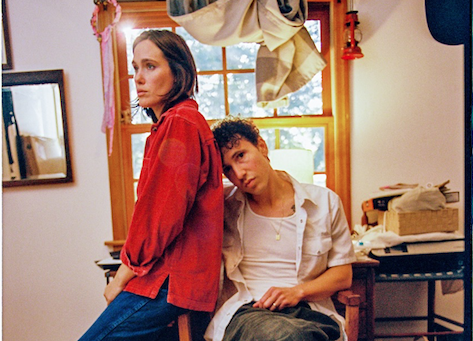
Ghost Prom On the Making Of “5am”
What was the creative process like for this particular "5am?"
Ghost Prom (Cameron Crosby, songwriter/vocalist): This is a song I had been working on for years but never seemed to fit together quite right. I was going to Aaron Mones's (our guitar player, and producer) studio to record that day and in the morning I was panicking because it still didn't feel right. I got frustrated with myself and I think threw my phone into the woods in our backyard. Sometimes I can behave really childishly and have a habit of promising people that I would change but it never stuck until a few years ago. While looking for my phone the chorus just popped into my head out of nowhere and I ran back inside and wrote it down and went to record it probably 15 minutes later.
Can you talk about the recording and production process for "5am?"
Aaron lives on the same street as me and his studio is down below their house so not only is it a convenience, it's nice to be able to collaborate with someone you respect and have a deep friendship with. I think it was the fourth or fifth song that Aaron and I had recorded together. At one time it was a slower song but the new chorus made me pick up the tempo and the opening riff Aaron plays injected a little more energy into it and it was finished pretty quickly, maybe a day or two. I remember him being more excited by this one more than any other song.
What did you enjoy most about making "5am?"
It taught me to give up trying to force anything, to just say what I mean, and not try to censor myself or my feelings. It was an important moment for how I want to write songs in the future. I was so obsessed with being intentional with every thought or feeling and I think I lost some of the initial creative spark that you can't recreate, I think the way this song progressed brought me back to that. With all this being said, I think the thing I enjoyed most about making this song was sitting on Aaron's couch with my dog's head in my lap watching Eden does vocals for the song.
What inspired you to pursue a career in music?
I don't think of music as a career. I do it because I have to. It's the best way to express myself without having to rely on anything or anyone. If I don't get all the crazy shit in my head out onto a page, it's stuck in my head and that's not good for me or anyone else in my life. It makes me feel good knowing that even if I had to bang a hammer 8 hours a day, I could still do music no matter what. A friend of mine who has a 5-year-old told me that his daughter had made a painting, and he said to her, "Wow that's really beautiful, maybe when you grow up you'll be a painter." She responded, "But I already am a painter because I made this painting."
Are there any specific themes or messages that you aim to convey through your music?
That no matter how hard things seem in the moment, it'll pass. Nothing lasts forever. Reach out to people if you need help. I don't know if there's anything harder for me than to ask for help but when I have in the past, it's saved my life. That's most important and I think a theme of our new record. You can even reach out to me if you want at our email - it's ghostpromband@gmail.com.
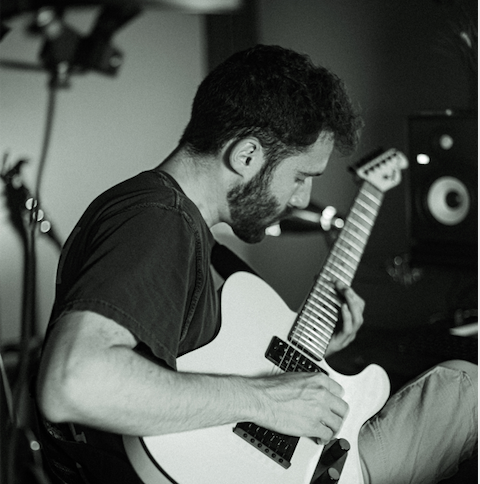
Levi On the Making Of “Common Sense”
Can you share any interesting or unique musical elements or production techniques used in "Common Sense?"
“Common Sense” has nice guitar stacks but what takes the cake on the production, at least for me, are the background vocals right before the chorus. So there are basically 6 takes of my spread to the left and right sides with a nice lush reverb. To me, it sounds amazing and marks that separation between verse and chorus.
Were there any challenges or breakthrough moments during the songwriting process for "Common Sense?"
Oh definitely! It took me a while to finish the song because I couldn't write a chorus section to it. I had all the elements of my verses down but was looking for something to follow it up that would make an impression. I was at the studio trying out different parts. I'd been at it for hours and suddenly it hit me. I thought of Weezer's "Say it ain't so" and it became my inspiration for the chorus.
What has been one of your favorite memories along the path to making "Common Sense?"
Has to be that breakthrough moment of finding the chorus.
How do you continuously grow and evolve as an artist?
Hard to say. I grow by making more music every year I'd say. The more I make, the better I get practically. Being proficient at using the tools of music production is a huge part of making music. But there's also a part of it that is luck in a sort of way. I believe artists make their best art when they have something to say. For this song and my upcoming album, I had something to say so I got lucky there but who knows when that'll happen next. Could be years or days... who knows.
How do you approach creating something new and different?
I try my best to make something I like and not something that I think will please other people's ears. That's how I know I'm being genuine in my music and my sound. Certain sounds or stacks of instruments hit just right for me so I try as best I can to find those combinations and bring them to fruition. Something that's helped me a lot to make different songs is taking breaks and changing the environment where I create. Could be getting a different studio or simply redecorating the room. Helps to get a different creative energy. Also, I try to keep that almost childlike curiosity when writing. Like "ohh what if I do this?" or "what happens if I stack these there and switch the instruments later on???". That's what makes it fun. There are so many possibilities in music, you just have to explore them.
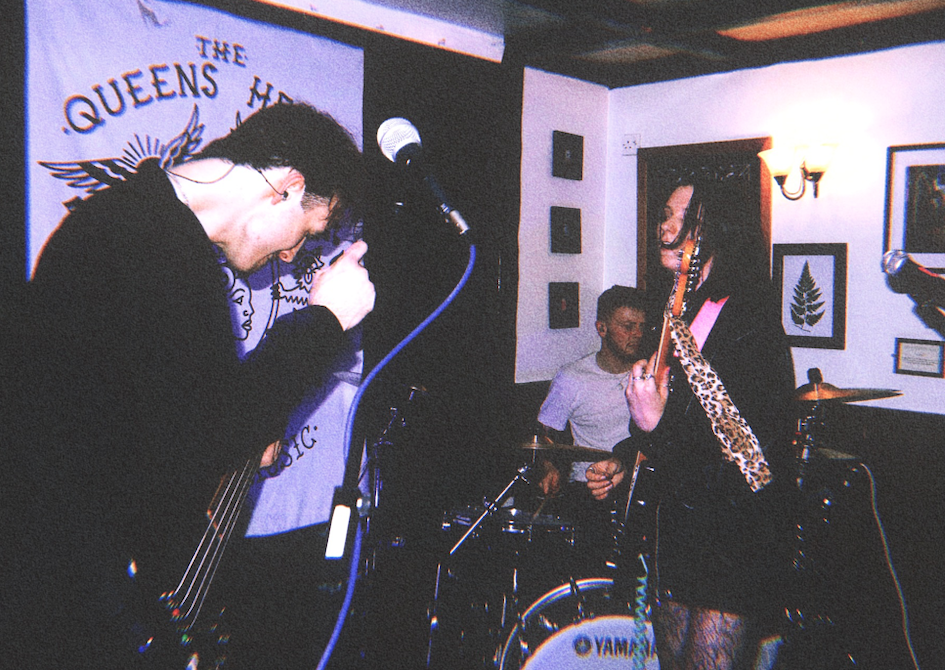
Lilac On the Making of “Touch”
What was the initial spark or idea that led to the creation of "Touch?" Were there any challenges or breakthrough moments during the songwriting process for "Touch?"
It was written during the first COVID lockdown. I'd (Beth - lead singer) just started writing music again after my previous band had split the previous year. I had already written It's Illusional which I had sent over to Lewis to work on with the production side of things and he seemed to get the sort of vibe I was going for with this new stuff. “Touch” was written in a classic 'Beth' fashion where I find some chords that go together, add some lyrics to the chords for a verse, and then get stuck with where to go for a chorus. I remember getting stuck for the words in the chorus but Lewis came up with 'you always crave my touch' which just worked and then the rest came to me. I can't say the lyrics were anything particularly meaningful to me but I think they come across as powerful. I think the major challenge when writing this song was the fact that me and lewis weren't even in the same town. It all had to be done remotely.
Were there any memorable or standout moments during the recording sessions for this single?
This was our first track recorded in a studio. Me and Lewis spent the day in Liverpool at the Motor Museum with Ben Harper which was such a cool experience! Ben had worked on The Mysterine's tracks and that gritty guitar sound that you hear in their music was exactly what I wanted for this song. The last chorus of this song reflects that gritty distorted sound that we wanted to achieve. “Touch” is a darker floral indie tune with an atmospheric verse and a gritty anthemic chorus which suits the song that has more anger and lust than previous Lilac releases. It features one of Lilac’s most iconic ‘in your face’ guitar solos! Fun fact about the guitar solo - the solo you hear in the track is the original demo guitar solo that Lewis recorded very early on. He's never quite been able to replicate it to sound exactly this way so we decided to keep it in.
What inspired you to pursue a career in music?
I've written music since I was about 10 years old. Music was always going to be something that I dedicated my life to. I am at my happiest when I am surrounded by music. With Lilac, something within the music feels right. I think we've created almost a mini subculture of floral indie and we aspire to share this with the world.
What do you enjoy most about performing live and connecting with your audience?
Playing live is the best part of being in a band. Nothing brings me more happiness than being on stage in my own little rockstar bubble. I've spent my life watching live music and going to see my favourite bands no matter how big or small they are and that connection that I have with all my favourite bands is something I can only hope that one day people will have with us.

Firebird Union On the Making Of ‘Higher Ground’
What was the creative process like for this particular ‘Higher Ground?’
Matt: Usually I’d have an idea start from putting chords or a riff together on a guitar, so it was different to how I’d typically write. Ross had the demo lying around and said “Do you fancy doing something with this” so I started working out lyrics and a melody. We went back and forth on those and the structure of the track, and we kind of panel-beat it into shape.
Ross: Yeah, it was a true collaboration. Often we’d individually write a full song and present it to the other, but this time we both kept piling on smaller ideas until we had something that worked as a whole.
What was the initial spark or idea that led to the creation of ‘Higher Ground?’
Ross: I had this demo knocking around, largely just the drums and bass that I didn’t know what to do with. Pretty much on a whim, I sent it to Matt to see if he could write a topline. He came back super quick, which was amazing considering there isn’t the usual chord-based backing to latch a melody onto.
Matt: Lyrically, halfway through the track there’s this little melody that repeats and I had this line ‘we could move to higher ground’ that fitted it. It was interesting to explore what that meant and it ended up leading to a reflection on the climate crisis, rising sea levels, and how we’re basically torturing nature even though we’re a part of it.
What has been one of your favorite memories along the path to making this single?
Matt: The first time we realised we had a song on our hands that was unlike anything we’d written together before was quite a provocative moment. It was a bit of an epiphany in terms of thinking we don’t need to approach songwriting in a typical fashion.
Ross: Realising we could do something stylistically different that still fits into our sound world. It opened up the door for a lot of the things that are to come. Most people know us as guitar-based songwriters, so it’s nice to challenge those assumptions.
What do you find most rewarding about co-writing with others?
Ross: It’s nice to be able to elevate someone else’s ideas, and have them knock you down a peg if what you’re doing isn’t up to scratch. Also, it halves the workload!
Matt: It’s always good to be creatively challenged, and when the other side of the equation is your brother, it means you have to up your game!
Do you have any memorable on-stage moments or performances that stand out to you?
Matt: Probably our last gig in our previous band. We’d sold out the Fly in London, and halfway through the set one of our amps blew out and one of the sound techs had to come on stage and repair it. When we were younger, we’d have freaked out and it would have totally thrown off the set, but we just carried on as normal, the amp was back up and we continued. We’d gigged loads so nothing fazed us at that point. That moment was where I felt we’d hit a real maturity in live performance but also as a team.
Ross: I’d always enjoy Matt’s comedy routines while he tuned his guitar. Or when he tried to count-in in Spanish, only to realise he didn’t know the Spanish word for ‘Four’.
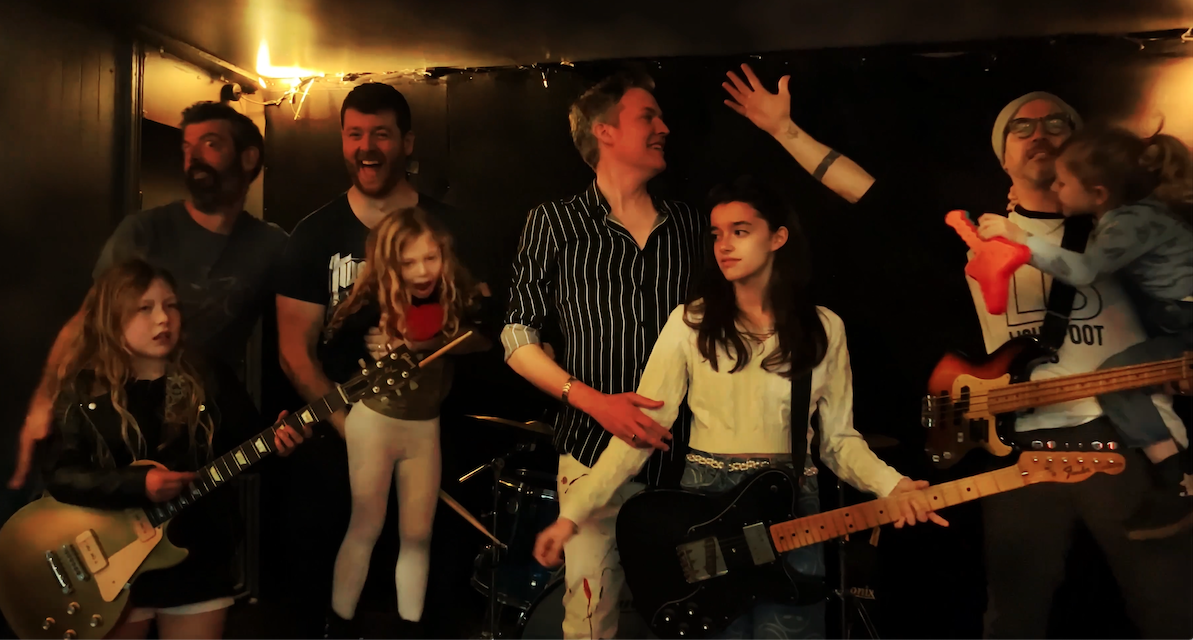
The Fades On the Making Of “Small Again”
Can you tell us about the inspiration behind "Small Again" and the story it tells?
It's a song about not wanting to grow up. Wanting to live your life again. Back when you were small and everything seemed to be easier and it felt like you had all the time in the world.
I was inspired to write the song after hearing a particular track from my youth on the radio and I was instantly transported back to a time and place. It made me think about how many songs can do that to you and how as you get older there will be so many more songs that have that effect.
Were there any memorable or standout moments during the recording sessions for "Small Again?"
I had written the song on my acoustic guitar and brought it into the band to flesh out. We all really loved the song, so we wanted to get in the studio and record it pretty quickly, so we were sort of still finishing it as we were recording. Stephen Gilchrist produced it with us at Brixton Hill Studios and he made a few suggestions to really help get the right feel to the track. I wanted it to have that sort of nostalgic 'slacker rock' vibe to it and I think that comes across
What did you enjoy most about making this track?
We recorded “Small Again” and the last single 'Off the Record' in the same session and it's great to be able to hear the two sides of The Fades. On one hand, you have the manic, ferocious, and weird side with 'Off the Record', and then you get the more introspective and poetic side with “Small Again.” The two sides of the Fades coin.
How did your band members initially come together?
James and I are brothers, so we've been listening to and writing music together since we were kids. Jonny went to the same school as us and we've been mates since we were very young too. Flash we met later on through work and hit it off immediately, we're all so close and you can see that come across when we play live. I think that's why “Small Again” is so poignant for us, as it is even relevant to our time as the Fades. We've been playing together for so long now, we can even get reflective about that.
What do you enjoy most about performing live and connecting with your audience?
It’s always amazing to see how songs are received and every time you play live it is different. The venue, the crowd, the feel of the band – it means that even though you’ve played the same song hundreds of times, it feels brand new. It’s amazing to get the positive energy back from the audience.
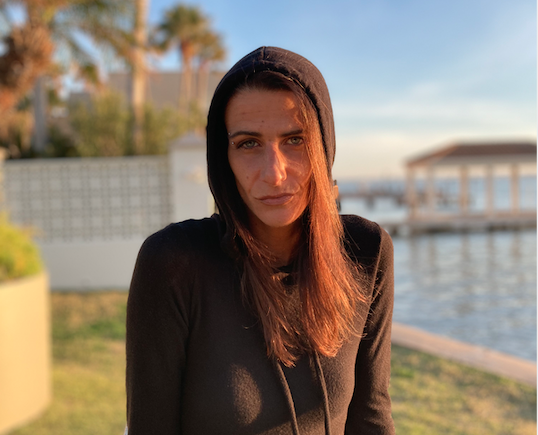
No Thanks, Man On the Making Of "Inside Out There"
What was the creative process like for this particular "Inside Out There?"
This song first revealed itself to me as the melody and lyrics of the chorus. I like to sing at night and just let it flow — whatever comes out, comes out. One night, I just sang the chorus in full and I found it kind of catchy so I kept on singing it, not sure what else was to come.
At the time, I was experimenting with metal drums in the mornings, the part of the day when I like to play music freely with no real intention. The richness of sound was very deep, and I couldn't get enough of these metal drums.
The overtones were sort of dictating where to go and as the music started to take shape, I discovered that the chorus I had been singing at night time fit perfectly over what I had been playing in the morning…which is why the heart and soul of this song is really in the metal drums.
Have you noticed any particular interpretations or connections that listeners have made with "Inside Out There?"
I've been surprised by how many people find this song relaxing or calming because to me it will always be a little sad - this woman, stuck trying to break free, trying to be seen… but then I realized that there is an inherent calm that comes when you accept the isolation, even if it's an acquiescence of sorts.
One person even found it to be tropical, which ironically enough is where I was longing to go. When listeners share their experiences, you realize how all the details and complexities that were hanging in the background inevitably shine through.
So to me, it might be sad thinking back, staring out the window in the cold, harsh winter, and wanting more for my life… but I realized there was also a sense of calm that went along with that isolation...and the calm that was necessary to eventually make the right changes in my life.
What has been one of your favorite memories along the path to making this track?
During the mixing phase, I got really into spatial imaging, and I had been telling me a friend of mine about it who is a percussionist from Brasil and a staple in the Washington DC music scene. I was geeking out over the whole idea of putting instruments in certain places, so that it would create a soundscape and create dynamics beyond just what was written on the page.
So one night I finally had the opportunity to play an early mix for him and I decided to get out my good headphones and pressed play on “Inside Out There”. I couldn't hear anything of course but I saw in his face the different parts of the song, and after it was over, he looked at me with eyes wide open and just said “More, more. How can I hear more?” It meant a lot to have his respect and I knew at that point I was definitely on the right track. So I really dug into that concept while I produced the final version.
Can you share a bit about your musical background and the journey that led you to where you are today?
While studying music theory and composition in college, I had the opportunity to play many percussion instruments, but I especially loved the marimba. I was so taken by the sound I would play for hours…there was just a special love, a special reverberation I felt from the instrument.
Although I always loved the marimba and that never left me, I don't think No Thanks, Man would exist today if it weren't for my work as a lead sound engineer at the Percussive Arts Society International Convention (PASIC). Experiencing world percussion again, I deepened my understanding of how percussive overtones can create a feeling otherwise lost with standard instruments.
By working so closely with percussion ensembles, I also began to understand the spatial imaging they used on stage to create more complex arrangements, as well as the emphasis on dynamics. The mix was always very important to the performance because of how much effort was spent creating the right dynamic and careful attention to the staging and spatial image — it is almost something sacred within every piece.
I just felt like I had a unique perspective with all of these different influences and my music exists because of the rich musical tapestry I was exposed to and my underlying love of a well-written pop song.
How do you balance crafting relatable stories with maintaining your unique voice as a songwriter?
I think of my songs as experiences as opposed to stories. I feel that as long as I stay true to that experience, and to the song itself, then there's a natural balance between creating something relatable and maintaining my unique voice.
At the core of it, we are all quietly suffering in our own way, and through compassion and love, we are able to find a little bit of joy to share with each other… We really are all one, so it is in being true to your unique voice that you actually create something relatable.
Ari Joshua Releases “Help On the Way”
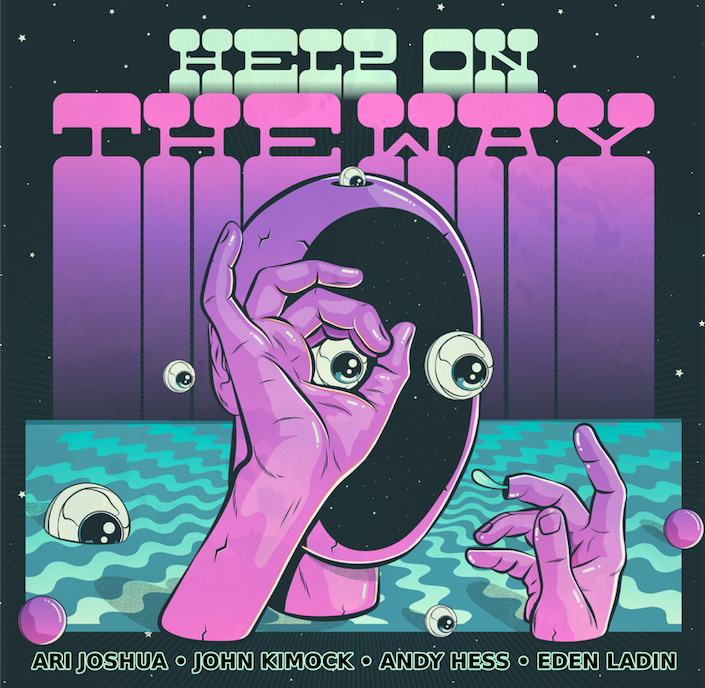
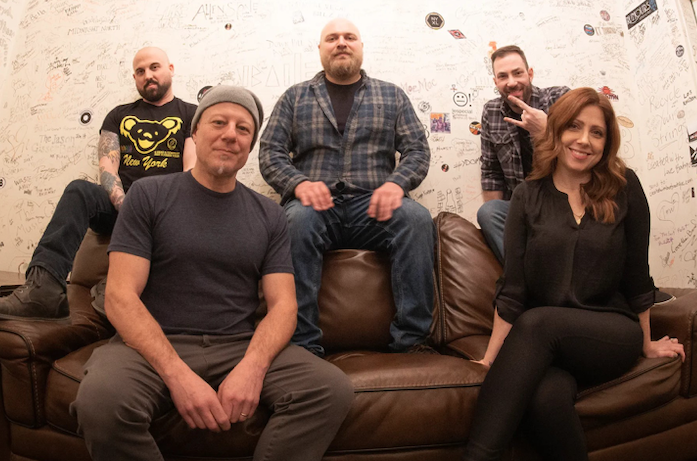
"Help on the Way" - Ari Joshua opens up the psychedelic vault, revealing an all-star version of the Garcia/Hunter classic “Help on the Way,” pairing poetry and form with Kimock, Hess, & Ladin.
Ari Joshua's forthcoming compilation of music includes a bountiful cast of incredible talent, about half dozen original compositions, and a pair of heady tributes honoring the legendary partnership between Jerry Garcia and Robert Hunter. “Help On the Way”, the latest to be shared, sparks light featuring a celestial musical cast including drummer John Kimock, bassist Andy Hess, and keyboardist Eden Ladin. Ari Joshua led the band as vocalist, guitarist, and producer.
From the expansive first notes of a psychedelic intro, ever-present is the feel of the live ensemble in the room, and then enters the vocal:
"Paradise awaits on the crest of a wave, her angels in flame...”
The warmth of Eden Ladin’s analog keyboards meld with Joshua’s lyrical guitar as their improvisations build into billowy waves full of melodic colors and texture. This is a special band — Ladin is emerging as a leading jazz pianist on the East Coast. On the low end, Hess, a favorite among NY musicians, effortlessly weaves in and around the deep pocket of Kimock’s signature drum groove. If you have seen bass legends Mike Gordon (Phish) and Otiel Burbridge (Dead and Co) on their recent tours, then you have witnessed John’s drumming live. Ari has been turning stones into mountains with a steady flurry of releases as his collaborative spirit continues to bloom.
Ari Joshua paints a picture of how musical happenstance changed his life at about ten years old: “On the way to summer camp, an older kid with a battery-powered boombox had the cardboard double-disc version of One from the Vault, it must have made an impression, I bought the cassette and CD both. I felt a connection to the muses, the angels, & the cosmic forces, all perfectly reflected into poetry and melody. Later, I saw the original band play “Help” with Garcia. It's a beautiful song. It's a masterpiece. I am grateful to be able to team up with this incredible cast to share this recording."
Faded Rose On the Making Of "In the First Place"
What was the creative process like for this particular "In the First Place?"
Like most of my songs, I started with a storyline, wrote the riff on acoustic guitar, and developed lyrics and melody from there. Once the rest of the band got involved, it took on a life of its own. We like it to happen organically.
What was the initial spark or idea that led to the creation of "In the First Place?"
The whole concept behind the song is to not take things too seriously when it comes to love and relationships. Sometimes the thing you need most comes when you least expect it, and if it doesn't, you'll still be ok.
How does "In the First Place" fit into your overall artistic vision and what can listeners expect from you in the future?
The first EP was really more a of breakup record than anything else. We want this record to showcase a lighter side and introduce different sounds. We felt that "In the First Place" was the perfect opportunity to do so. This upcoming album has a lot of different elements we didn't use before and we're pretty excited about it.
How did your band members initially come together?
It started with me and Tom playing acoustically. When we were ready to record the first EP, I wanted to make sure we had the right lead guitarist for our song Sober. A friend of mine mentioned her brother, Charlie, who I remembered from high school as a very talented guitarist, and reached out. We were fortunate enough to have him play on the first EP, he became a great friend and has been with us ever since. He plays the lead guitar, keys, and any instrument we throw at him. Gary came to us through Craigslist. Our previous drummer actually saw the ad and called him in for a rehearsal. He's an amazing bassist and hands down one of the most chill guys you will ever meet. Pete, our drummer, was the last to join us. He was recommended by another musician friend of mine and ended up being the perfect fit. We all love Pete and his Djembe. I feel very fortunate to create music with such a great group of guys.
Where do you find inspiration for your songs or musical ideas?
Once in a while, I will come up with an intentional concept for a song, but most of the time, the songs just come to me - usually when I'm in the shower.
Moving Van Releases “Popcorn”
Are there any other interesting or amusing happenings – no matter how small – that the band has been involved with that would be of interest to those who like your music?
So we'd played some cover-based bar and restaurant gigs in 2021, but our first ticketed show was at Brick And Mortar in SF in February 2022, which was also where we first performed Popcorn. Leah, the girl Miranda wrote the song about, was there, and when Miranda name-dropped her in the first verse, she screamed really loudly, audible on the recording of the show. Ian did not hear this because he was too on the piano to notice, and it was only after the show was over and Miranda relayed this to him that he even realized that 1. the song was about a lesbian relationship 2. Miranda was bi. They had known each other and worked together for over two years at this point. Ian is not the brightest. Also, for a while, our cover sets featured an instrumental jam tune called "Fender '50s Made In Mexico Surf Green Stratocaster," named after Josh's weapon of choice at the time.
Where was the single/EP/album recorded and who was involved in its production?
Popcorn, along with a couple of other as-yet-unreleased tunes, was recorded at the studio on the CCSF campus on August 6, 2022, by Dana Rae Labrecque and her assistant Cash (actual name, not referring to money). It was then mixed by Dalton Ricks and mastered by Gary Hobish.
How and where did you get together?
We got started as an informal jam group in August of 2019 when Liam moved to San Francisco and wanted to play music with people. It turned out that the group of Liam, Ian, Josh, and Lars had some real musical chemistry, and so we decided to start writing originals and playing gigs, whereupon we ran into the small problem that the world shut down due to Covid. But then when things started happening again, we ran into the second small problem that none of the guys were more than passable singers, or lyricists. That was when Ian recruited his music school coworker Miranda to sing and write lyrics, and that was when Moving Van really found its sound.
Who are the band members and what do they play?
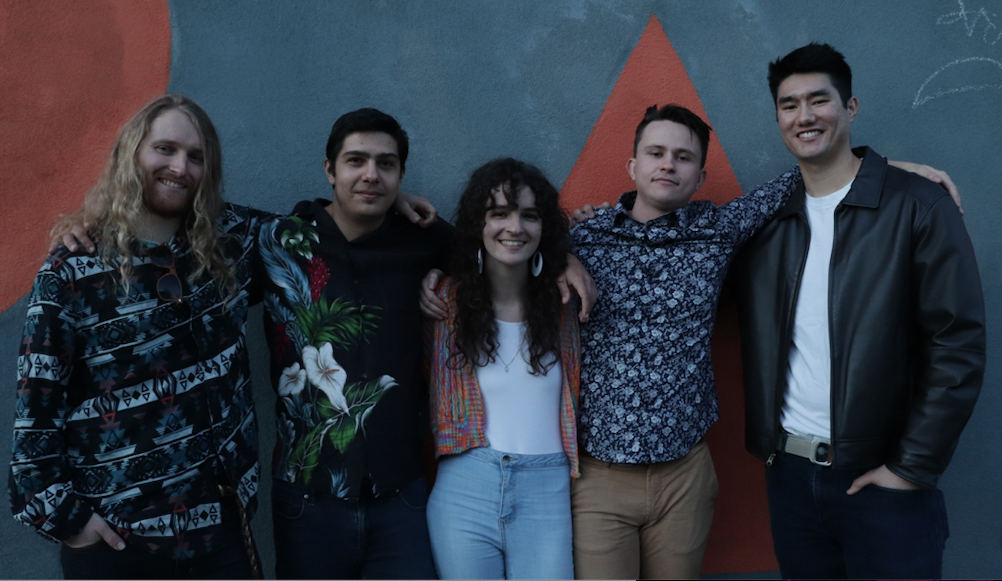
Miranda Shakes - vocals Ian Carlton - keys Josh Clouse - guitar Lars Aquinonez - bass Liam McKay - drums
Big No No Releases “Hold Your Horses”
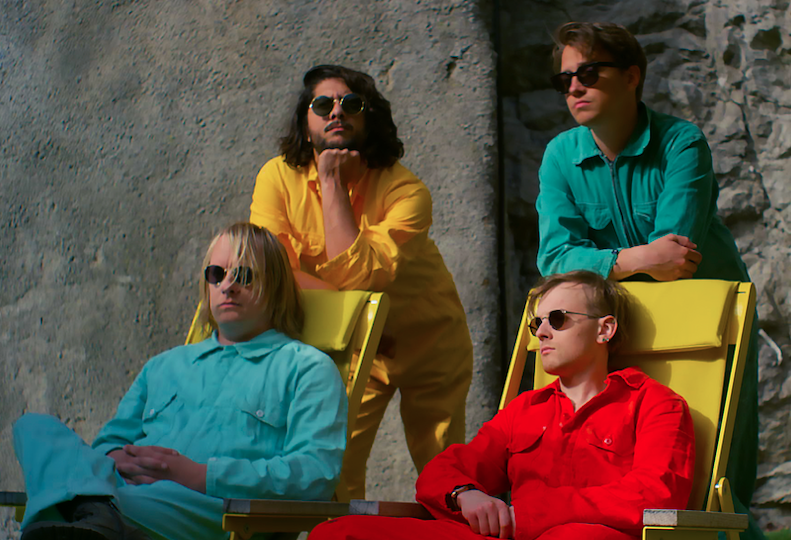
You cannot step into the same river twice. After exploring '90s indie rock and skewed kraut monotony on their self-titled debut album 2022, Stockholm-based quartet Big No No return with a lighter, more sprawling, and diverse sound.
"Hold Your Horses" - the colorful first single from a forthcoming album - smells as much of American guitar noise as it does of late '70s ironic power pop. The loops whiz by and the falsetto choruses surprise. Matthew McConaughey may have thought he had achieved all his dreams when he won an Oscar in 2014, but it was almost 10 years before he suddenly appeared in 'Hold Your Horses'. It's never too late to reach higher. Makes you think.
Just like on their debut, Big No No has recorded live in the classic INGRID studio in Stockholm, with Christoffer Zakrisson (Viagra Boys, etc) as producer, which gives the organically honest sound. This is music played together - in one room. During the fall, a series of singles will be released, leading to an album in the spring of 2024.
PAGES. Release Roof-Lifting Single “BLACK AND BLUE”
Staff Pick
Photo credit: Jack Jamieson
Evocative, addictive, and explosive, PAGES. walks between the delicate line of rock and pop. Produced by Joseph Schmidts,“Black and Blue” explores an immersive, fuller sound that compresses the lit energy of rock n roll with the luscious, entrancing soundscapes of pop. Intricate yet intensified build-up pushes the track towards each sonic high, “Black and Blue” tackles obsessions and consequences of the night in a sonic dangerously haunting manner.
“Black and Blue” has an attitude that really grows on you from the very first sound of their swooping riff. The backing vocal adds a layer of sensitivity into their sound, where the lead vocal has a devil-may-dare sort of feel. Rhythm guitar paves an intensified, past-paced soundscape underneath the heating soundscapes.
Formed in 2019, PAGES. is a Scottish pop-rock 3-piece band. After nearly 18 months of hiatus due to the pandemic, the band is back with their highly anticipated sophomore release, “Black and Blue” taking another step forward into realizing their unique creative vision.

SINGLE REVIEW: BAILEY TOMKINSON “WHEN THE LIGHTS WENT OUT”
Discovery
Photo credit: Edek Goralski
Kernowfornia refers to a west coast UK sound — the wonderful brewing of the ocean, the sun, surfing, and rock n roll in a live setting. Taking on a chill, rocker, fuller trip following where the heart desires the most, Bailey Tomkinson brings forth a vibrant, organic single “When The Lights Went Out,” from her upcoming EP slotted for a 2022 release.
Beaming the warm, cool, nostalgic light of the sinking sun, “When The Lights Went Out” is where Americana, folk, and rock n roll meets the UK coastline. The song has a subtle melancholy tugged into its undertone. Narrating around the one-sided love situation, the alchemy works almost in a mysterious way:
“A lot of people have had that experience where you’re messaging somebody, thinking it’s going well, only to find he’s talking to 3 other girls at the same time so I hope it will resonate with people’s own personal experiences,” said Tomkinson.
When it comes to her own design “Kernowfornia” sound, the artist commented the way it reflected her musical root — “There are elements of Springsteen, Sam Fender, and Weezer, and also of my environment too, that’s the Kernowfornia sound. Sort of like a sun and surf filter on my musical influences.”