
Ziad Hisham On the Making Of ‘On A Personal Level’
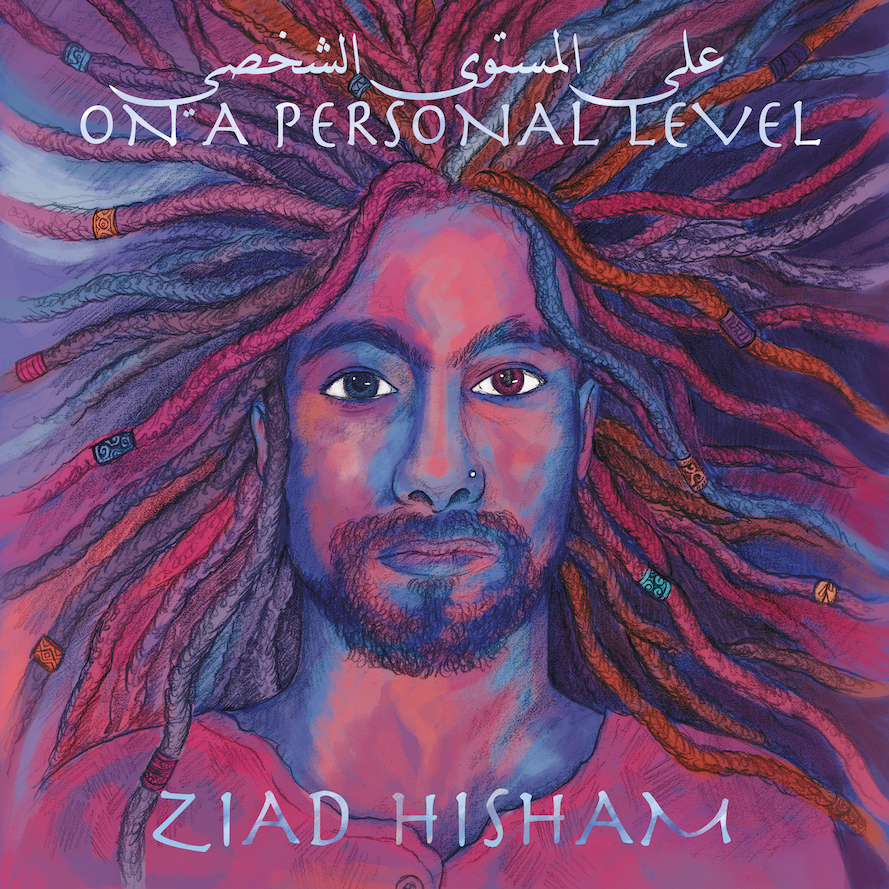
How does 'On A Personal Level' reflect your musical journey and growth as an artist?
For me, the EP is a significant documentation of the relationships I cherished during my time in Cairo before relocating to London. All the collaborators on this project are dear friends of mine, and having them contribute to the EP was a beautiful experience. It truly reflects the sound I'm striving to cultivate and evolve—a fusion of Egyptian music with elements of jazz and electronica.
Which song is your personal favorite and why?
Flying Solo is my favorite because it's the first song I've put out where I've really embraced the Egyptian music style I've been working on for a while. So it feels nice to finally share it with the world.
Have you noticed any particular interpretations or connections that listeners have made with 'On A Personal Level?'
The thing I appreciated the most is that the listeners had different favorite songs. This EP has a mix of artists and styles, and each one of these artists has their unique charm. The beauty lies in the fact that every listener resonates with something distinct, whether it's the melodies, the beats, or the lyrics. I'm truly grateful that the EP was able to offer such a wide array of musical tastes, allowing each listener to find something they genuinely appreciate and enjoy.
How do you approach the creative process when working on a new project? What steps do you typically take from start to finish?
I don't really have a specific process when I'm making music; it's more of a random trial-and-error journey until I stumble upon something I like. Typically, I begin on the guitar because it offers me a lot of creative freedom and lets my imagination run wild, especially regarding how the other instruments in the track might complement it. This guitar-centric approach is my usual method for composing.
However, if I'm working on a track composed by another artist and producing it for them, my approach shifts. I usually kick off with drums or percussion to establish a solid groove and then build upon it from there.
Are there any unconventional techniques you've experimented with that led to interesting results?
In most tracks on the EP, I've incorporated an Arabic percussion section that I created by setting up two microphones in the studio. I recorded myself playing various percussion instruments at different spots in the room. This setup allowed me to capture a sense of a genuine percussion section with multiple players. The beauty lies in the subtle variations of acoustics you get when playing from different spots in the room, similar to what you'd hear with multiple musicians playing together in one space.

Tom Minor On the Making Of “It's Easy to Play Hearts”
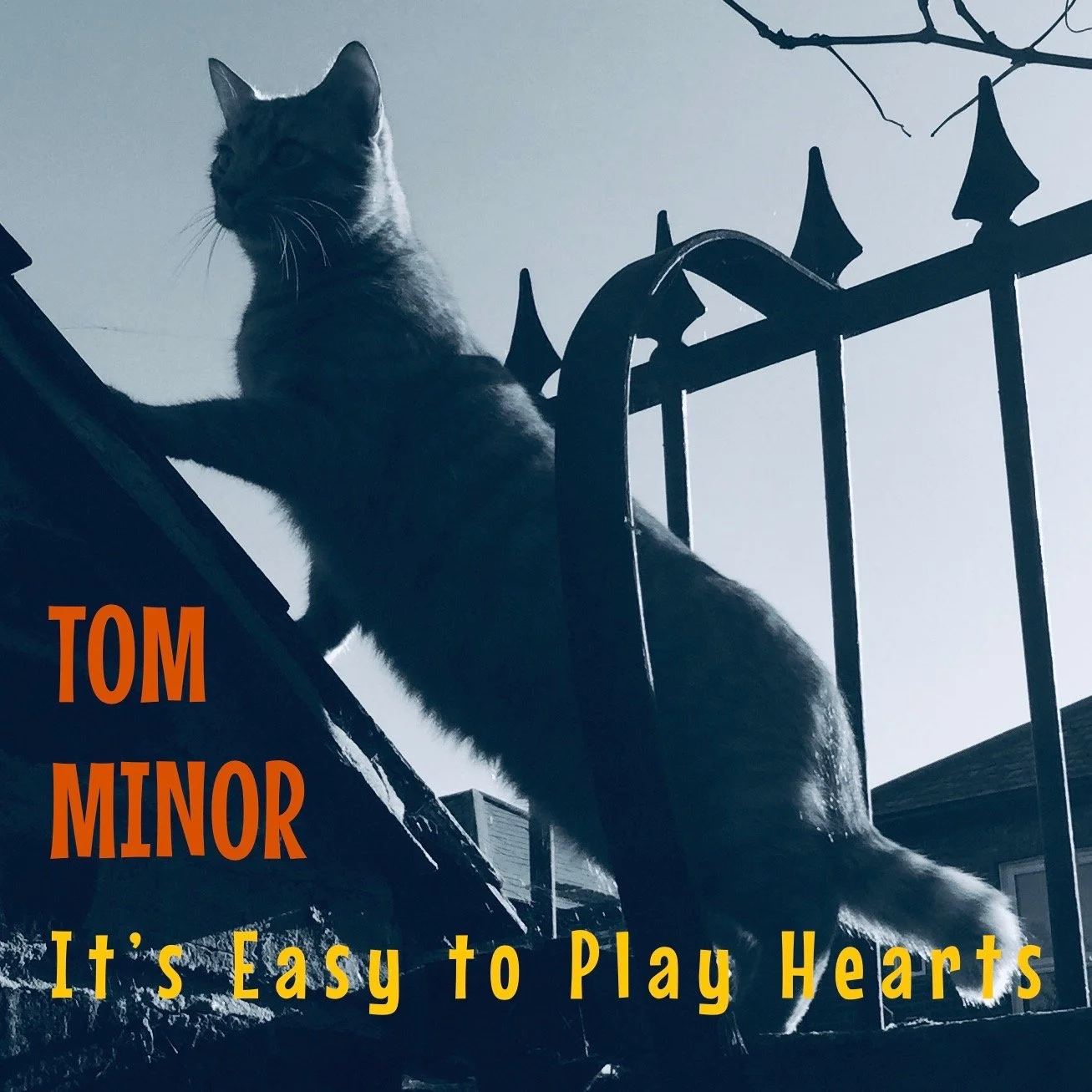
What was the creative process like for this particular "It's Easy to Play Hearts?"
It started with the title, as it often happens to me. I used to come across these instrument guidebooks called "It's easy to play Abba", "... piano", or whatever, and I started to toy with the idea of using that for something more universal from a human perspective. And what's more universal than the matters of the heart?, so there I had it. Someone playing lightly with another person's deepest feelings and creating heartbreak made for an interesting drama angle and a slightly darker tinge, juxtaposed with something being 'easy'. But I also wanted there to be a somewhat hope-inducing ending, like saying "sod it, and sod YOU, you fickle person, I'm out of here for something better!".
Musically, I knew from the beginning that it had to be an energetic uptempo track, in order to create a more uplifting vibe than a traditional 'sob ballad' would do, reflecting the inner contrast in the lyrics.
Can you talk about the recording and production process for "It's Easy to Play Hearts?"
Once I had the music and lyrics down, the arrangement fell into place quite naturally, it kind of wrote itself. I knew I wanted it to sound a bit like a typical early-sixties Motown dance number, and my producer Teaboy Palmer helped a lot in putting it together the way it ended up sounding. So props to him for that!
What has been one of your favorite memories along the path to making this song?
I have this hobby when I'm out walking: if I hear something interesting I bring out my mobile phone and try to record what I hear. And then later on I tend to listen back to what there might be. While producing It's Easy to Play Hearts we discovered this recording I had made outside a tube station. There was a street preacher with a megaphone touting his passionate message, which still to this day I'm not quite sure what it's about, but with a bit of editing it seemed to fit in perfectly with the middle part and ending of this one. I obviously don't know who the guy is, and he has no idea of ending up in my song. My apologies to him for stealing his voice. (My excuse being: I was ambitious and I needed 'the money'!)
How did you get started in music, and what inspired you to become a singer-songwriter?
I was a rock and pop fan from a very early age. I always liked the energy of a good solid rock tune and great pop melodies as well, and I wanted to learn an instrument in order to be able to create similar kind of - more or less organised - noise myself. But I was always greatly into lyrical content as well and appreciated strong lyrics with a bit more meaning than your average top-40 hit usually has. And never being able to master an instrument (in my case guitar and keyboards) well enough to shine solely with my playing, I started leaning more towards trying to write "the perfect three-minute mini-operetta" in the form of meaningful melodies and narratives over and over again. It's Easy to Play Hearts is one of the more recent efforts of mine to achieve exactly that ever-escaping goal.
How do you balance crafting relatable stories with maintaining your unique voice as a songwriter?
I guess it's more than anything a question of finding a subject and a perspective that speaks to you personally first, what you yourself would like to hear in other people's art, and then trying consciously to put it together in such a way that someone else could get something out of it as well. It is undoubtedly a balancing act between reflecting your own personal emotions and creating something relatable to others at the same time. But in the end it's really no use trying to sound like someone else if you want to create something even remotely relevant in this world full of everything already.

Old Man Soul Club On the Making Of “Smiling Boogaloo”
Can you share any interesting or unique stories or perspectives in "Smiling Boogaloo?"
“Smiling Boogaloo” is an antidote to worldwide pessimism. Been too long since someone said, "For fuck sake, put a smile with that, your killing me". From the top to the bottom there is a tone of disapproval, disrespect, and disregard towards the people and we can help that by not giving into it and trying at least to have a grin or three.
You see it in the shops, the bars, the streets, so yeah it's my way of saying don't let the bastards get you down to myself and all on the planet.
Were there any memorable or standout moments during the recording sessions for "Smiling Boogaloo?"
The track was recorded very spur of the moment, I'd written the lyrics on my phone in bed at 4 a.m. that morning so as not to wake the house up. When my wife and kids popped out shopping I just went for it and it was best part done by the time they came back. I love the little guitar slide that I "borrowed" from "The Monkey Speaks His Mind", which gives it a lovely looping groove.
What has been one of your most favorite memories along the path to making this track?
To be honest I wasn't expecting to release it until my wife and daughter nodded me in the right direction. They'd listened to the demo and were bopping to it you know, always a good sign. The feedback so far has been 100 percent from all ages and ilks.
Can you tell us a bit about yourself and how you got started in music?
I'm Steve Hanshaw, I've been involved with numerous band and solo escapades. Old Man Soul Club is my thing, a bubble of mine I can go to and make music as alter egos really I suppose. There's no set agenda or style intended for each song really, I just take the songs to where the song wants to go. I play in an acoustic Folk, Roots, and Blues duo "The Seventh Sons" too, we've just completed the writing of an LP and I also present a Radio show once a month for "Cultural Popcorn" on Radio 614, Columbus, Ohio.
I started playing at age 16, self-taught through years of swearing at the guitar, and jokes, I just kept going, until I sussed it and I'm still learning, I love learning. I always wanted to write songs you know, a writer of songs.
Where do you find inspiration for your songs or musical ideas?
Inspiration comes in many forms and disguises. Ideas come a lot and I have to be careful, you can have so many you don't complete the last ones. I listen to lots of different music due to presenting and researching for the radio show I do. So I guess there's some level of subconscious musings and inspiration, but mostly people give me inspiration. I really enjoy the process and can only explain it as maybe like a jigsaw or crossword puzzle, lots of different words, sounds, and images floating about and if you can get your mind to be still enough it'll all fall into place.

Vinter On the Making Of “Mirror”
What was the creative process like for this particular "Mirror?"
It’s been a long process. “Mirror” has been around in different forms since 2016 and every now and then I would go back and explore the melodies and rhythms in different ways. This involved things like slowing them down, different keys, and time signatures, but generally, the main melody was always played on the guitar. Over the years drums were added as well as other instruments such as marimba, horns, clarinet, and synths.
Were there any challenges or breakthrough moments during the songwriting process for "Mirror?"
Whilst the melodies of the song have been very similar throughout its different incarnations, I wanted to do something a bit different and explore unconventional time signatures. I eventually settled on 6/8 and the song really clicked from this moment onwards. It’s a time signature I really like, especially for a song like “Mirror”. It’s different enough to make you feel melodies in a fresh way without being too jarring.
What did you enjoy most about making "Mirror?"
Recording guitars is always fun because of the instant gratification, but making the music video was another highlight.
Could you share some of your musical influences and how they have shaped your sound?
The influence of minimalist composers such as Steve Reich and Terry Riley is particularly evident in a song like “Mirror”, especially in the repeating interlocking phrases, but also in electronic music like Tangerine Dream, Rival Consoles, and Jazz instrumentalists Portico Quartet who I feel exist in similar musical landscapes.
Are there any upcoming projects or releases that you're particularly excited about?
Absolutely, a couple more singles will be released before the end of the year which use the same instrumental palate as “Mirror” but go in very different directions with singing too. Some soundtrack work I’ve done will be coming out too which is exciting.

Bvrden Releases “Indigo”
“Indigo” is Bvrden’s fifth single, an energetic rock tune that draws inspiration from both early 2000’s alternative/punk rock music and modern rock ’n’ roll, merging powerful instrumental arrangements with uplifting lyrics into a dynamic track that tirelessly grows from beginning to end.
The song is formed by both acoustic and electric instruments, varying from acoustic guitars that lay the melodic structure of the whole to electric guitars and bass that reinforce the explosiveness of the sound, as well as a fast-paced drum’s performance and a tight melodic work between lead vocals and harmonies. Contextually, “Indigo” is about fighting for one’s own purpose and finding the strength to build the desired path, while not being led off course by judgement and fears of others.
BVRDEN ARE A POP/ROCK DUO BASED IN LONDON, UK.
ORIGINALLY BORN IN ROME IN 2020 FROM A LONG-TIME MUSICAL FRIENDSHIP, BVRDEN AIMS TO BLEND PASSIONATE AND DYNAMIC ROCK TUNES WITH HEARTFELT LYRICS, INSPIRED BY SEVERAL GENRES AND INDUCED BY AN ABSOLUTE LOVE FOR SONGWRITING.
BVRDEN PROPOSES AN OUTLOOK ON THE EVERYDAY LIFE’S FEELINGS, JOYS AND ADVERSITIES, PLACING THEMSELVES IN VARIOUS PERSPECTIVES OF STORYTELLING AND DELIVERING BOTH FAST-PACED POWERFUL RHYHMS AND PLEASANT ACOUSTIC MELODIES.

The Fades On the Making Of “Small Again”
Can you tell us about the inspiration behind "Small Again" and the story it tells?
It's a song about not wanting to grow up. Wanting to live your life again. Back when you were small and everything seemed to be easier and it felt like you had all the time in the world.
I was inspired to write the song after hearing a particular track from my youth on the radio and I was instantly transported back to a time and place. It made me think about how many songs can do that to you and how as you get older there will be so many more songs that have that effect.
Were there any memorable or standout moments during the recording sessions for "Small Again?"
I had written the song on my acoustic guitar and brought it into the band to flesh out. We all really loved the song, so we wanted to get in the studio and record it pretty quickly, so we were sort of still finishing it as we were recording. Stephen Gilchrist produced it with us at Brixton Hill Studios and he made a few suggestions to really help get the right feel to the track. I wanted it to have that sort of nostalgic 'slacker rock' vibe to it and I think that comes across
What did you enjoy most about making this track?
We recorded “Small Again” and the last single 'Off the Record' in the same session and it's great to be able to hear the two sides of The Fades. On one hand, you have the manic, ferocious, and weird side with 'Off the Record', and then you get the more introspective and poetic side with “Small Again.” The two sides of the Fades coin.
How did your band members initially come together?
James and I are brothers, so we've been listening to and writing music together since we were kids. Jonny went to the same school as us and we've been mates since we were very young too. Flash we met later on through work and hit it off immediately, we're all so close and you can see that come across when we play live. I think that's why “Small Again” is so poignant for us, as it is even relevant to our time as the Fades. We've been playing together for so long now, we can even get reflective about that.
What do you enjoy most about performing live and connecting with your audience?
It’s always amazing to see how songs are received and every time you play live it is different. The venue, the crowd, the feel of the band – it means that even though you’ve played the same song hundreds of times, it feels brand new. It’s amazing to get the positive energy back from the audience.

Hearing Tests On the Making Of “Patience”
Can you share any interesting or unique stories or perspectives in "Patience?"
Kuba: "Feeling angry, irritated, and hopeless during the pandemic wasn't unique to just us, it was unifying on a global scale, and the way the British government handled it? Well, that certainly gave us something to write about."
What did you enjoy most about making "Patience?"
Kuba: "The most enjoyable part about “Patience” for me is playing it loud and telling the Tories to F*** OFF."
How do you feel "Patience" represents your artistic identity?
Ed: "It does what it says on the tin. Loud, honest, and punky.”
Can you tell us a bit about yourself and how you got started in music?
Kuba: "Me and Ed (drums) were in another band before forming this project together. I used to work in a pub with Rob (bass) and a couple of years later, we met again at a house party where we started talking about him joining on bass. A month later, we all met in the rehearsal room. The band name comes from our studio which has a sign on the door - "Hearing Tests". It's located in a derelict Ear Nose and Throat hospital in Kings Cross, which was used to diagnose and treat patients with hearing loss."
Are there any specific themes or messages that you aim to convey through your music?
Rob: "Just pure energy and saying things as they are."

Fat Cat Affair Releases “Empty Bed”
“This song has a great story to it,” says Fat Cat, “When I was in Camden in London, I lived next to a couple that argued all the time. I could hear them through the walls. Their lives seemed very dramatic and it sounded like they couldn’t fix their differences. Well, I love writing songs about people’s lives so Empty Bed was born.”
“Empty Bed” is a soulful, RnB pop duet featuring the smooth vocal talents of Janet Tabaka and Costie Payne. Mixed by Andrea Lepori (Rolling Stones, U2), the regular Fat Cat crew lay down the groove that leads to a sweet crescendo of voices. The song culminates with a beautiful Nigerian gospel choir pulling at the heartstrings.
Fat Cat is one of those rare felines that everyone wants to work with. A multi-instrumental, multi-genre, funktastical cat-beat monster! Fat Cat loves working with other people and every Fat Cat project has a featured artist.

Dave Mohan Releases “Lightning On Galatea”
“Lightning on Galatea” - a soaring high octane prog/fusion instrumental with sizzling horns, keys/piano pyrotechnics, rip roaring sax leads, a positive blast of fine power drumming (and more!).
Embracing something of the sound world of classic outfits such as Yes, Focus, Sky and the like but at the same time distinctively original.
Dave on keys, an assemblage of other fine international musicians in the mix and some dynamic mastering down at Abbey Road Studios (Simon Gibson). Surefire muso therapy for all who have a taste for old school instrumental high jinks.
Introducing Dave Mohan
Principally a songwriter/composer/lyricist and recording artist rather than a front of stage performer. Whilst formatively from a classical conservatoire background, Dave’s musical outlook has never been confined by genre.
It’s music that blends folk with fusion and on to neo-classical crossover (via jazz, soft rock, soul and more). Sometimes sparse, frequently sumptuously orchestrated, always harmonically inventive and endlessly melodic.

Tally Koren Releases “NOT SATISFIED” – THE REMIXES
“Not Satisfied” is an edgy and sensual track, with the contrast of a vulnerably in the powerful lyrics.
Unapologetic and liberating “Not Satisfied” is an anthem for people to Stop for a moment, take a break from the social and press the like button on yourself.
“NOT SATISFIED” Written by Tally Koren alongside Phil Scales. Remixed by Xander Milne, who is getting strong support from the likes of Tensnake, Cassius, Groove Armada, Todd Edwards.