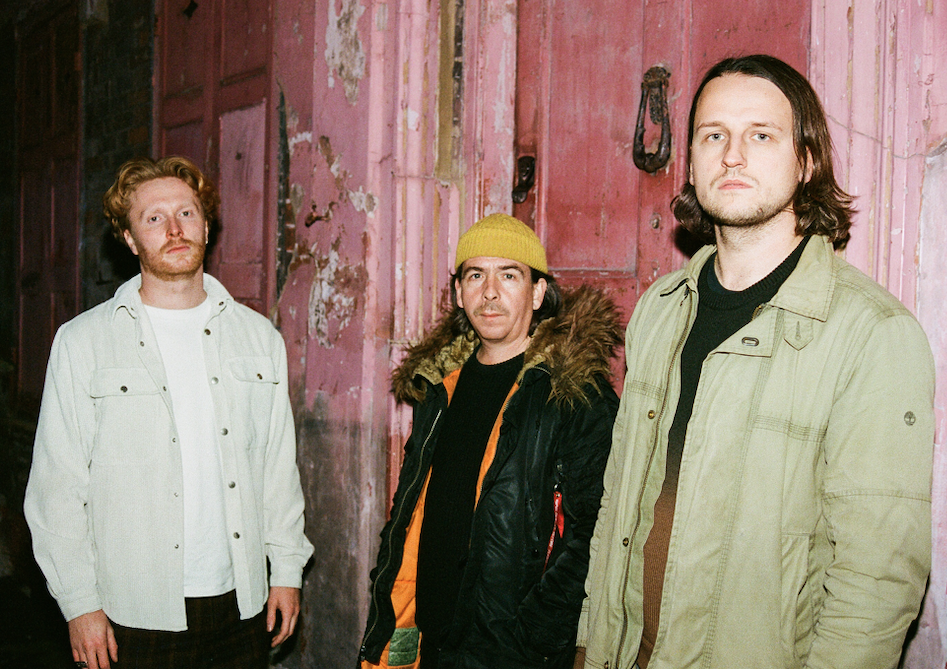
Hearing Tests On the Making Of “Patience”
Can you share any interesting or unique stories or perspectives in "Patience?"
Kuba: "Feeling angry, irritated, and hopeless during the pandemic wasn't unique to just us, it was unifying on a global scale, and the way the British government handled it? Well, that certainly gave us something to write about."
What did you enjoy most about making "Patience?"
Kuba: "The most enjoyable part about “Patience” for me is playing it loud and telling the Tories to F*** OFF."
How do you feel "Patience" represents your artistic identity?
Ed: "It does what it says on the tin. Loud, honest, and punky.”
Can you tell us a bit about yourself and how you got started in music?
Kuba: "Me and Ed (drums) were in another band before forming this project together. I used to work in a pub with Rob (bass) and a couple of years later, we met again at a house party where we started talking about him joining on bass. A month later, we all met in the rehearsal room. The band name comes from our studio which has a sign on the door - "Hearing Tests". It's located in a derelict Ear Nose and Throat hospital in Kings Cross, which was used to diagnose and treat patients with hearing loss."
Are there any specific themes or messages that you aim to convey through your music?
Rob: "Just pure energy and saying things as they are."
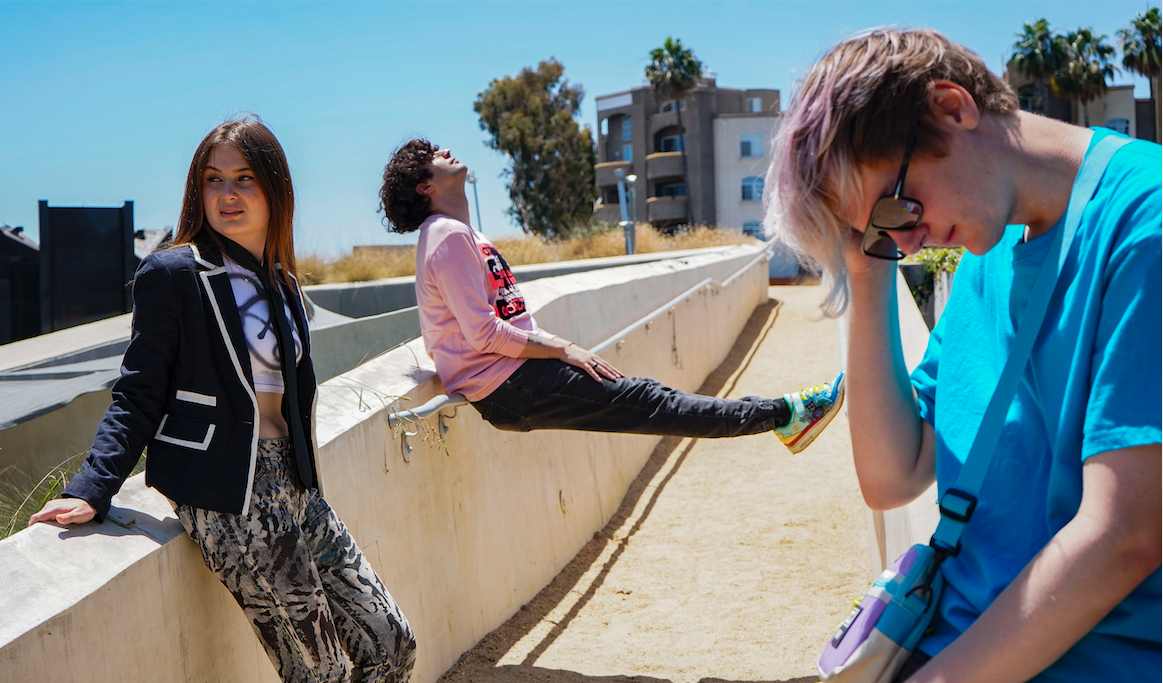
BOSSMACHINE On the Making Of “Choices”
What was the creative process like for this particular "Choices?"
It was our first time hanging out with Jade. We were finishing up a song with her boyfriend Jack, who helped in bringing her onto the project. The four of us talked big picture about the mood we wanted to create. Once Niko and I (Austin) had an overall idea of the direction, we made a beat and a simple chord progression. With the beat playing in the background, we talked about things going on in our lives and started pulling lyrics from the conversation. It’s always cool when you work with people on the same wave and a song comes together.
Can you talk about the recording and production process for "Choices?"
We actually ended up using Jade’s demo vocals on the master. I recorded them to Cubase using an SM7b routed through a BAE 1073 and an MC77 compressor. Once we had all of the vocals recorded, Niko and I scrapped the demo beat. From there we turned our attention to sound selection. Finding drum sounds that match the vibe of the song is really important to us. After selecting new sounds, we played along with the vocal tracks; matching the groove in different pockets. Since the song didn’t have a conventional chorus we decided to add a drop. We wanted to stay in-line with the energy of the song, so we gravitated towards an ethereal/lo-fi production using electric bass and granular synthesis. It felt like building an aquarium.
What did you enjoy most about making "Choices?"
It was a lot of fun diving into a new track and making two great friends in the process.
What genres of music do you primarily focus on, and what draws you to those genres?
I (Austin) got my start in music playing in a pop-punk band. Over time my style expanded into alternative/alt-pop. Niko’s taste gravitates more towards trap and R&B. When we started working together we found a unique place that sits between both of our realms.
Collaboration is often crucial in music production. How do you collaborate with artists and other professionals to bring a project to life?
We try to create an environment where everyone is comfortable to express their ideas. Even if the idea doesn’t land, it usually sparks another idea that does. I think that we have gotten really good at playing toward each other's strengths and letting that shine through.

darkmaterial On the Making Of “Lucky Charm”
What was the creative process like for this particular "Lucky Charm?"
The song was written by combining the idea of a large breakdown with repetitive droning sections and the idea of writing a chorus section without lyrics.
The lyrics for the song are written for the perspective of a 'Lucky Charm' to its owner.
I was looking to make something dark but hopeful which the band brought to life in this song.
What did you enjoy most about making "Lucky Charm?"
Lucky Charm was actually the first song we recorded together professionally as a band. The whole experience was amazing. Working with Jack at the Pyramid Studies was an absolute pleasure and discovering the things that we could do in track-by-track recording was fantastic.
How do you feel "Lucky Charm" represents your artistic identity?
The song captures the cosmic horror theme of the band combined with the relatable every day of having a lucky object. Musically it shows the unique dark sound we are building on as a band combining heavy metal, alt-rock, and post-rock elements together. We are particularly pleased with the extended breakdown section of this track and the song is great fun for the whole band to play live!
Where do you find inspiration for your songs or musical ideas?
I find inspiration in the everyday. I have folders of lyric ideas on my phone that I am adding to all the time from the things that I experience in the world around me.
Musically, we're drawing from a wide variety of inspirations. Some of the strongest are in the guitar-driven heavy metal power of Black Sabbath and Iron Maiden, as well as from atmospheric post-rock. We also have a big influence from riff-rock and alt-rock. Bands like Muse and BMTH are big influences on the sound.
Lyrically I always look to Simon and Garfunkel, Alex Turner, and Dio as major influences. They all have a particular power in bringing the everyday to life which is something that I try to capture in my lyrics as well.
Can you share a valuable lesson or piece of advice that you have learned along your musical journey?
There are two:
Practice, practice, practice
Always be promoting
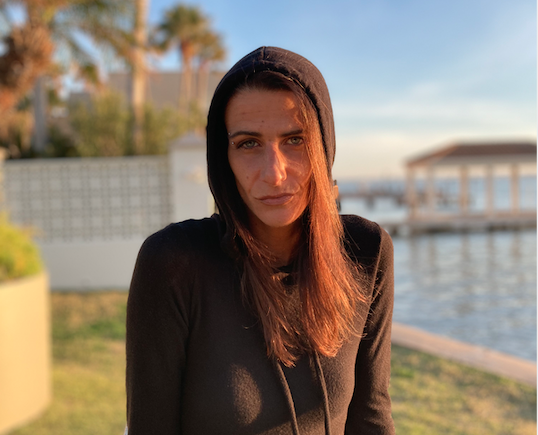
No Thanks, Man On the Making Of "Inside Out There"
What was the creative process like for this particular "Inside Out There?"
This song first revealed itself to me as the melody and lyrics of the chorus. I like to sing at night and just let it flow — whatever comes out, comes out. One night, I just sang the chorus in full and I found it kind of catchy so I kept on singing it, not sure what else was to come.
At the time, I was experimenting with metal drums in the mornings, the part of the day when I like to play music freely with no real intention. The richness of sound was very deep, and I couldn't get enough of these metal drums.
The overtones were sort of dictating where to go and as the music started to take shape, I discovered that the chorus I had been singing at night time fit perfectly over what I had been playing in the morning…which is why the heart and soul of this song is really in the metal drums.
Have you noticed any particular interpretations or connections that listeners have made with "Inside Out There?"
I've been surprised by how many people find this song relaxing or calming because to me it will always be a little sad - this woman, stuck trying to break free, trying to be seen… but then I realized that there is an inherent calm that comes when you accept the isolation, even if it's an acquiescence of sorts.
One person even found it to be tropical, which ironically enough is where I was longing to go. When listeners share their experiences, you realize how all the details and complexities that were hanging in the background inevitably shine through.
So to me, it might be sad thinking back, staring out the window in the cold, harsh winter, and wanting more for my life… but I realized there was also a sense of calm that went along with that isolation...and the calm that was necessary to eventually make the right changes in my life.
What has been one of your favorite memories along the path to making this track?
During the mixing phase, I got really into spatial imaging, and I had been telling me a friend of mine about it who is a percussionist from Brasil and a staple in the Washington DC music scene. I was geeking out over the whole idea of putting instruments in certain places, so that it would create a soundscape and create dynamics beyond just what was written on the page.
So one night I finally had the opportunity to play an early mix for him and I decided to get out my good headphones and pressed play on “Inside Out There”. I couldn't hear anything of course but I saw in his face the different parts of the song, and after it was over, he looked at me with eyes wide open and just said “More, more. How can I hear more?” It meant a lot to have his respect and I knew at that point I was definitely on the right track. So I really dug into that concept while I produced the final version.
Can you share a bit about your musical background and the journey that led you to where you are today?
While studying music theory and composition in college, I had the opportunity to play many percussion instruments, but I especially loved the marimba. I was so taken by the sound I would play for hours…there was just a special love, a special reverberation I felt from the instrument.
Although I always loved the marimba and that never left me, I don't think No Thanks, Man would exist today if it weren't for my work as a lead sound engineer at the Percussive Arts Society International Convention (PASIC). Experiencing world percussion again, I deepened my understanding of how percussive overtones can create a feeling otherwise lost with standard instruments.
By working so closely with percussion ensembles, I also began to understand the spatial imaging they used on stage to create more complex arrangements, as well as the emphasis on dynamics. The mix was always very important to the performance because of how much effort was spent creating the right dynamic and careful attention to the staging and spatial image — it is almost something sacred within every piece.
I just felt like I had a unique perspective with all of these different influences and my music exists because of the rich musical tapestry I was exposed to and my underlying love of a well-written pop song.
How do you balance crafting relatable stories with maintaining your unique voice as a songwriter?
I think of my songs as experiences as opposed to stories. I feel that as long as I stay true to that experience, and to the song itself, then there's a natural balance between creating something relatable and maintaining my unique voice.
At the core of it, we are all quietly suffering in our own way, and through compassion and love, we are able to find a little bit of joy to share with each other… We really are all one, so it is in being true to your unique voice that you actually create something relatable.
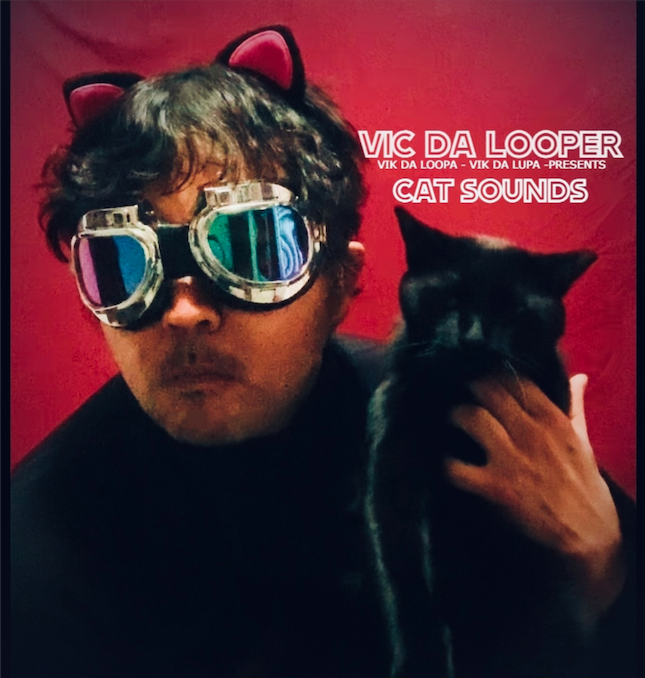
Vic Da Looper On the Making Of ‘Cat Sounds’
Can you share any interesting or unique musical elements or production techniques used in ‘Cat Sounds?’
Well, I usually mix music based on the overall song as a journey. Some have a very standard and uniform technique. I see it more like an art form, so every song is mixed differently based on the strengths of the song. For me, the song is greater than the mix and that’s how I mixed this album
What was the initial spark or idea that led to the creation of ‘Cat Sounds?’
A cat that showed up to my house and ended up moving in. Never saw myself as a cat person till I got to know that Feline. This got me obsessed with Instagram videos and the human-like sounds that cats make. So I made a song revolving around the sound of a cat. Then it became 3 songs and then a full album. That’s when my third album's theme became Cat Sounds and the humanization of Cats. I was really inspired.
What do you like the best about this track?
I like the fact that it almost wrote itself since I revolved everything around the Strange Cat noise. It was the center of everything so ideas easily flowed through. Each part was written in relation to that specific cat sound.
Can you tell us a bit about yourself and how you got started in music?
Well, I was conceived to music and then I was born with a passion for it. My mom said when I was a baby that the only thing that made me stop crying was weird sounds like the ones that came through our vacuum cleaner. As a teen, I picked up the guitar and never stopped since. Now, since then till now, I’ve lived in the middle of writing a song. It’s like constant riddles that I have to solve. Once I solve it, I'm happy and then repeat the process.
How do you approach creating something new and different?
Wow, I can’t do it any other way. Even when I do something that i think is super normal people tell me it’s actually weird and different. My problem is creating something that’s normal. That is actually my challenge.
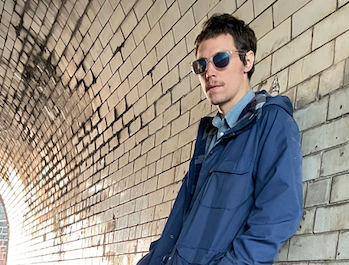
MammaBear On the Making Of “Fever Dream”
What was the creative process like for this particular "Fever Dream?"
I wrote the chords and melody for “Fever Dream” a long time ago and rediscovered the idea by chance, tinkered with it some more, and basically came up with a different song! I was torn between which I liked better so I combined the two- the verse represents the old idea and the chorus the new, same chords, and different melodies. When I toured England last year I played acoustic solo shows as I still didn’t have a band after Covid and I had planned to record my solo set at Abbey Road as a testament to my solo shows during 2022, something like capping off the year and honoring what I had done while planning my next moves. The days we had booked at ARS were at the end of our tour and I had blown out my voice the night before at a party, leaving me unable to record my solo songs in one take as I had panned. I dusted off two songs I was working on and tracked them instead of my solo set-one of them being Fever Dream. I actually didn’t have the final arrangement for the Fever Dream and was sitting in the hallway at ARS writing the middle section and trying to tie it all together literally moments before my session began.
Were there any memorable or standout moments during the recording sessions for "Fever Dream?"
It was a lot of fun to walk into Abbey Road Studios past the famous white gate and the gathered crowds and be ushered into one of the most iconic studios of all time. As for the song itself, I tracked “Fever Dream” a bit differently than I track most songs in a studio. I started with the bass guitar to a click and laid down the arrangement before tracking and doubling the rhythm guitar through a fender twin and a third guitar on a marshal half stack. I recorded the drum on a Ludwig 5-piece set after I was finished with the guitars and then I tracked a very loose vocal take more as a guide for the future rather than the final take. I finished the vocals and extra sounds in Atlanta with my very good friend and mentor, Kristofer Sampson of Sampson Sound.
What do you like the best about this track?
I like the keyboard on the 2nd verse, it’s barely there but adds a spooky, or rather, a comically spooky sound.
Can you tell us a bit about yourself and how you got started in music?
I grew up in a family that loves music more feverishly than most others. My great-grandfather was A&R for RCA for decades helping the likes of Eddie Arnold, Perry Combo, Chet Atkins, Lorne Green, and Elvis Presley. If he believed in you, he worked hard to get you heard. From all accounts, he was a stand-up guy and is in the GA Music Hall of Fame. I never met him. My uncle was a DJ in college and adores music- he makes the coolest mix tapes out of his vast collection of records, they are unique and so much fun to listen to. His son, my cousin Kevin, works for Live Nation and attends more concerts than anyone I know, save for maybe our Uncle Keith who also adores music and turned us onto some of our favorite stuff when we were young. My mother raised me with music- mainly The Beatles. Music always hit me a bit differently than any other art form. I don’t recall when I decided to pursue music exactly, but I also don’t know a time in my life where a musical hook didn’t mean something to me or transport me to a higher place.
What do you enjoy most about performing live and connecting with your audience?
I love playing live- music hits different live and being on stage at the command of an audience is absolutely hypnotic and euphoric. I’ve never minded being on stage and I adore the attention, the more attention and participation the more I give, and vice versa. It’s on me to provide a moment worthy of people’s time and attention, that’s my job as an entertainer. As an artist, I only worry about pleasing myself. I find the live performance aspect to be the time where I can connect human to human, I don’t know who is listening to me online or through one of my records or CDs, so the live moment is for us. I cherish that.
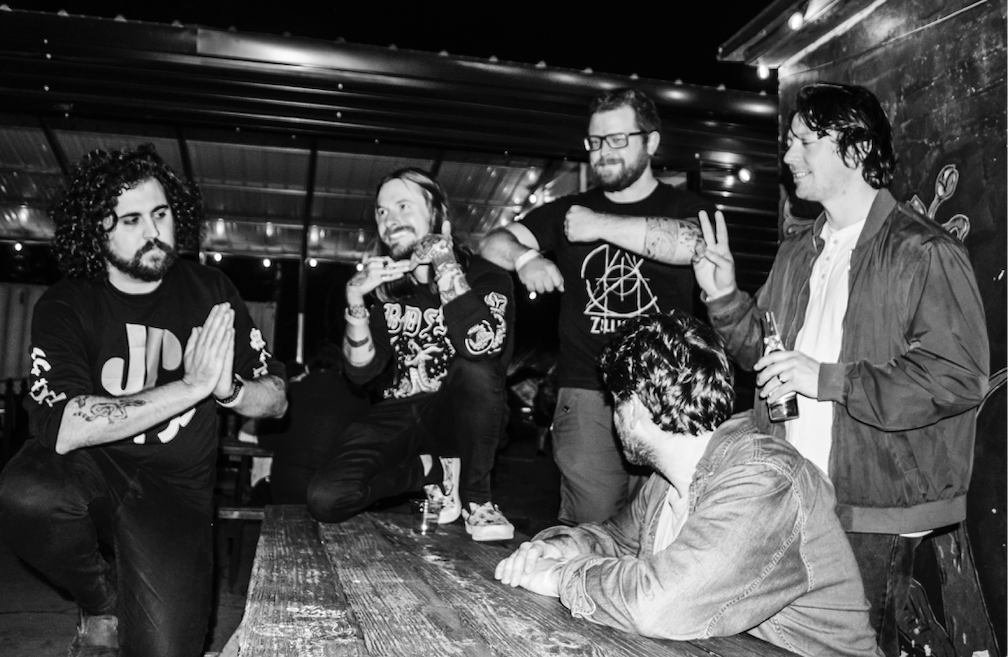
snakesnakewhale. Releases “You'll Get That On These Big Jobs”
Can you briefly describe what the song/each song is about?
“You’ll Get That On These Big Jobs” is about dealing with the impermanence of life. All things change and all we can do is adapt, but this song acknowledges that it isn’t always the easiest thing to do. [Brought on by the death of loved ones, the lyrics flirt with the fear of wasting the time we’re given and realizing everything we know will someday fade.]
Is there a particular ethos behind the single/EP/album or any particular music styles or events that inspired it?
Our band is comprised of a bunch of 30-somethings writing the music we would have loved to listen to as we were growing up. Nostalgia plays a large part in our songwriting and our general feel.
Where was the single/EP/album recorded and who was involved in its production?
This single was recorded at Loc-Level Sound, in Asheville, NC. It was mixed by our good friend Tommy Burns.
How and where did you get together?
We've all played music in Asheville, NC, and got to know each other well. After years of playing shows together, we decided to join forces with our best friends from all different bands to create snakesnakewhale.
What are the band's main influences?
We love a wide variety of mid-west emo, nerdy rock, hard-hitting post-hardcore, and a touch of pop punk.

Freak Orlando On the Making Of ‘UNSOLICITED DEMO’
Can you share any interesting or unique stories or perspectives in ‘UNSOLICITED DEMO?’
First off, ‘UNSOLICITED DEMO’ is not really a proper release - I mean, it is as it’s out there - this thing is a compilation in the form of a playlist from three volumes of demos I’ve been releasing since June. It is the beginning of a journey, the songs are not even properly mixed or mastered, it’s me experimenting with everything I can. For years I’ve been writing songs and making voice notes with my phone or any other device, but it wasn’t really until the pandemic I began putting all these demos together and learning throughout the process how to actually finish songs and then making a proper recording. So the interesting and unique stories would be me, locked in my bedroom annoying my family to put all the noise down, me playing the same parts over and over, me trying to record guitar parts in one take and cursing every time I’ve got a note wrong.
Can you talk about the recording and production process for 'UNSOLICITED DEMO?'
My songwriting began to make sense around 2018 and it was around this time I began to experiment with interfaces, LogicPro and stuff. The recording was really an act of desperation and frustration, for years I expected people to join me and write songs together, but that never happened, I had songs for years and always thought they were finished, but in fact those crappy recordings were just the step one of a long long journey. So the whole recording and production was putting all together, which sounds so easy, but it was a difficult thing to do, sometimes 10 ideas made one song, sometimes the song was finished in a few takes, Spectra Spectacle may sound so “right-there” but the “guitar-ballad-straightforward” song’s verses were so hard to figure out.
What did you enjoy most about making this EP?
What I enjoyed the most was the sonic part of it, I’m in love with reverb/delay and all these sonic landscapes, so the fun part was to make my songs sound that way. Back in my teens and through the years I came across The Verve and their use of the Space Echo, the distorted and textured voices of Slowdive, the Phil Spector’s echo chambers - you get the idea - so what I enjoyed the most was to put all of those elements in my own songs. Another enjoyable part was the idea of having the right gear for the right song, and not moving forward until you get that piece of gear. New equipment was always enjoyable, my credit card debt not so much.
Was there a pivotal moment in your life when you decided to follow your path as a musician?
Every day is full of pivotal moments really - I don’t sit in the toilet thinking how crucial is that sitting for my musical career tho - but in a way it is, being a musician is living the life I want to live. I’m a musician already but there’s still a long way to go, if you know what I mean.
Are there any specific venues or festivals that you dream of performing at?
Of course, there are! But listing them all would make any reader laugh their asses off, so I’ll keep them to myself. All I’ll say is that every venue and fest is part of the dream. - A lot at the “All You Can Eat: World Food Festival”? - Yes, it’s all part of the dream.
All the best.

Hande Çetik On the Making Of “Sesini Dinlerim”
What was the creative process like for this particular "Sesini Dinlerim?"
I discovered new things about myself and my relationship during the process of creating Sesini Dinlerim; I had always been on the performing side of things before, suppressing my creative side. In the production process, Can was a great help to me as a producer. We also discovered another version of our relationship as both partners and coworkers. I wanted the song to evoke a feeling from people's own stories rather than telling a specific narrative. That's why the sound was more important to me than the lyrics. In this regard, I was fortunate to work with the person who knows me and my emotions best.
Can you share any memorable experiences or stories from performing "Sesini Dinlerim" live?
We recorded the vocal tracks for Sesini Dinlerim at Bostanci Vintage Live Studio. We did it in a peaceful home environment with vintage instruments and equipment, a sweet cat, and a view of the Marmara Sea. This was important for my emotional state. Everything being natural and organic, recording the song in a relaxed home-like atmosphere contributed to the spirit of the song. I sang the song as if I were singing it to a friend, without feeling any performance anxiety.
How do you feel "Sesini Dinlerim" represents your artistic identity or musical evolution?
Sesini Dinlerim is my maturity period. It's like a woman who has found her roots in love. Years pass by in search, and we may want to define ourselves with labels. We can hide behind those definitions. But I've come to understand that the most important thing is love. Loving myself has allowed me to exist in this world as an individual, and I'm rooting my being in love. This song is a product of my journey. Love, freedom, and the sea are essentials to my life, and I wanted to convey the feelings of all three in this song. This is a period when I'm setting my creativity free, and I'm showing the courage to open my heart to people.
How has studying at the 9 Eylul Conservatory made an impact on your music career?
Opera education is both challenging and incredibly enjoyable. You learn to push the boundaries of your voice and interpretation while delving into the intricacies of classical music. I've been immersed in this music since childhood when I started playing the flute in high school. Pursuing music education was a demanding process; classical music truly is a field that requires hard work and patience. When we talk about performing arts and opera, we're referring to a very old, powerful, and versatile tradition. It has given me an incredible perspective and allowed me to view life holistically. Especially when performing on stage or working on a project, I meticulously consider every detail. I collaborate with experts in the field. Even for a small recital, I pay attention to my styling or seek advice from professionals whom I trust. I wouldn't even give a mini pop concert without preparing my voice properly. I try to be just as attentive and graceful toward my loved ones and life in general.
Can you recall a particular moment, artist, or experience that had a significant influence on your music?
Apart from classical music, I grew up listening to many valuable singers like Freddie Mercury, George Michael, Craig David, and others. However, as a woman, Beyoncé holds a very special place in my heart. In my youth, a boyfriend once told me that it wouldn't be possible for me to be a good partner if I pursued a career in the performing arts, and he wouldn't like that, asserting that every man would prefer a traditional wife. I remember my heart being deeply hurt during those years. Despite I was studying in an environment that respected the arts and freedom, my parents had a marriage built on traditional roles. Even in the marriage of two artists in TV Shows, or in local novels, you could see constraining themes like jealousy. During that time, I began to read about the feminist movement. I had been listening to Beyoncé since my childhood, and her songs were fun and empowering for me. Beyoncé's bold stage shows, her strong presence, her career achievements while raising children, and her organizational skills were a source of inspiration for me during a period when I was trying to define myself as a woman. Because witnessing someone's development is very different from just reading about it. I still follow her with great admiration.

TSB YD On the Making Of “Love With Me”
Can you share any interesting or unique stories or perspectives in "Love With Me?"
It was made mostly in a session over the 4th of July weekend.
Were there any memorable or standout moments during the recording sessions for "Love With Me?"
Just being back with my bro to be able to record made the whole session that much better and it’s why i think we killed it
What did you enjoy most about making "Love With Me?"
Like I said above back with my brother recording plus i hadn’t been able to record in a while so it felt good to get back into the booth
What inspired you to pursue a career in music?
I’ve been rapping since 08 because I just love to create and turns out I’m ok at rap lol
Are there any specific venues or festivals that you dream of performing at?
Of course, Rolling loud would be a movie, Somethings in the water is special to me because it is close to me and where I grew up around and coachcella would be amazing(I’d also like a Grammy but I’ll take whatever comes my way lol)

Milk St. On the Making Of 'V3RM0NT'
What was the creative process like for this particular ‘V3RM0NT?’
This album came really naturally. A lot of the lyrics were already written out from the actual time period in my life that the album is about. Musically, Harry had just joined the band and we showed him China Town and Peyote right out the gate and it just sort of clicked. Also, all of us can at least somewhat play each other’s instruments so there was so much collaboration and input from each of us where we’d sit down and flesh out each other’s parts with each other!
What was the initial spark or idea that led to the creation of ‘V3RM0NT?’
Well, Jonah originally had started writing lyrics to vent and reflect on the time period the album is about right after it all happened, but it’s all really about a road trip he took with his cousin to Vermont right when he first moved out of his parent’s house. It all came supernaturally and we sort of let the lyrics sit how they wanted to as opposed to really work shopping them. It’s a very genuine story that just kind of all flowed out.
Were there any memorable or standout moments during the recording sessions for ‘V3RM0NT?’
The first song we really recorded for the record was Peyote, and it was really the first creative endeavor the three of us all had together after Harry joined. When we sat down to record the song, almost all of it was just one take. It all glued together almost immediately and we were all like “Wow we might really have an album right here.” That also happened with Free Acid and we all were like this is a song that would actually listen to! That’s what we always try to write but it’s genuinely one of our favorite songs.
How is the music scene in Maine?
Maine has a delicate music scene, but it’s sturdy! Bangor, the city we’re from, has a touch-and-go scene where a lot of bands hit the ground but some only stick it out for a couple of shows. In Portland though there are so many bands that are popping up all of the time and so many of them are making such phenomenal music. The downside is there are only a few clubs around and venues that don’t have their own microcosm community around them. Some of our favorites are Sun Tiki Studios, Genos Rock Club, And The Aphodion in Portland! We also run a DIY space in Bangor!
What inspired you to pursue a career in music?
All of us sort of had our own route to pursuing music! Jonah started playing guitar when he was like 8 and then just never stopped really! He was always writing music but got serious with it in college with the start of our band! Gabe had a lot of inspiration from his high school band director and actually goes to college for Musical Education with a focus on Classical guitar! Harry’s drum teacher gave him a “Hey you’re really good at this you should do something with it” and he never really stopped from there. His parents are also musicians and instructors so it came really naturally!
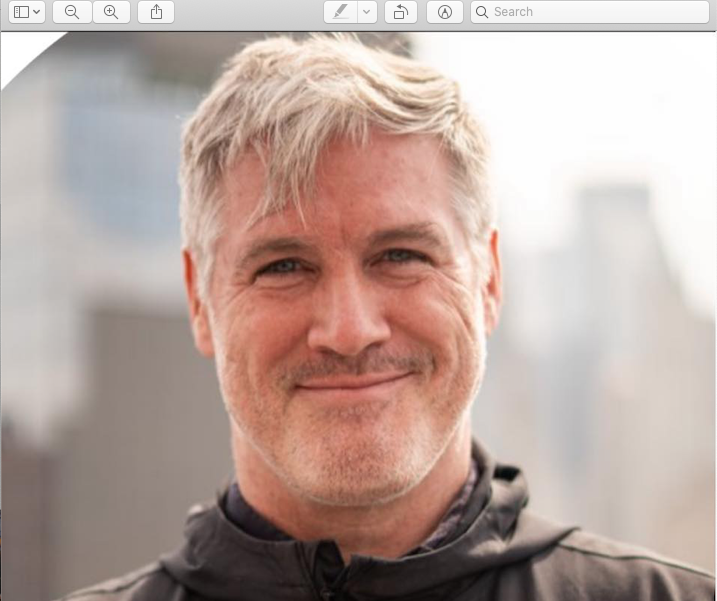
Nerdhappy Releases ‘15913’
Can you briefly describe what the song/each song is about? If you are releasing an album then either describe the thinking behind the project or choose a couple of lead tracks to focus on.
Each song is a story in my mind. Barca vs. Bayern is about a folksy girl who meets a techy guy at a bar during a soccer/football match. Bossk Dreams is an electronic interpretation of a dream/nightmare in the mind of the galactic bounty hunter. Be Yourself, Tamiko is about a girl on a playground who gets dissed by someone who she thought was her friend, so she summons the Japanese God of the Sea to splash her with water.
Were there any notable or amusing happenings surrounding the recording/production of the EP?
Writing songs has always come easy, but learning to produce music was very difficult. In order to make sure everything sounded right I began to mix/master songs in my car to make sure they'd sound right on the radio.
Is there a particular ethos behind the single/EP/album or any particular music styles or events that inspired it?
The title of the album is 15913, which is a reference to hitting the kick on the 1, 5, 9, and 13 on a drum machine. The original inspiration was to make songs that thump, but along the way, the weirdness snuck its way into each song.
Are there any other interesting or amusing happenings – no matter how small – that the band has been involved with that would be of interest to those who like your music?
I live in Red Hook, Brooklyn (Mitski just recorded her music video here :), and when I'd get stuck I'd just walk around listening to my tracks again and again in my headphones, and let the sounds of my neighborhood chime in with other ideas. A bus or a laugh or a police siren provided tones and ideas that sometimes fit perfectly.
What are the band's main influences?
The first influence has to have been Depeche Mode, and in more recent years bands like Daft Punk, Kalkbrenner, Odesza, Moderat, trentem0ller, Extrawelt.
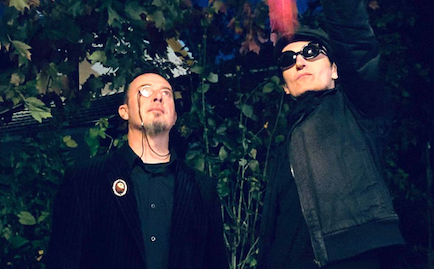
Golem Dance Cult On the Making Of “Carpe Noctem”
What was the creative process like for this particular "Carpe Noctem?"
Charles: Carpe Noctem is the most peculiar song I have ever written in the way it was created.
I wrote it on an acoustic guitar, first as a kind of dark blues (this can be heard on the coda of the song), and while I was working on the musical “bed” (drums, bass, guitar - acoustic and electric,….) I caught Covid and spent 3 full days in bed, comatose… When I came back to a semblance of life, I went to my studio and while browsing through the file of my DAW, I found a new version of this song that I probably arranged and mixed in an altered state…and that I really dig. So much so that we kept this version for the album. So in terms of the creative process, there you go: an acoustic dark blues ditty rearranged by a mad scientist.
Could you discuss the lyrical themes or messages conveyed in "Carpe Noctem?"
Laur: It's about nighttime and its power. We are not the first ones to talk about it and we certainly won't be the last ones! People like Ray Charles, the Lords of The New Church, Judas Priest, and many others have all written about it! We wrote it from a luring vampirish perspective.
Charles: Yes, and this is when you ready yourself for the night to the point where it becomes almost an obsession affecting your perception of what is happening around.
What was your favorite moment in making the music video?
Laur: The car scenes since it was all made for fun and we didn't really know what we would use them for and there was great natural lighting!
Charles: agreed, it was kind of a good moment that we shared just as friends. We were parked somewhere and there was this beautiful sunset with golden lights. So we thought about immortalising, wiped out a camera, and captured the moment.
Can you tell us a bit about yourself and how you got started in music?
Laur: I started as a drummer playing with Charles, played in quite a few bands and backing bands over the years before starting to use my voice to sing the lyrics I was writing.
Charles: I started saxophone as a kid, then teenager I switched to bass, starting our first band together, Laur and I.
Could you share some of your musical influences and how they have shaped your sound?
Laur: I’ve been influenced by glam rock, punk rock, hard rock, and goth rock among others. I guess you can find traces of these genres in Golem Dance Cult although it's not always obvious.
Charles: I was educated in Jazz as a kid, and I love all kinds of music provided there is an artistic intention behind it. But rock is my main thing, kind of the same style as Laur. In terms of bands that could be Jane’s Addiction, Killing Joke, The Cult. Post Punk in a way and I love Hip-Hop, PE, Beastie Boys, NWA et surtout le Francais with Le Supreme NTM.
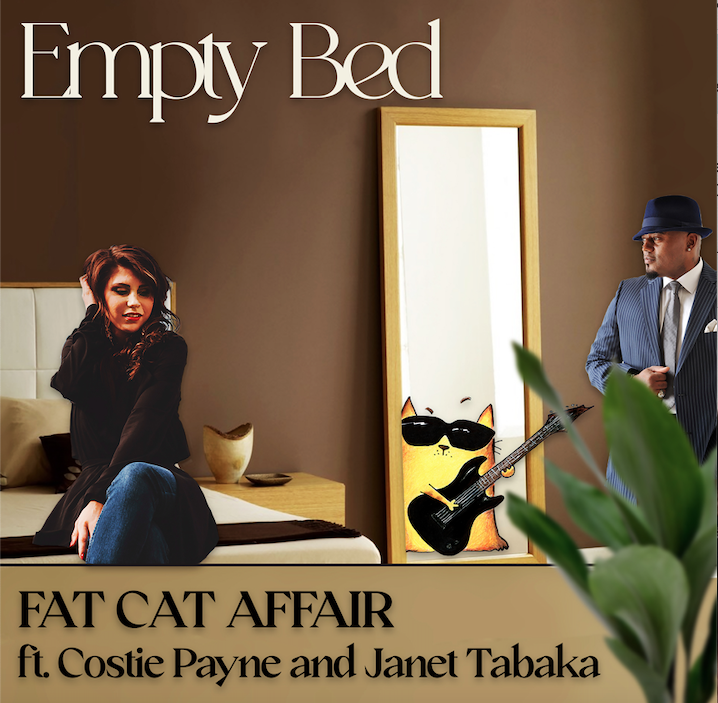
Fat Cat Affair Releases “Empty Bed”
“This song has a great story to it,” says Fat Cat, “When I was in Camden in London, I lived next to a couple that argued all the time. I could hear them through the walls. Their lives seemed very dramatic and it sounded like they couldn’t fix their differences. Well, I love writing songs about people’s lives so Empty Bed was born.”
“Empty Bed” is a soulful, RnB pop duet featuring the smooth vocal talents of Janet Tabaka and Costie Payne. Mixed by Andrea Lepori (Rolling Stones, U2), the regular Fat Cat crew lay down the groove that leads to a sweet crescendo of voices. The song culminates with a beautiful Nigerian gospel choir pulling at the heartstrings.
Fat Cat is one of those rare felines that everyone wants to work with. A multi-instrumental, multi-genre, funktastical cat-beat monster! Fat Cat loves working with other people and every Fat Cat project has a featured artist.
![FICMARO On the Making Of “Now So Am I [from EP2]”](https://images.squarespace-cdn.com/content/v1/60110aa8e6d31b0d1c32ae92/1693443918795-CW8EZBCRL7L0664B3QAA/Screen+Shot+2023-08-31+at+8.55.31+AM.png)
FICMARO On the Making Of “Now So Am I [from EP2]”
Can you share any interesting or unique stories or perspectives in "Now So Am I [from EP2]?"
Well, there is a dichotomy between that soft soprano-like voice in the background and the rough robotic voice in the foreground. The two balance each other out where a listener is not directed in any one direction/mood. There is something humourous about the track, the juxtaposition of the sounds, and the story it tells, even dramatic.
What was the initial spark or idea that led to the creation of "Now So Am I [from EP2]?"
"Now So Am I" strangely came from my own work experience managing teams. I thought that leading a group of people meant I needed to be stoic, unmovable, and direct at all times, well needless to say, and due mostly to my own incompetence, I learned quite the opposite was true. You actually don't get your way most of the time and that's okay, instead, you're there to support others from a standpoint of knowing what their strengths and weaknesses are and working with that, together, to achieve success. On the other side, though, yes "Now So Am I" is also an empowerment anthem for one's personal life. Sometimes that zesty attitude is needed, the directness, the clarity in saying what you want/need, and not waiting around for others to provide it, that's all very important. It really depends on who is listening and where they are in their life and life choices; sometimes being selfish in a good way is necessary, and there is such a thing as that.
How do you feel "Now So Am I [from EP2]" represents your artistic identity or musical evolution?
It's danceable, mood-enticing, cinematic at times, and unique. I think these are all elements I tried to fit into 'EP2'.
Can you tell us a bit about yourself and how you got started in music?
I grew up in a fashion-forward-thinking home, a graduate of Performance Art, and I'm a fully self-taught Composer/Producer. I love technology, but I don't like the way it's evolving currently in society, more spirituality and ethics need to come into technology; and I believe if any society could do it well and harmoniously for the rest of us, it would be India. I don't know why exactly, but call it scientific intuition.
What are some of the biggest challenges you have faced as a musician, and how did you overcome them?
The Biggest challenge is rejection; like in any art form and/or business (because when you try to make money with art, it's no longer a hobby). You need to accept the fact that not everyone will like your music or even understand it. The important thing is that you stay honest and true to yourself. You'll come to realize we're all similar and even our struggles are the same, it just depends on how we want to hear them.
The Spacewalkers FFEEATCOPO On the Making Of “Truth Is A Knife”
What was the creative process like for this particular song, "Truth Is A Knife?"
Thanks for asking, but hold up – if you’re reading this from the future, sometime after the The Great AI Takeover and subsequent destruction of societal infrastructure, followed by the slow, triumphant return of humanity and civilizational norms resulting in a Second Renaissance of art and culture in the early 22nd century, it’s worth establishing a few bits of context of what The Spacewalkers Foundation for Extraterrestrial Exploration and the Circumvention of Planned Obsolescence was like in 2023. Cool? Cool.
The Spacewalkers FFEEATCOPO isn’t a “band” in the traditional sense – it’s a Foundation filled with an ever-growing staff of dreamers, inventors, scientists, and artists, aligned towards the goal of infinitely extending consciousness through art, philosophy, technology, and an impressive amount of Hologram Dogs™.
I work in the Sound & Music Therapy division, and while our creative process is constantly evolving, we have one unchanging North Star: Embrace The Cringe. Being “cringe af” is a key element to whatever we make, mostly because the throughline of cringe is authenticity. The more embarrassing or revealing the lyrics are, the closer you are to the truth. I like to think we accomplished that with this track.
Were there any challenges or breakthrough moments during the songwriting process for "Truth Is A Knife?"
During the writing of this record, I had been working through some mysterious health issues. After a battery of tests at the hospital, the doctor called me into his office and I heard the phrase “get your affairs in order” for the first time. That’s an unexpected thing to be hit with on a Tuesday afternoon. And after my initial, “wait, for real?” followed by, “no, seriously, for REAL?” reaction, I was hit with a panicked clarity: I had wasted so much time.
A knife can cause harm, but it can *also* protect. Truth is the same — yes, my news was a bummer and everything was upside down, but embracing reality would also protect me from wasting even *more* time.
But how does anyone actually make the most of the time they have left? I’ve been leaning into the one thing that works for me: gratitude.
I’m working on being grateful for the present moment. For that weird smell when rain hits pavement. For my Mom working the graveyard shift so she could send my sister and I to school. For the thousands of years our ancestors battled wolves so we could live in air conditioned apartments. For microwaving nachos while watching bad horror movies. For answering a straight-forward question about basic songwriting process with a that-was-more-than-I-asked-for personal story.
Everything is connected, is what I’m trying to say.
How do you feel "Truth Is A Knife" represents your artistic identity?
At The Spacewalkers FFEEATCOPO, our projects are predicated upon the belief that Mary Oliver was correct when she said that "joy is not made to be a crumb." Making Truth Is A Knife, we embraced that concept and wrote about how there’s nothing bigger than the little things, and how important it is to remember that none of us have much time. Sure, we’ve all wasted years waiting for a phone call, but no, it’s not too late to stop sleepwalking through our days and try to make the most out of what we have while we still have it. There are 8 billion of us floating through infinitely expanding black space and none of us know why we’re here or where we’re going.
But hey, that’s not a bummer. That’s freedom. What do you have to lose? We’re in space, dude. Let’s work on letting go of self-doubt, of misunderstandings that turn into years-long silences, of deep insecurities that sure seem serious now but in 7 billion years when the sun explodes and everything that was ever made by humans is vaporized you’ll ask yourself, “huh, why did I ever care what people thought about my haircut at Bobbie’s party?”
TL;DR: Truth Is A Knife has a cool bassline.
What has been the most memorable experience or achievement in your music career so far?
The Spacewalkers Foundation is an interesting place to work, but it isn’t a “music career” in the traditional sense. When I joined the Sound & Music Therapy division years ago, the intention was to assemble the right folks to make music that “distracts you from oblivion.” Being there from the beginning has afforded me the rare opportunity to meet many talented people from all disciplines, and, if you’ll allow me the cliche, the Journey Has Been The Reward. I know, right? If every overused cliche featured as framed word art at Target turns out to be true, I won’t be happy.
Who would you most like to collaborate with, if it could be anyone in the world?
We’ve been trying to leverage the global connections of the Foundation to contact Bjork for years. Bjork is a global treasure, and I feel comfortable speaking on behalf of the organization by saying that we’d give her early access to our upcoming Hologram Dogs program if she was open to a collaboration. In fact, I have a confession: the main reason we wanted to speak with this publication is because we heard that Bjork was a major fan of Punk Head, and we’re hoping we can reach her through this blog post. So, hi, Bjork! We know you’re reading this. We’ve been following your career since the Exodus and JAM80 days, way before anyone cared about The Sugarcubes or your solo stuff. Our Foundation’s charter explicitly carves out a provision stating that we can allocate a percentage of the endowment to fund a Spacewalkers FFEEATCOPO Sound & Music Therapy project that funds, well, “anything Bjork wants to do.” You’ll have the entire team’s support to fulfill your vision. Did we mention the Hologram Dogs?
Soul Chalice On the Making Of ‘Embracing Trauma’
Can you share any interesting or unique stories or perspectives in 'Embracing Trauma?'
For me personally this album is all about my journey with traumatic experiences in my life. Since identifying and acknowledging these experiences, it has been an awakening. Making this album has been very therapeutic and I wanted to capture and share my journey musically. As you listen to the album you'll notice it’s not really dark but more upbeat and to me that represents acceptance and growth.
Were there any memorable or standout moments during the recording sessions for 'Embracing Trauma?'
The recording and mixing process is what I live for. I would say the most memorable moment during the recording process was this one time we all got hungry. We decided to all just walk across the street to the corner store. We're all over there ordering burgers and buying snacks. Right in the middle of a recording session. Nothing too crazy I just remember feeling a sense of comradery with my boys in that moment.
What did you enjoy most about making 'Embracing Trauma?'
There are two processes that I really enjoy. Creating a new song and the mixing process. I love to create. One way I create is by writing. That is a huge outlet for me. Then when the band comes up with something I like feeling the music to see what vibe I get. That’s when I add my parts. I feel like creating a song is almost like creating something out of nothing. Then I also really love the mixing process. It’s a very long process. But I love the transformation from raw recordings to produced polished tracks.
Where do you find inspiration for your songs or musical ideas?
I try to draw most of my inspiration from my own life experiences but a lot of times I get it from other art. For example, for our song "Splash" I was inspired by several different art forms. I thought of one of my favorite rappers, E-40. He has a song called "Flashin." Of course, he snaps. I thought of the movie Draft Day with Kevin Costner. The owner of the Cleveland Browns is telling the general manager to make a splash. Great movie! I also thought of a beer that was brewed by a local brewery called Splash & Go Lager. This is actually a nod to NASCAR which means stop quick for enough gas to finish the race. There are actually many references to other pieces of art throughout my lyrics.
Are there any specific venues or festivals that you dream of performing at?
I have always wanted to perform at the SXSW Music Festival. Also, the Firefly Music Festival. It's based in my hometown Dover, DE. Then there is one venue in my hometown I would like to perform at which is the Fire and Ice Lounge at Bally's.

Carl Kammeyer On the Making Of “One”
What was the creative process like for this particular "One?”
This song was such a fun creative process. I did a lot of experimenting, and I changed this song so many different ways before we finally got it to the way we liked it now. I had a blast collaborating and creating this song.
Could you discuss the lyrical themes or messages conveyed in "One?"
The song is about family, couples, communities, and even the world, that we are Stronger when we join together as one.
Were there any memorable or standout moments during the recording sessions for "One?"
No at this time I'm singing from my heart,
Where do you find inspiration for your songs or musical ideas?
I get my inspiration from all of my family. Most of the time they just come to me either at home or when I am out and about.
How do you continuously grow and evolve as an artist?
I hope to be doing more of writing songs in the upcoming future and more collaborations with other artists as I continue to grow as a music artist.
That Hidden Promise On the Making Of “Some Days (I just can't stand)”
What was the creative process like for this particular "Some Days (I just can't stand)?"
I'd just bought a Gibson SG finally after 20 years of waiting for the right one to come along, as a lefty, they're not easy to come across. Anyway, the riff flowed out from it pretty quickly, I'd it was say gifted by the guitar and it was clear the kind of song it needed to be and had to have that SG gnarliness. A few months of tweaking and refining the structure, as at 5 and a half minutes it needs to grab you all the way through. The lyrics came pretty quickly and the themes just worked perfectly for me, with the music.
Were there any memorable or standout moments during the recording sessions for "Some Days (I just can't stand)?"
Well, I record and produce everything myself, but rather than spending forever polishing it, I just let it flow naturally and the solo came out in one take straight off the bat.
How does "Some Days (I just can't stand)" fit into your overall artistic vision and what can listeners expect from you in the future?
It's one of the most direct, in your face songs I've written and I don't tend to repeat myself. The album veers in quite a few directions genre and style-wise, as we don't have just one feeling or emotion so why should the music I produce. My previous album shows the difference in the material I write, as does the recently released batch of archive material I released.
Can you share a bit about your musical background and the journey that led you to where you are today?
I started my first band in the late 90's though was already recording music on my 4 track tascam at the time too. I was writing all the material and decided in 2001 to just focus on being a solo act. I like to keep exploring musically and keeping things interesting. Live I play solo, but build up the beats, etc. myself, so yes like to be self-sufficient, as then I've just got myself to rely on to bring these songs to life and love the creative process from start to release. It's what I need.
How do you approach creating something new and different?
I never try and create a piece of music in the vein of someone else and will ditch tracks that I feel sound too much like anything else. I tend not to listen to much music when I'm writing so it's not influencing what I'm doing and essentially will just sit and play around with riffs, words, and sounds until something interests me.
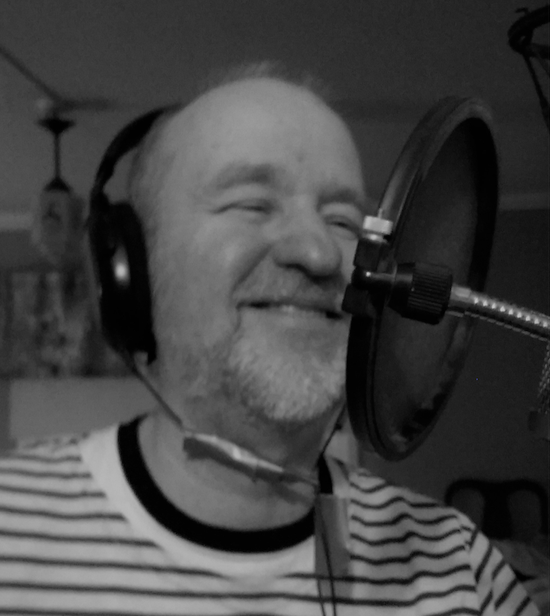
Arn-Identified Flying Objects and Alien Friends On the Making Of “Dirty Dick Dies”
What was the initial spark or idea that led to the creation of "Dirty Dick Dies?"
Ideas usually come to me in short musical phrases, more or less from out of the blue. In this case, it was the bassline heard in the intro and the bridge, in combination with the words that open the song: “Dirty Dick was driving down Memory Lane”. The rest of the song grew out of this atom, and kind of wrote itself. Some tunes take months to write, this one was finished in an afternoon.
Were there any memorable or standout moments during the recording sessions for "Dirty Dick Dies?"
That would be when the saxophone was recorded. I’d been struggling with arrangement and recording but had the annoying feeling that something was missing. With the sax, beautifully played by David Lennartsson, the bits fell into place. The somewhat sombre tune gained in variation and dynamics.
What do you like the best about this track?
I’m happy with the fact that I managed to tell a whole life’s story in four minutes. My lyrics sometimes have a tendency to become a bit vague (or too obvious – difficult balance there!) This one, I think, holds together rather well, but without telling too much.
How do you approach collaborations with other musicians or artists?
I usually talk to friends I’ve played with in the past or haven’t played with, but know from other arenas of life. I try not to be too specific here. Usually, fellow musicians come up with ideas that give the songs a breath of fresh air – and sometimes even new musical direction. Inspiring!
Are there any upcoming projects or releases that you're particularly excited about?
I’ve just written a bunch new songs for a new album – in Swedish. That’s a challenge, as I haven’t written songs in my native language for a loooong time. I might try to write English lyrics for some of the songs (rather than trying to translate), but haven’t made my mind up yet…